‘Keep our foot on the gas’: American Black Film Festival marks 30 years in Miami Beach
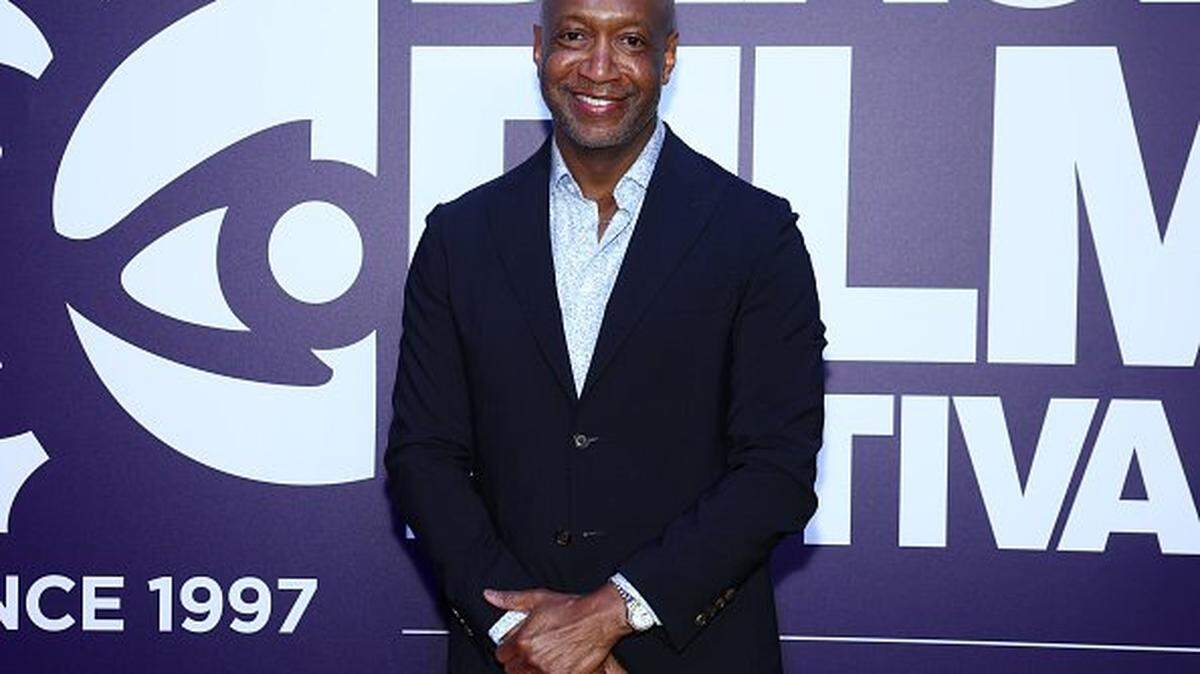
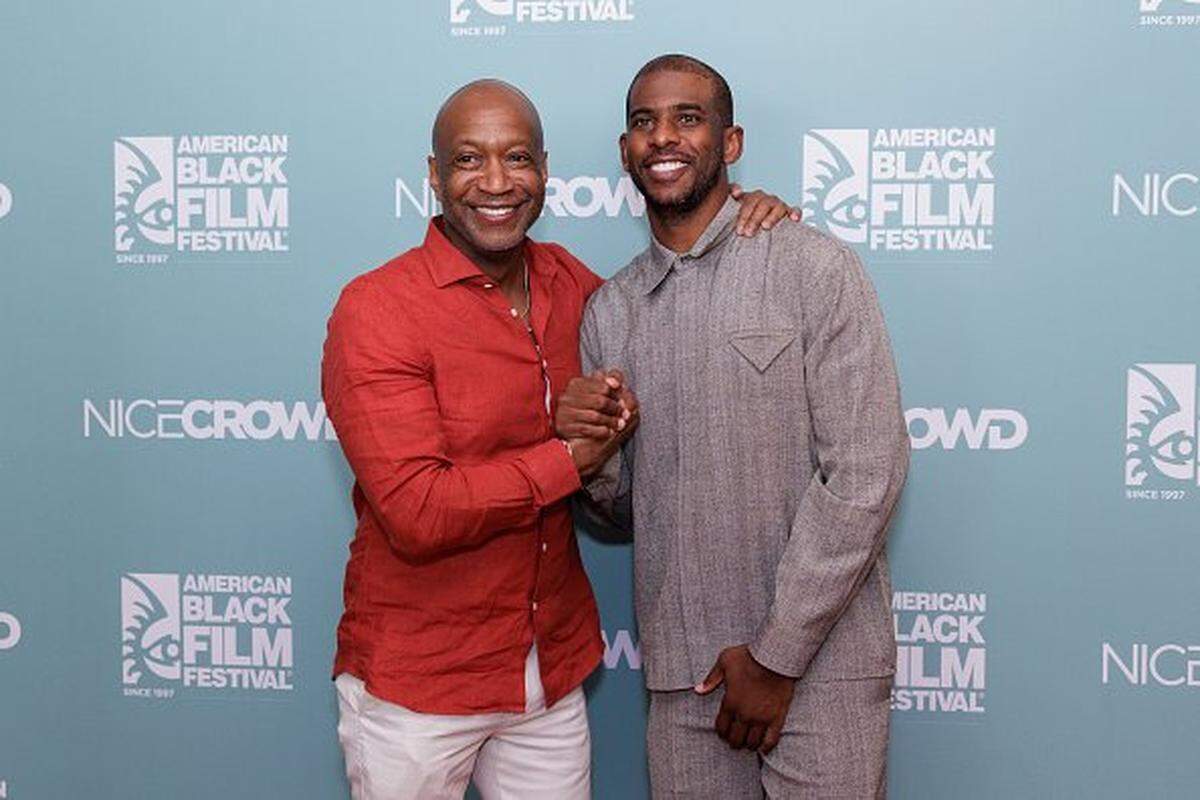
It’s a story Jeff Friday has told at least a thousand times: He attended the Sundance Film Festival and was blown away by the amount of talent and stunned by the lack of diversity.
That led to him and two friends to create the American Black Film Festival, where Black filmmakers and creatives could feel supported.
“If Black and brown filmmakers don’t have festivals like this, they don’t have any place to get better,” Friday said. Now celebrating its 30th anniversary, the festival has cultivated Black filmmakers, screenwriters and creative talent during its screenings, networking events and parties in and around Miami Beach. And like other Black-centered events and organizations in Florida, the festival now faces the challenge of the state’s latest anti-diversity, equity and inclusion policies that have recently prohibited local governments funding cultural-specific events.
But for Friday, “It’s just another storm,” he said.
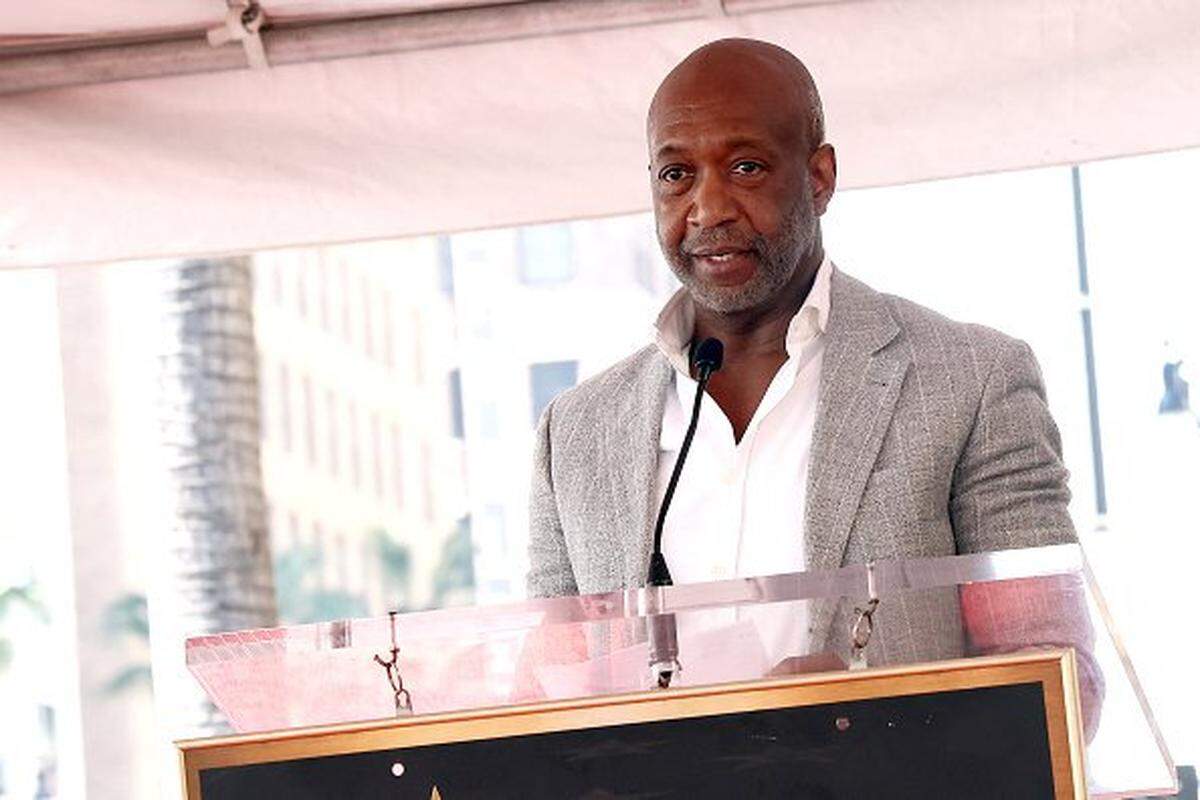
Part of that, Friday said, means leaning into optimism. While he said the festival has felt the ramifications of the onslaught of attacks on DEI nationally and statewide, he said the organization has strong partnerships with donors and continues to be amazed by the number of celebrities who continue to offer support.
RELATED: DeSantis signs into law the anti-DEI bill decried by Miami officials
Friday said the festival has weathered plenty of storms before — during the 2008 recession and again in 2020, when the festival was forced to go virtual because of the pandemic. In the festival’s early years, the biggest obstacle was ambivalence. He recalled a reporter once asking him why there was even a need for the festival in the first place.
Still, Friday said there is a need for this kind of space, where Black talent can grow and network in an environment that is unapologetically Black: “I do believe that this is the right thing to do for our community,” he said.
And this year promises that with the celebration of the festival’s 30th anniversary that centers around a theme of homecoming. Attendees will be treated to a keynote from actress and festival ambassador Regina King, who will discuss her career and longevity in Hollywood.
“That’s probably the single moment that I’m most excited about,” Friday said. “Watching her career, what she’s accomplished over the last 30 years, and just being a part of that journey with her, and then having her come back as our ambassador, that’s a pretty powerful, full circle moment for me.”
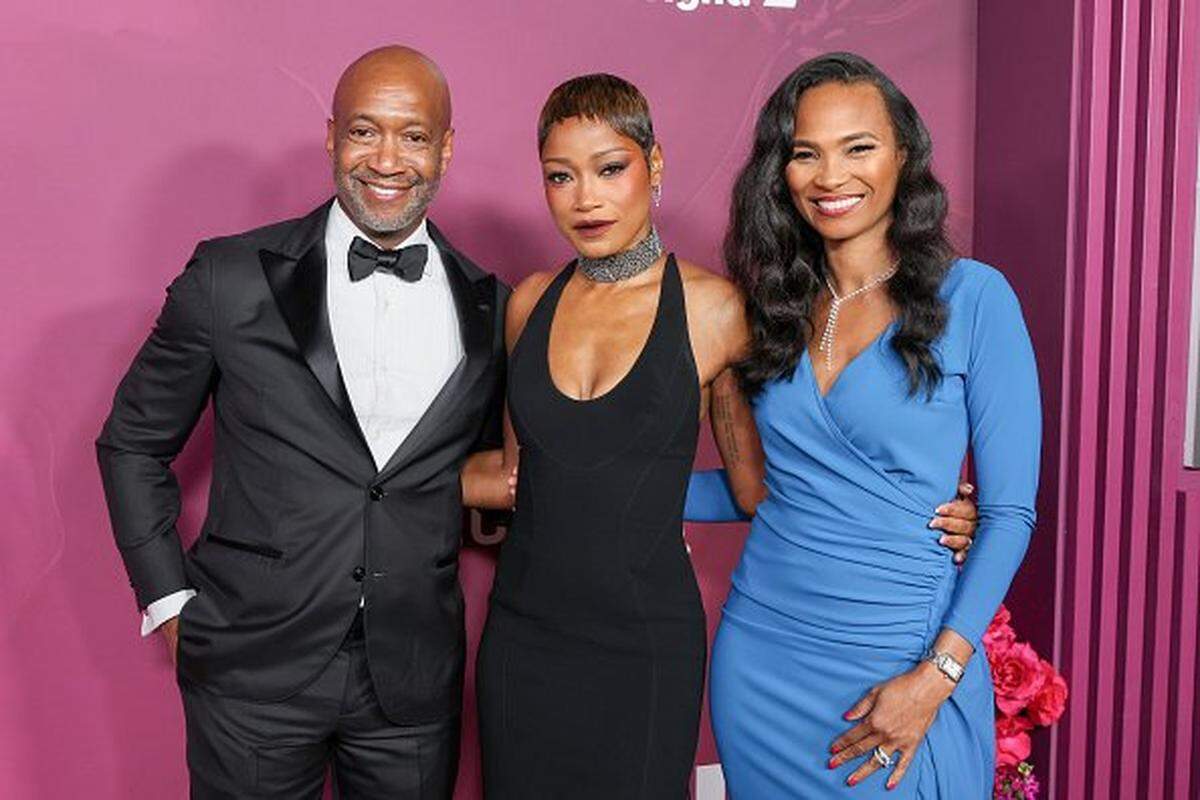
This year’s festival will also include the screenings of “Strung” a psychological thriller that features Chloe Bailey and “The Britney Griner Story” that chronicles the WNBA player’s rise to fame, screenings of short films throughout the festival, and culminates in the ABFF Awards.
This year’s festival also has a Celebration of Black Television Panel, which highlights the storytelling craft and will include actors, showrunners and directors from Netflix led shows such as Mario Van Peebles, director of the recent show “Nemesis,” and Debbie Allen, executive director of forthcoming reboot of the ‘90s sitcom “A Different World.”
Friday said Black art is essential at a time when Black art is seeing resistance. Last year, The Museum of African American History and Culture underwent an internal review by the Trump Administration, as part of the America 250 campaign, a purported nonpartisan effort to commemorate the country’s 250th anniversary.
Within 120 days of the review, the museum along with eight others were expected to “begin implementing content corrections where necessary, replacing divisive or ideologically driven language with unifying, historically accurate, and constructive descriptions across placards, wall didactics, digital displays, and other public-facing materials.” Friday said some of ABFF’s archives are a part of the museum’s permanent collection.
And in April, Florida passed a law which prohibits municipalities from funding or passing a resolution in support of programs deemed diverse or inclusive and prohibits counties and cities from having a DEI office or an inclusion officer. Officials who violate the law can be removed from office by the governor.
But Friday said it’s important Black intellectuals, creatives and media professionals to and “keep our foot on the gas even when there’s no attack.”
“We feel pressure that our culture is being ripped away from us, but this same anxiety that I feel just talking about it, the tough part is, how do you maintain that same effort and energy for telling your stories when there’s no resistance,” he said.
Friday said part of the reason ABFF has been so successful is they’ve continued to leaned into Black communities and develop strong relationships with supporters.
“I truly believe what I’m doing is right,” he said. “What we’re doing is not as much about film as it’s about empowerment and promoting excellence.”
IF YOU GO:
What: 30th Annual American Black Film Festival
When: Wednesday through Sunday
Where: Miami Beach Convention Center, 1901 Convention Center Dr., Miami Beach; O Cinema, 1130 Washington Avenue, Miami Beach
Cost: Tickets for screenings start at $15
Info: https://www.abff.com/miami/