After Miami Beach defends pulling homeless referendum, commissioner hires mariachi band
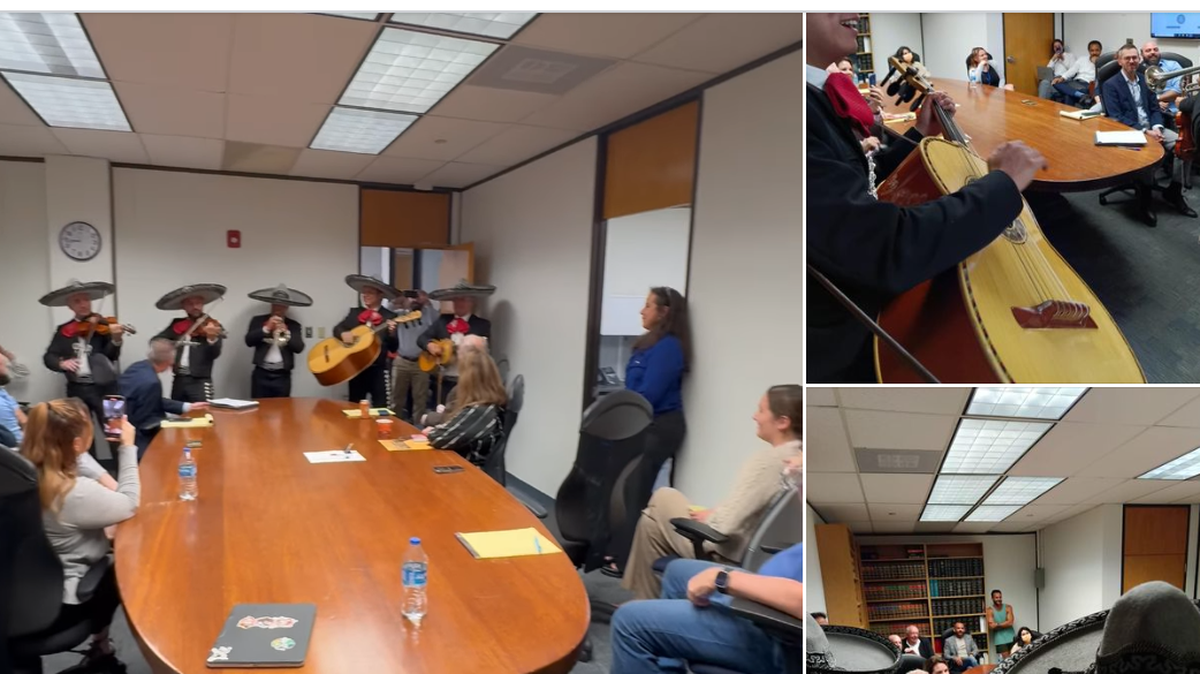
A Miami Beach commissioner brought a mariachi band to City Hall on Monday to serenade the city’s legal team, days after its attorneys successfully defended the City Commission’s controversial decision to rescind a ballot question on a tax for homeless services.
Commissioner David Suarez, who proposed rescinding the referendum just days before the Nov. 5 election and after 20,000 residents had already cast their ballots, said in a post on social media that he “personally treated” the City Attorney’s Office to the surprise celebration.
“Day in and day out, they fight tirelessly for truth, justice, and transparency to protect the best interests of our city and its residents,” Suarez wrote. “I feel it’s important to recognize the dedication of these civil servants, who could be earning far more in the private sector — but consciously chose to serve OUR community instead.”
Suarez’s post shows the five-person mariachi band performing while City Attorney Ricardo Dopico and about a dozen staffers looked on.
The social media post doesn’t mention the recent lawsuit regarding the ballot question, in which a judge sided with the city on Friday. But sources who witnessed the performance said their understanding was that Suarez was thanking the attorneys in part for their victory in that case.
After the band played and Suarez spoke, Mayor Steven Meiner also came into the City Attorney’s Office to offer his gratitude, according to sources who were present.
In response to a text message seeking comment, Suarez told the Miami Herald: “I find it comical that the Miami Herald is interested in reporting office gossip as tabloid news.”
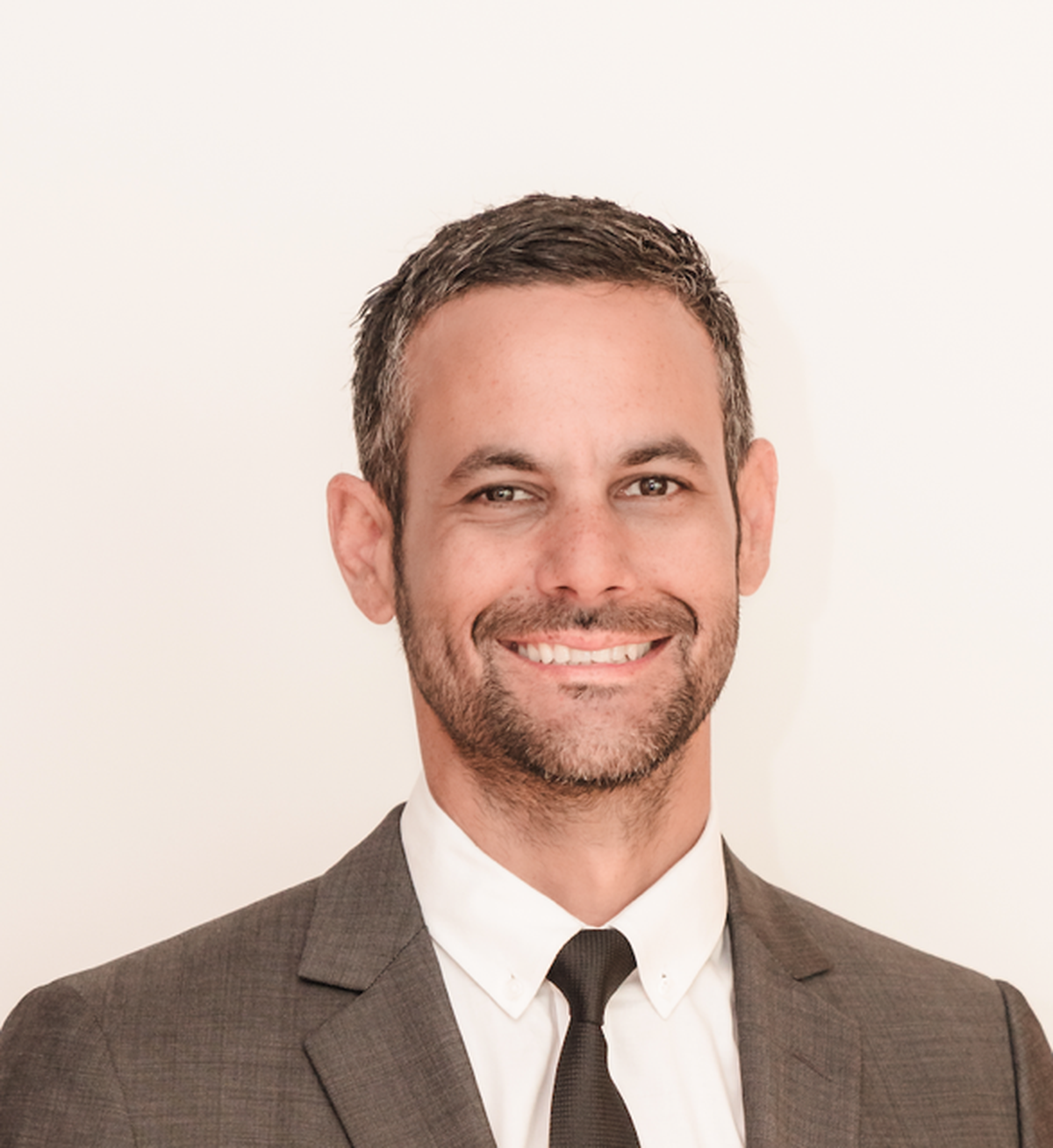
After this story was first published, Vice Mayor Alex Fernandez, who voted to keep the referendum on the ballot, expressed opposition to the mariachi celebration in a post on X.
“While legal victories are always welcomed, celebrating at this time is highly inappropriate,” Fernandez wrote.
Fernandez added that city officials should be focused on assisting approximately 50 people who were transported from a shelter in Miami to a hostel in South Beach on Friday, a move Fernandez has condemned as political retaliation.
“My focus remains on ensuring these individuals receive the compassionate, supportive services they depend on,” he wrote. “I am grateful to our City Manager [Eric Carpenter] and his dedicated staff for acting with professionalism to prioritize the well-being of the unhoused over celebrations.”
The mariachi performance was the latest twist since the city’s decision Wednesday to rescind a referendum that a different group of city commissioners had voted in July 2023 to place on the ballot.
On Thursday, a group of Miami Beach voters sued the city, calling the decision “shocking, unprecedented, and unlawful.” But after an emergency hearing Friday, Miami-Dade Circuit Court Judge Antonio Arzola ruled in favor of the city, saying the voters had not suffered irreparable harm and that restoring the ballot question would only lead to further confusion.
Miami Beach Deputy City Attorney Henry Hunnefeld defended the city’s position in court, squaring off against Jerry Greenberg of Gelber Schacter & Greenberg, the law firm of former Miami Beach Mayor Dan Gelber.
READ MORE: Court rules in favor of Miami Beach, says votes on homeless tax won’t be counted
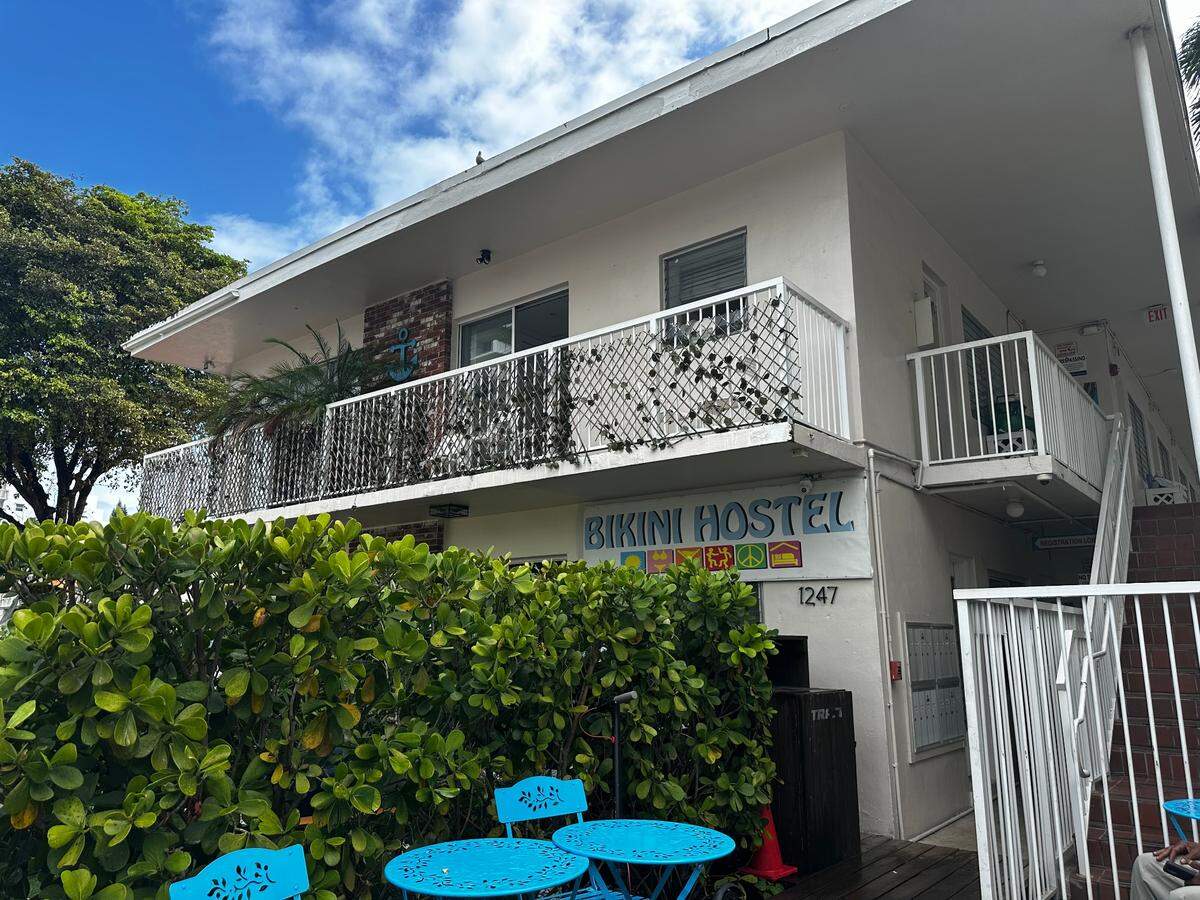
In another dramatic turn Friday night, the city of Miami transported more than 50 people from the Camillus House shelter to a hostel in South Beach, catching Miami Beach leaders off guard and leading some to accuse Miami officials of using people experiencing homelessness as “pawns” to seek political retribution.
The city of Miami denied that the move was political, saying it was a result of failed negotiations over the cost of shelter beds.
At the Miami Beach City Commission meeting last week, Suarez called the ballot question a “manipulation” and said it was “purposely engineered to mislead and take advantage of taxpayer money.” He also said he had been unaware that the item was on the ballot until September.
After the meeting, Suarez wrote in an email to residents that rescinding the ballot question was “an achievement that underscores the power of truth, transparency, and resilience.”
“In a true David vs Goliath fashion, myself, alongside Commissioners [Joseph] Magazine, [Kristen] Rosen Gonzalez, and Mayor Meiner, stood firmly against a heavily-funded push from billionaire developers and lobbyists seeking to impose an additional 1% ‘homeless restaurant tax’ on our city,” Suarez wrote.
Meiner cast the deciding vote, saying he was “not pleased” to rescind the referendum so close to Election Day but that he staunchly opposes the 1% food-and-beverage tax to support the Miami-Dade County Homeless Trust and local domestic violence shelters.
On Monday, Meiner sent an email to constituents about his decision with the subject line, “It’s Never Too Late To Do What’s Right.”
“I have consistently voted for and firmly believe that the money is better spent staying in Miami Beach and not an additional tax sent to an unelected County Trust for which we have no authority or decision making input,” he said.
READ MORE: Miami Beach officials rescind ballot question on homeless tax. Votes on it won’t count
Suarez, Meiner and other city officials have championed a hard-line enforcement approach for the city’s homeless population, including arresting people who sleep outside and decline a shelter bed. They have also sparred with the Homeless Trust and its chairman, Ron Book, over requests for funding.
Still, some city commissioners balked at Suarez’s proposal. Commissioner Tanya Katzoff Bhatt called it an “unholy, terrible precedent to set,” while Fernandez said he believes “homelessness is a regional issue” and that the proposed tax would go toward creating needed housing.
“We’re not leading with compassion if we’re not creating avenues for housing,” Fernandez said.
The tax would have been collected on all food and beverage sales at businesses that sell alcohol for on-premises consumption and have gross annual receipts above $400,000. Facilities in hotels and motels would have been exempt, following a state law that allows for the tax.
Miami Beach is one of three cities in Miami-Dade County that does not impose the tax, along with Bal Harbour and Surfside. The tax is on the ballot Tuesday in Bal Harbour.
This story was originally published November 4, 2024 at 7:33 PM.