‘It’s embarrassing’: Why does Miami Beach keep failing to meet affordable housing goals?
In 2011, Miami Beach officials set an ambitious goal to address the city’s need for more affordable housing: 16,000 units for “low and moderate income households” by 2020.
By 2017, when it was clear that goal wouldn’t be met, the city set a new benchmark in its comprehensive plan: 6,800 affordable units — more than one in 10 housing units citywide — by 2030.
Now, amid an affordability crisis that has seen housing costs soar in Miami Beach and beyond, even that more modest target for South Florida’s premier tourist destination seems like a pipe dream. Miami Beach today has about 2,000 units of income-restricted, subsidized housing, about 60% of which is for elderly residents, according to city records.
Officials say there’s no clear path to 6,800.
“It is a master class in politics where you talk a big game and deliver very little,” said City Commissioner Ricky Arriola. “It’s embarrassing.”
The city’s efforts, Arriola said, amount to “pouring a glass of water into the ocean.”
Data reviewed by the Miami Herald shows scant progress over the past decade.
A handful of mid-sized affordable developments have opened. There’s Villa Matti, 36 units for seniors named for then-Mayor Matti Bower in 2013. The Housing Authority of the City of Miami Beach, an independent entity from the city, has developed several affordable buildings with 56 units for the elderly.
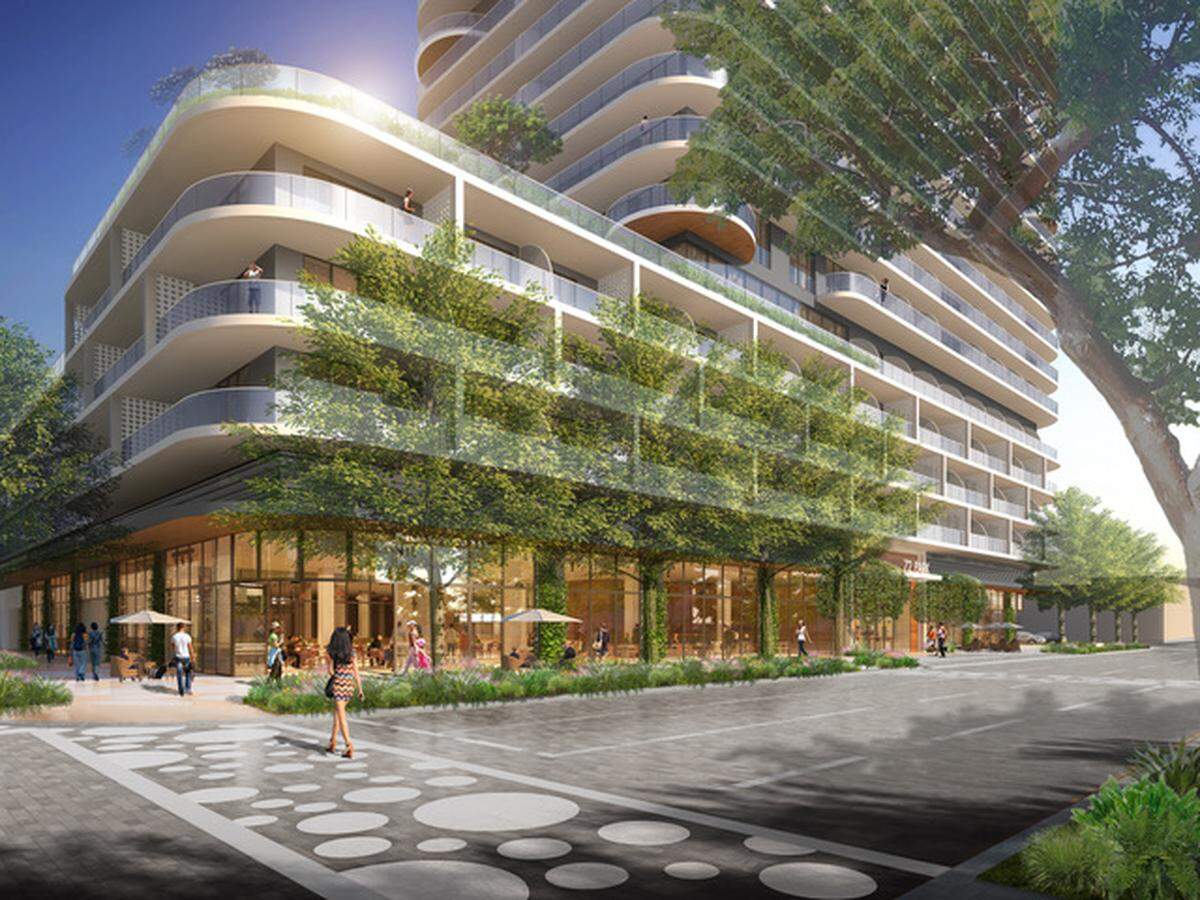
New affordable and workforce housing projects totaling about 300 units are also in the pipeline, including four Housing Authority projects for the elderly and 80 workforce units near Collins Park with dorm space for Miami City Ballet dancers.
But other buildings have lost their affordable status. The 112-unit Edwards Apartments on Collins Avenue saw its federal assistance contract expire in 2012. One-bedroom apartments there now go for around $1,900 per month.
The 49-unit Shep Davis building also saw its assistance contract expire in 2018. While the landlord still accepts Section 8 housing choice vouchers that have allowed some elderly tenants to stay, their situation is tenuous — they were threatened with eviction last year during a dispute between the owner and the Housing Authority.
Meanwhile, rents have skyrocketed. Average rent for a one-bedroom apartment in Miami Beach is above $2,500, according to the real estate website Zumper, an increase of $1,000 over the past two years.
What’s getting in the way?
Miami Beach officials have talked repeatedly about the need to protect seniors on fixed incomes and workers in the city’s booming hotel and restaurant industries, some of whom commute multiple hours to work as high rents push them farther away from the coast.
But regional forces have combined with factors unique to Miami Beach to limit progress.
Vacant land in the city is sparse. Land values are high, especially near the water. About one-third of the city’s housing units are vacant, mostly for seasonal use, according to U.S. Census estimates. And officials have struggled to slow the proliferation of short-term rentals, which can drive up rents and take housing options away from locals.
The result is that most developers are flocking to the beach to build luxury condos, not affordable housing.
“It’s hard to pay for the land acquisition costs and still have a project whose best and highest use is workforce housing,” said Mayor Dan Gelber. “The city has to provide some incentive.”
The currently available incentives are limited. The city has expanded its rewards in recent years for developers who build affordable housing, implementing fee waivers, reduced parking requirements and density bonuses. But developers aren’t required to construct affordable units, and they’re restricted by local regulations that limit the size of a building.
In North Beach, one of the last relatively attainable slices of the city for working-class residents, none of the hundreds of new units in the pipeline after a 2017 rezoning are income-restricted.
Gelber said he hopes a new community redevelopment agency for North Beach will help counteract gentrification. The agency must put 10% of its funds toward workforce or affordable housing.
“As a luxury building goes in, you take solace in knowing much of the incremental tax receipts will support workforce housing,” Gelber said. “You really do get the best of both worlds.”
Limited options, long wait lists
Demand for affordable housing in the city far outweighs supply for those who need it most.
Valerie Navarrete, a Miami Beach real-estate agent who advocates for the city’s homeless population, said she’s seen a spike in elderly people becoming homeless because their rents went up since the start of the pandemic.
“We have a lot of elderly [people] on the streets,” Navarrete said.
Navarrete sometimes helps those in need search for permanent housing. But a lack of affordable units coupled with high market rents means living in Miami Beach is rarely an option.
Phillip Ramirez, who is homeless and currently staying at a Salvation Army in Miami, is working with Navarrete to find housing through a rental assistance program led by Citrus Health Network. He said he knows finding a home in Miami Beach — where he has spent much of his time and temporarily worked for Navarrete last year to assist her homeless outreach program — is a long shot.
“That’s the hardest place to get in in [Miami-Dade County],” said Ramirez, 69. “There’s a few low-income facilities, but you can’t really get in there.”
Wait lists for affordable housing in Miami Beach point to the need.
More than 12,000 people applied in 2019 to be placed on a wait list for studios in five affordable city-owned buildings. Of 1,000 randomly selected, nine have since been housed, according to city officials.
“It’s been so long that I forgot I was even on that list,” one person on the wait list told the Herald when reached by phone last week.
Meanwhile, almost 44,000 people applied for a lottery last year for approximately 3,000 housing choice vouchers administered by the Miami Beach Housing Authority.
The vouchers allow eligible people to pay 30% of their income toward rent while the government covers the rest, but they may pay more if an apartment that accepts vouchers charges more than what’s typical in a local market.
In Miami Beach, only about 900 of the available vouchers are being used in the city, according to the Housing Authority. The vouchers can be used within 10 miles of city limits.
“It’s hard to get the voucher,” said Navarrete. “And once you get the voucher, the value is so low you can’t find a property.”
Some city moves raise questions
Even as city officials have stressed the importance of affordability, some recent moves appear to run counter to their stated goals.
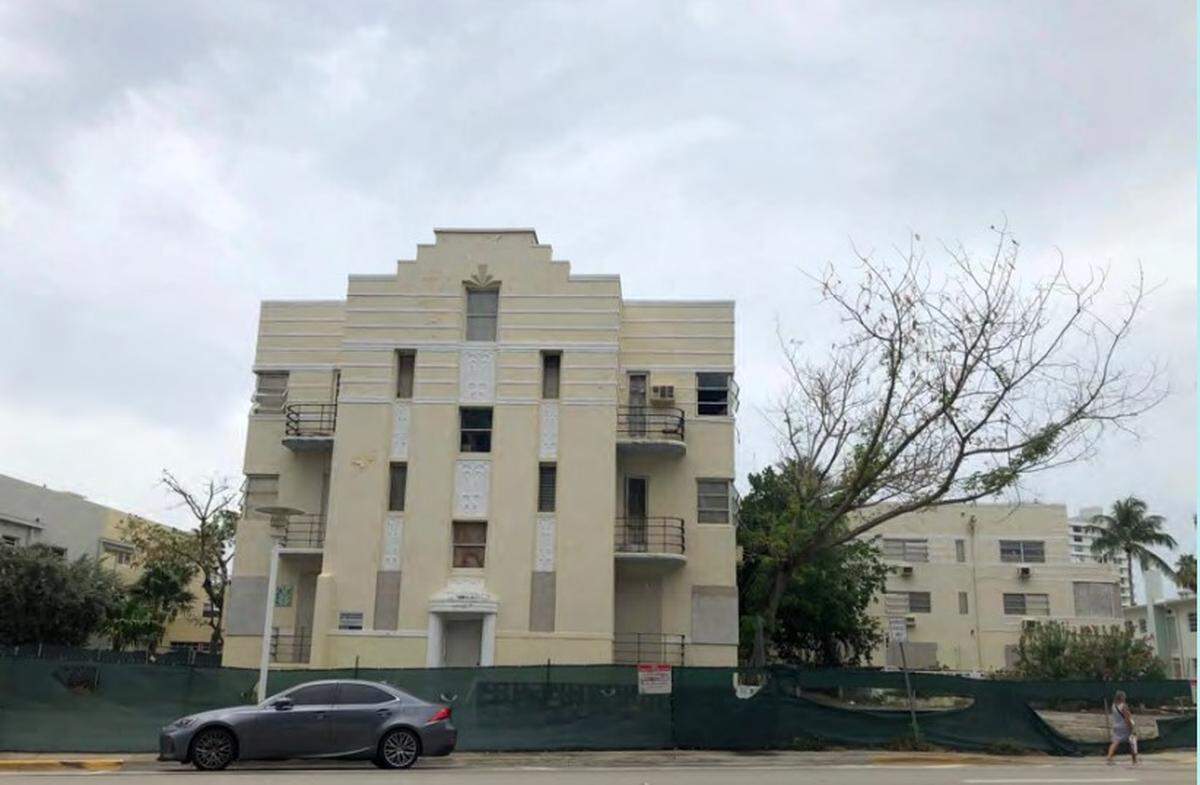
A building the city purchased from a struggling local affordable housing nonprofit in 2015, Barclay Plaza, could lose its affordable status as the city considers selling it despite a restrictive covenant saying it should remain affordable through 2030.
Commissioner Kristen Rosen Gonzalez has opposed a sale, saying last year that it seemed “a little bit twisted” for the city to consider profiting from a building intended for affordable housing.
At the same time, some elected officials including Rosen Gonzalez are resisting a proposal to scale back the city’s minimum average unit size from 800 to 550 square feet for new developments, a change that could make it easier for developers to build a range of market-rate housing and not just luxury condos.
The change has already been made in North Beach town center, and the city has enacted a 400-square-foot minimum average unit size for workforce and affordable developments. But Rosen Gonzalez said at a November meeting that making the change citywide could result in “mass density to proliferate thousands and thousands of micro-units” and worsen traffic in a city with limited public transit options.
“You have to increase density,” Arriola said. “Not everybody can live in 3,000-square-foot apartments.”
Affordable housing advocates also question the city’s heightened focus on “workforce” housing aimed at middle-class workers like teachers, firefighters and police, with less discussion of adding multifamily housing for low-wage workers.
Housing defined as “affordable” is typically set aside for those making up to 80% of the area median income, which is slightly above $68,000 in Miami-Dade County. Workforce housing in Miami Beach has been defined as housing for those making up to 140% of the area median, or about $95,000 per year.
The Collins Park workforce project was originally set to include some affordable units, but city commissioners voted last year to remove that requirement and designate all 80 units as workforce housing after developer Servitas said rising construction costs and labor shortages were affecting its bottom line.
No ‘appetite’ for affordable housing?
Arriola said he doesn’t believe there’s “any appetite” among Miami Beach residents for low-income, multifamily housing that isn’t exclusively for seniors, saying it can be a “drain on resources” and that the city lacks the services to meet those families’ needs.
But low-income housing could serve many workers in the city’s tourism industry, said Wendi Walsh, secretary-treasurer at Unite Here Local 355, which represents hospitality workers in South Florida.
“Even that [workforce] housing is going to be out of reach for the types of workers we represent,“ Walsh said. “In general, our members are still barely crossing the poverty line.”
Much of the existing low-income housing in Miami Beach is limited to the elderly, including the two Rebecca Towers buildings on Alton Road that have 200 units apiece.
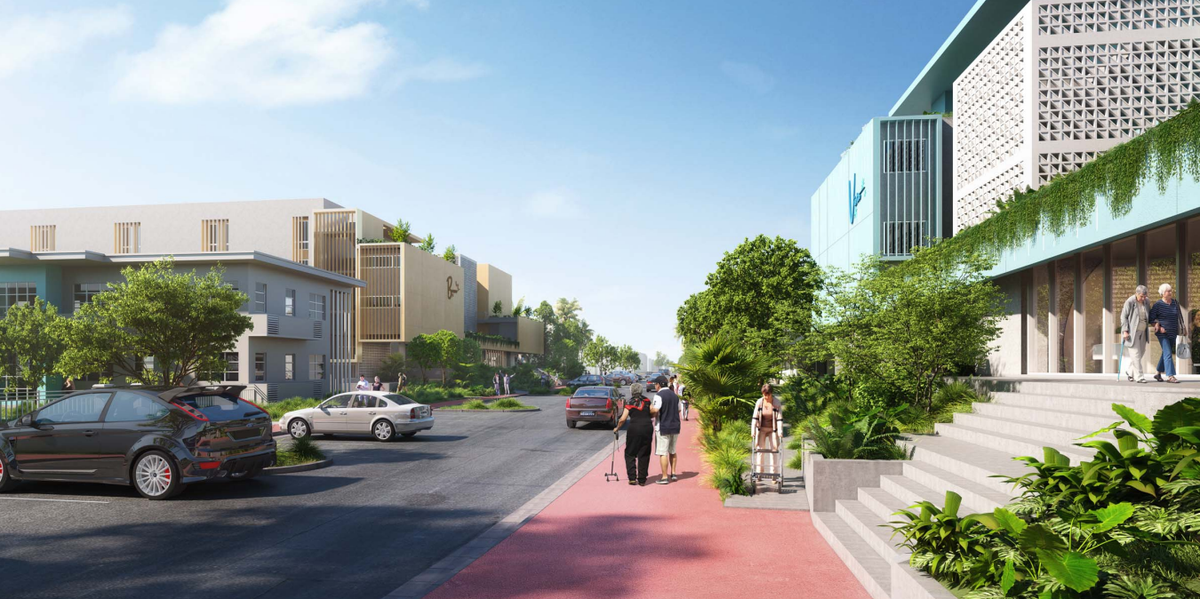
Four upcoming projects from the Miami Beach Housing Authority are also for seniors. The two-building, 119-unit Vista Breeze in North Beach was originally contemplated as a project for families, Housing Authority official Michael O’Hara said at a public meeting in October. But when nearby residents raised concerns about a lack of parking in the area, the agency changed course, O’Hara said.
Gelber, the mayor, said the city can’t solve broader housing issues affected by regional and national forces. But it also “can’t price out the middle class,” he said.
“We can’t make our city so expensive that people who work here can’t afford to be here,” Gelber said. “We’re not going to be able to address every issue. But you do need to provide options for some.”
This story was originally published January 24, 2023 at 12:42 PM.