Can a Democrat unseat ‘Latinas for Trump’ founder in state Senate? It’s an uphill climb
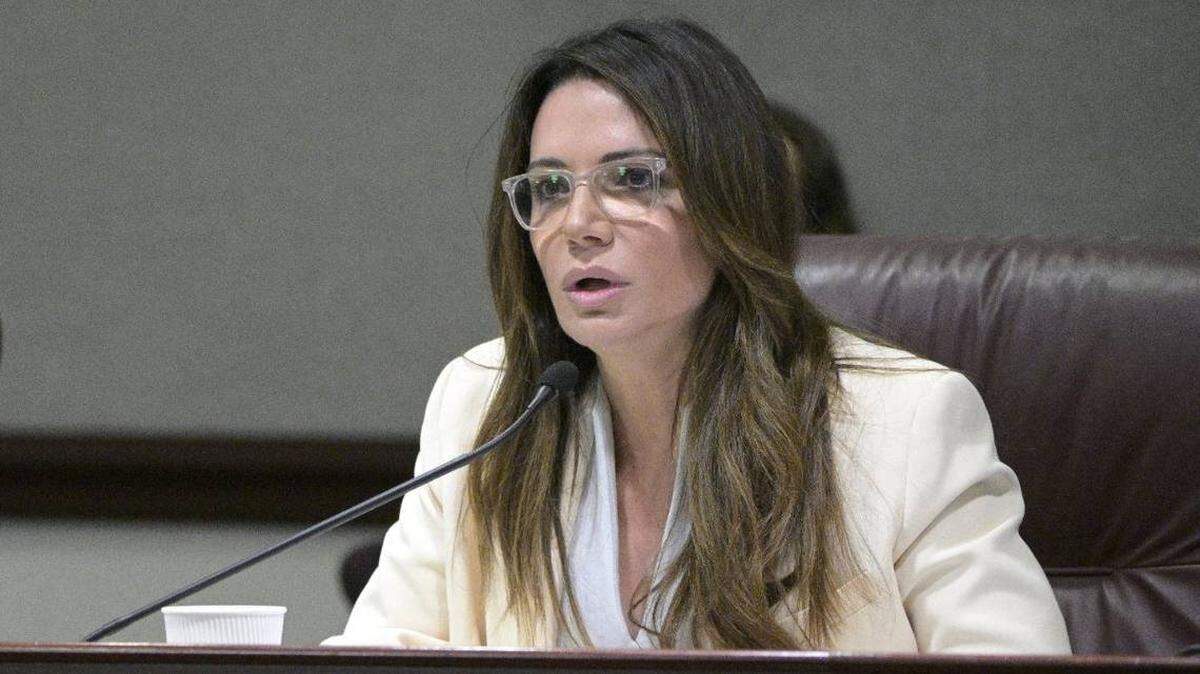
.png "State Sen. Ileana Garcia, left, who won a controversial election in 2020 to represent District 37, is running to represent the newly drawn District 36 against Democratic challenger Raquel Pacheco.")
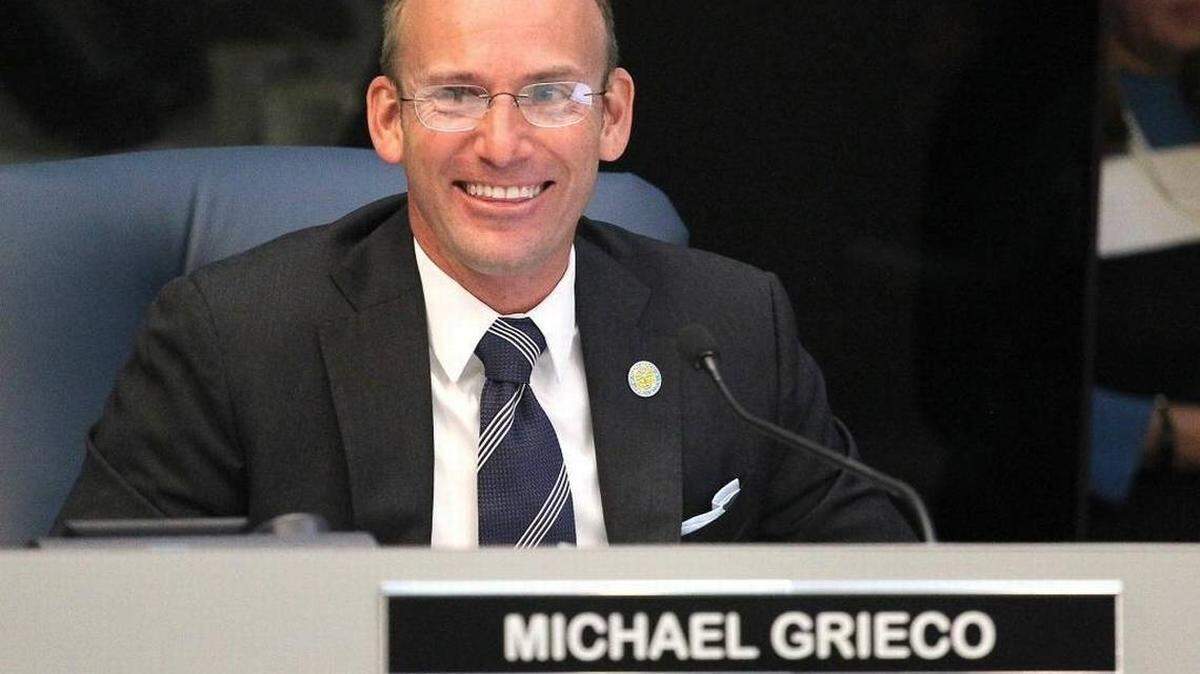
Florida Democrats’ effort to unseat Republican state Sen. Ileana Garcia hit a snag in June when state Rep. Michael Grieco dropped out of the race, forcing the party to find a new challenger to take on the Cuban-American Miami native and founder of “Latinas for Trump.”
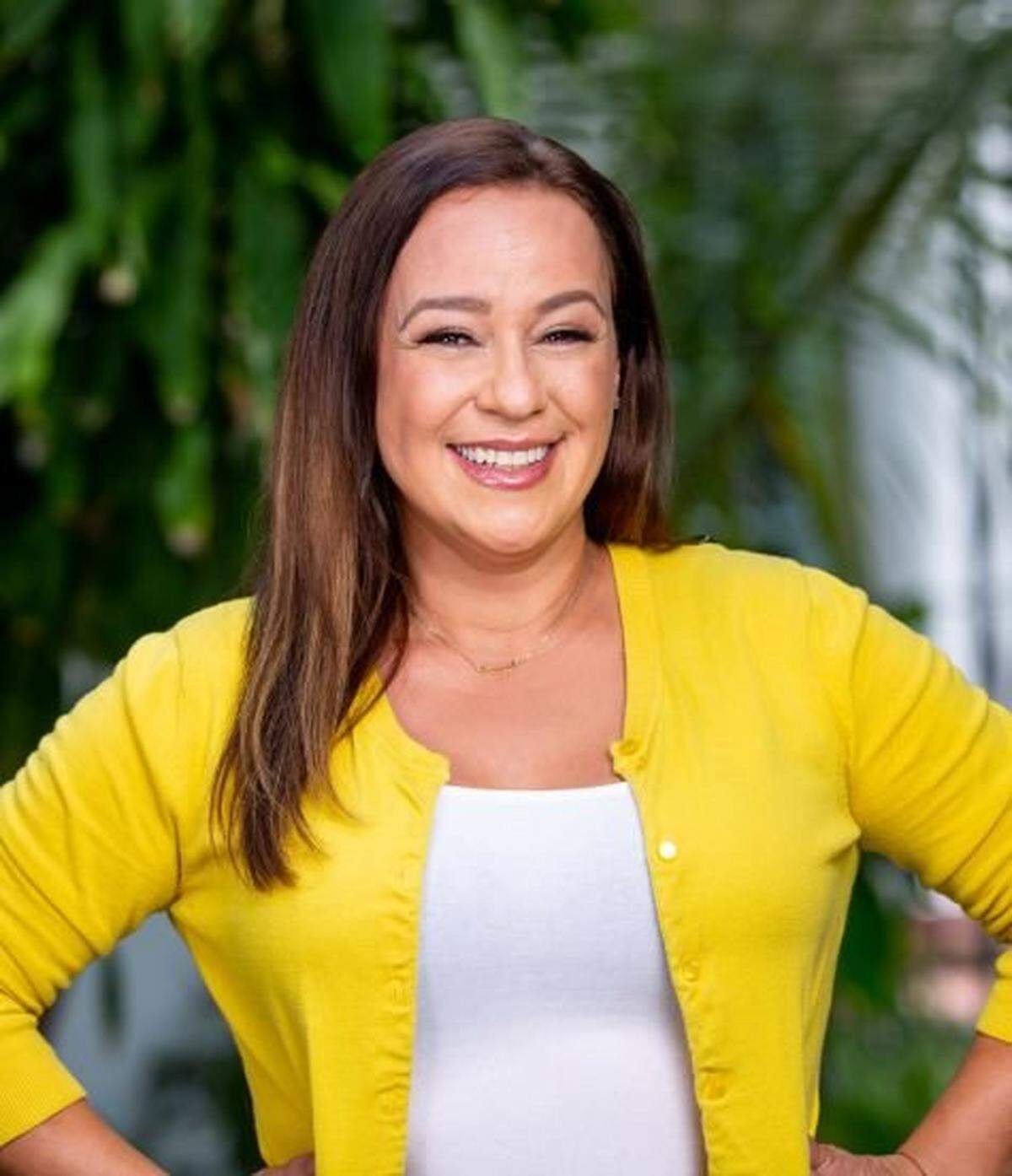
The party quickly landed on Raquel Pacheco, a small-business owner who has twice run unsuccessfully for the Miami Beach City Commission.
Pacheco, who owns a translation company and is the former president of local advocacy group Miami Beach United, hopes to represent a redrawn Senate District 36 that includes Miami Beach south of 41st Street, a large swath of the city of Miami, parts of Coral Gables and a western portion of Miami-Dade County that extends to Sweetwater.
READ MORE: The Herald’s Voter Guide
“There’s just too much at risk here,” Pacheco told the Miami Herald Editorial Board in late September about her decision to run, emphasizing her support for abortion rights and opposition to Garcia’s vote for Florida’s 15-week abortion ban. “I felt compelled to jump into the race and to fight for the residents.”
Garcia was elected by just 34 votes in 2020, a race that was later revealed to include a “ghost” candidate, Alex Rodriguez, who ran without party affiliation and has since pleaded guilty to his role in the scheme. Garcia has denied having any knowledge of the arrangement, and Miami-Dade State Attorney Katherine Fernandez Rundle has said there is no evidence to suggest she knew about it.
Since her election, Garcia — who previously worked in TV and radio and rose to become the Department of Homeland Security’s deputy press secretary under President Donald Trump — has consistently drawn the ire of Democrats for making insensitive remarks.
While defending Florida’s Parental Rights in Education bill in March — derided by critics as the “don’t say gay” bill — Garcia said: “Gay is not a permanent thing. LGBT is not a permanent thing.” She later apologized.
In an April appearance in South Beach, Garcia defended her vote against an exception for human trafficking victims in the state’s 15-week abortion ban by suggesting such victims who become pregnant and cannot have an abortion are more likely to be released by traffickers.
And in January, Garcia said “people should move on” from racism as she defended bans on the teaching of critical race theory in schools, adding that President Barack Obama’s election was evidence that what Black Americans experience is “not at all” different from what white Americans experience.
Garcia and representatives for her campaign did not respond to interview requests.
Past voting data from the redrawn district suggest Garcia’s seat should be hotly contested. According to a map from Matt Isbell, founder of MCI Maps and a Florida redistricting expert, 49.7% of voters in the district voted for Trump in 2020 while 49.5% voted for Joe Biden.
The district’s western areas lean Republican, including unincorporated Westchester, Fontainebleau and Flagami, but its more densely populated areas to the east are more Democratic, particularly in Miami and Miami Beach.
Nonetheless, Pacheco faces a daunting task — and not only because she launched her campaign just four months ago.
When Grieco withdrew from the race in June, he cited a lack of investment from the Democratic Party and the Florida Senate’s fundraising arm, Senate Victory. Grieco said his campaign would have needed about $5 million to have a chance against Garcia, but that less than $1 million was available.
“At least they were forthcoming that they just don’t have the resources,” Grieco said at the time.
Now, campaign finance reports show Garcia dominating the fundraising battle — raising about seven times as much money as Pacheco so far between their campaign accounts and political committees.
Garcia’s campaign has received about $725,000 in contributions since late 2020, reports show, while the PAC she chairs, No More Socialism, has taken in about $824,000. Garcia has leaned heavily on contributions from other PACs, trade groups and various corporate donors.
Pacheco’s campaign, meanwhile, has reported about $168,000 in contributions. A political committee that is supporting her has raised $50,000, according to reports.
Pacheco says she’s running a grassroots campaign while Garcia relies on television ads and big-money donations. Pacheco’s campaign has over 900 donors; Garcia’s has closer to 400.
“It couldn’t be more black and white,” Pacheco said in an interview this week. Garcia, she said, is “fully funded by special interests.”
Asked about Grieco’s decision to withdraw from the race, Pacheco told the Herald she believes poor polling numbers and the fact that Grieco is non-Hispanic played a role.
“People vote for their own,” said Pacheco, who is of Portuguese descent. “[The name] ‘Raquel Pacheco’ registers much better in a [heavily] Latino district than ‘Michael Grieco.’ ”
But Grieco, a state representative since 2018 who is now term-limited and has faced controversy during his tenure, insisted a lack of Democratic financial investment was the key factor.
“My current House district is over 50% Hispanic,” he said. “At the end of the day, you need institutional funding, and it just wasn’t there.”
Neither Garcia nor Pacheco faced an opponent in the August primary.
Democrat Lauren Book, the minority leader in the Florida Senate, acknowledged in an interview that investment from major donors to Florida Democrats has been lagging, perhaps reflecting a national perception that Florida is no longer a true swing state.
“It is no secret that our numbers aren’t what the Republicans have,” said Book, who won a hard-fought August primary against former Broward County Commissioner Barbara Sharief. “We are out-funded.”
As a result, she said, the party has picked “tough” candidates like Pacheco and focused on its ground game.
“We’re the ones that are out there — on the ground, in the communities, doing the round-tables, having conversations with donors,” she said.
Pacheco hopes those efforts will be enough to win over unaffiliated voters in Senate District 36 and deliver Democrats an upset victory.
“A lot of Democratic candidates have had to face those [financial] challenges,” she said. “If you’re a good candidate, you don’t need millions.”
Grieco isn’t so sure.
“Hard work only gets you so far,” he said.
This story was originally published November 1, 2022 at 10:45 AM.