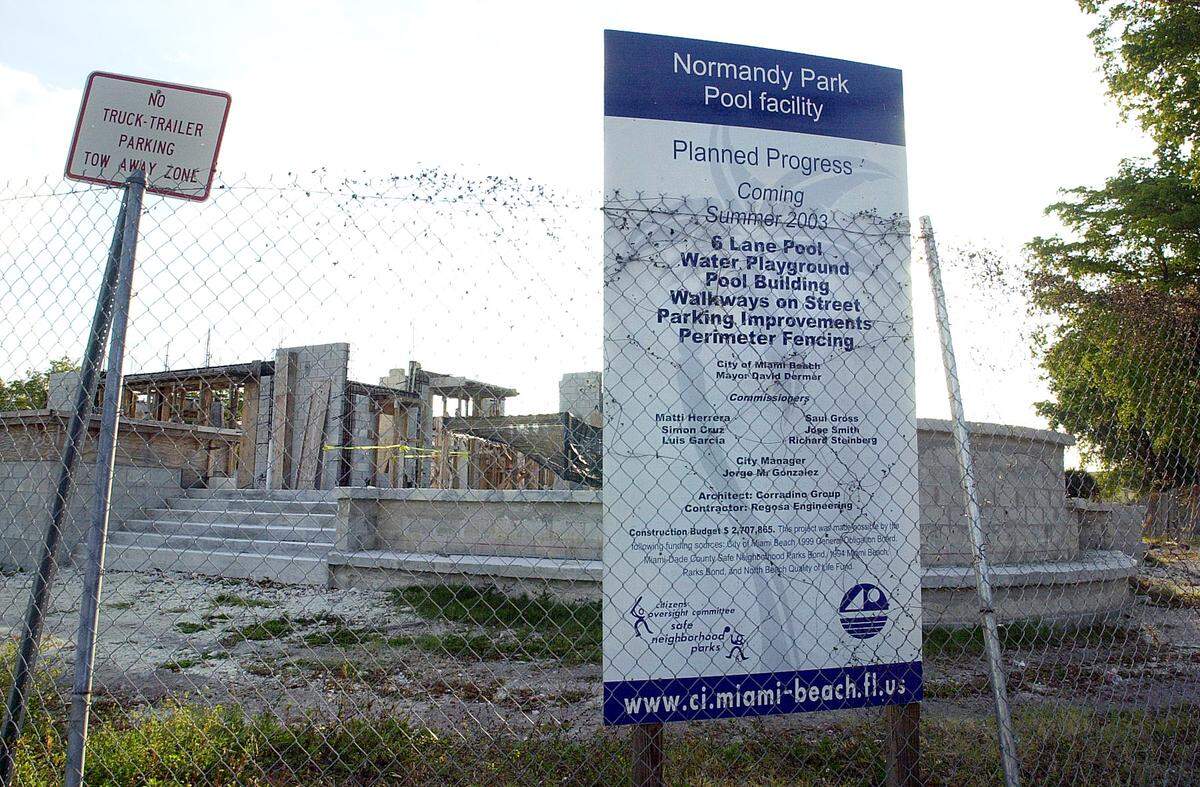
What was North Beach like in the 1980s and ’90s? There was change on the street
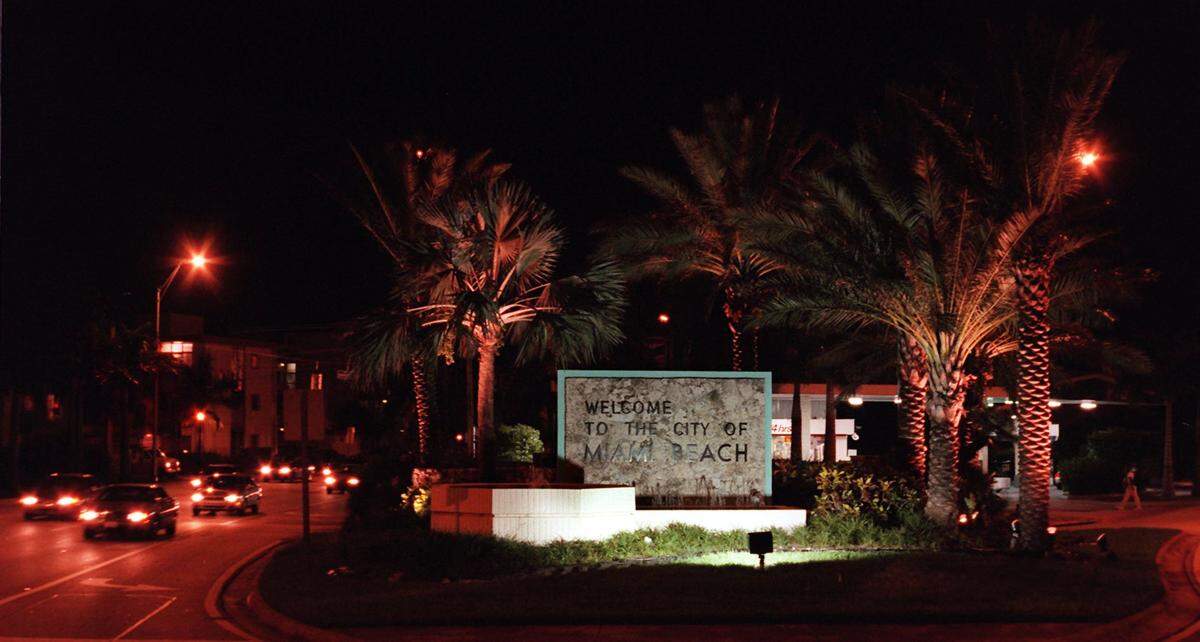
South Beach has changed through the years. So has North Beach.
Like its more famous other side, the northern slice of Miami Beach has gotten younger and more diverse.
North Beach started to boom after World War II, with Miami-Modern-style apartments, and houses along the waterway and golf course. Families moved in. Older people found their retirement heaven. The first businesses were traditional: newsstands, hardware stores, bakeries. Doctors and dentists.
But there was change coming.
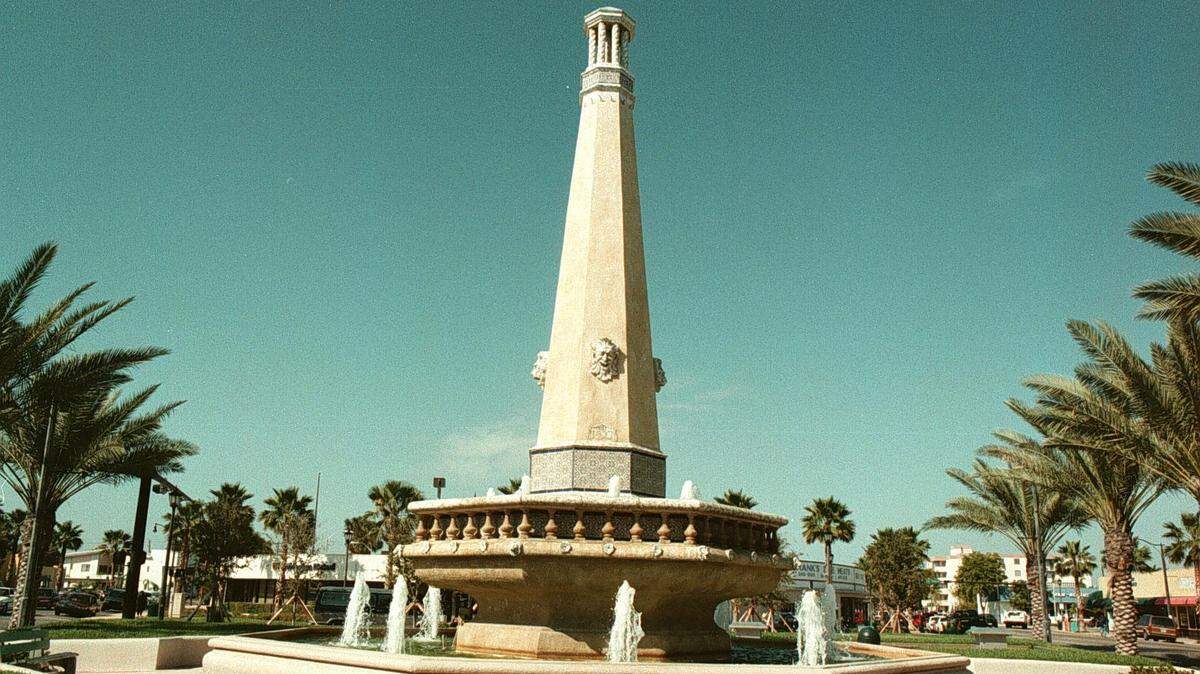
North Beach buildings started to decay. The community struggled with crime and poverty. Businesses moved out. Even the landmark fountain didn’t work.
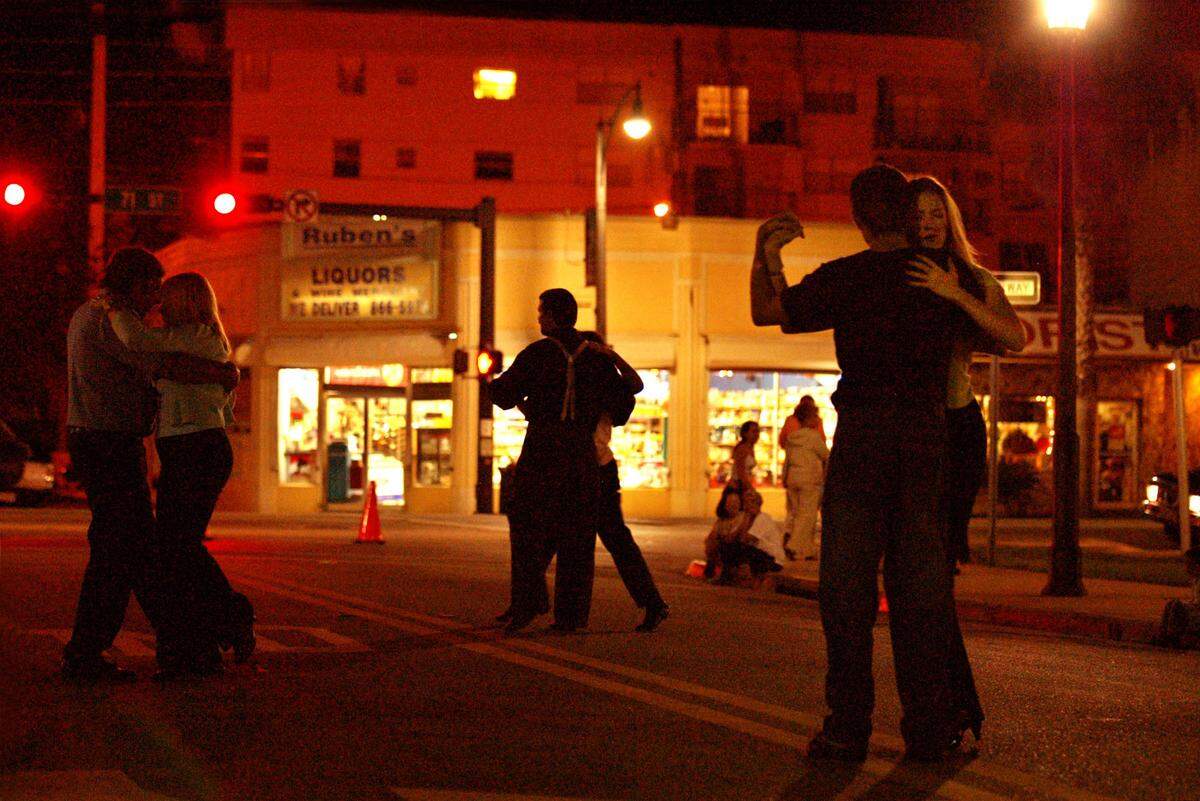
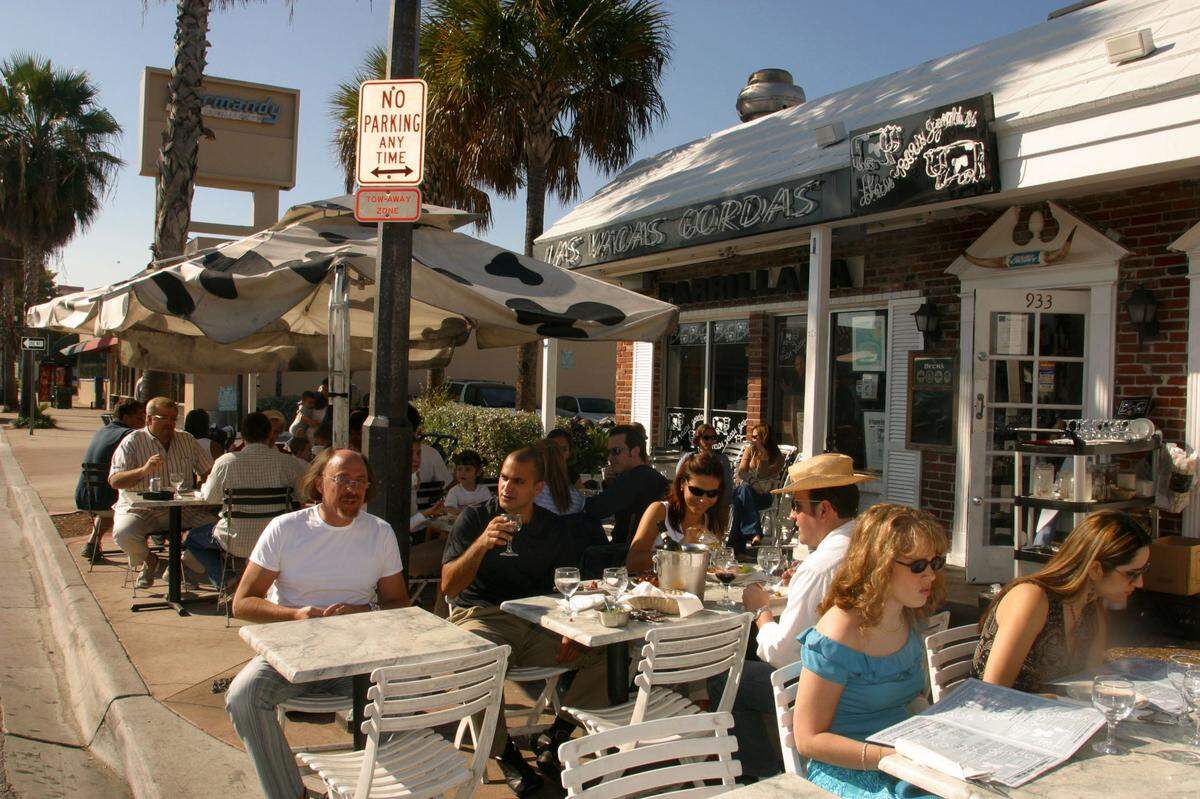
Over the past decade, North Beach has seen a renaissance. Renovated apartments. Young professionals. A historic bandshell buzzing with new music. Outdoor cafes. Changing flavors from Hungarian to Argentine.
And more development to come.
Let’s dig into the Miami Herald archives to see what North Beach looked like in the 1980s and 1990s, a pivotal time for the community.
READ MORE: Welcome to ‘real’ North Beach. Is the anti-South Beach finally ready for prime time?
Changes in the 1980s
Published Aug. 26, 1984
By Paul Shannon
Barbara Brooks - affluent and a longtime Miami Beach resident - wants to move her husband and children out of their waterfront home on Normandy Isle.
“I am strongly considering moving,” Brooks said. “It is not what it used to be. The whole neighborhood has gone downhill.”
Jean Claude Dar - poor and new to the city - is glad he moved into the one-bedroom Normandy Isle apartment he shares with his wife and two children.
“This neighborhood is so much better,” said Dar, who lived on the fringes of Liberty City for several years. “The police come when you call them. My children can play outside ... and the rents are the same.”
Brooks and Dar tell the story of change in Normandy Isle, an island neighborhood of waterfront homes and small apartment buildings just east of the 79th Street Causeway. The island, dredged from the bay in the 1930s because the city wanted a new golf course, once was considered among the most desireable and affluent of Beach neighborhoods.
Today, according to city census estimates, residents and city officials, the island is getting poorer and significantly more crowded. Crime is up, traffic is heavier and apartment buildings put up in the rush of post-war development are now showing signs of age.
“It is part of that whole trend in the north end,” said Sandy Patane, the city code enforcement officer who rides through the island each day investigating the ever increasing complaints of residents. “There are a few buildings that are in complete disrepair, and others with the normal wear-and-tear for their age.”
Owners of older buildings have drastically lowered their rents in the past several years, Patane said. In one building off Bay Drive, efficiencies go for as little as $150 a month. That opened the door for the latest change -- an influx of poor from Miami.
Normandy Isle was created as a haven from problems such as poverty. It was dredged from the bay in the middle of the 1930s Great Depression because city officials wanted hotels to have a second golf course to tout. Almost as an afterthought, the island’s miles of bayfront and canal property was parceled into waterfront lots when completed in 1941.
For decades, it remained untouched by the deterioration that plagued areas such as South Beach during the 1960s and 1970s.
“This was the greatest place then,” said Goldie Wasman, president of the Normandy Shores Homeowners Association.
Like Brooks, Wasman’s roots are on the island. It was easy to come back to it after she grew up and married, she said. She just pointed out the nice homes, the golf course, the community pool and the park to her husband.
“Where else do you find such an island?” she said.
The perception of general well-being shows up as late as the 1980 census figures. The 8,200 island residents enjoyed salaries well above the city’s mean annual income of $15,700. A majority, 55 percent, made close to $25,000.
Only a handful qualified for any public assistance. The affluent residents successfully blocked plans to build a 60-unit housing project on the island. It would drag down the neighborhood, they convinced city officials.
The same argument was used last year by King Cole condominium residents during an unsuccessful fight to stop plans for the Port-O-Call, an adult board-and-care home at 6891 Bay Dr.
Some Normandy Shores residents now are fighting to keep out another board-and-care home planned by developer Leon Rosenblatt for 80-90 South Shore Dr. Those residents, along with planning board member Arnold Goldman, say the home would conflict with the single-family home feeling of neighborhood around the golf course.
Today, the streets on Normandy Isle are dotted with “For Sale” signs. One waterfront home is listed for only $80,000. In other areas of the county, waterfront homes generally sell for well into the hundreds of thousands.
Apartment buildings also are for sale, relatively cheap. A 12-unit building at 1725 Calais Dr. facing the Normandy Waterway has been on the market for almost three years.
“No one wants to buy it,” owner Teofilia Kulyk said. She blames neighboring apartments that had been allowed to run down by absentee owners. Fed up with the unsightly street, her longtime tenants moved out.
“The old people saved up and bought condominiums,” she said.
Kulyk now has trouble getting $250 a month for a one- bedroom apartment. Most of her tenants are young black and Latin families with two working parents.
Normandy Isle merchants say the disappearance of longtime customers accelerated when Pantry Pride closed its 71st Street store in October.
Bob Liss, for example, said his walk-in business at Sam Frank’s Prime Meats has fallen almost 40 percent.
“We need a grocery store to bring the shops back,” he said.
The neighborhood’s problems, which city officials say is similar to those throughout the Beach’s north end, surfaced at the Year 2000 meetings held at Normandy Shores Golf Course during the past year. So far, the city has no concrete plans for the future of Normandy Isle except that it remain low-density residential.
At the meetings, in phrases heavy with racial undertones, residents complained bitterly of the flight of traditional tenants and the influx of people they said were tearing up the buildings.
Their solution: Keep out the “people from Miami.”
No one would say it directly, but some island residents seem to link the problems with increasing number of blacks city officials said are moving onto the island.
“I think that a bunch of problems have happened,” said Wasman, who said she plans to stay on the island. “I could give you the reasons, but they don’t look good in the newspaper.”
Though figures are sketchy, Beach planning and housing officials say Jean Claude Dar is typical of the new wave of island residents. Dar said he began shopping for apartments after his house near Liberty City was burglarized. Normandy Isle apartments offer greater safety for about the same price, he said. It also offers closeness to job opportunities, which he said attracted many of the young families sharing one-bedroom apartments in his complex.
“I want to get a hotel job,” Dar said.
Until then, Dar and other renters such as Maria Lopez, a tenant in an old apartment on Bay Drive, said they may apply for rent subsidies. Such requests from Normandy Isle are way up, said Murray Gilman, director of the Miami Beach Housing Authority. He estimated the number of renters who already receive subsidies in the hundreds. Lopez, who moved to the island from Hialeah several months ago, said she heard about the low rents from friends.
“We pay $150 for this room,” she said, opening the door on a neatly kept efficiency facing the bay.
The same room overlooking a street in Hialeah would cost $350 a month, she said.
“There is no traffic or noise here,” she said. “This is definitely a step up.”
Grocery fallout
Published Oct. 13, 1983
By Dory Owens
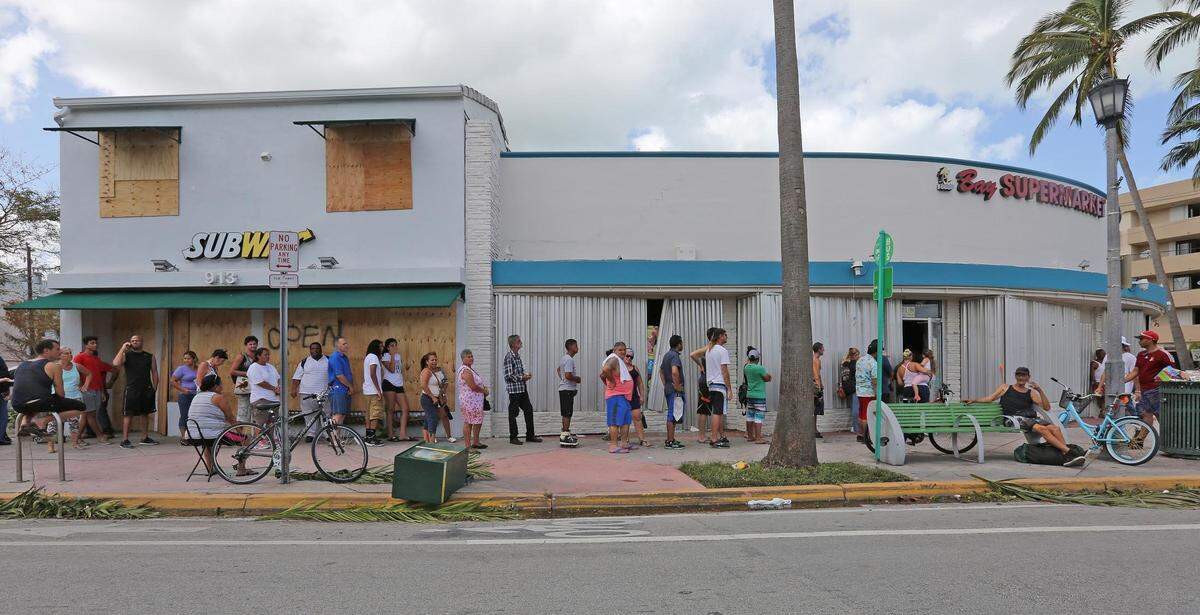
The sidewalks of the Normandy Drive commercial district, once bustling with traffic at noonday, are now nearly empty.
Since Pantry Pride closed, many residents have taken their business to one of its surviving sister stores in North Bay Village or to Publix at Collins Avenue and 69th Street.
But North Bay Village is 1 1/2 miles west and Publix is a half mile away - a trek for the mostly elderly residents of the Normandy Isles neighborhood, many of whom don’t drive.
Tillie Eiferman, who lives a block from the empty Pantry Pride store at 969 Normandy Dr., carpools or shares cabs with friends these days when she does her marketing.
“It’s sadly missed,” said Eiferman, 58. “We’re not youngsters here.”
On Fridays, she generally shares a cab with four friends and each pays $1.30 for the fare. It’s not much Eiferman says, but it’s $1.30 more than she used to pay.
“A bus or a cab would be too expensive,” said Carol Lesser, another former Pantry Pride patron. Lesser, 86, uses a cane to walk (“I feel steadier with it”) and crosses Normandy Drive each week to shop at one of the small markets in the area.
While some merchants have gleaned customers from Pantry Pride’s corporate decision to close 17 of its 24 stores in Dade County Oct. 1, most look anxiously toward the shiny white store, windows papered and shelves bared.
On Miami Beach, four of eight stores have closed, including the kosher market at 1845 Alton Rd.
“This store is closed permanently,” signs in the windows of the Normandy Isle store read.
“We need that store,” Rose Katz, part owner of Josef’s Bakery across the street from the store, said Tuesday. Katz said that since the store closed, her business is down 40 per cent.
Gary Burwick, owner of the nearby Home Mart, described his business as “Disgusting. Not good.”
“They used to go to Pantry Pride and the newsstand and the bakery and come here. But they’re not going to Publix or to North Bay Village and then come here. They just don’t bother,” Burwick said.
There are rumors along Normandy Isles’ commercial row that Pantry Pride didn’t mean it, that the chain will reopen the store, one of four of its least profitable outlets to close on Miami Beach.
But, said chain spokesman Judy Napier, “There are no plans to go back in there. Pantry Pride will sell it.”
There is talk of Publix or Winn Dixie or Grand Union buying the building.
“We don’t have any intention of doing that. The building isn’t adequate to do business,” Publix President Joe Blanton said from Lakeland Tuesday.
Blanton added that since Pantry Pride closed its stores, business at the Publix at 69th and Collins has grown. The company is almost finished with an expansion that will double the size of the store, a project planned before the Pantry Pride announcement.
Winn-Dixie also considers the store too small for its purposes, according to spokesman Leonard Stephens. Grand Union refused comment.
A pivotal time
Published Aug. 1, 1983
By Michael Kranish
For 45 winters, Ruth Ciemer, 87, stayed in the White House Hotel in South Beach. In 1975, she moved “uptown” -- to North Beach.
The Coral Apartments seemed ideal, tucked in the middle of dozens of tidy two-story garden apartment houses. It was away from the deterioration of “downtown” South Beach. It was near shopping and still within her much-loved city.
“I like it here very much,” she said, boarding a Senior Ride bus to a hot-meals program. She is one of 10,000 residents who live between 65th and 86th streets east of the Tatum Waterway.
But now Ciemer’s beloved uptown is getting some of downtown’s problems. It is getting poorer and more crowded. City planners say it is a neighborhood that is out of control: its haphazard development pattern allows homes next to apartments that are next to giant condos. And the 60 unit-per-acre maximum density is higher than allowed in most cities, though below Miami Beach’s maximum of 125 units.
“It has destroyed the scale of the neighborhood,” former Assistant City Planner Bob Banks said about lax zoning in the area. “It may be beyond saving at this point.”
Mayor Norman Ciment disagrees: “I don’t see anything wrong with North Beach. I don’t know what you’re talking about.”
City planners said they see North Beach as a half-square- mile neighborhood in the midst of change. It is an area where 62 percent of the residents are renters, 61 per cent are elderly and 20 percent live below the poverty level. It is where the mix of buildings - old and new, small and large - has city officials worried about the future of North Beach.
City Planner Sandy Youkilis said the problems of North Beach - overbuilding and little greenery - can eventually be overcome with stricter zoning policies and major public investments.
But the area’s major developers - Dov Dunaevsky, Gilbert Sans and architect Oscar Sklar - said North Beach’s two-story apartments will be replaced with mid-rises. Sklar wants high- rises. So does attorney Harold Rosen, who represents several oceanfront property owners.
But the City Commission has lately indicated that it won’t allow denser development. It turned down Rosen’s request last year to rezone North Beach’s Collins Avenue property to 125 units per acre.
“I think that’s the direction the commission wants to go in,” Youkilis said.
Nonetheless, city planners said they haven’t decided what should become of North Beach. The neighborhood has no visible spokesman.
So, as part of its planning process, the city is going to the people.
On Sept. 13, city administrators will hold a first-of-its- kind town meeting in North Beach. Similar public hearings will be held in the city’s other nine “neighborhood planning areas” from now until February. North Beach’s 7 p.m. meeting will be at the 71st Street North Shore Community Center.
City officials have two goals for each hearing: Find out how residents want their neighborhoods to look by the year 2000; find out what public-improvement projects taxpayers are willing to fund in a November 1984 bond referendum.
In 1931, while South Beach was booming, North Beach had a few houses surrounded by dense pine and palmetto.
When World War II ended, the demand for development erupted in economically priced North Beach. The neighborhood got the latest fad: lots of 10-unit apartments with air conditioning on one-seventh-acre lots.
Many were built for the automobile. There were motels instead of hotels, parking lots and wider streets instead of parks. The neighborhood was Miami Beach’s contribution to post- World War II suburbia.
As South Beach deteriorated during the 1960s and 1970s, North Beach attracted a new kind of resident. South Beach winter- and full-time residents fled the southern tip and settled in North Beach.
The 1970s also saw developers such as Dunaevsky and Sens build five-story condominiums throughout North Beach. Middle- income Jewish retirees quickly filled them.
But the recession and condo glut of the last two years has put North Beach on hold; no major development since 1981.
Developers are again waiting for a backlogged demand for reasonably priced housing to create another development boom in North Beach.
“You have a beautiful undeveloped beach area there with the
North Shore Open Space park,” said developer Sens. “You’re going to see those garden apartments> bought up and the land developed.”
Added Dunaevsky: “The people who buy condos up there are all local people. They are the people who used to live at 10th Street and Euclid Avenue in South Beach.”
But architect Norman Giller, who designed many of the two- story apartments, said that allowing high-rises will only further the neighborhood’s decline. “I think it should remain two-story in character,” Giller said, although he doubted that would happen.
To some North Beach residents, the talk about the future is meaningless. They are concerned about the neighborhood they live in today, the neighborhood that city planners consider on the brink of change.
To the south is the Concrete Canyon, to the north is Surfside. To the east is a 10-block section of North Shore Open Space Park and 18 oceanfront homes built in the 1940s.
To the west are two island neighborhoods, affluent Biscayne Point and Normandy Isle, which has homes on the north side and many deteriorating apartment houses on the south side.
Squeezed between these neighborhoods is North Beach. Aside from the oceanfront area, there are few parks, little open space and little landscaping, Youkilis said. That is one problem with North Beach, he said.
Another is zoning. A walk from block to block tells it best. On some blocks, such as the area around Byron Avenue and 73rd Street, there is a cohesive collection of 1940s two-story apartment houses. On other blocks, such as the nearby intersection of Carlyle Avenue and 71st Street, there is a mix of low-rises and high-rises.
Annual family incomes are the same way: From block to block, they change from $5,000 to $14,000 to $25,000.
Demographics has the same mix, too: Almost 0 per cent Hispanic in much of North Beach, then, a block away on Biscayne Point, more than 40 per cent Hispanic.
Some say the disparities have created a polyglot melting pot that is tearing apart the neighborhood.
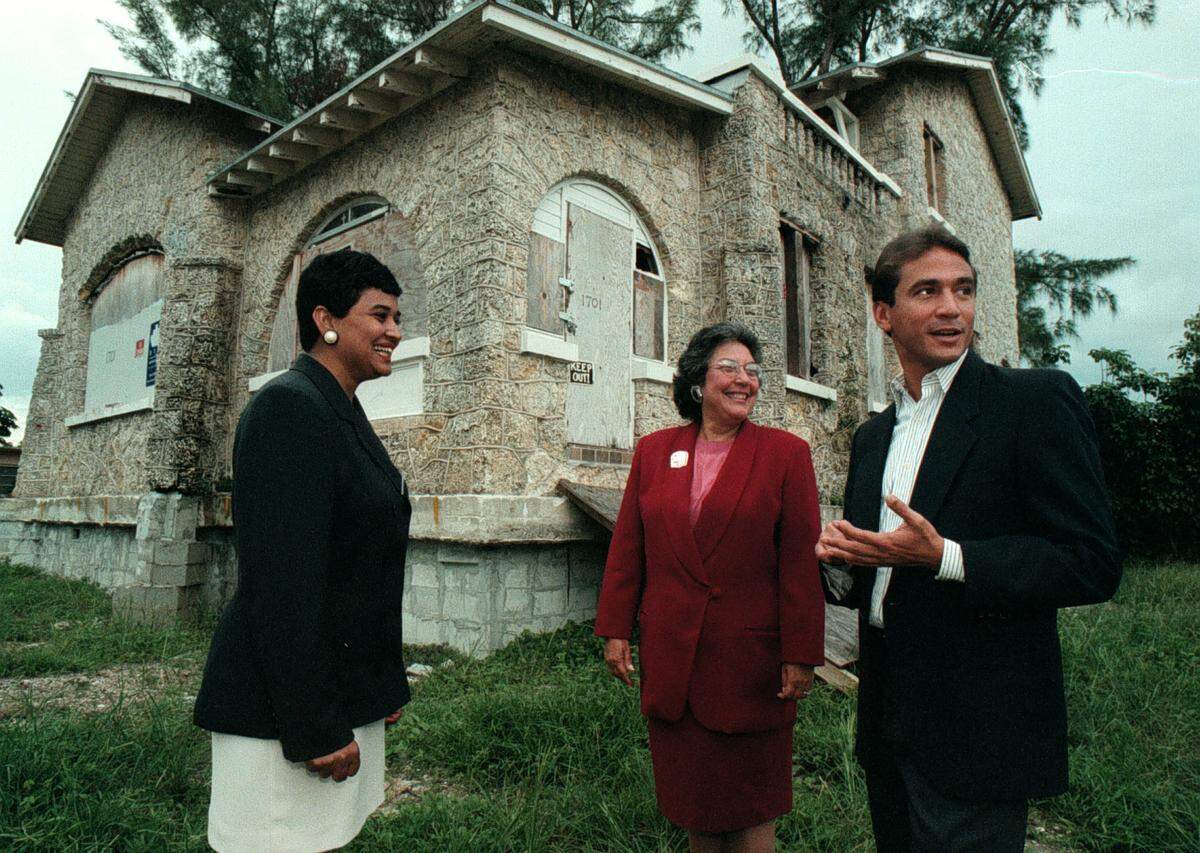
“This isn’t really a neighborhood,” said Sara Giannilivigni, 28. She rents a 1920s-era coral rock house on busy Collins Avenue, one of the oldest houses in the neighborhood. “I’ve been here three years and no one has ever said hello to me. I don’t know anybody. My house has been broken into five times. We all just happen to live in the same area.”
The Canadian owner of her house, she said, has been waiting for the city or a developer to buy the landmark home. Like many, the owner has been waiting for a decade for a buyer.
Others said the neighborhood, with its convenient shopping and houses of worship, is ideal.
Many residents echo Abraham Goldenberg, who lives in a typical green-and-white garden apartment. “Forget about South Beach. We love it here in North Beach. It’s nice, it’s quiet, there’s shopping nearby, the climate’s wonderful. What more do you want?”
Then there’s Barry Bolotin, owner of The Chef’s Pantry and Deli on the neighborhood’s main street, Collins Avenue between 71st and 73rd streets. He says property owners don’t take care of the area. He shows a visitor where dozens of vagrants sleep behind his deli.
“The city doesn’t do anything about it,” he complains. A block to the east, the old oceanfront hotel strip of Ocean Terrace, has an unhappy collection of empty hotels, such as the block-long Blue Waters.
One exception is neighboring Art Deco Olsen Hotel, which has been renovated into a hotel/condo.
Perhaps the future pattern of the way the city intends to deal with North Beach can be seen in the case of the Blue Waters Hotel. It is one of the most deteriorated buildings in North Beach.
The 140-unit building is empty and home to vagrants. The owners, who live in Chile, have been fined by the city in an attempt to get the property cleaned up, according to the owners’ attorney, former Mayor Harold Rosen.
Rosen said the owners want to rehabilitate the building, but the city is insisting on at least 140 parking spaces -- at a cost of $7,000 each. The owners can’t afford it, Rosen said.
So now the owners have a new solution: increase the maximum zoning to 125 units from 60 units. “That’s the only way to make it economical,” the former mayor explained.
That’s the way Collins Avenue was developed and the way North Beach exploded.
Will the block get rezoned, setting a higher-density precedent for the rest of North Beach?
“You’ve got to have progress,” Rosen said. “You can’t stop it. The way to improve that area is to allow them to build it up.”
‘It’s a little shabby’
Published Nov. 23, 1986
By Christopher Wellisz
When Zena Nittel took over as manager of an apartment building on Bay Road in Normandy Isle two years ago, drug dealing in the building was rampant.
“The apartments were trashed,” Nittel said. “The people from the power company and the telephone company used to come in with hard hats.”
Nittel quickly got an education in eviction procedures. “We just threw everyone out and started over. They had the SWAT teams in here and everything. It was awful.”
Now, she says, the tenants are young working people. The building still looks shabby, but Nittel is slowly refurbishing the apartments. “I don’t promise tenants a rose garden,” Nittel said. “We do what’s humanly possible.”
Normandy Isle, once-tranquil haven of middle-class comfort off the 79th Street Causeway, is slowly coming to grips with big-city problems. It is a neighborhood balanced on the edge between hope and despair.
Two years ago, homeowners panicked by the influx of younger, less-affluent residents - many of them Black and Hispanic - were ready to flee. Stores were closing down. Apartment buildings were crumbling.
Nancy Loring said she first started to notice the changes in her neighborhood about five years ago.
The small apartment buildings to the east of her home on Fairway Drive went to seed. Paint peeled and weeds sprouted. Dumpsters overflowed. Beat-up old cars cluttered the streets.
“Trucks were parked there,” said Loring, an 18-year resident who sells antiques. “I see people fixing their cars. They use it as a car lot. I wouldn’t walk there, I could tell you that.”
To longtime residents of Normandy Isle’s neatly kept single-family neighborhoods, the apartment buildings are a source of constant irritation. They remember the days when the buildings were filled with quiet retirees who kept to themselves.
“We’re not used to seeing the people working on their cars in front of their apartments,” said Larry Eiglarsh, a real estate broker. “It’s a little shabby.”
Still, many have come to accept the changes. “We became like New York,” said Millie Wasman, president of the homeowners’ association. “You had to get used to the idea that a block away, it was a different kind of neighborhood.”
To those who live in the apartments, Normandy Isle, with its low rents, waterfront location and relative tranquility, is a choice destination.
Javier Pagan, a 26-year-old busboy at Mike Gordon’s, the seafood restaurant across the causeway, moved to Normandy Isle from Northeast Miami. “It’s nice and quiet,” he said.
Terry and Monica Sloan, recently married, moved to an apartment building on Bay Drive, overlooking Indian Creek, from Louisville, Ky. He was unemployed and figured to get a job in Miami.
The Sloans pay $300 a month for their one-bedroom apartment. Terry, 27, sells fishing tackle at Haulover Pier. Monica, 22, works at the snack bar. “If I ride a bus I’m only 15 or 20 minutes away from work,” Terry Sloan said. “Whenever we want to go fishing, we can just go out behind the house.”
Normandy Isle, dredged from the bay bottom, is an egg- shaped island divided by a waterway. The more densely populated south half was developed starting in 1926. The north half, with a narrow perimeter of homes surrounding the Normandy Shores Municipal Golf Course, was platted in 1939.
From the start, it was a middle-class Valhalla, a secluded waterfront community with a small-town feel. Many of the homes were built as winter retreats.
Retirees filled the apartments that dominated either end of the island. Residents dropped off their dry cleaning and picked up groceries at the small shops on 71st Street and Normandy Drive, the area’s two-pronged main street.
“I have a fabulous life style,” said Barbara Brooks, a 30- year resident who lives a block from the golf course. “I have a boat and I have a pool. I have a hot tub. I have a back yard.”
Unlike some of the Beach’s more secluded island neighborhoods, with their guard gates and single-family homogeneity, Normandy Isle was unable to keep change at bay. It was fueled by economic trends that affected the entire city.
As tourism slowed in the late 1970s, major stores began to close, said the city’s director of economic development, Stuart Rogel. In 1983, Pantry Pride shut two stores -- one on Normandy Drive, the other on Collins Avenue.
“When those two stores closed, the commercial area really lost its base,” Rogel said. “The decline in the commercial area made it a less-attractive neighborhood to live in.”
Today, Normandy Drive and 71st Street are lined with empty windows and shabby storefronts. “No self-respecting merchant would move into some of the places we have,” said Saul Grossbard, president of the Normandy Isle/71st Street Business and Professional Association.
Up and down the street, store owners still talk about the good times before the closing of the Normandy Drive Pantry Pride store.
“We had a lot of people in here,” said June Epstein, owner of the Pandora Gift Shop, across from the vacant grocery store. “It was in and out, in and out, every single day.”
Nowadays, the store is quiet. To survive, Epstein was forced to switch to a delivery business, filling orders for baskets of candies and gourmet foods for customers in Bal Harbour and elsewhere.
Epstein did well enough to remodel the store last year. “We gambled and I think we succeeded,” she said. “But it was hard work.”
As elderly tenants moved out, they were replaced by younger families. Some came from South Beach, pushed out by the city’s campaign to close dilapidated buildings.
Pantry Pride closed six months after Grossbard, a retiree from Connecticut, bought a small apartment building on Brest Esplanade. At the time, he had six tenants who were 75 years old or older, Grossbard said. Only one is left.
Grossbard says he has maintained his building and has been able to keep rents, and occupancy, high. But the story is different with most landlords.
Citywide, the apartment vacancy rate is 9.8 percent, according to a July housing survey by the Beach Planning Department. In Normandy Isle, the figure is 14.1 percent. In the North Shore area as a whole, vacancies have been rising in the past two years, the study says.
With rent rolls falling, landlords put off repairs to their buildings. Some blamed destructive tenants.
“The owners - they just don’t want to spend any money on these places,” said Fred Nittel, who helps his wife, Zena, manage the two Bay Drive buildings. “But look at it from their side. Why spend $5,000 in a place like this if it’s going to be wrecked in two weeks?”
In the lobby of the three-story building at 7149 Bay Dr., the owner has posted a strict set of rules.
ule No. 3: “No overnight guests in efficiency apartments.” Rule No. 12: “Absolutely no loitering or congregating in front of the building.”
Rule No. 14: “All people who have been asked to leave must not be seen on the premises. Police will be notified!”
Two years ago, Manager Gino DiPietro found himself evicting tenants en masse. Now, he says, “We’re careful. Although we get poor people, we get good people.”
Crime has been rising. From 1981 until 1984, the number of serious crimes in Normandy Isle went up 53 percent, with the biggest jump coming in 1985, according to police statistics. In the city as a whole, the increase was 12 percent.
“Most of my neighbors have bought dogs,” longtime resident Brooks said. “Not only dogs, but big dogs. They have sent these dogs to attack school. And yet they have never had a problem.”
There are also signs of hope.
The merchants association, headed by Grossbard, has begun to press the city for better code enforcement and police protection. Next month, the city will start a commercial revitalization program, offering $130,000 for facade improvements.
A new 32-unit building, the Bay Plaza Condominium, was completed early this year. About half the units, priced at between $50,000 and $75,000, have been sold, said developer Gilbert Sens.
On Normandy Drive, developer Isaac Sklar is building 77 units of rental apartments geared toward a middle-income market. “I think people want to live in the area,” Sklar said. “It has many points in its favor. Hopefully with more new buildings, the entire area will recover.”
alling real estate prices may encourage renovations, brokers say. One of the area’s newest landlords is Lester Allen, a retired firefighter from Queens, N.Y.
Allen and his wife, Amelia, bought an eight-unit building for $285,000 a year ago, and they have since invested $14,000 in renovations. Last week, they were building a new deck behind the waterfront building.
Lester Allen, who once headed his homeowner association in Queens, has hope for Normandy Isle. “If the responsible people in this area want to enhance it, then they ought to do what’s necessary,” he said. “The time for hand-wringing is over. It’s time to roll up your sleeves.”
The same feeling prevails among some of the old-time residents, Wasman said. “The time has come where people on this island have to decide, ‘Am I going to pump some money into the area or should I go someplace else?’ “
Said Nancy Loring: “The feeling that I have is that you want to pick up and you want to run. But then there’s the question, where do you run to?” Brooks has listed her house for sale, yet she hesitates to move. “We really do not want to put up the sign because that’s like saying, ‘I give up.’ “
International flavor
Published Jan. 12, 1992
By Nancy San Martin
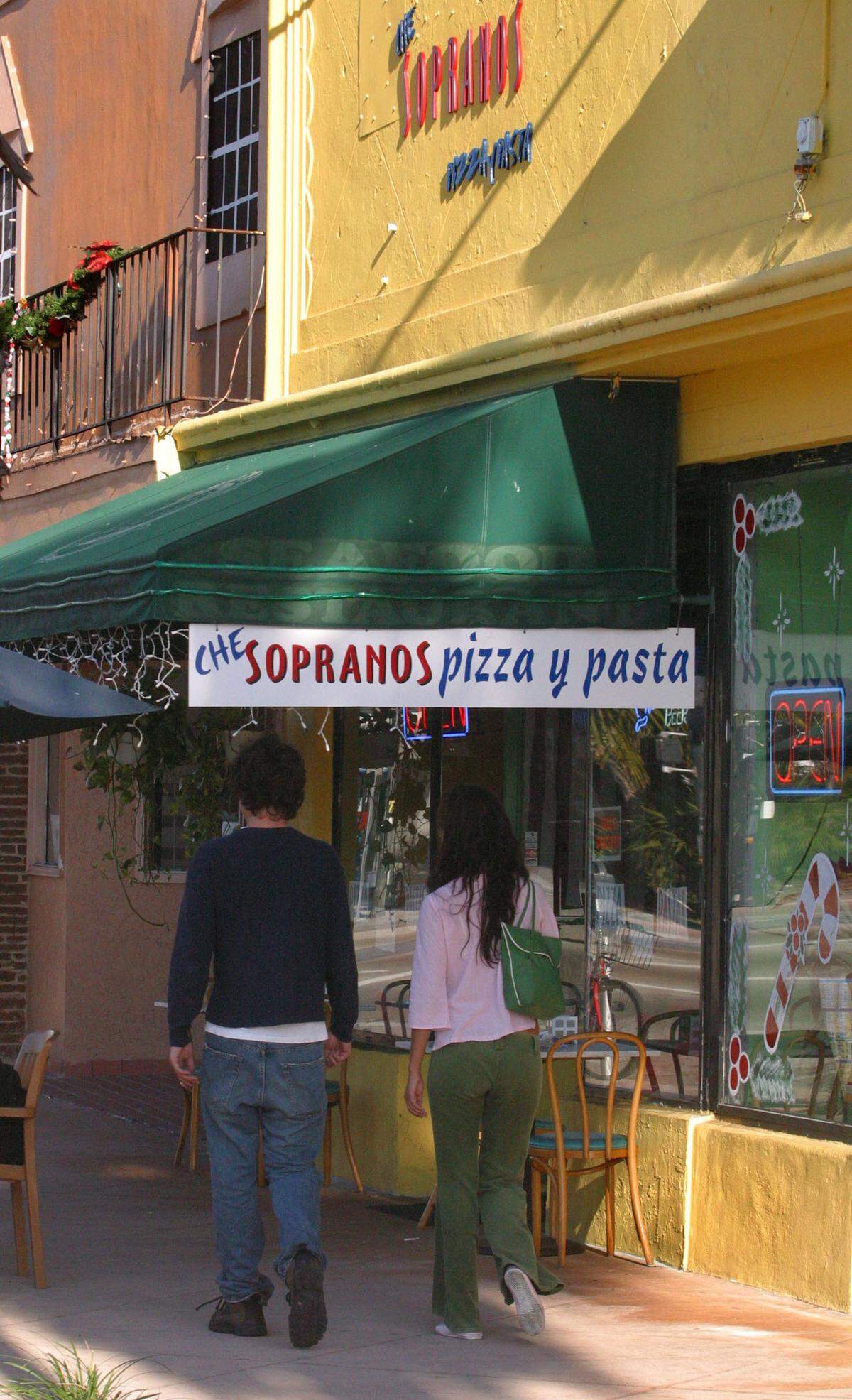
Something very Hungarian is happening in Normandy Isle.
The Miami Beach neighborhood is becoming a hub for Hungarian-owned establishments, which offer treats that are as rich in culture as they are in calories.
The treats can be found in a bakery, restaurant and delicatessen - all in the commercial strip of Normandy Isle.
The newest establishment is La Paprika, which opened Dec. 21. The deli offers a slew of unusual European items, such as Hungarian salami, bacon, sausage and cheese, an assortment of coffee beans, natural fruit preserves from Yugoslavia and French cordials in 17 flavors.
Szilard Helfy and George Veres, natives of Hungary, moved from New York to Miami Beach in November to open their business.
Helfy, who ran a similar store in New York, said he and his partner decided to open the shop in Normandy Isle because of the two other Hungarian spots already established: Budapest Continental Restaurant and Josef’s Pastry Shop.
The area was missing a specialty food shop, Helfy said.
“These kinds of shops are popular in Hungary and in New York,” Helfy said. “This shop is open for bakers and chefs . . . and home cooking.”
Other items at La Paprika include Hungarian pasta, pastry and chocolates, herbal teas from Yugoslavia, jams from Poland, French mustard, exotic fruits in syrup, caviar, anchovies, pate, ground poppy seeds and walnuts, a choice of 80 spices and a newspaper printed in Hungarian and English.
Most customers are natives of Hungary and other European countries who visit the area or live in Miami Beach and nearby communities, including Bal Harbour, Surfside and North Bay Village. The size of the area’s Hungarian population is uncertain. Census figures based on national origin have yet to be tallied.
Like Helfy, Jozsef Czabajszki, owner of Budapest Continental Restaurant, also came to Miami Beach from New York to open his business.
His wife, Elizabeth, had worked in the restaurant at a Hungarian, German and Polish Jewish social club in New York for 26 years.
They were confident a restaurant here would be successful.
“We knew the Hungarian population was here because the same people that belonged to the social club in New York own condos down here,” Czabajszki said.
The restaurant, open for dinner, offers a mix of dishes such as a Hungarian goulash, $9.95, and veal Francaise, $13.95. Imported wines and beers are also available. Dinner is complemented with live Gypsy music.
Czabajszki said he has been getting more and more Hungarian customers since he opened the restaurant a year ago.
“It seems like we’re having a little bit of an explosion in the Hungarian population,” he said.
Josef’s Pastry Shop, which has been open 40 years, specializes in Hungarian, Jewish and French pastries such as epis, a spiky variation of French bread, and poppy-filled strudel.
Leslie Juhaz, who has lived in Miami Beach for 15 years, used to travel to Hollywood for Hungarian products. On Monday, he decided to give La Paprika a try.
“I heard this is the place to come if you want to buy Hungarian sausage or whatever,” Juhaz said. “It is hard to find these things.”