
Miami Beach rejects beach-opening plan, but new COVID testing site gives leaders hope
Until sufficient testing and contact-tracing capabilities are available in Miami Beach, even a partial reopening of the city’s beaches and its economy will not happen, city leaders have said.
But a new state-run coronavirus testing site set to open in the city’s convention center has given them hope that a gradual economic recovery can be achieved sooner rather than later, with beaches anticipated to reopen in June at the earliest.
The site, which will accept walk-up and drive-thru appointments, will open May 8 and give city leaders a better sense of how the virus is spreading. It’s part of a reopening plan that officials have said must require increased testing and contact tracing, along with a steady decrease in positive cases.
Testing is free to anyone 18 years or older, or children accompanied by a guardian, regardless of COVID-19 symptoms. No appointments are required.
“This could turn into a very critical piece,” City Manager Jimmy Morales said. “Hopefully this will be a location that we can actually get those [testing] numbers up and be proactive as we work with the private sector in terms of opening up.”
The City Commission on Friday unanimously rejected a proposal from Commissioner Ricky Arriola requesting that Miami-Dade County open the city’s beaches after hearing recommendations from a University of Florida epidemiologist and member of the city’s newly formed health advisory committee.
Arriola, who said the economic shutdown is becoming its own health crisis, said the city needs to “bite the bullet” and reopen its economy as soon as possible, instead of strictly following guidance from “a bunch of doctors who are Doomsday guys.”
“We do not have the luxury of time to wait for a vaccine or a medical breakthrough,” Arriola said. “We’re going to be stuck in limbo until somebody makes a decision that we’re going to reopen.”
Beaches across the county have been shut down since March 19, following an emergency order from Miami-Dade Mayor Carlos Gimenez. Cities cannot reopen beaches or sectors of their economy without the county acting first.
Also, Miami Beach Mayor Dan Gelber said his legal staff has informed him that the city is prohibited from opening its beaches for residents only.
Gov. Ron DeSantis announced last week that he would be allowing local municipalities across the state, except in Miami-Dade, Broward and Palm Beach counties, to reopen restaurants and retail stores at reduced capacities. Last month, he gave cities and counties the OK to reopen their beaches when safe to do so.
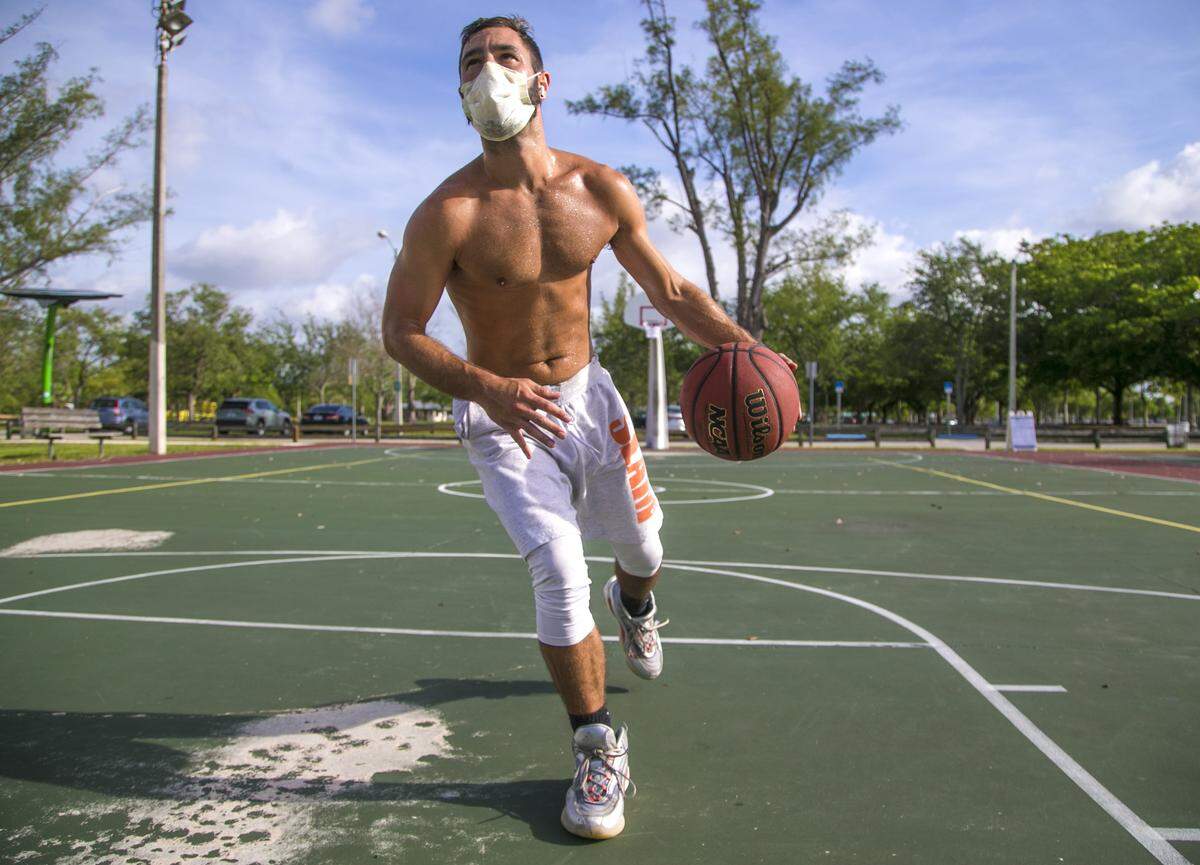
Parks and boat ramps reopened countywide April 29.
“This at its root is a healthcare crisis, even though it has created an economic crisis,” Gelber said earlier Friday morning in an interview with CNN. “We can’t just decide that it’s too much and we’ve got to let people come back because then we’ll see precisely what we didn’t want to see, which is a new spike, more deaths and something we really can’t control.”
Dr. J. Glenn Morris Jr., the director of UF’s Emerging Pathogen Institute, told commissioners Friday that “optimistic” estimates predict less than 10 percent of Miami Beach’s residents have been infected by the novel coronavirus, meaning 90 percent or more of the population remains vulnerable to exposure.
The virus has predominantly affected those 65 years and older, with 83 percent of Florida’s cases reported in that age group, Morris said. As of Friday, the state had 34,728 confirmed cases, including 1,038 additional cases reported that day. That daily total was the highest reported in two weeks.
“If we totally stop the interventions that we currently have in place, totally open it up, I think there is universal consensus in the scientific community that we’re going to see ... what’s been called a second wave,” Morris said. “The virus is still clearly present in the community and there clearly is ample time for it to take off.”
He recommended that the city strike a balance that allows some economic activity to resume without overburdening the medical system with a spike in new cases.
“I think the tricky part is going to be threading the needle so we allow the economic activity while at the same time maintaining sufficient controls to prevent a further explosive outbreak of this particular infection,” he said.
Morris said due to the relative inexperience epidemiologists have with the coronavirus, increased testing is “critical” to gauge how well the lockdown measures and, eventually, the reopening of the city change the spread of the virus. Contact tracing would involve keeping tabs on the close contacts of those who have tested positive to make sure no one is on the streets who should be in quarantine, he said.
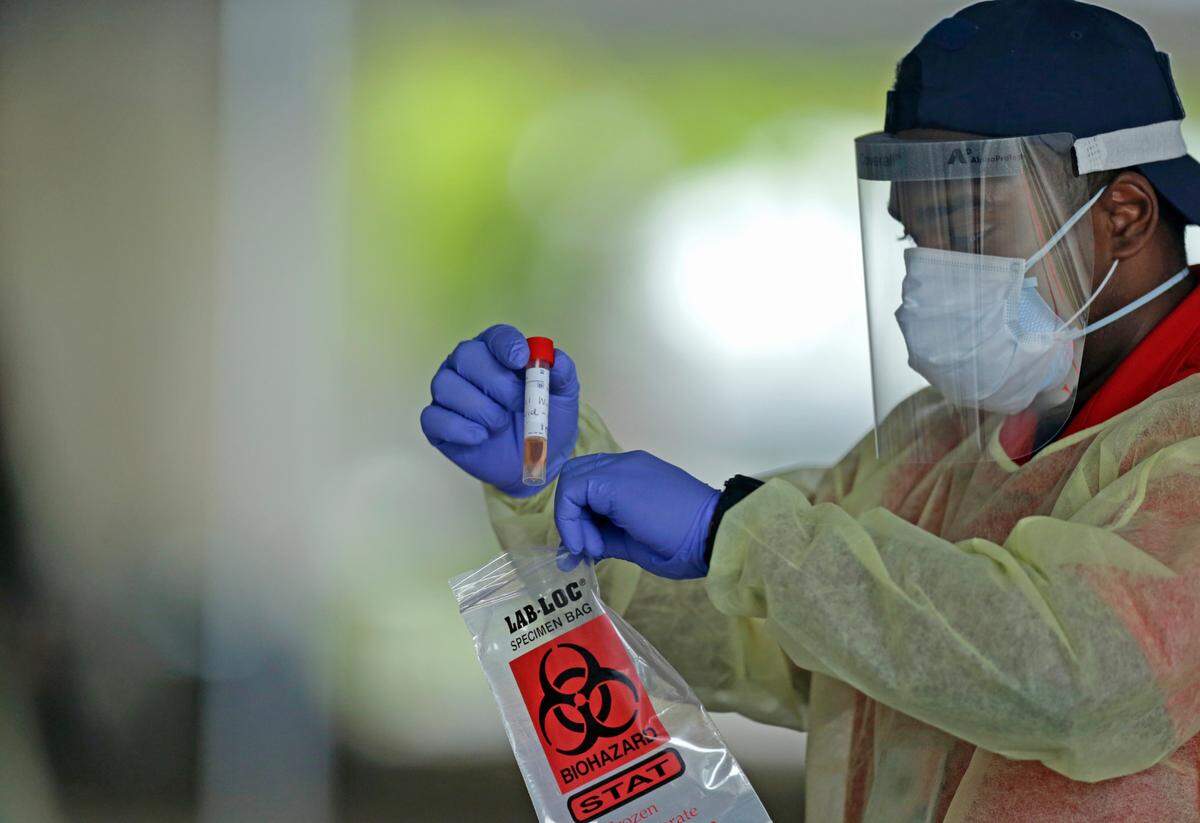
Morales said with increased testing in the next two weeks, the city administration will monitor how the reopening of parks affected the spread of the virus.
“If over the next 14 days, and if the experts agree with us, we see ... that the key indicators have continued to go down, that to me would be the point where I say, ‘I think we’re ready to maybe go to Phase One’ [of reopening],” Morales said. “I actually thought that the opening of the parks this Wednesday was a critical first step toward opening the door enough so that we can see what the impact of that is.”
But beaches, which may bring large groups to the city’s sandy shores, will have to wait, Morris recommended.
“Those crowds are going to significantly enhance the risk, so before the beaches open you need to be really confident you have appropriate testing and tracing,” he said.
Morales presented the city’s tentative reopening plan to commissioners on April 24. Gyms, salons and retail stores would reopen under Phase One of the plan.
“Maybe we’ll be there in two weeks,” he said, “depending on the data coming out of parks.”
This story was originally published May 1, 2020 at 8:42 PM.
.JPG)