
Gyms, salons in Miami Beach could open in May if COVID cases decrease. Beaches must wait.
Gyms, salons and retail stores could reopen in Miami Beach by mid-May if reported cases of coronavirus decrease and robust surveillance testing and contact tracing become available in Miami-Dade County.
The city presented a draft proposal to reopen the economy during a meeting of the Finance and Economic Resiliency Committee on Friday. City Manager Jimmy Morales said the May timeline was optimistic and public health opinions would guide policy decisions.
“My sense is we can be in a Phase One as early as the first or second week of May if those numbers hold up,” Morales said.
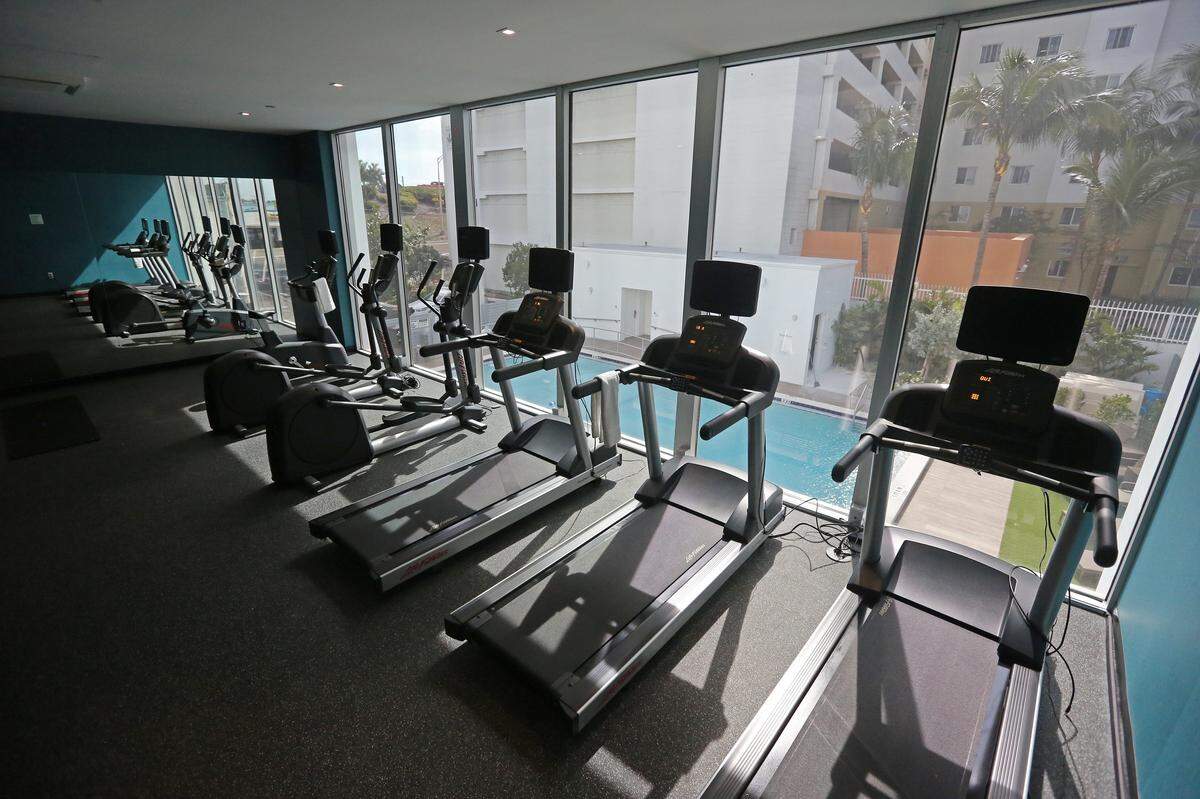
The first phase of the plan would allow several types of businesses currently shut down to reopen under social-distancing guidelines. Under the plan, restaurants would be allowed to reopen to some dine-in guests but in limited numbers. Gyms would reopen to less than 10 people at a time and under “strict sanitization protocols.”
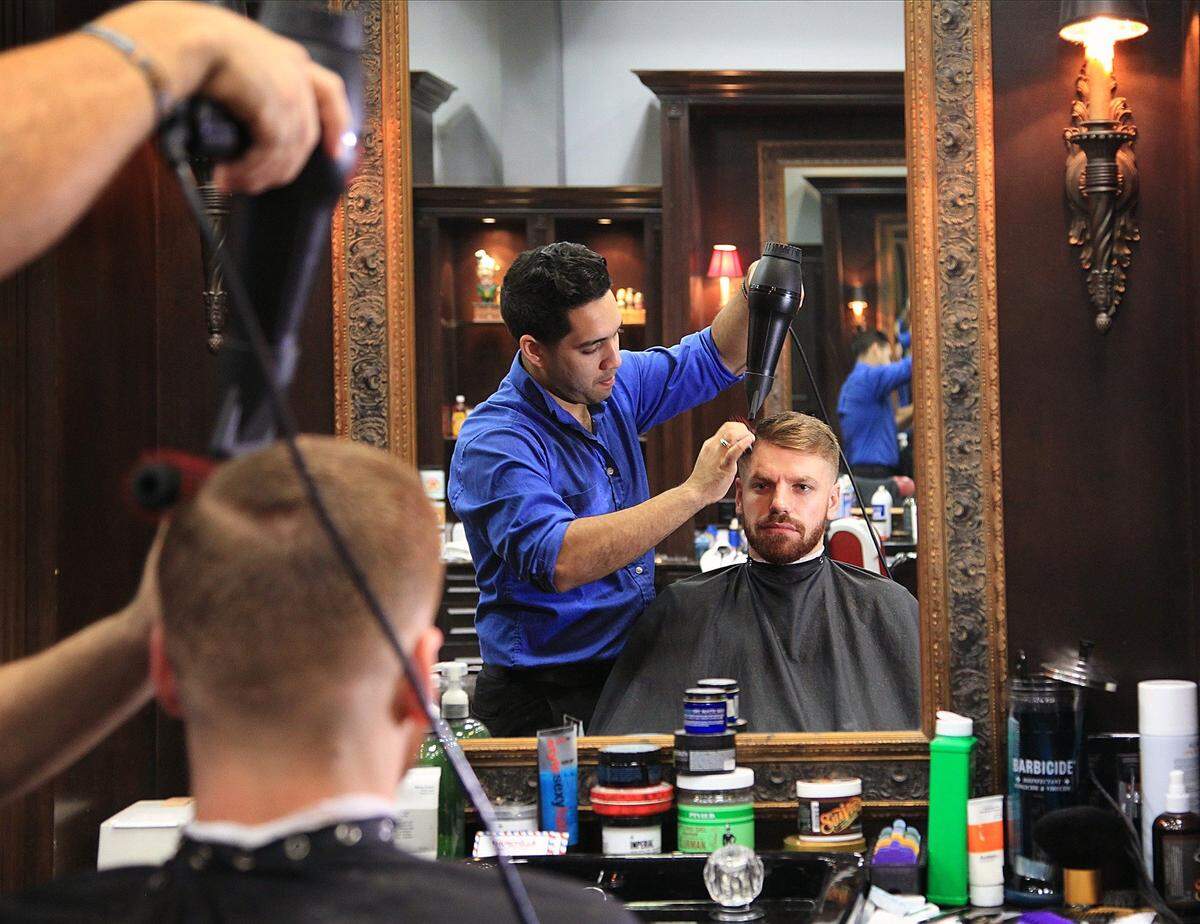
Hair and nail salons and massage parlors would be open to the public but could serve only one customer at a time and by appointment only. Salons would be asked to sanitize between appointments.
Retail stores could open with limited capacity and a mandate that customers wear face coverings.
The city’s bikeshare program and trolley system could return under Phase One, although budgetary issues may prevent the speedy roll-out of the trolley, which is funded by resort taxes.
The city’s recommendations are based on guidance from the White House and the Johns Hopkins Bloomberg School of Public Health. A spokeswoman said the presentation was “only a draft for discussion and we will be following all local, state and national guidelines.”
Commissioner Ricky Arriola, the chair of the finance committee, requested the city form a proposal to reopen the economy.
He said the city should speed up the reopening, to give out-of-work residents “hope” that their jobs are coming back. He labeled the mayor a “dictator” in a social media post this week for leading the city’s decision-making process despite not having the charter-given power to make unilateral decisions. As city manager, Morales used his authority in March to invoke emergency powers and shut down the city.
“Our delay will cost lives,” Arriola said. “I am begging us to take it more seriously.”
The first phase will follow the reopening of parks and marinas countywide, which city leaders said are expected to come Wednesday pending a county order from Miami-Dade County Mayor Carlos Gimenez.
City Parks and Recreation Director John Rebar told the finance committee that the city would reopen 34 parks, two tennis centers and two golf courses but prohibit the use of basketball courts and restrooms, which the county will allow in its order. The South Pointe Pier will also be closed, despite a countywide order to open piers.
Visitors and staff will be required to wear masks except when doing “strenuous exercise.” The city will rehire park rangers and some recreation staff to enforce social distancing.
“People need to follow the new rules so we don’t possibly face closures in the future,” Rebar said. “This park reopening is intended for short periods, two hours or less, not designed to spend a day in the park.”
Phase Two of the reopening, which Morales said could come as soon as mid-June, would see hotels, beaches and bars reopen. Under the framework, hotels would open with 50 percent capacity and higher sanitization standards. Bars would open with limited standing room and restrictions on high-touch activities like pool or darts. Beaches would open with restricted hours and for socially distant exercise only. Places of worship, which were ordered closed by the city, would also be allowed to open but to ten or fewer people at a time.
A handful of Florida counties have reopened their beaches after Gov. Ron DeSantis gave them the green light to do so.
It’s unclear what the medical criteria would be for Phase Two to commence, but Mayor Dan Gelber said a further relaxing of emergency orders would depend on how well the city manages the first phase of reopening.
“This is not going to be a sprint at all,” said Gelber, who added that the city is prepared to reopen when health officials signal it is safe to do so. “We’re not going to do it fast, we’re going to do it right.”
On Thursday morning, Gelber and Morales consulted with Dr. Aileen Marty, an infectious disease specialist at Florida International University advising the county’s reopening efforts, and with a team from the Florida Department of Health. Later that day, they were briefed by the director of the University of Florida’s Emerging Pathogen Institute and the chief of infectious diseases at Mt. Sinai Medical Center.
“The point is, while this pandemic has created monstrous economic peril to millions, it is at its root a healthcare crisis, so it is critical that we seek out and listen to the best minds available to inform our decision making,” Gelber said in a video address on Friday. “We will do that at every step.”
He said the reopening plans would rely on the county’s capacity to conduct “aggressive surveillance testing” and contact tracing.
The region has yet to see a significant downturn in new reported cases. In the last two weeks, there have not been two consecutive days with fewer new cases than the day before, according to county data. The rate of people testing positive, another criteria on which the city’s reopening plan relies, has remained steady under 20 percent — and in the last three days 16 percent — during that time.
Miami-Dade County began conducting surveillance testing in early April.
“Surveillance testing means testing samples of the population to allow us to monitor the presence of the virus in the community and thereby determine what countermeasures may be appropriate before it is too late,” Gelber said.
“Contact tracing, which is very labor intensive, gives us the chance to trace and monitor who has come into contact with infected people, enabling us to support efforts to quarantine and to prevent further spread. Our experts have told us that rushing into an opening without this capacity in place would be very risky.”
This story was originally published April 24, 2020 at 6:04 PM.
.JPG)