Florida has plans for Little Havana’s Calle Ocho. How will it look in a few years?
For the last six years, Florida’s transportation agency has been looking into upgrading Little Havana’s main street, Calle Ocho, to boost safety, encourage alternative transportation and open better access to the Brickell area.
Among the enhancements considered, but not adopted, for Southwest Eighth and Seventh streets — two main arteries consisting of six one-way lanes connecting Little Havana and Brickell — are bus lanes, bike lanes and wider sidewalks.
Instead, the conclusion of the $3 million study that began in 2016 is a plan to leave the majority of the corridor alone, while adding car-centric modifications near Interstate 95 pending further evaluation, Florida Department of Transportation officials revealed Tuesday at a public information meeting at Miami Dade College’s campus in Little Havana.
Calle Ocho falls under the agency’s jurisdiction because it’s a state road.
FDOT’s cars-first approach proposals include:
▪ Widening the Interstate 95 southbound off-ramp at Southwest Seventh Street.
▪ Providing an eastbound to northbound left turn at Southwest Eight Street and Second Avenue intersection.
▪ Closing of Southwest Fourth Avenue at Seventh Street.
▪ Conversion to two-way traffic at Southwest Fourth and Third avenues between Southwest Sixth and Seventh streets.
READ MORE: Miami’s Calle Ocho is a highway today, but can it be a Main Street instead?
But several Miami residents who attended the meeting told FDOT leaders they want bike lanes.
Carolina Flores, a tour guide who lives in Little Havana, said that a protected bike lane would benefit residents and tourists who ride bicycles and electric scooters.
“We should be promoting other modes of transportation,” Flores said.
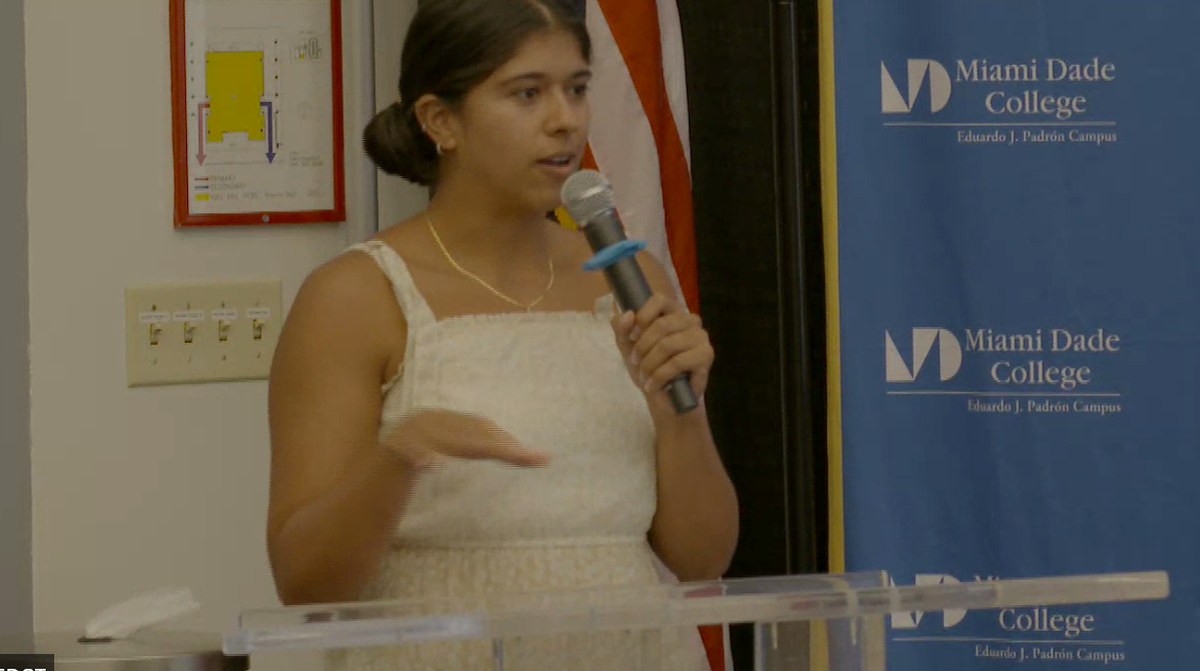
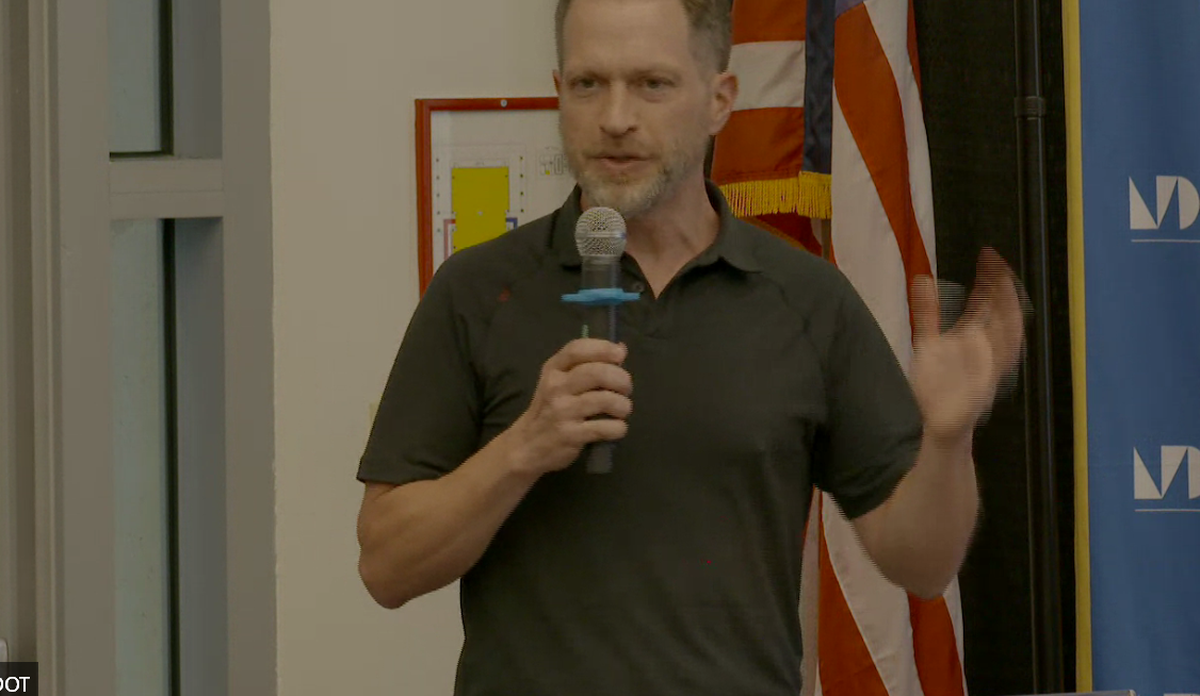
Eric Barton, who lives in Miami, said the plan proposed only looks to further the movement of cars while ignoring other forms of transportation, like bicycles with their own lanes.
“This is a plan that perpetuates a mistake,” Barton said. “We have a neighborhood that was built on the backs of immigrants and we put a six-lane highway through the middle of it.”
In a four-year span from September 2018 to Aug. 31, Miami police have responded to at least four fatal crashes in the studied area of Southwest Seventh Street, and none on Calle Ocho, according to preliminary police data. In the most recent crash, a woman crossing Southwest Seventh Street at Fifth Avenue on March 14 was struck and killed by a car.
READ MORE: Florida second-deadliest state for pedestrians, study finds. Rising toll ‘an epidemic’
Vilma Croft, a consultant project manager for FDOT, told the audience that bike lanes would require reducing car lanes or eliminating street parking. She noted that fewer car lanes could worsen traffic and that Calle Ocho merchants oppose reductions in street parking.
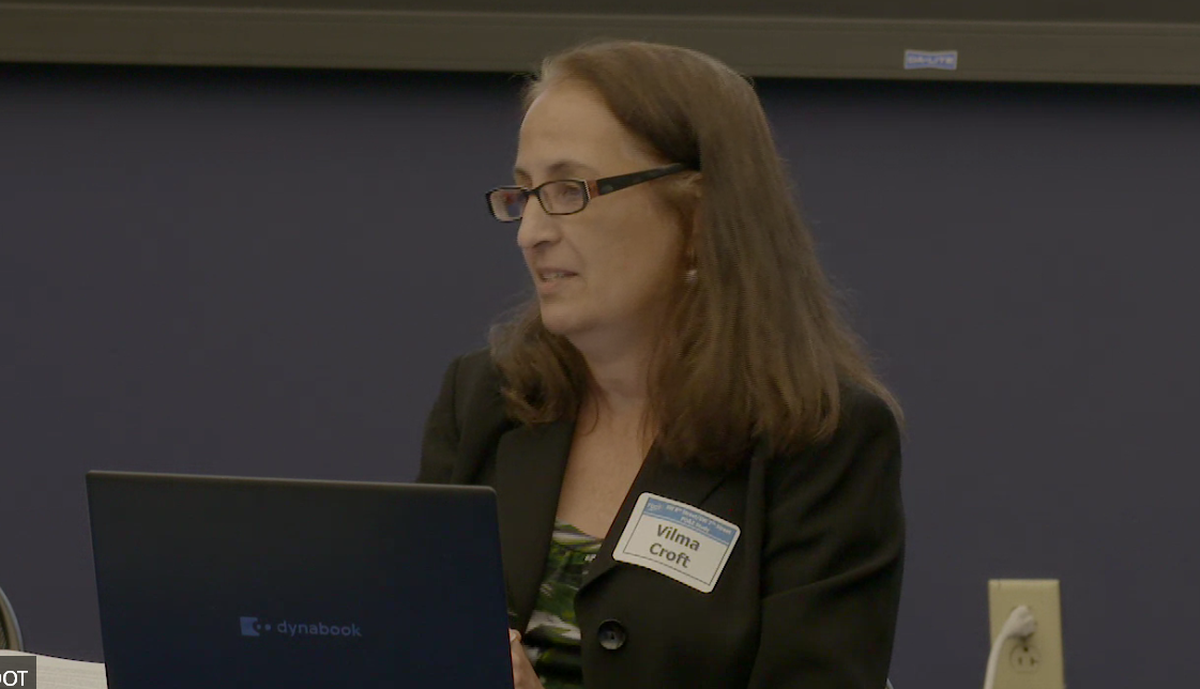
Croft said the agency is committed to evaluating alternate routes for bicyclists near the corridor in coordination with the city. One way to potentially create a bike-only lane without affecting businesses, officials said, is for the city to build multi-level parking lots to replace the street parking that would be eliminated in Calle Ocho.
Miami City Commissioner Joe Carollo, who represents Calle Ocho and surrounding areas, told the Miami Herald on Wednesday that the city is looking into potential locations where multi-level parking structures could be built. He said the City Commission should receive a report before the end of the year.
These parking lots, Carollo said, could allow the city to expand sidewalks by eliminating street parking along Calle Ocho between 12th and 18th avenues. But he said bike-only lanes wouldn’t be used enough to alleviate traffic in the area.
“We aren’t China,” Carollo said in Spanish. “This bicycle thing is a nice fairy tale.”
At the heart of the issue, according to planner Juan Mullerat, who lives near Calle Ocho, is FDOT’s authority to have a final say on any modifications in the corridor. He said the solution is for Miami to take control of Calle Ocho like in 2014 when the city took over a large portion of Brickell Avenue from FDOT. Officials were frustrated with the inability to lower the speed limit and cull overgrown brush and trees.
“FDOT is in charge of moving cars, not people,” Mullerat said in Spanish. “They should not have a say on streets in urban centers.”
PlusUrbia, Mullerat’s Miami architecture and planning firm, developed pro-bono a plan in 2016 that would reduce car lanes on Calle Ocho to two, narrow them slightly and restore two-way traffic. The shift would make room for dedicated transit and bike lanes in addition to expanded crosswalks.
“What I want,” he said, “is a place where I can feel proud of taking my family when they come to visit.”
This story was originally published September 1, 2022 at 12:00 AM.