As sea-rise floods increase, Key Biscayne to raise roads. Big price tag ruffles residents
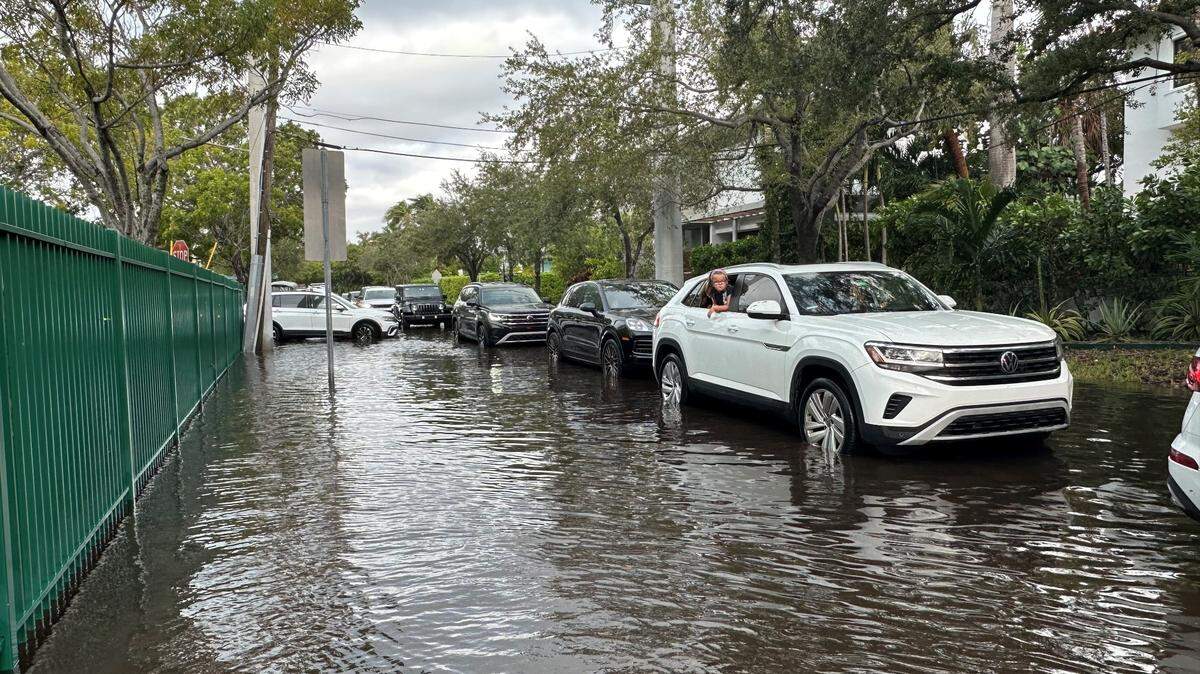
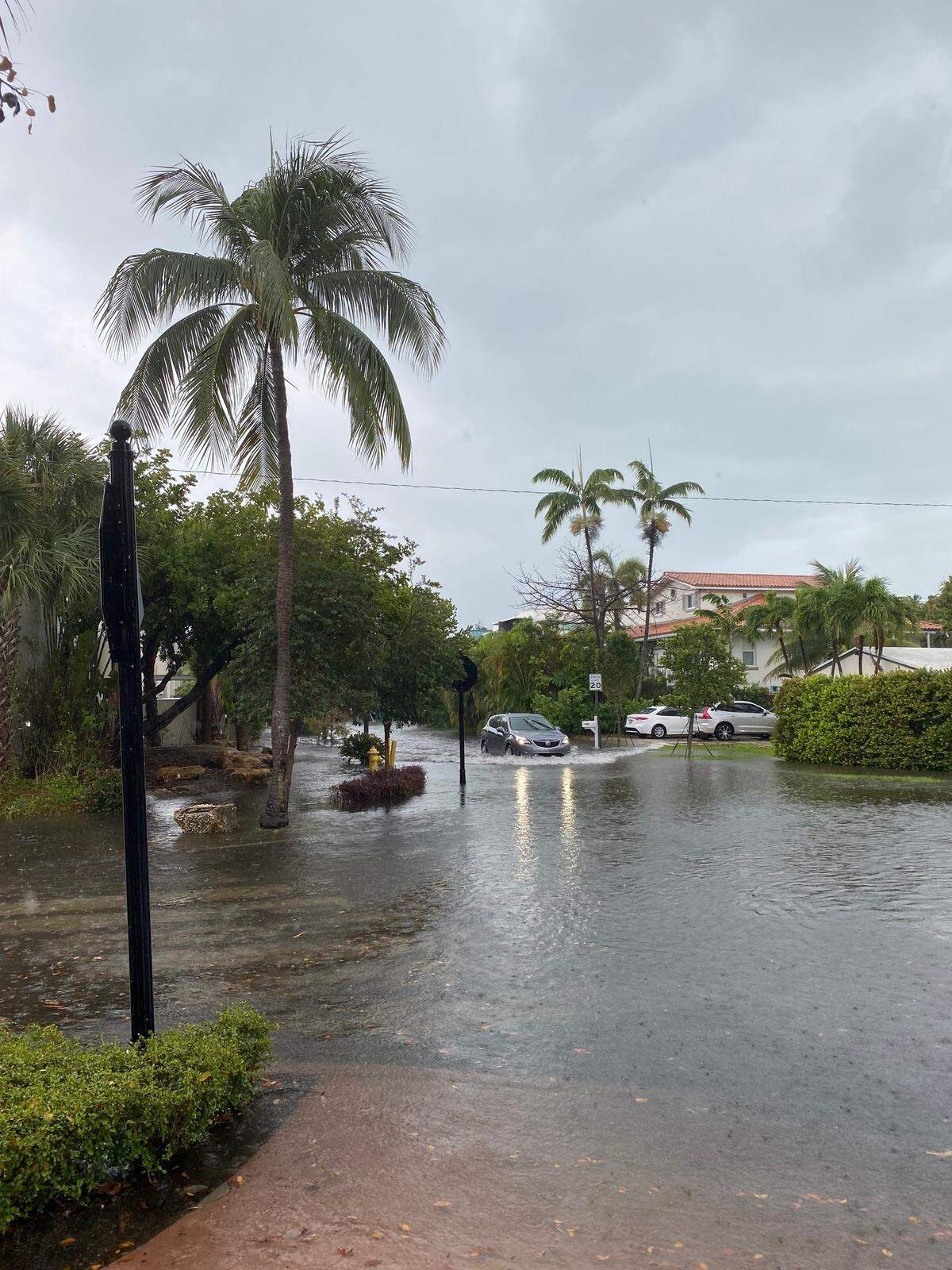
One of South Florida’s wealthiest — and most flood-prone — communities is turning to an increasingly common answer to its flooding woes: elevating streets above the reach of flood waters.
Scientists, engineers and city planners increasingly point to road raising as a necessary solution for coastal cities as seas continue to rise and climate-change-fueled rainstorms dump even more water on low-lying streets. Key Biscayne is just the latest in a series of South Florida cities to forge ahead with the cutting-edge infrastructure plan designed to keep its roads dry and residents safe.
But, as communities like Miami Beach and the Florida Keys have already learned, this particular solution comes with a high price tag and a hefty amount of resident resistance.
On Tuesday evening, Key Biscayne council members and a smattering of residents learned that the first phase of the island’s plan to raise roads and underground powerlines could cost as much as $88 million — $56 million of which is just for the road-raising and drainage portion of the project. And that estimate for “zone one” of the island only covers 4 miles of road. In total, the village needs to address 23 miles of roadway.
“This village has a problem. It’s about water. I think most people recognize that and it’s not going to get better,” Village Manager Steve Williamson told the crowd. “If we don’t address it, it’s going to significantly change the lives of our residents. This is something we need to nip in the bud.”
In total, officials and consultants have suggested that the total price of elevating Key Biscayne’s soggy roads, also known as “the big dig,” could top $300 million.
And that’s after the council slashed costs in 2023 by agreeing to allow more floodwater to linger on roads and to design for a smaller storm with less rain. On Tuesday, village staffers offered council members even more opportunities to cut costs by delaying some investments needed to reach the project’s full capacity.
Still, the high cost was unacceptable to some residents.
“I just feel like you guys are presenting a Cadillac and all we really need is a Ford,” resident Betty Conroy told the council.
The eyebrow-raising price tag for just the first step in a multi-phase project is not uncommon for road-raising projects in South Florida.
Miami Beach’s first residential road-raising project cost $40.9 million to elevate about 3 miles of road. Its latest project, in the First Street neighborhood, is expected to cost $178 million. Monroe County is spending $21 million to raise less than a mile of road in the Twin Lakes neighborhood in Key Largo, one of seven projects underway.
Both municipalities have relied heavily on state and federal grants to complete their projects, and Key Biscayne expected to do the same. But it also has the benefit of a $100 million bond aimed specifically at covering the costs of undergrounding power lines and installing new drainage projects.
Key Biscayne, which has about 15,000 residents and an annual budget of $97 million, also plans to pass on some of the costs of the project to residents in the form of higher taxes and stormwater fees. The annual fees range from about $280 a year for a small condominium unit to about $2,300 a year for a large single-family home.
A race against sea rise
“Zone one” of the road raising project is the area around the island’s K-8 school, where floodwaters can pile up more than two feet deep on particularly rainy days. Engineers and village staffers call this the worst spot on the island, which will require a more dramatic and expensive fix than any other neighborhood.
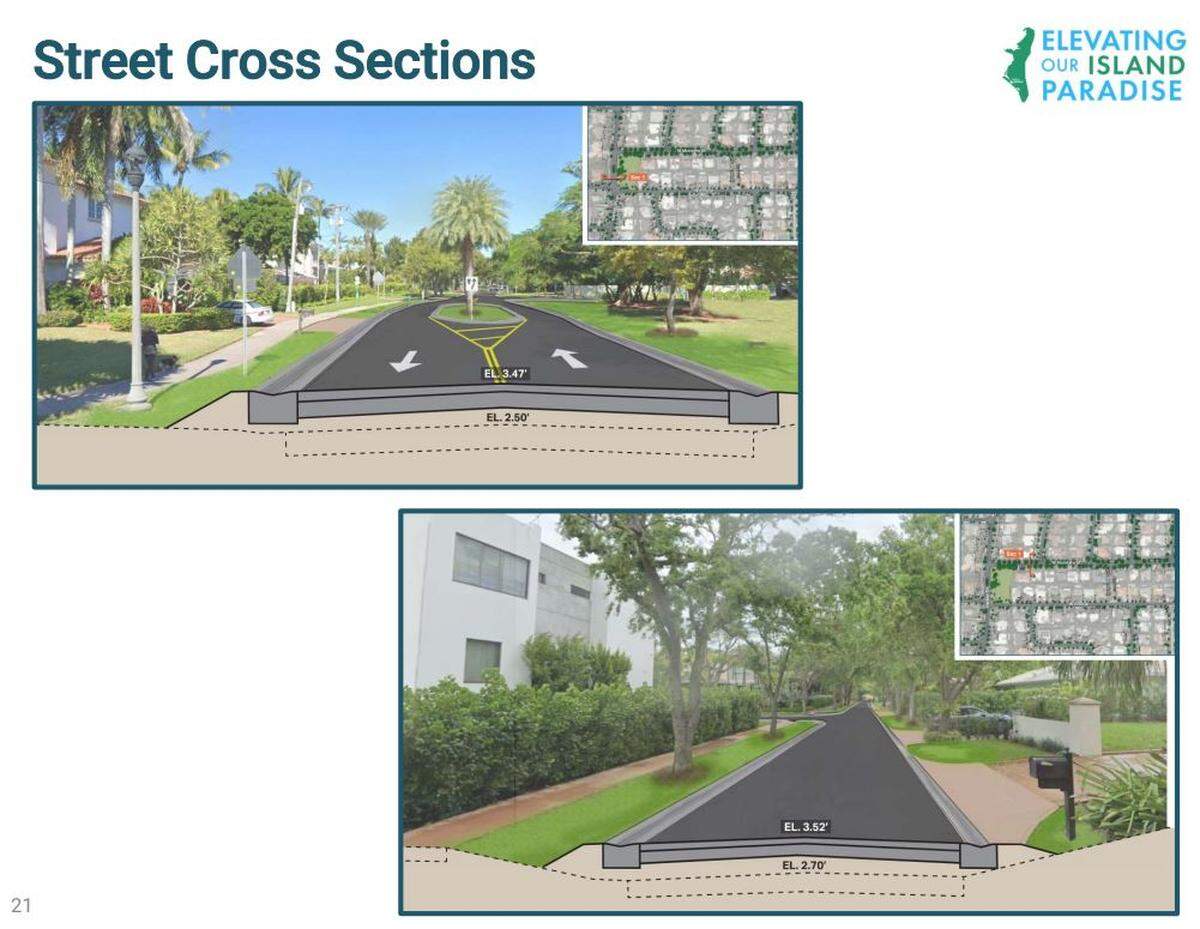
The plan is to raise most roads between six and 12 inches, but some particularly low-lying intersections would need to come up two to three feet — a figure that elicited a gasp from the crowd.
Engineers from AECOM assured the council that despite that lift, none of the 434 driveways that intersect those roads will have a steep drop from home to road, so vehicles won’t bottom out or scrape their bumpers.
So far, AECOM has reached the 60% design threshold for this project, which it presented to the council on Tuesday. The timeline calls for shovels in the ground by August 2026 and a completed project by 2028.
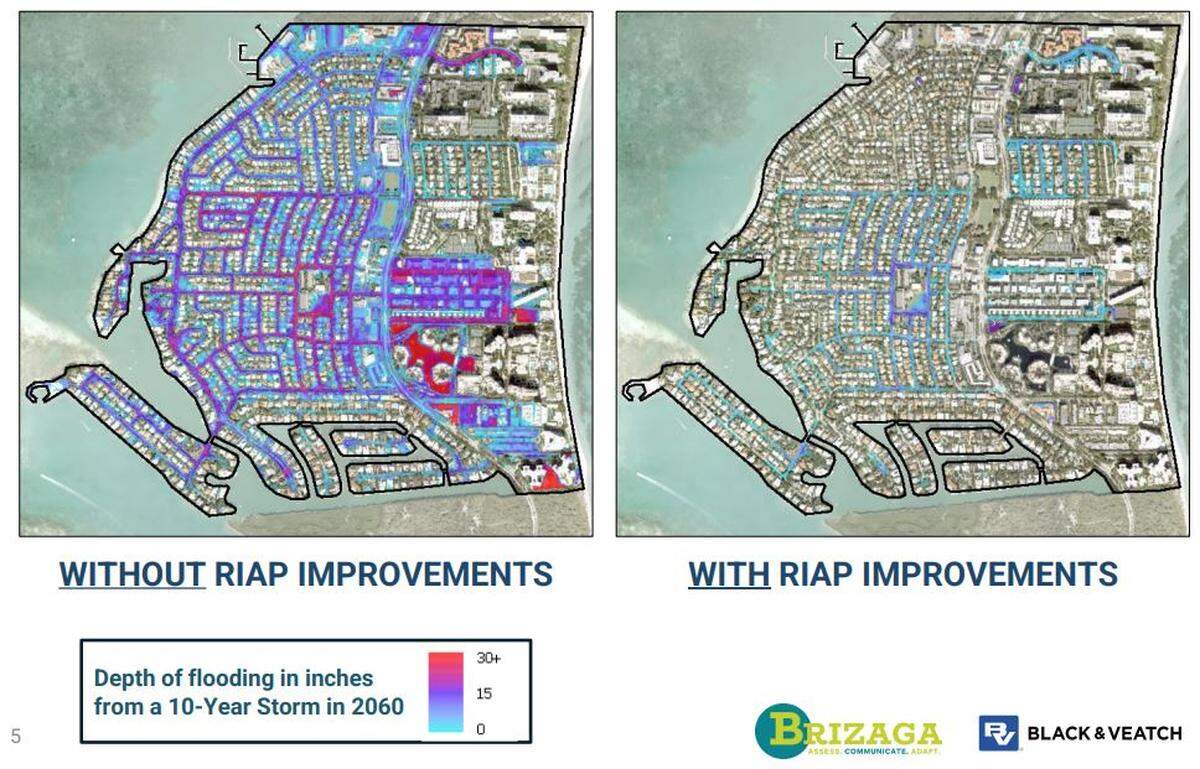
Without it, the village’s own vulnerability study shows that floodwaters could quickly claim even more of the island every year. According to the study, Key Biscayne streets flood about 15 days a year currently.
Without fixes, those same streets could flood about 90 days a year by 2040. By 2070, some of those streets would be flooded every day of the year.
With sea levels and groundwater rising, the traditional method of letting gravity drain rainwater away is already not working in some parts of the village. Instead, on high tide days, salty water is rising up through the island’s outfalls.
“It’s already happening,” said Roland Samimy, Key Biscayne’s chief resilience officer. “There is going to be a need to raise roadways. It’s a reality of living on a low-lying barrier island.”
The city is building its new roads to withstand 27 more inches of sea level rise by 2070, or NOAA’s intermediate-high sea level rise projection. But despite the fact that the village agreed to that standard years ago, some residents at the meeting still took issue with the science.
READ MORE: Sea levels are starting to rise faster. Here’s how much South Florida is expecting
“We have all the time in the world. I’m telling you, it doesn’t flood like it used to,” said resident Luis De La Cruz, a former council member. “We don’t need anything like you guys are designing.”
But despite the complaints and concerns of some residents in attendance, the council appeared supportive of the contentious project.
Key Biscayne Mayor Joe Rasco called the island community “extremely lucky” that it has so far avoided the deluges that have swamped homes in Fort Lauderdale, Aventura and other spots in South Florida in the last few years. He noted that the cost of preparing for those current risks, on top of the future ones, is steep, but necessary for the village.
“We have to do something. We can’t kick the can down the road,” he said. “If we wait, it gets more expensive. If we wait, there’s more flooding.”
This story was originally published January 31, 2025 at 7:31 AM.