Key Biscayne paid $16K for crisis PR, put gag order on employees after Herald investigation
READ MORE
Key Biscayne’s Dark Secret
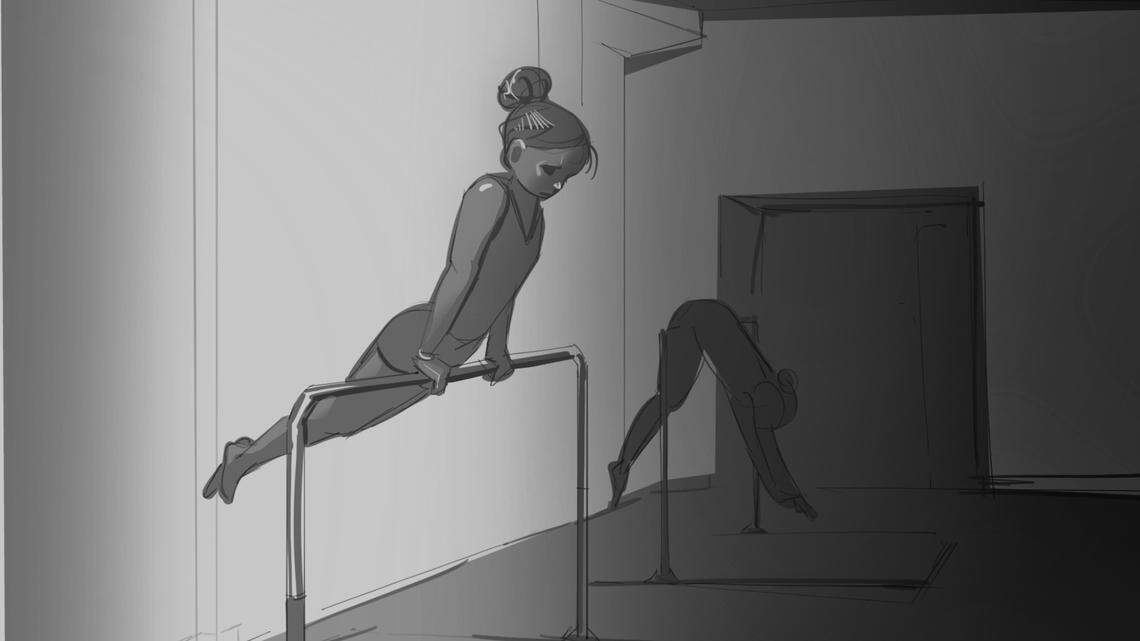
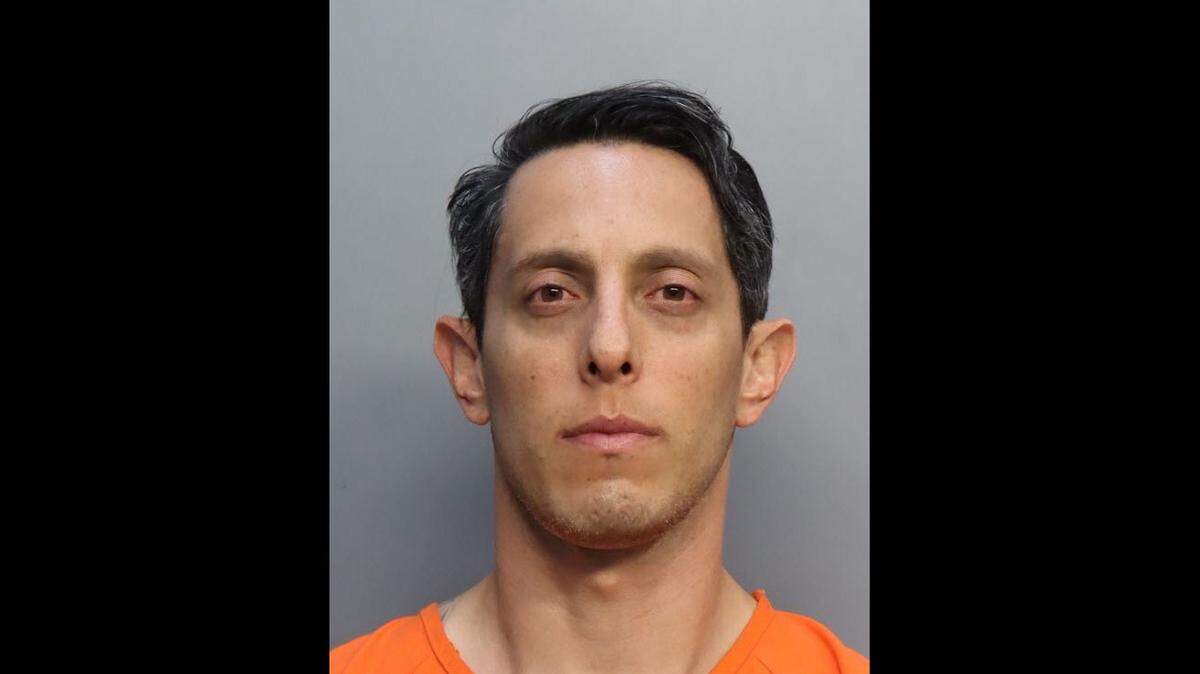
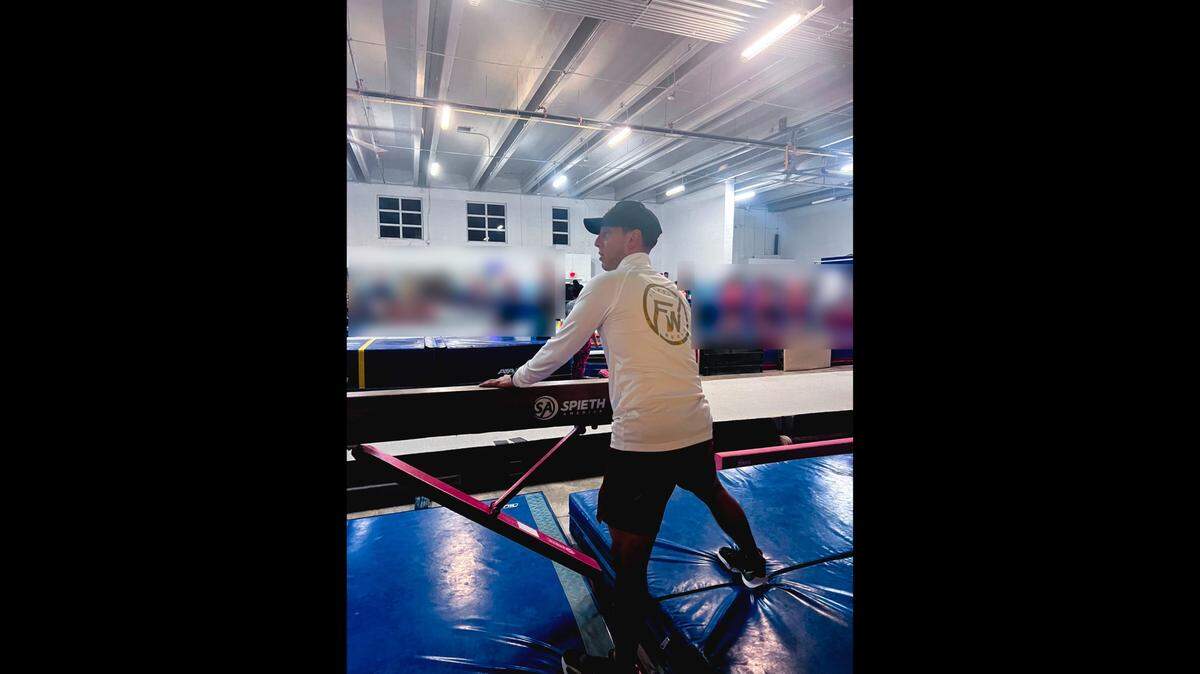
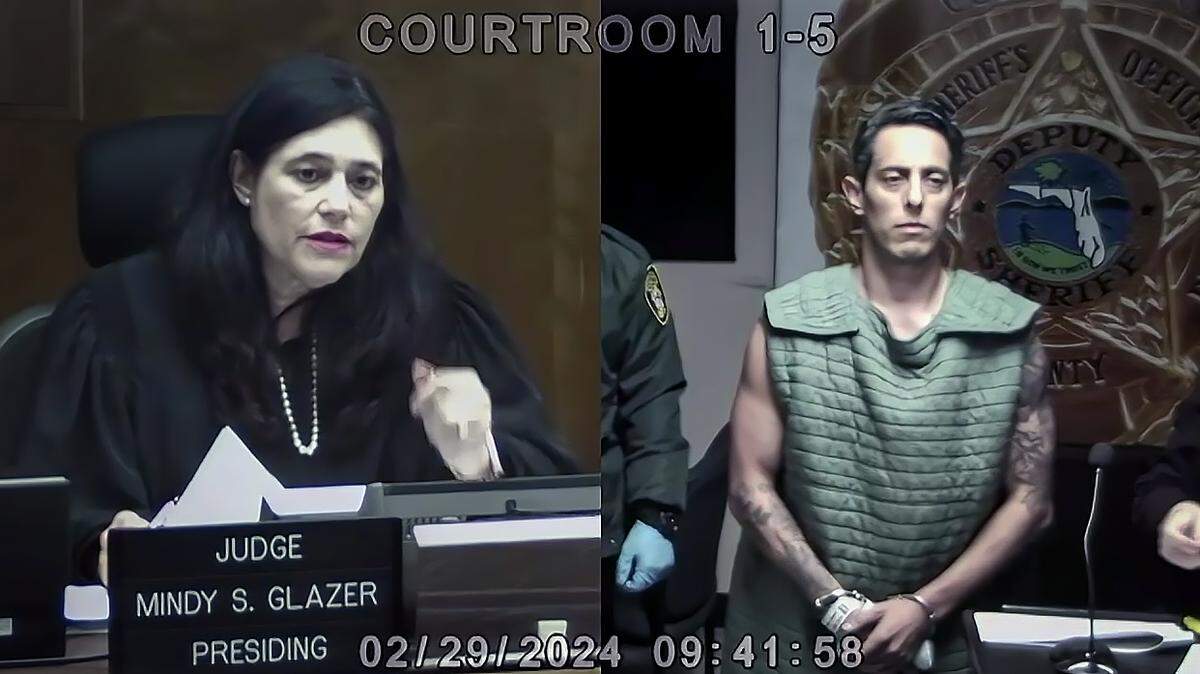
Key Biscayne gymnastics coach Oscar Olea had been trailed by sex abuse allegations for over 12 years. Weeks after the Miami Herald published an investigation, Olea was arrested.
Expand All
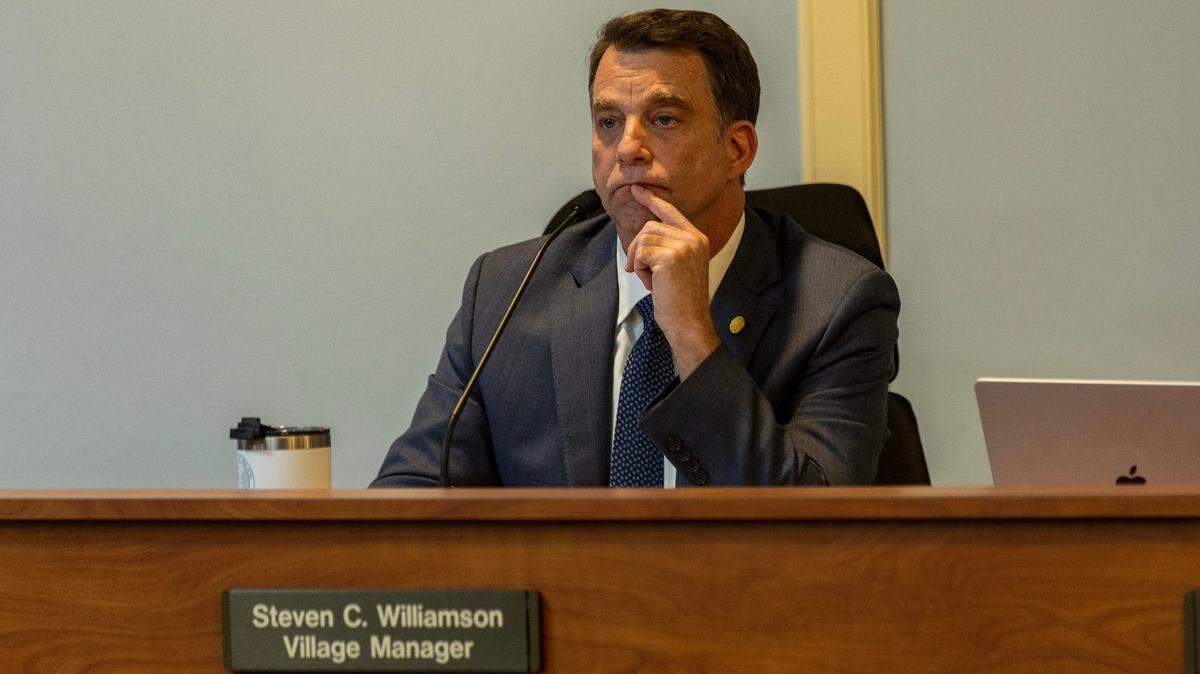
In the weeks following an investigation by the Miami Herald about a gymnastics coach now charged with sexually assaulting two of his former students, Village of Key Biscayne manager Steve Williamson turned to a public relations firm to clean up its image — and later, instructed employees to stay quiet or face consequences.
Williamson, who was well aware of the image crisis the island was having, started working with Roar Media just weeks after the Herald published its investigation on Oscar Olea, the former gymnastics coach, earlier this year. The village paid the company over $16,800 for five months of work and recently hired Roar on a $120,000 yearlong contract. The same company in April advised village staff to designate a spokesperson and have all media inquiries go through the city manager.
Then, just last month, Williamson issued a policy that bars village employees from communicating with news media “in any manner” without approval. The policy itself was issued without a council member hearing or vote. Non-adherence “may result in disciplinary action,” the policy reads.
One attorney who spoke to the Herald said that controlling the flow of communication can damage the American democratic system and that the policy could expose the village to expensive lawsuits funded by taxpayer dollars for infringing employees’ First Amendment right to speak on “matters of public concern.”
The public has a “right to know what’s going on from their government officials, preferably directly from those who have knowledge,” said Lawrence Walters, who has spent over 35 years working on First Amendment and whistleblower claims.
Three council members who spoke to the Herald said they were unaware of the policy until it was issued or until the Key Biscayne Independent, which first reported on the policy, asked them about it. One told the Herald he was completely against it, and another asked for the policy to be suspended until it goes before the council.
Reached for comment, Williamson, who was on vacation, wrote in a statement sent by his spokesperson that “the purpose of the policy is to ensure our residents continue to get the most timely and accurate information while enabling our operating staff to focus on providing the best services to our community.”
Williamson said that he was “committed to keeping our village as one of the best municipalities in all of Florida. Part of that commitment is ensuring we have a working and mutually respectful relationship with the media so that we both are clearly communicating important topics with our residents.”
In the weeks leading up to the village working with the firm, island residents had been pressuring the administration for transparency, following the Herald investigation that revealed:
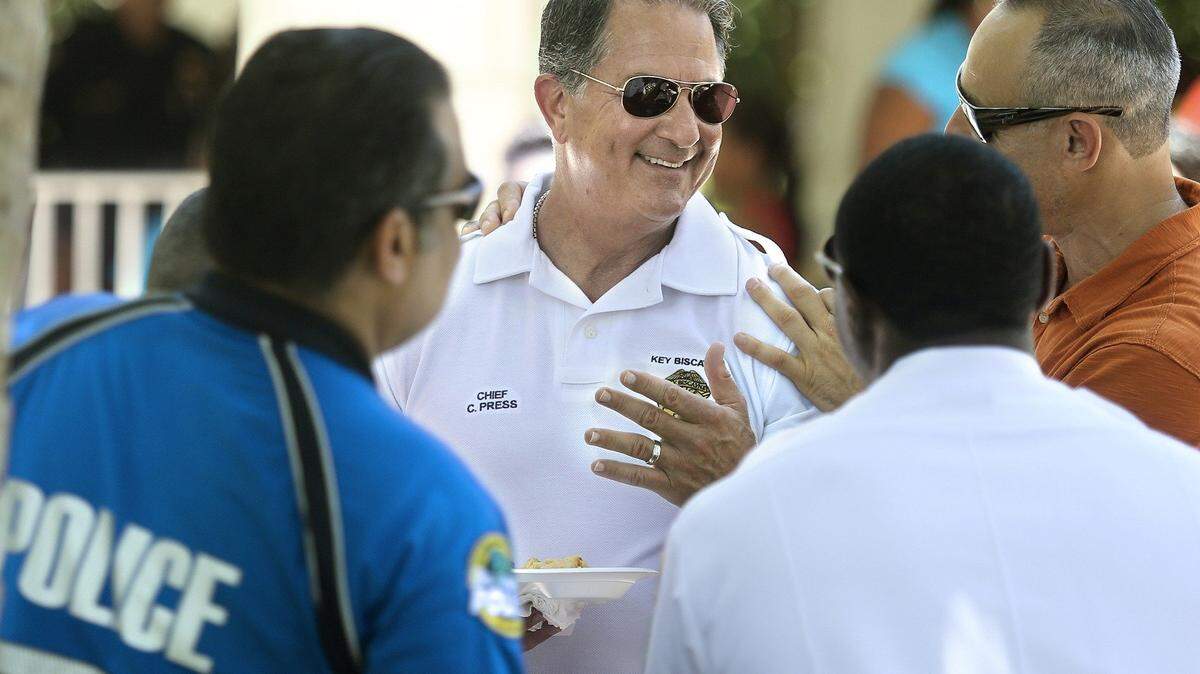
That former chief of police Charles Press knew about at least one instance where a mother alleged Olea had raped her 17-year-old daughter — who was Olea’s gymnastics student — around 2011.
The police had another report from 2012 where a mother showed police love letters her teen daughter had received from Olea, the girl’s gymnastics coach, who was 12 years older at the time.
That Olea had called authorities while walking home a drunk 18-year-old girl in 2011, according to a police report. The woman told the Herald that Olea supplied her with alcohol and sexually assaulted her that night. There’s no indication in the report that police ever questioned him about where she got the booze or the nature of his relationship with the girl. He had also previously assaulted her when she was a minor, she told the Herald.
That the parks and recreation director had Olea fired from a village-contracted coaching job in 2011 after seeing a picture of the gymnastics coach carrying a girl inappropriately — and still gave him permits in the years that followed to teach at a public park. The former police chief had informed that same director, Todd Hofferberth, at the time about the alleged rape that the 17-year-old’s mother had told him about.
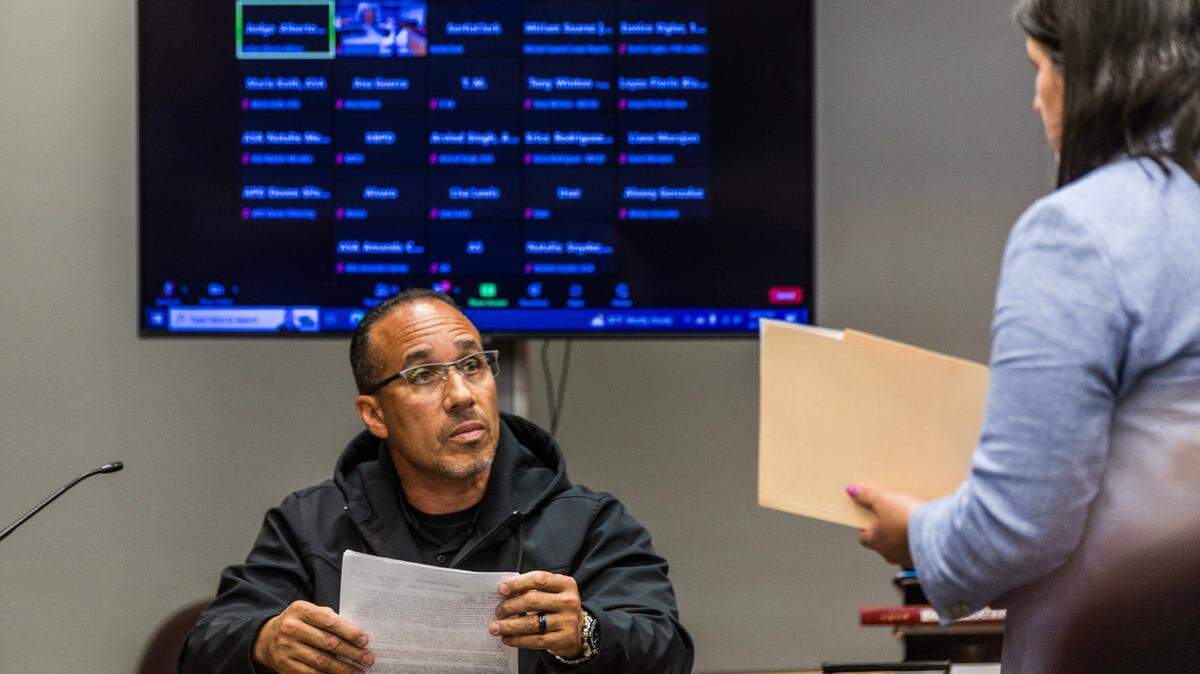
In December 2023, a Herald reporter showed up at Hofferberth’s workplace, where he acknowledged he had heard of the allegations against Olea but called them “hearsay.” He said Olea had passed several background checks, giving him no reason to deny the permit for him to lead classes in a village park. Hofferberth still directs the Parks and Recreation Department, where he makes over $211,000 a year. If the city manager’s new policy had been in place, Hofferberth may have been disciplined for speaking to the Herald reporter.
The Herald’s reporting on the Olea case wasn’t the only issue on Key Biscayne residents’ minds when the firm started its work.
On New Year’s Eve 2023, the Herald broke the news about a Key Biscayne resident and practicing lawyer who got disbarred following an FBI investigation that led to charges related to receiving and producing child porn. He was later sentenced to 16 years in prison.
And a couple of weeks before Roar Media began working with the village, residents were also grappling with the death of Megan Andrews, a 66-year-old cyclist who died in a head-on collision with a 12-year-old who was riding an electric bicycle. For weeks before her death, residents had been complaining at council meetings about the dangers of kids driving electric bikes.
The village manager was seemingly aware that the village was facing challenges regarding its public image, according to text messages obtained by the Herald. On Feb. 25, before a scheduled meeting with Roar Media CEO Jacques Hart, Williamson texted Hart a link to the Key Biscayne Independent’s podcast archives and wrote, “Please listen to the first one before we meet. We have interesting actors in all of this.”
In the podcast episode posted that same day, “Did Key Biscayne leaders mishandle the avalanche of crises?” media expert Thom Mozloom critiqued the village’s communications strategy — or lack thereof — regarding the Olea case and the other incidents.
One document obtained by the Herald through a public records request outlines Roar’s recommendation that Key Biscayne establish a “standardized response procedure” and directs Williamson to designate a spokesperson to deal with media and tell all other staff to redirect questions to that person.
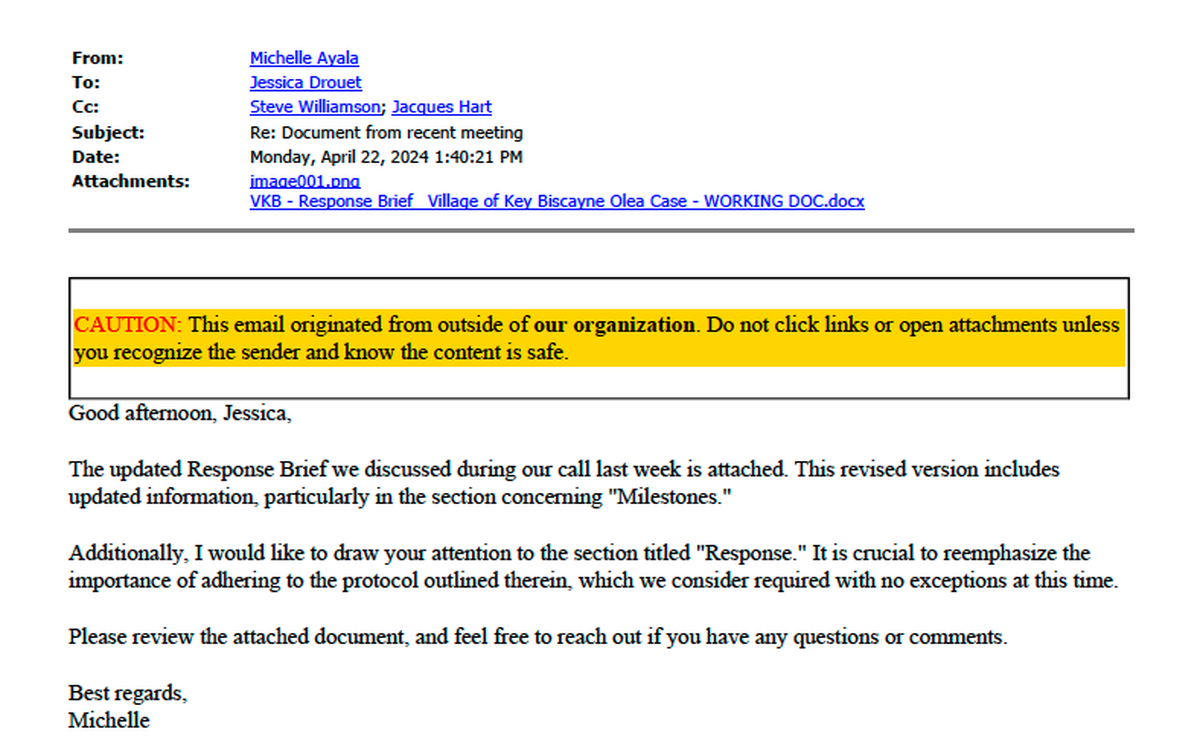
“It is crucial to reemphasize the importance of adhering to the protocol outlined therein, which we consider required with no exceptions at this time,” Michelle Ayala, the Roar Media account director who worked with the village, wrote in a mid-April email obtained by the Herald.
The media firm also helped Key Biscayne officials with messaging regarding a new e-bike ordinance after the death of Andrews and with a new volunteer and employee vetting policy months after Olea’s arrest.
Roar Media was awarded a new contract starting Nov. 18 for continued services “to not exceed the $120,000,” according to village spokesperson Jessica Drouet.
“It seems their focus is almost exclusively on self-protection,” said Walters, the First Amendment lawyer. “Do the taxpayers really want to be funding reputation management as opposed to traditional governmental services?”
Responses to the new policy
When contacted by the Herald, council member Edward London said Thursday that he had not seen Williamson’s policy until a Key Biscayne Independent reporter called about it last week.
“I assume the manager has the power to do it, but I’m against it,” he said.
He said he would continue to answer the phone and talk to reporters and said others should, too. “As far as I’m concerned, any employee who wants to speak to the press is fine with me.”
Another council member, Fernando Vazquez, said the policy should be suspended and brought to the council for discussion at the next meeting in mid-January.
“Of course we want to ensure that our administration runs smoothly but not at the effect of our First Amendment right to speak,” he said.
Council member Frank Caplan also told the Herald he didn’t know about the policy before it was announced but said it would be premature to comment because he was “not informed.”
Nancy Stoner, a newly elected council member, was the sole council person who had a positive look on the policy, calling it “prudent” in a text to a Herald reporter.
Michael Bracken, the other new member, told a reporter he was overseas and could only talk after Jan. 10.
Oscar Sardiñas was the only council member on the six-member council who did not answer a Herald reporter’s call or voicemail. Mayor Joe Rasco told a reporter he was on vacation with family.
Watered-down responses
Though the island spent over $16,000 on work done by the public relations firm, village staff did not always follow their direction. On at least one occasion, statements released by the village were watered-down versions of statements drafted initially by the firm.
A day after Olea’s arrest, a detective who had interviewed several victims erroneously turned in the wrong recording of one of the interviews, and the recording was placed into evidence before a March pre-trial detention hearing. His phone had continued recording after the interview concluded, and the detective, Fernando Carvajal, was caught calling the mother of an alleged sexual abuse victim a “scumbag,” disparaging another alleged victim and talking to his brother about an open case.
On March 12, Roar shared a document that called for an “immediate public apology” from Key Biscayne police for the detective’s mistake. “Taking accountability is crucial to maintaining transparency and trust,” the document reads. The drafted statements included phrases like “sincerest apologies” and “deeply regret.”
But Key Biscayne Police Chief Frank Sousa’s statement sent to the Herald via email the next morning did not include any of that.
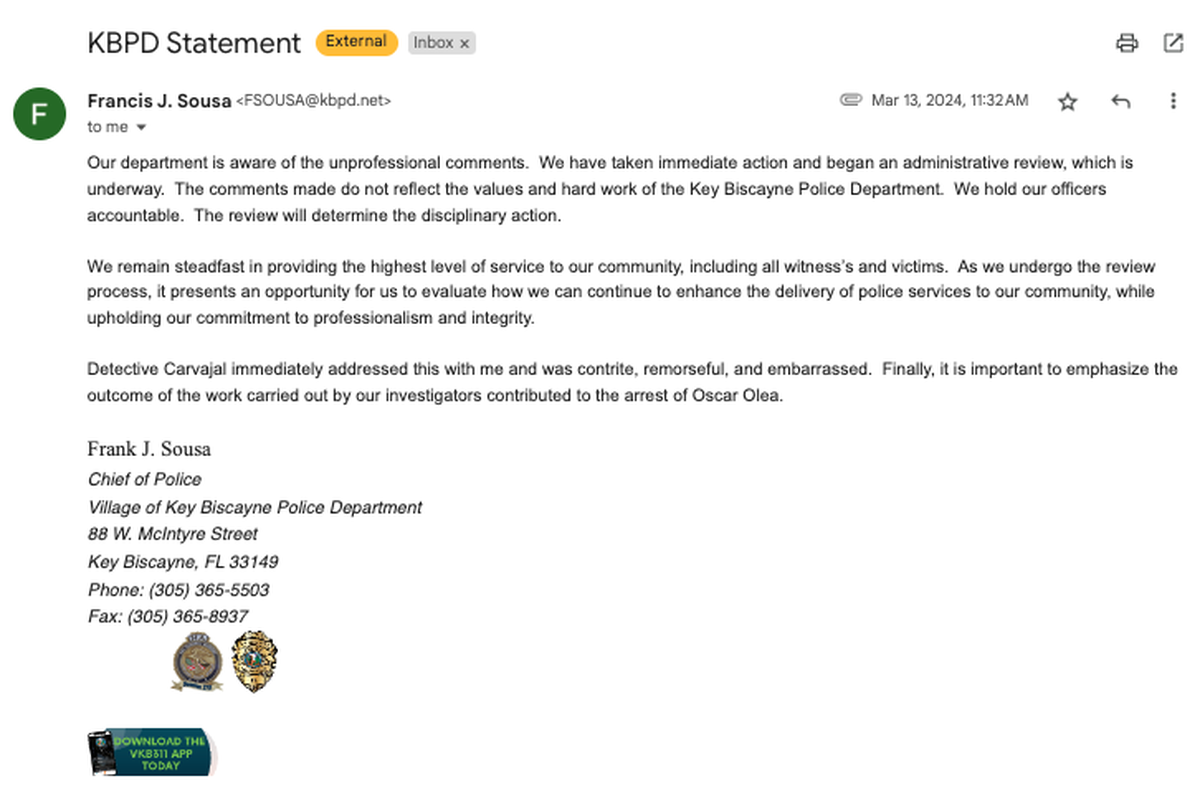
In the end, Carvajal, the officer who kept his phone recording, received a one-day unpaid suspension.
Roar Media also drafted an outline of an op-ed in March, for Williamson to publish with his name, that sought to “reflect on the incidents involving Oscar Olea, emphasizing the Village’s dedication to addressing community concerns thoughtfully.”
The initial draft mentioned Olea by name and called for Williamson to go through the impact of “recent events” on the community and even detail the work of law enforcement and how the case evolved. It also sought to “assure the Village’s ongoing commitment to transparency.”
The second draft of the outline, drafted about a month later, dropped Olea’s name altogether and called for “briefly” acknowledging “recent events and their impact on the community.” It also touted “successes” in transparency.
Ultimately, the op-ed was canceled on Roar Media’s “action tracker,” which notes that “plans to develop have been paused.”
The village did not respond to the Herald’s questions about changing statements or reducing blame.
This story was originally published December 29, 2024 at 5:00 AM.


.jpg)