South Florida farmers fear another loss of crop but continue to plant ‘little by little’
By Brittany Peterson
Watching their spinach crop rot through the spring was not how Juventino Custodio envisioned his season. Packing houses overflowed. Trailers stopped arriving. He had nowhere to sell.
Custodio harvested as much as he could, donated some to a local food bank, and watched the rest go to waste. As if that wasn’t bad enough, the packing house finally called him to buy in May, and he had nothing to sell.
“It’s painful, it’s sad to watch,” Custodio said.
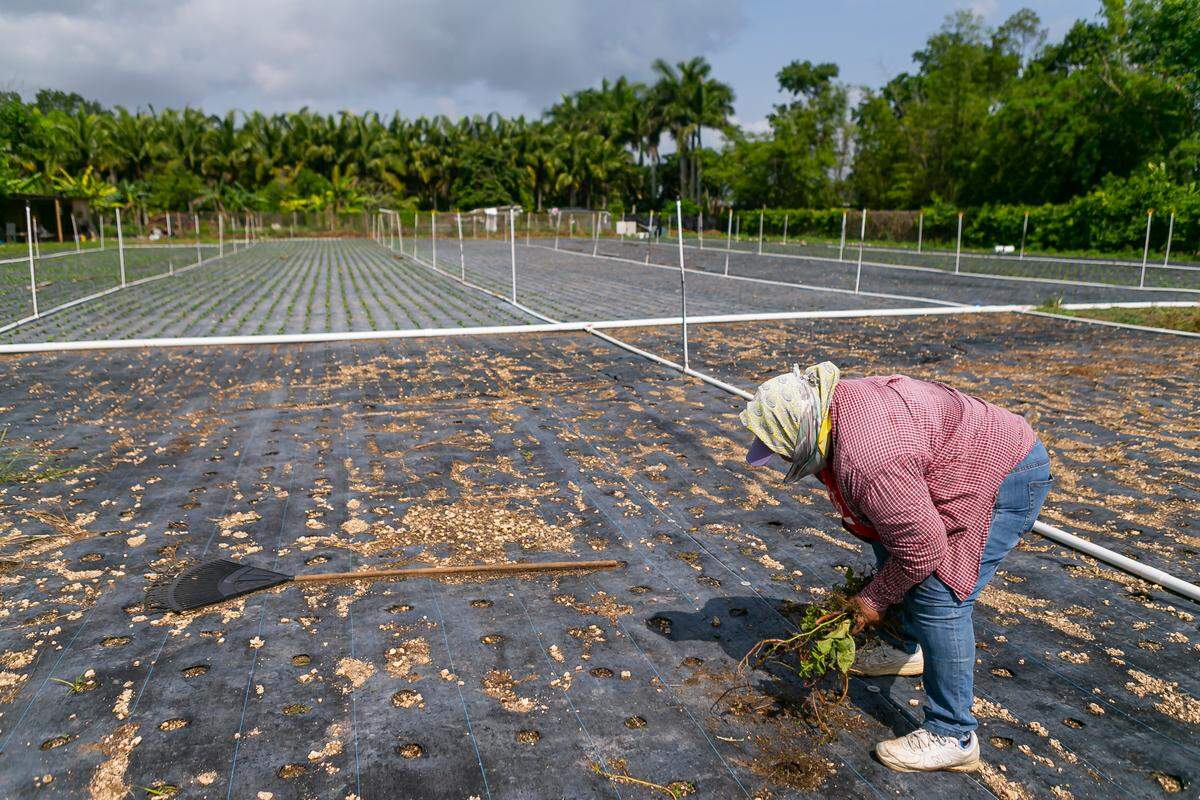
Ciro Hernandez, 37, works to clear rotten spinach from his father-in-lawÕs farm in Homestead, Florida on Wednesday, May 27, 2020. The farm belongs to Juventino Custodio, 53, who was forced to let his spinach rot after the coronavirus pandemic caused a disruption in his supply chain process. MATIAS J. OCNER mocner@miamiherald.com
But in South Florida, some varieties of spinach are planted year-round. Custodio had another chance. Would it even be worth it, especially if the supply chain backed up again?
Custodio and his family, who help him run the five acres of leased land in Homestead, changed their tactics.
“We have to start planting little by little because nothing is certain yet,” said his daughter Verónica. “We don’t know if they will begin really transporting again, or if it’s always going to be like this, little by little.”
Maria Custodio, 53, works to clear rotten spinach from her a farm in Homestead, Florida on Wednesday, May 27, 2020. The farm belongs to Juventino Custodio, 53, who was forced to let his spinach rot after the coronavirus pandemic caused a disruption in his supply chain process. MATIAS J. OCNER mocner@miamiherald.com
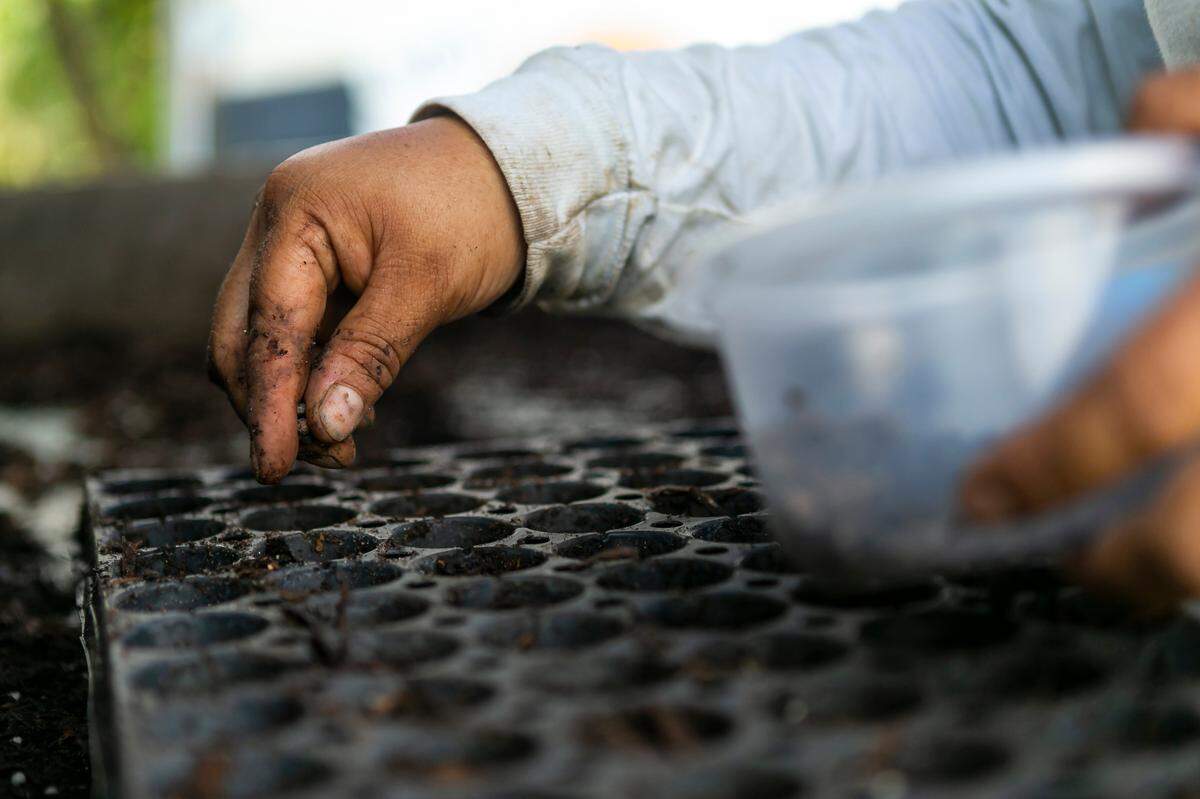
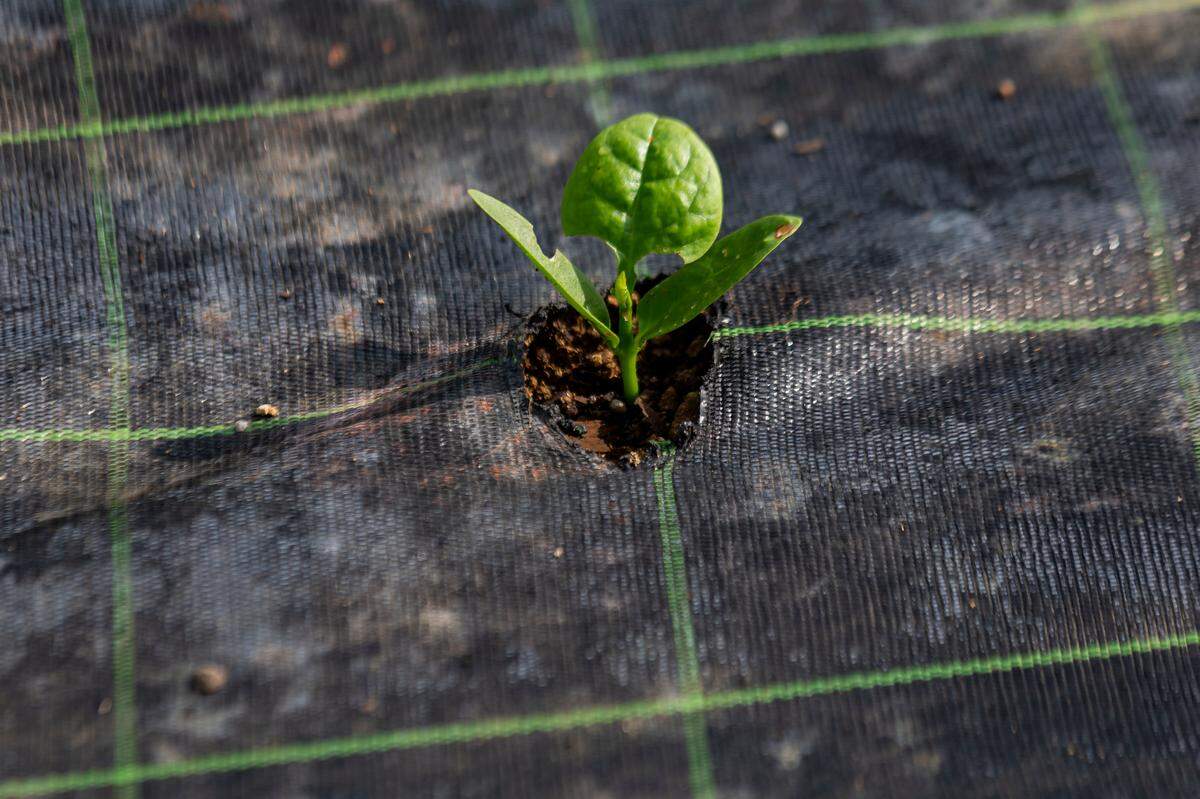
Although they’re still clearing out the old crop by hand, they are planting seeds almost every day. This way, they can sell slowly throughout the season. This tactical change of constant planting and harvesting is time-consuming for the team, but it very well could be the new business strategy for their farm, as they hedge their risk.
As they await the fresh crop, Custodio had one small plot of spinach that they had planted later in the spring and is finally ready to sell. It’s nothing compared to what they lost.
But on Friday, Custodio finally sold 49 boxes of spinach to the packhouse. Before the pandemic, the price had been $18 per box. On this day, the price was $12.
Ciro Hernandez, 37, works to clear rotten spinach from his father-in-lawÕs farm in Homestead, Florida on Wednesday, May 27, 2020. The farm belongs to Juventino Custodio, 53, who was forced to let his spinach rot after the coronavirus pandemic caused a disruption in his supply chain process. MATIAS J. OCNER mocner@miamiherald.com
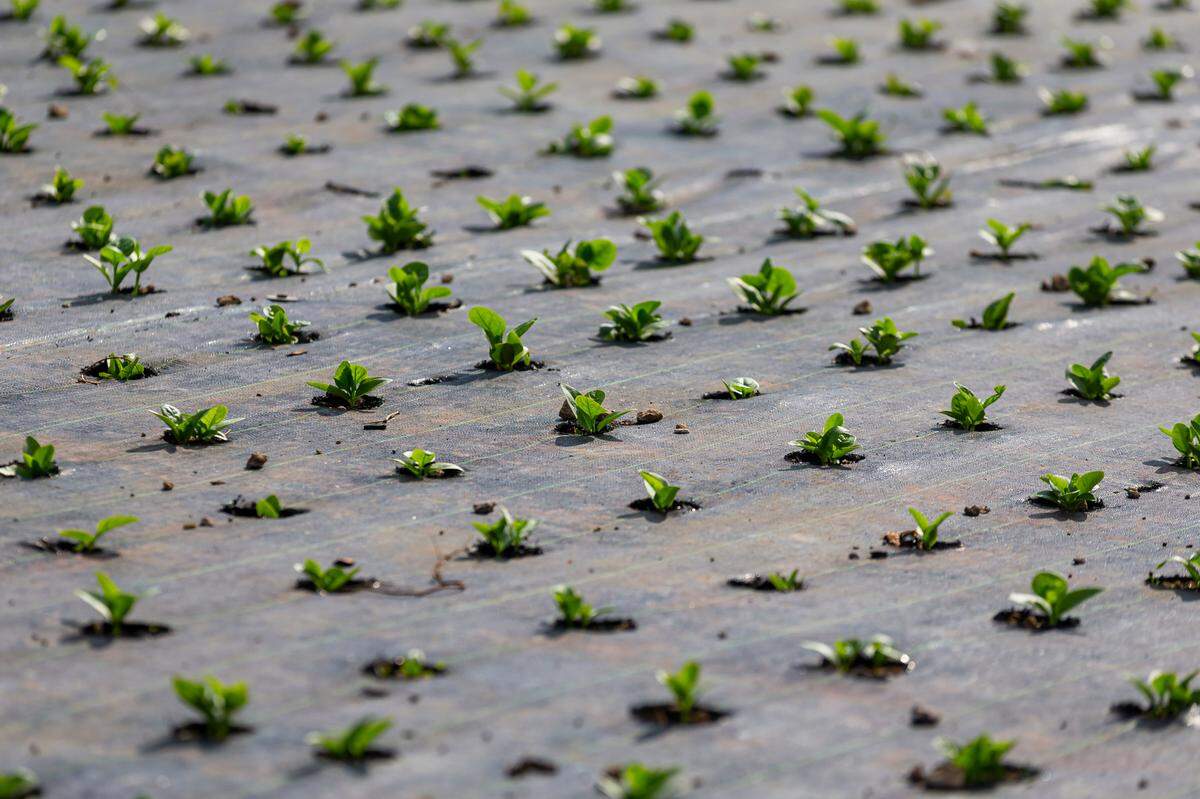
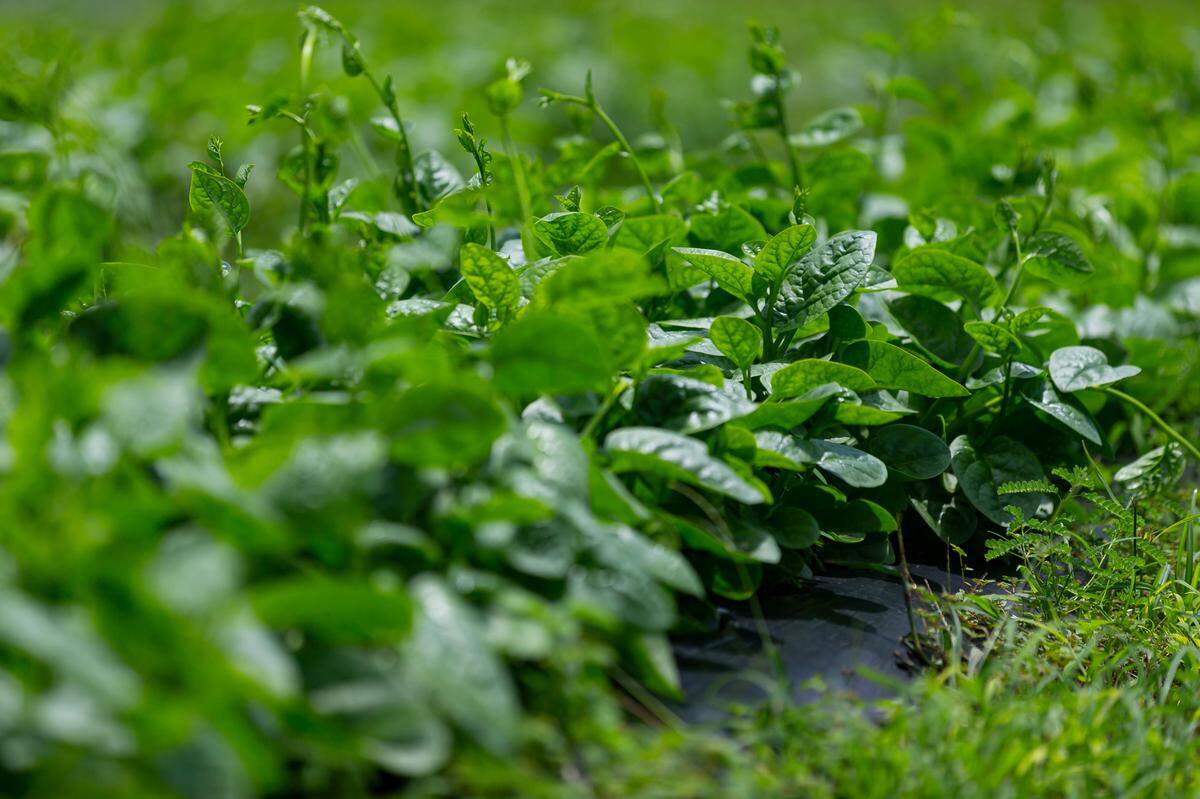
Healthy spinach grows on a farm in Homestead, Florida on Wednesday, May 27, 2020. The farm belongs to Juventino Custodio, 53, who was forced to let his spinach rot after the coronavirus pandemic caused a disruption in his supply chain process. MATIAS J. OCNER mocner@miamiherald.com
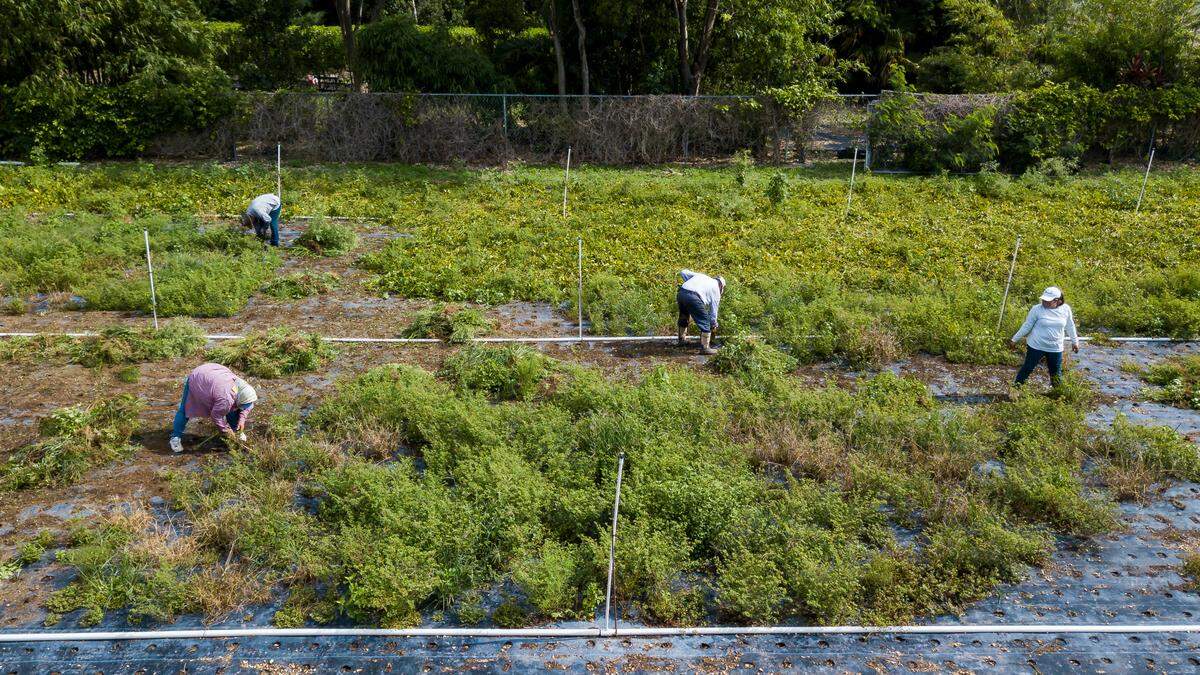
From left to right: Maria Custodio, 53, Ciro Hernandez, 37, Juventino Custodio, 53, and Veronica Custodio, 37, work on their spinach farm in Homestead, Florida on Wednesday, May 27, 2020. The farm belongs to Juventino Custodio, 53, who was forced to let his spinach rot after the coronavirus pandemic caused a disruption in his supply chain process. MATIAS J. OCNER mocner@miamiherald.com
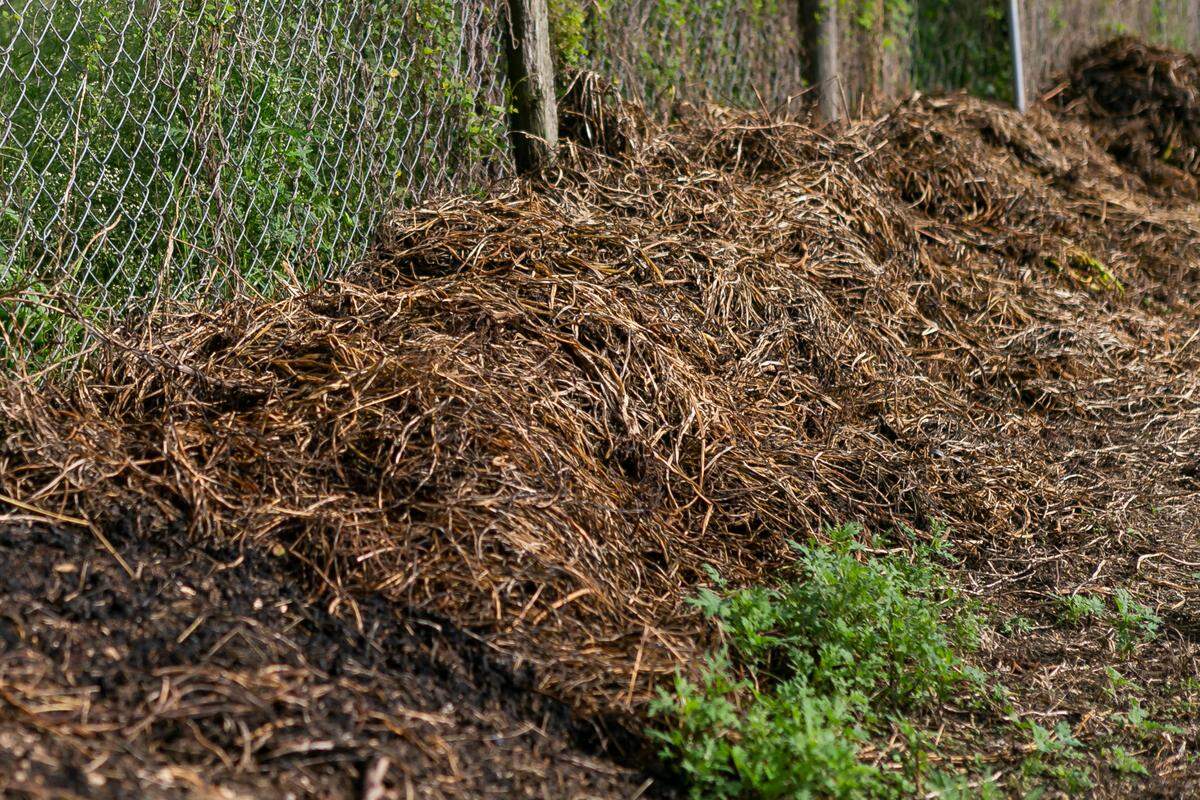
Rotten spinach sits on the edges of a farm in Homestead, Florida on Wednesday, May 27, 2020. The farm belongs to Juventino Custodio, 53, who was forced to let his spinach rot after the coronavirus pandemic caused a disruption in his supply chain process. MATIAS J. OCNER mocner@miamiherald.com
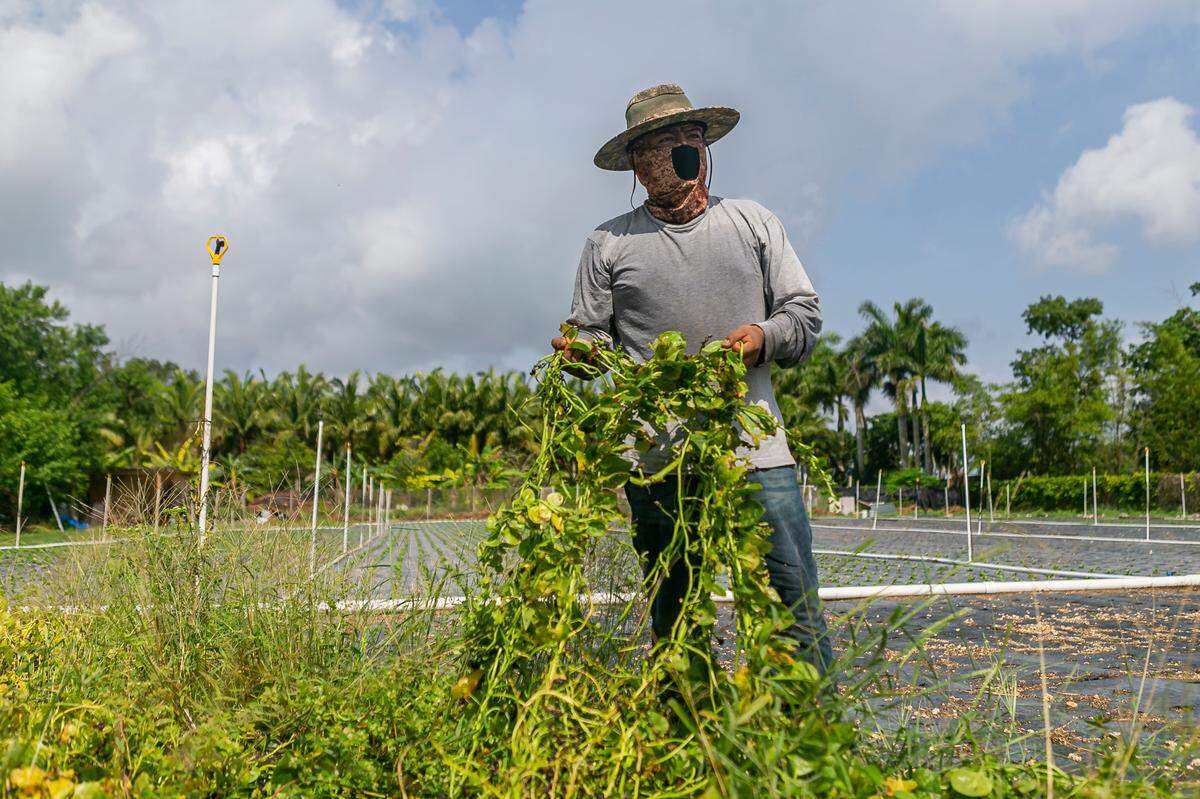
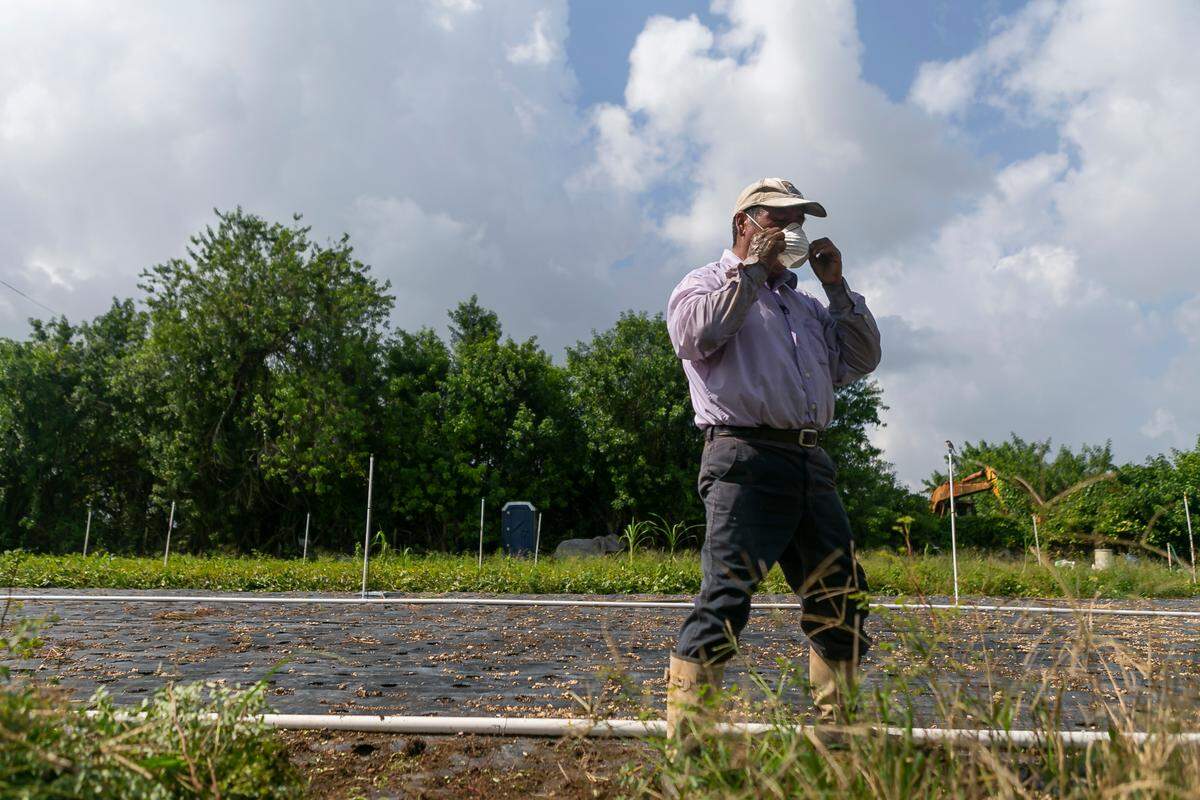
Juventino Custodio, 53, fixes his face mask as he continues to work on clearing his spinach farm in Homestead, Florida on Wednesday, May 27, 2020. Custodio was forced to let his spinach rot after the coronavirus pandemic caused a disruption in his supply chain process. MATIAS J. OCNER mocner@miamiherald.com
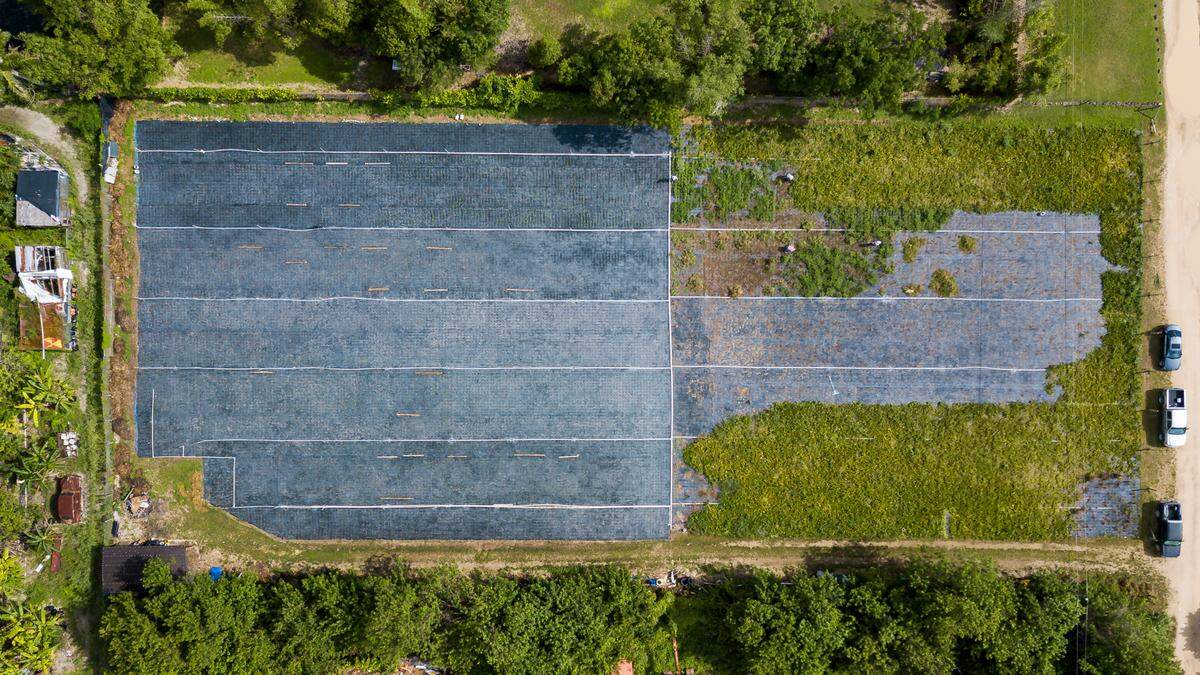
Aerial view shows farmers working to clear a spinach farm in Homestead, Florida on Wednesday, May 27, 2020. The farm belongs to Juventino Custodio, 53, who was forced to let his spinach rot after the coronavirus pandemic caused a disruption in his supply chain process. MATIAS J. OCNER mocner@miamiherald.com
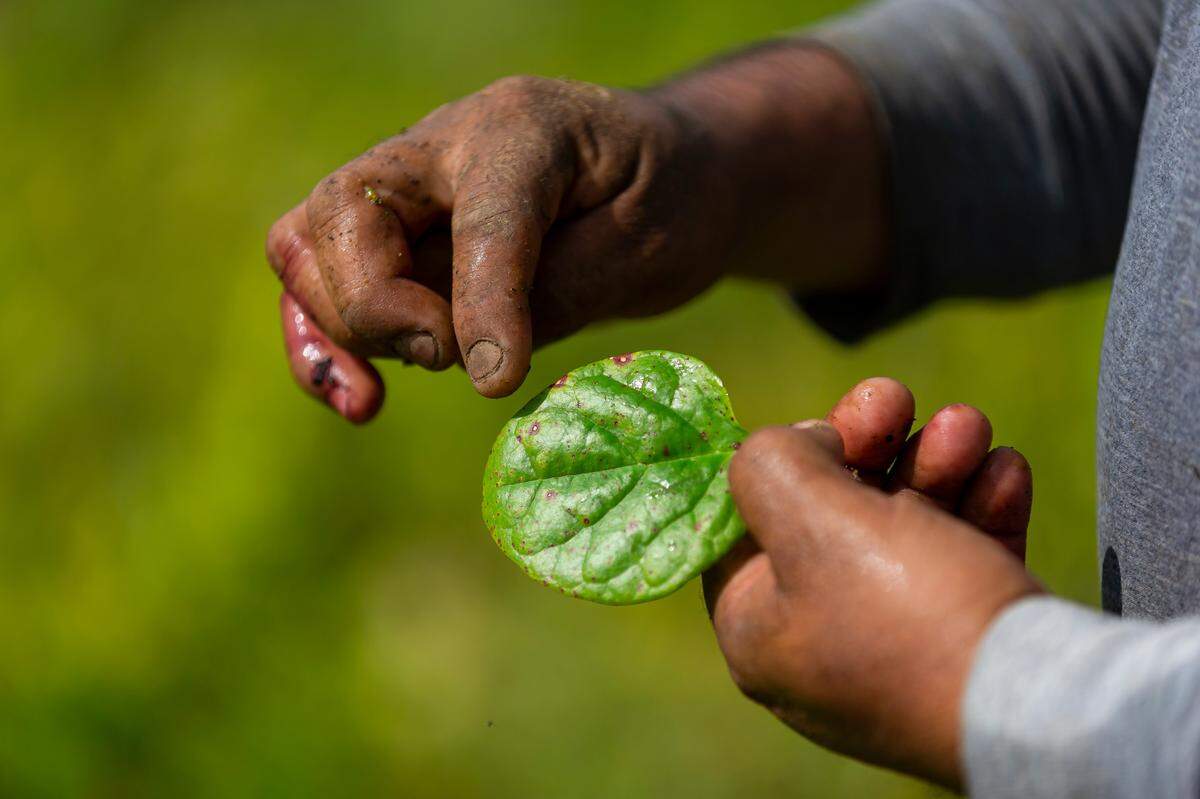
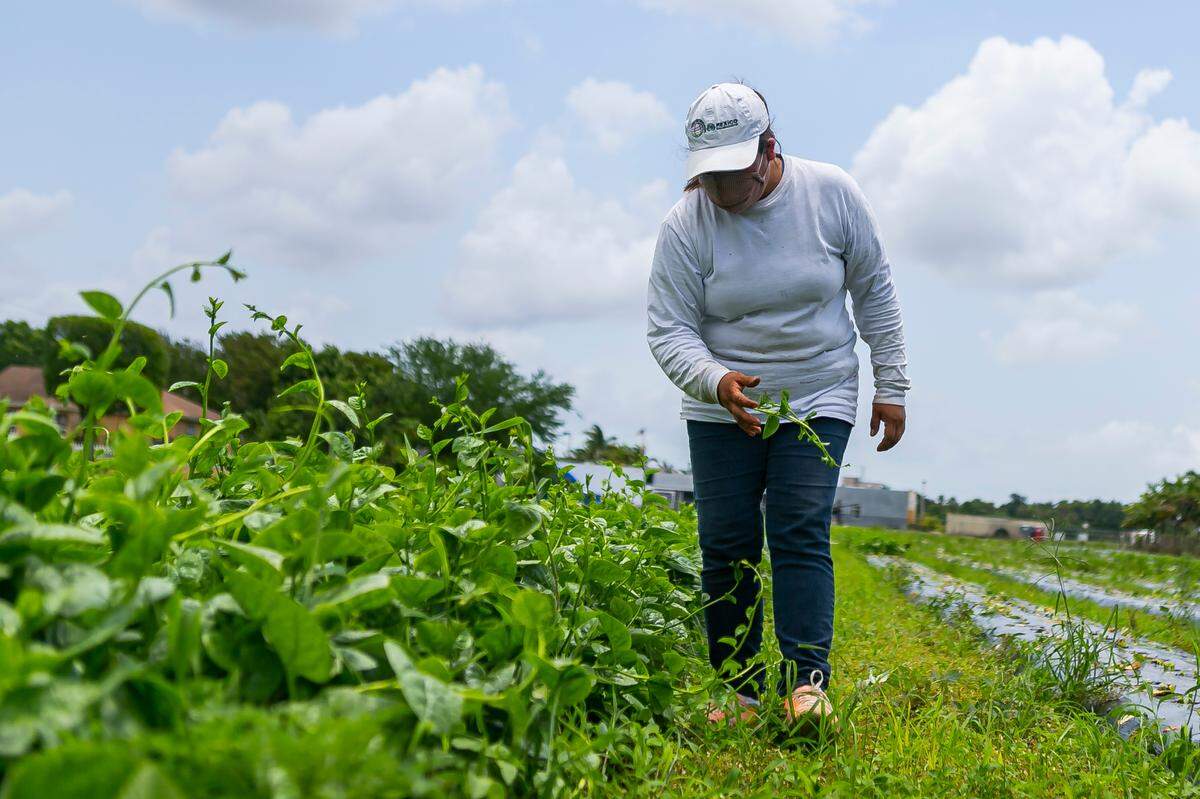
Veronica Custodio, 37, picks through spinach at her fatherÕs farm in Homestead, Florida on Wednesday, May 27, 2020. The farm belongs to Juventino Custodio, 53, who was forced to let his spinach rot after the coronavirus pandemic caused a disruption in his supply chain process. MATIAS J. OCNER mocner@miamiherald.com
Veronica Custodio, 37, plants spinach seeds at her fatherÕs farm in Homestead, Florida on Wednesday, May 27, 2020. The farm belongs to Juventino Custodio, 53, who was forced to let his spinach rot after the coronavirus pandemic caused a disruption in his supply chain process. MATIAS J. OCNER mocner@miamiherald.com
Healthy spinach grows on a farm in Homestead, Florida on Wednesday, May 27, 2020. The farm belongs to Juventino Custodio, 53, who was forced to let his spinach rot after the coronavirus pandemic caused a disruption in his supply chain process. MATIAS J. OCNER mocner@miamiherald.com
Healthy spinach grows on a farm in Homestead, Florida on Wednesday, May 27, 2020. The farm belongs to Juventino Custodio, 53, who was forced to let his spinach rot after the coronavirus pandemic caused a disruption in his supply chain process. MATIAS J. OCNER mocner@miamiherald.com
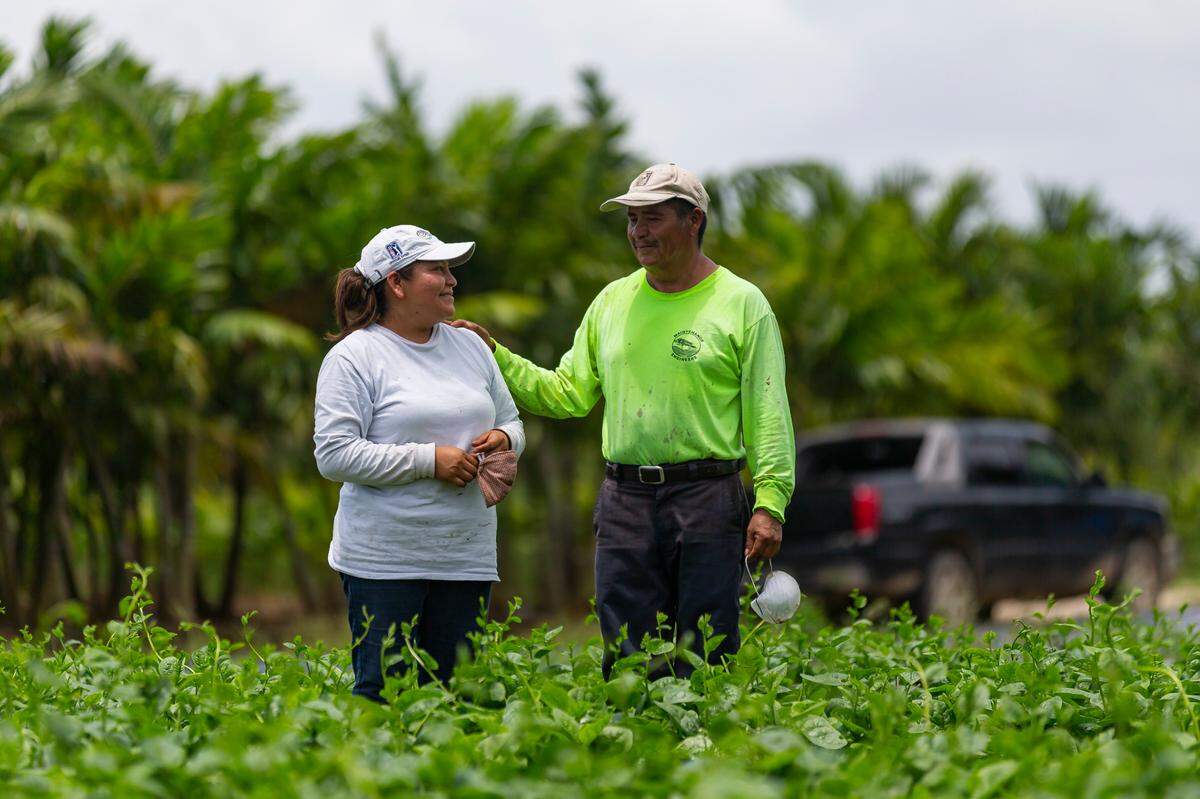
Juventino Custodio, 53, and his daughter, Veronica Custodio, 37, work at their spinach farm in Homestead, Florida on Wednesday, May 27, 2020. The Custodios were forced to let their spinach rot after the coronavirus pandemic caused a disruption in his supply chain process. MATIAS J. OCNER mocner@miamiherald.com
This story was originally published June 12, 2020 at 4:18 PM.