After deadlock and clashes, Hialeah council passes budget with rebate still unsettled
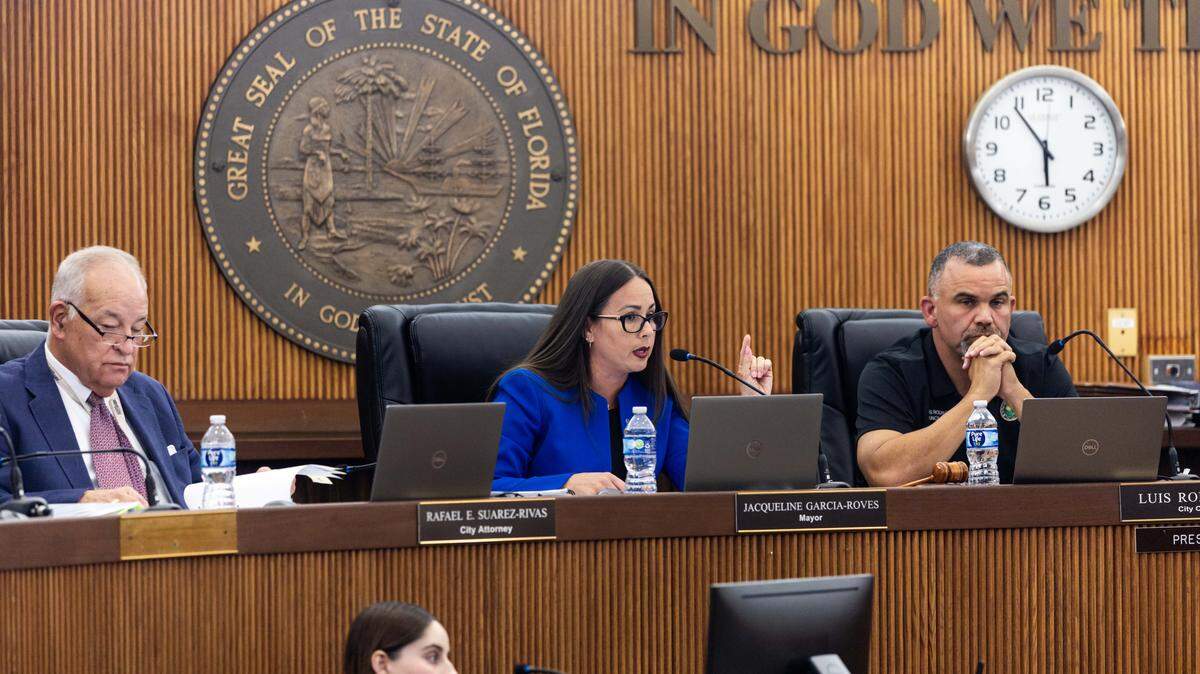
It took three tense meetings for the Hialeah City Council to finally settle on a flat-rate millage budget, approved under the condition that struggling homeowners will receive a one-time rebate to help ease their financial burden.
How much lower the millage rate should be, what kind of rebate would truly help working families, and where to find funds to offset rising utility costs were the key questions that deadlocked the council. After more than 12 hours of debate across three tense meetings, the council approved the city’s budget on first hearing Tuesday night, just one day before the deadline to pass a new spending plan.
Interim Mayor Jacqueline Garcia-Roves initially proposed a 1% reduction in the millage rate — a modest change that would save each homeowner about $11 per year but cost the city roughly $1.3 million in annual revenue. Councilman Jesus Tundidor countered with a more aggressive plan: a 10% cut that would save residents around $200 annually but reduce city revenue by an estimated $13 million per year.
Neither plan made it through.
Instead, the council voted to amend Garcia-Roves’ proposal, choosing to maintain the flat millage rate and move forward with a rebate check of $120 to $150 for each homesteaded property. The decision, expected to be finalized at next week’s council meeting, could cost the city between $3.2 million and $4.8 million in the next fiscal year. Tundidor cast the lone dissenting vote, holding firm on his call for a deeper, permanent tax cut over a one-time rebate.
The budget outlines operating expenditures totaling $471.7 million, a decrease of $13 million, or 2.8%, from the 2025 adopted budget.
Both Garcia-Roves and Tundidor are running for mayor in the upcoming November election, turning the budget debate into a preview of the political battle ahead.
READ MORE: Hialeah heads into most competitive election in over a decade. A look at the candidates
Garcia-Roves celebrated the budget’s approval, even though the final plan did not reflect her original proposal.
“I still see this as a victory,” she said. “Hialeah’s residents won’t see an increase in their water and sewer bills.”
Her plan includes absorbing the increased water and sewer fees imposed by Miami-Dade County, which the city estimates will cost more than $12.5 million in the next fiscal year.
Garcia-Roves acknowledged that the ongoing election season has made council dynamics more confrontational. Under former Mayor Esteban “Steve” Bovo, who stepped down in April to become a lobbyist, each of his budgets from 2022 to 2024 passed with a 6–1 vote. The lone dissenting vote each year came from then-Councilman Bryan Calvo, who is also running for mayor in November.
READ MORE: Hialeah’s $45,000 farewell to Bovo: When public money pays for private parties
Whether the promised rebate will be formally approved, and how it will be funded, remains unclear ahead of the next council meeting. Final approval of the city’s budget hinges on passing the rebate ordinance. Tundidor has made his position clear: if the rebate isn’t on the Sept. 23 agenda, he won’t vote to approve the final budget on Sept. 25 — and two other councilmembers will likely join him.
“If it’s not brought back,” Tundidor said, “whatever we decide on the budget doesn’t pass.”
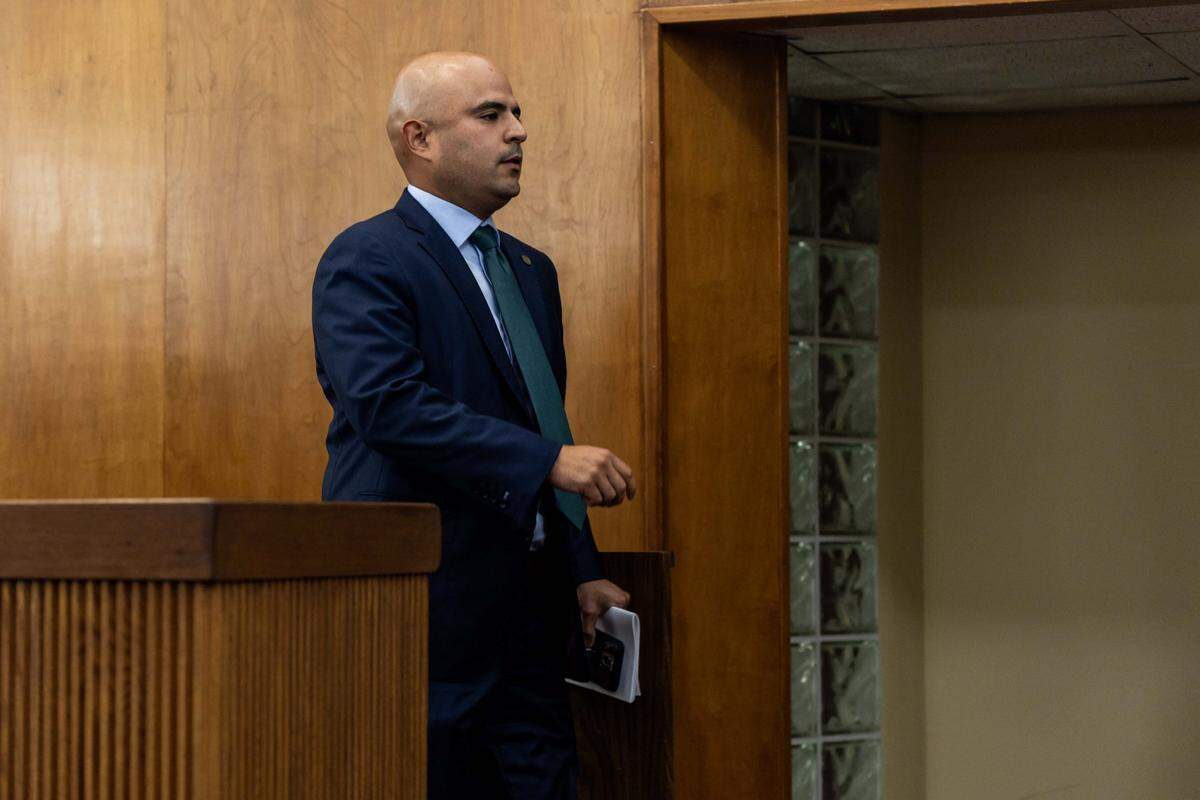
Tundidor presented the rebate proposal during Monday night’s budget meeting. In response, Garcia-Roves introduced two counter-options: one that paired her original 1% millage rate reduction with a $78 rebate for homesteaded property owners, which failed in a vote on Monday and Tuesday, and another that offered a $120 rebate with no millage cut, which remains the tentative option moving forward. After the budget approval, Garcia-Roves told the Herald she plans to push for a larger rebate for residents.
The evenly split council, with no tie-breaking vote, has revealed a lack of leadership at City Hall, as two hearings ended in deadlock. With four council seats and the mayor’s office on the November ballot, budget debate has turned into campaign posturing, with each candidate aiming to look like the fiscal hero willing to “give back” to residents, even at the cost of long-term stability.
Councilmembers Melinda De La Vega and Monica Perez, who frequently side with Tundidor, changed their vote on Tuesday, making possible the approval of the budget.
De La Vega, an interim member running for a permanent seat, said she changed her vote because the council was running out of time to approve the budget, even though Garcia-Roves returned to the third meeting with the same proposal she had presented the previous Thursday. “She was firm in her proposal, she wasn’t going to negotiate with us,” De La Vega said. “But we have a responsibility to act.”
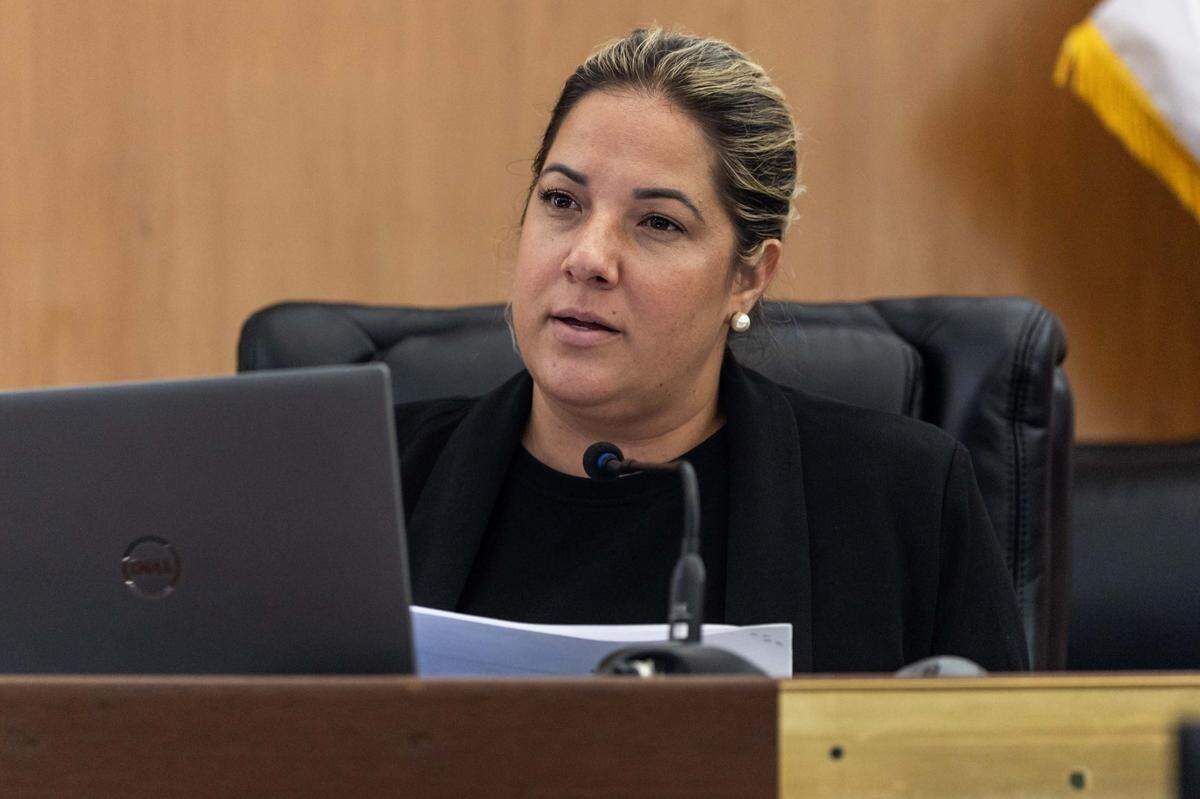
Perez told the Herald that the council aims to approve greater savings for residents than Garcia-Roves’ 1% millage rate proposal, but she accused the interim mayor of lack of transparency and failing to speak truthfully.
During Monday’s meeting, Perez confronted the mayor directly: “You’ve been very secretive about every move you make,” she said, requesting more information about the deductions the city was sacrificing for the rebate.
After the council failed to approve the proposed millage rate during Monday’s meeting, Garcia-Roves expressed her frustration: “I don’t think there’s going to be a new budget this year, thanks to three council members who are very irresponsible, including one” — she pointed at Councilman Tundidor — “who is a huge liability to the City of Hialeah. The city could probably go bankrupt. And yet, here we are, playing little games, going back and forth, wasting residents’ time.”
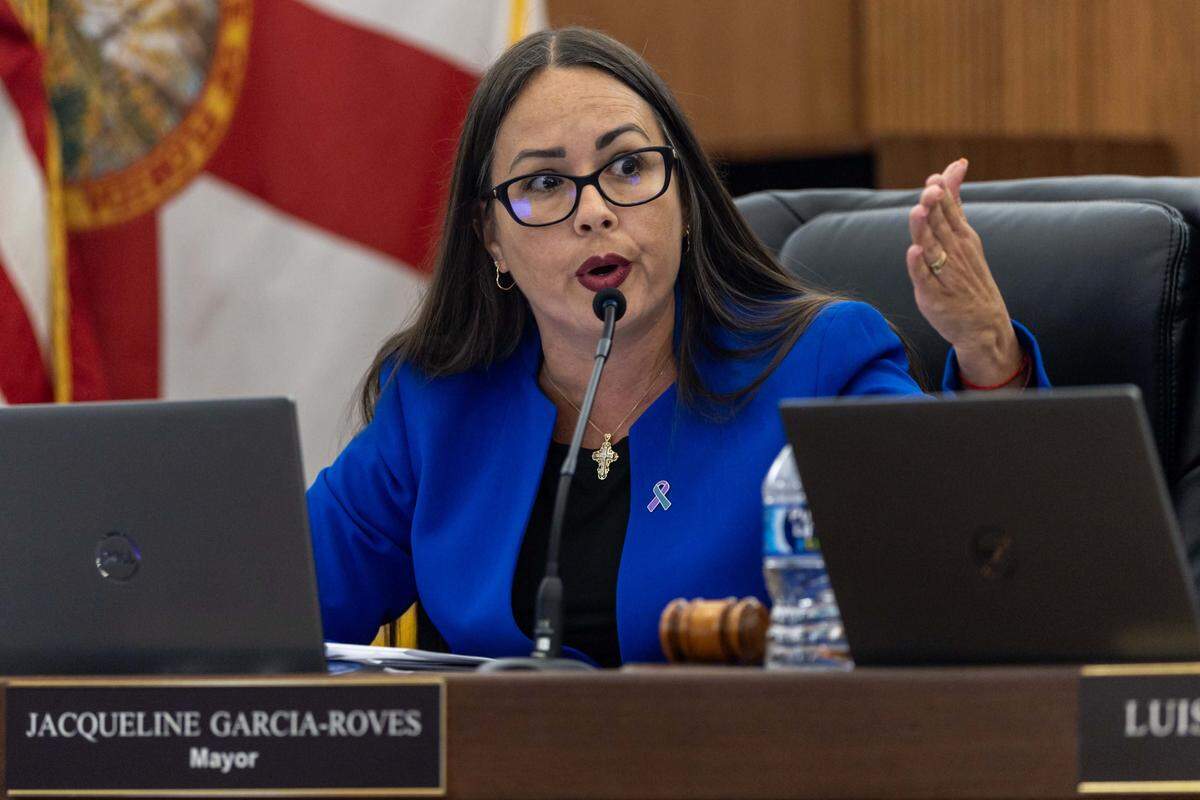
She referred to a liability stemming from a lawsuit that Councilman Tundidor’s father filed against the city and former Mayor Carlos Hernández. The suit challenges a 2019 police raid on their family’s strip club, which the family claims was retaliation for Tundidor’s campaign for a city council seat. The family is seeking $50 million in damages.
The final budget hearing is scheduled for Sept. 25, but the key challenge will be settled two days earlier during the regular council meeting. That session is expected to feature a debate over the size of the rebate Hialeah homeowners will receive next fiscal year and the financial burden it will place on the city.
This story was originally published September 17, 2025 at 12:12 PM.