Why is East Hialeah the slowest growing area of the city? The history explains it
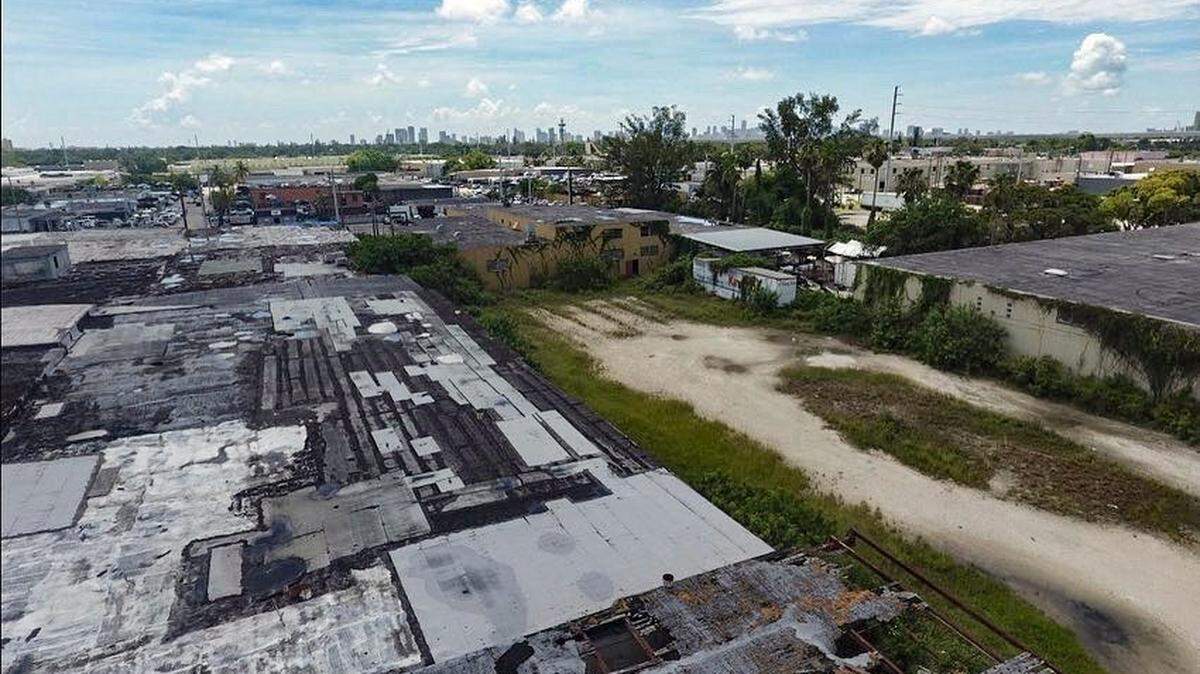
The eastern part of Hialeah is known as the most densely populated and least-advantaged area of the city. The area has seen less investment in recent decades and more reports of infractions involving the proliferation of efficiencies, illegal units that have been built or added to a house without the required permits.
The Hialeah Racetrack marked the beginning of the city’s growth. Located at 100 E 32nd St., it was initially set up as a dog track that later became a horse track. The surrounding area began to grow thanks to the construction of stables and houses for employees, Seth Bramson, the city’s historian, explained to el Nuevo Herald.
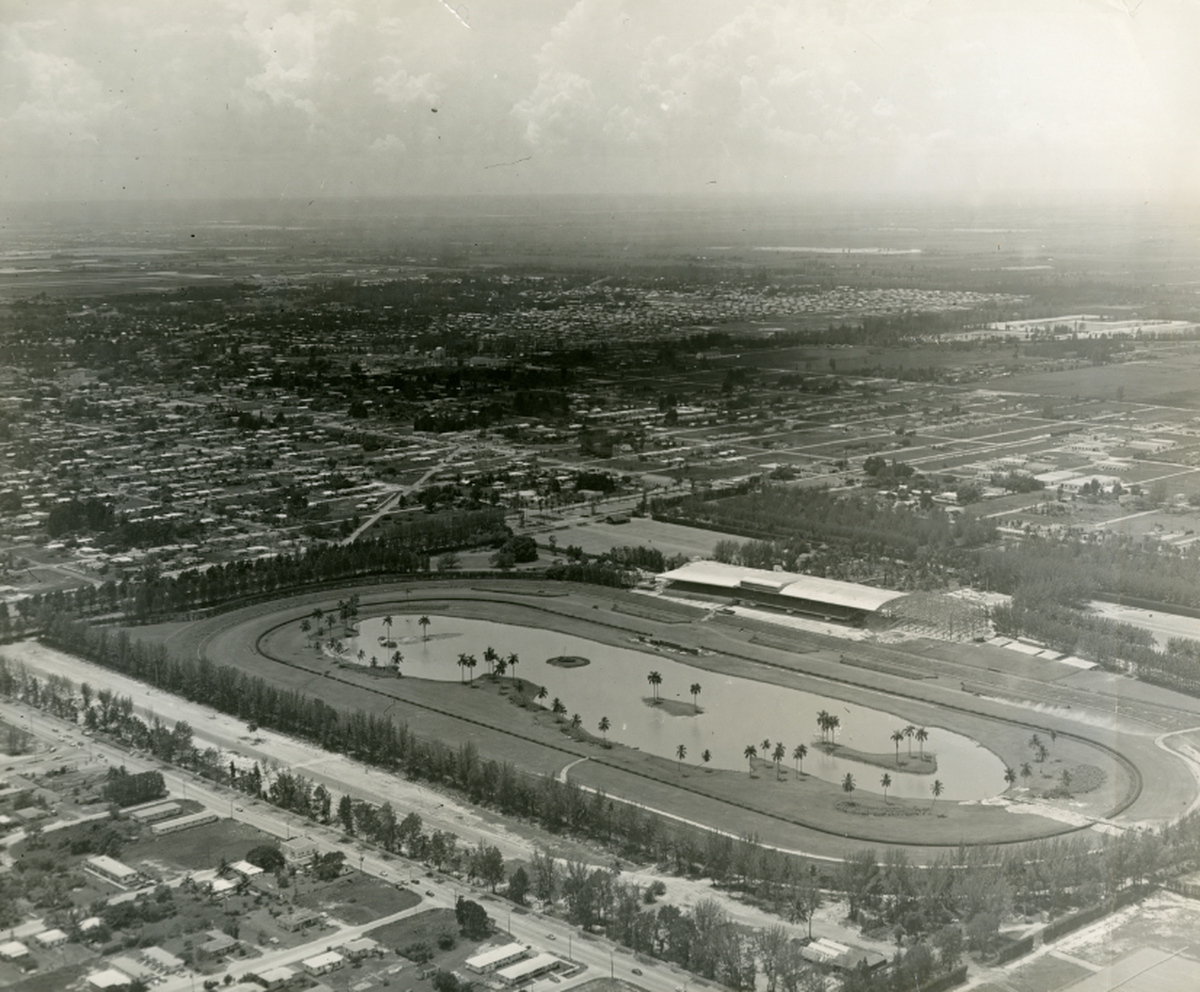
Amid the dairy farms in the eastern part of the city, industrial sheds, small factories, and shops began to pop up. It was the new business area of the city, the historian noted.
“The eastern portion of the city lagged behind, in terms of urban development. It was not developed at the same speed as the west. Its growth was slower,” Bramson said. “They didn’t have the same rich life, nor the same energy. There was a pattern of slow growth, but that doesn’t mean it can’t change in the future. We have seen other areas of Miami with little development such as South Beach that have changed with a bigger investment.”
Bramson said Hialeah did not have zoning regulations at the start, and that can be seen in the contrast with warehouses and homes on the streets of the eastern part of the city.
“Since the east of the city was the commercial area, people at first didn’t want to move to that area, but later it became a mixed area of family homes and businesses,” he said.
However, in recent years, the area has seen gradual growth, with the construction of housing developments such as Shoma Village on Hialeah Drive.
An entertainment zone has also begun to develop, with an art district designated seven years ago as an area for artists to develop their creativity.
The art district tries to mirror Miami’s Wynwood area.
In addition, Factory Town, a collection of open-air warehouses and industrial buildings set up for bands and DJ raves, has opened in the past year.
These projects have made it possible to reactivate the east and southeast of the city, although that might not be enough. That’s why the City Council is seeking to resume a 2015 project to create a Community Redevelopment Agency (CRA) that would “encourage investment in the area so that there is a fast growth that benefits its inhabitants and the whole city,” said Councilman Bryan Calvo, an advocate of the revitalization plan.
This story was originally published September 9, 2022 at 1:03 PM.