
Doral trash plant fire may collapse a building. ‘Two walls... are starting to cave in’
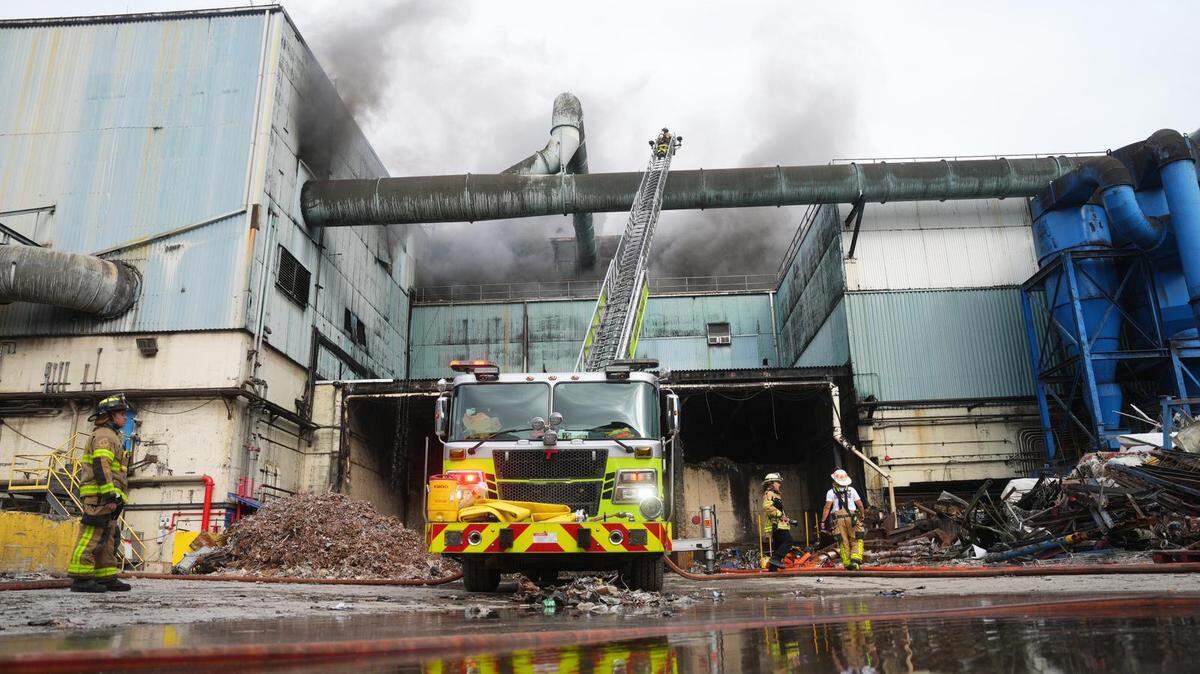
Two days of fire in Miami-Dade’s garbage incinerator plant have weakened the walls of a processing center holding 8,000 tons of trash, with the county fire chief on Monday predicting “imminent collapse” of the structure.
Though the fire still burns at the Doral facility, Fire Rescue Chief Raied “Ray” Jadallah said county crews have the blaze contained to a pair of buildings within the complex. No injuries were reported, and Mayor Daniella Levine Cava told reporters that air-quality testing shows no hazards in the nearby residential neighborhoods.
The press briefing at the county’s Emergency Operations headquarters, also in Doral, described a fire that’s left the county’s garbage-disposal system under stress but still expected to maintain its normal pick-up schedule.
READ MORE: Miami-Dade’s main garbage plant caught fire. What does that mean for trash day?
Even so, Miami-Dade’s Solid Waste Department said some customers on county trash routes may see trucks arriving late but that everyone should expect their bins to be emptied on their regular trash days.
“Please continue to put your garbage out by seven o’clock [in the morning] on your service day,” said Mike Fernandez, the county’s Solid Waste director. “Everything is normal.’
The fire at the privately run county waste-to-energy plant, located at 6990 NW 97th Ave., began Sunday afternoon. Jadallah said surveillance footage and accounts by workers at the 24-hour facility suggest the fire began on a conveyor belt and quickly spread. He declined to predict when the fire would be extinguished.
“How long will this fire burn? We’re still just not there yet,” he said.
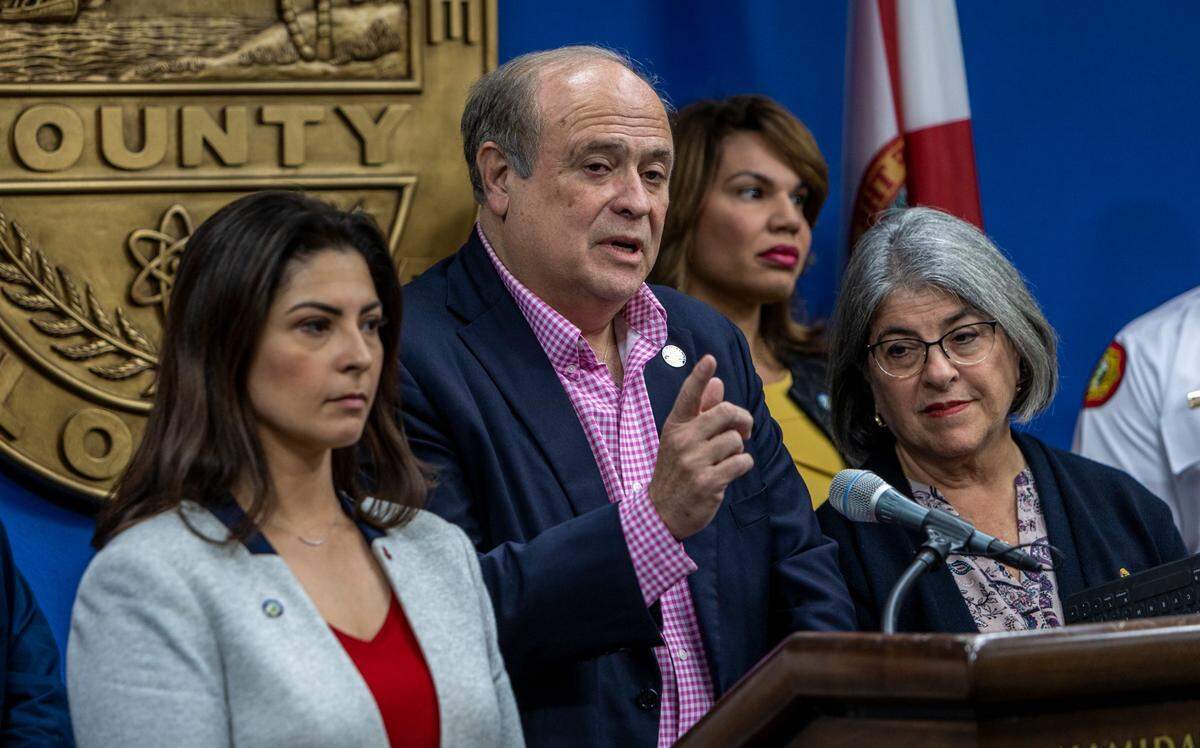
As the sun set Monday evening, a burning smell was in the air about two miles south of the plant and a few blocks from the Trump National Doral, a resort owned by the former president. Christi Fraga, the city’s mayor, urged people not to drive near the plant, where the response has prompted local road closures and traffic issues. “Please avoid the area,” she said.
The fire is now burning in adjoining buildings that include the “trash pit,” home to multi-story mounds of household and commercial trash delivered to the site daily by tractor trailers for incineration into electricity and exhaust from the smokestacks visible from miles away. A private company, Covanta, runs the facility under a county contract and sells electricity generated by incinerating about 3,000 tons of waste per day.
Jadallah said the main challenge comes from the structures weakened by more than 24 hours of fire. “One building has two walls that are starting to cave in. The second building we have no access to get fire trucks and hose lines in as a result of the warping metal and the imminent collapse.”
The county is asking residents near the site to remain indoors, and motorists driving through the area to keep their windows up. “If you don’t need to go outside for a couple of days, if possible, it’s probably the wisest thing to do,” said Juan Carlos Bermudez, a former Doral mayor who lives in the affected area and now serves on the County Commission.
Miami-Dade hasn’t specified the area of concern, but the Fire Rescue Department sent text message alerts to people living within a two-mile radius of the plant.
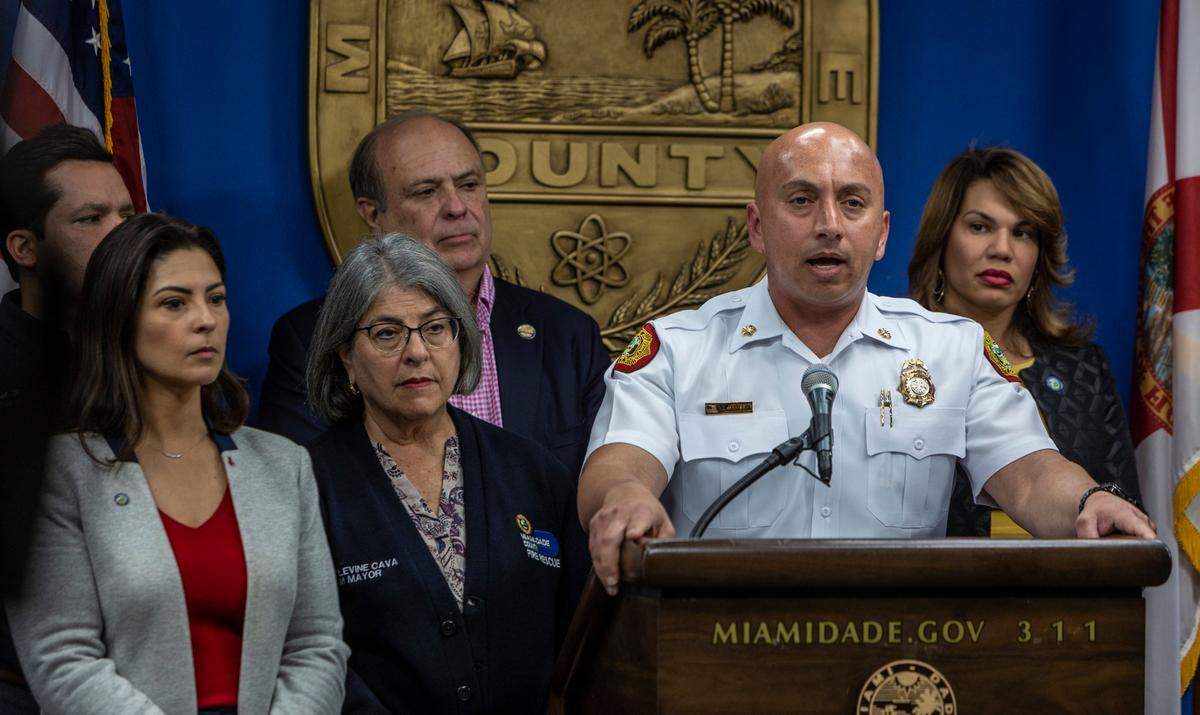
Levine Cava said the county requested testing by the federal Environmental Protection Agency, with a team expected Monday afternoon. She said county tests showed no harmful materials in the air from a plant that burns garbage every day and sends the smoke through filters designed to leave it mostly odorless and largely invisible.
“We’re continuing to monitor air quality,” she said. “All tests we are conducting have come back clear.”
The fire has revived concerns about Miami-Dade maintaining such a large incinerator plant near residential neighborhoods, which has sprouted up in the years since the facility first opened in 1982. Bermudez, who opposed Miami-Dade’s efforts to extend Covanta’s contract on the site, said the fire is a reminder of the hazards of the plant being near where people live.
“I’ve been arguing about this for 20 years,” he said. “The most important thing is nobody got hurt.”
This story was originally published February 13, 2023 at 7:00 PM.