A Coral Gables attorney who abandoned paying clients has been disbarred
.jpg "Archive.")
A Coral Gables attorney has been disbarred for abandoning clients after taking their money, ignoring court orders, extorting clients and lying to the state Supreme Court. The state’s top court “permanently disbarred” Jay Farrow on May 21.
That followed the recommendation from 11th Circuit Judge Ritamaria Gonzalez Cuervo, the referee for the seven-count discipline case against Farrow brought by the Florida Bar: permanent disbarment, payback of illegal or excessive fees in these cases and paying the Bar’s case costs of $3,506.
Cuervo found the Bar showed that Farrow “engaged in blatantly abusive litigation tactics 2) failed to comply with court orders 3) charged excessive fees, 4) misappropriated fees paid by clients when he failed to perform the contracted legal services, 5) abandoned his clients and law practice, and 6) committed fraud on the Court by filing false or fraudulent documents in the disciplinary proceedings.”
Farrow, 50, had been a Bar member since March 2003 with a previously clean discipline record.
While the Bar convicted Farrow on those professional discipline cases, discipline documents say 13 grievances had been filed against him. More than a dozen of his clients spoke to the Miami Herald for a November 2024 article about money-for-nothing attorney-client relationships with Farrow.
Clients who checked with the Florida Bar complained the organization didn’t let them know about another long, ongoing disciplinary proceeding against Farrow. As that progressed at the typically turgid pace of disciplinary matters, anyone checking Farrow’s Bar profile would see “Member in Good Standing.”
READ MORE: Clients say Miami lawyer disappeared, Florida Bar didn’t warn them of his past
After that article, Farrow filed a federal court lawsuit in February 2025 against Miami Herald reporter Ben Wieder, Herald parent company McClatchy and many others, alleging a complex cyberscheme targeting Farrow’s family.
The suit was thrown out after the state Supreme Court granted the Florida Bar’s request for Farrow’s emergency suspension in August 2025. Because Farrow was serving as his attorney for all three plaintiffs — he, his wife, his infant child — he needed to withdraw from the case, U.S. District Court Judge Rodney Smith said in a Sept. 9 court order.
“The Court also directed Mr. Farrow to further explain why he failed to inform the court of the Florida Supreme Court’s Order,” Smith wrote in his Sept. 16 dismissal order. “The Court explained that failure to comply with its order would result in dismissal of this action without further notice. Mr. Farrow’s deadline to respond to the Court’s Order was Sept. 15, 2025. However, Mr. Farrow failed to comply with the court’s order.”
So, the case was dismissed.
Discipline cases against Farrow
After the emergency suspension, Gonzalez Cuervo said in her referee’s report filed Nov. 4, Farrow didn’t participate in the discipline process. The state Supreme Court docket shows Farrow filed an intention to object to the referee’s report on Jan. 5.
Farrow’s intention to object to the referee’s report included the claim that Gonzalez Cuervo’s “findings ... were produced by fraud upon the court directly or indirectly” and “the proceedings were tainted by denial of due process, including compromised service channels, cyber interference with communications and consolidation orders entered without proper notice.”
Similar claims of cyberskulduggery marring the discipline process filled Farrow’s 536-page petition filed Feb. 9. Both the petition and Farrow’s intention to object to the referee’s report were dismissed on April 21.
The following descriptions of the discipline cases against Farrow come from lawsuits and the referee’s report:
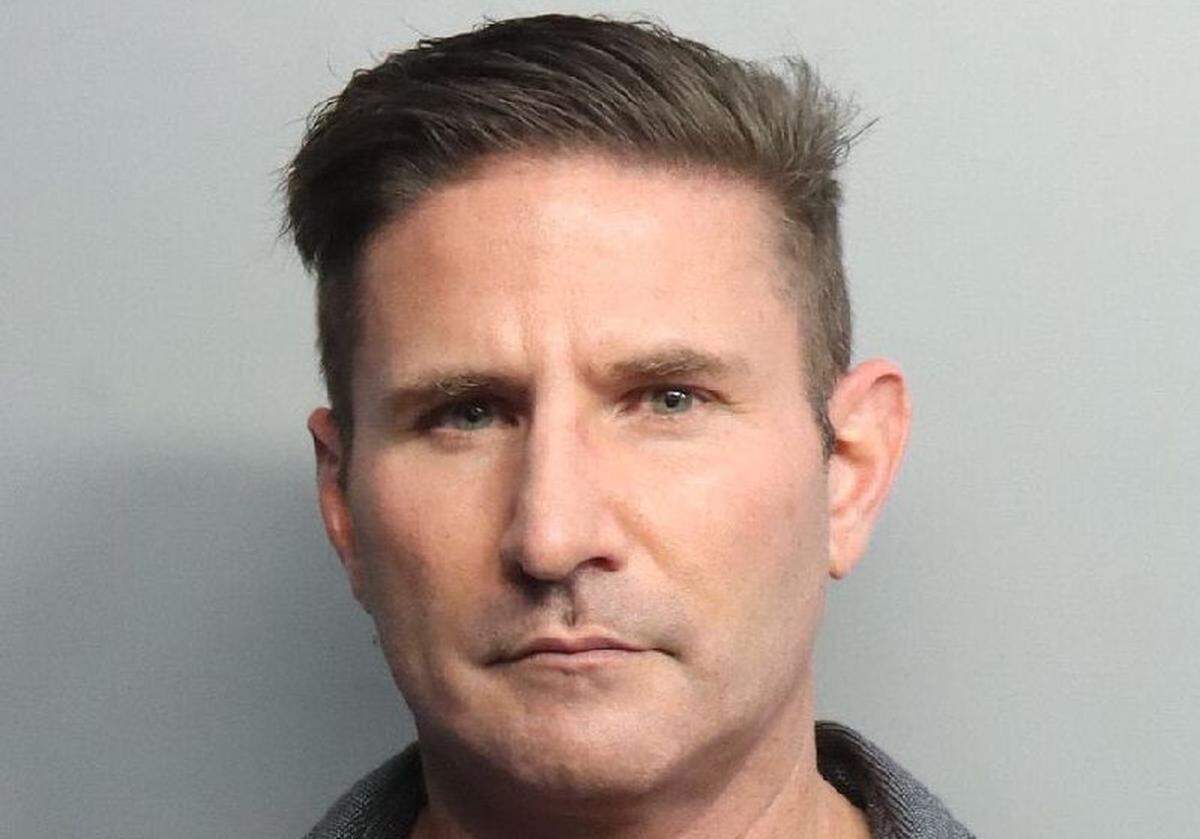
Count 1: Louis Spagnuolo hired Farrow Law after a disagreement with Insurance Office of America, co-founded by John Ritenour and for which Heath Ritenour was a director. Farrow served IOA with a “Proposal of Settlement,” demanding the company pay $5,788,123.23 or face “’[a] highly charged public litigation spectacle.’”
Farrow “engaged in egregious and intentional misconduct when he attempted to extort millions of dollars from John and Heath Ritenour and their company,” the referee’s report said. “When that attempt failed, [Farrow] and his client set out to destroy the Ritenours by making false, slanderous, and malicious defamatory statements to the public, the media, and their clients. These statements included false allegations of criminal investigations for theft, fraud, and RICO offenses.”
To support the lies he spread via press releases, Google Ads, LinkedIn and YouTube, Farrow even included a mug shot of one of the Ritenours. The mug shot, however, had nothing to do with any current criminal investigations, which didn’t exist anyway — the photo came from a misdemeanor reckless driving arrest 23 years earlier.
Farrow “also filed frivolous lawsuits against the Ritenours, their spouses, parents, and even their pastor to pressure them to “settle” the frivolous lawsuits,” Gonzalez Cuervo wrote.
Count 2: The U.S. District Court for the Middle District of Florida found Farrow demonstrated a “pattern of weaponizing the court process to his own ends,” and Gonzalez Cuervo agreed.
To execute this weaponization, the referee said, Farrow would “file frivolous claims to put pressure on the opposing party to settle, and thereafter fail to prosecute the matters, ultimately abandoning the claims altogether.”
After filing the specific federal case referenced by the Bar, the referee said Farrow ghosted the other side’s attorneys, “failed to cooperate with setting dates, failed to comply with discovery obligations, and repeatedly failed to appear in court.”
When Farrow told the federal court his computer had been hacked and “asserted that all calls, emails, and orders from both the opposing counsel and the court were a ‘computer generated hoax,’” the referee report said, “the court found such explanations to be implausible since [Farrow] himself initiated the lawsuit and would necessarily expect such communications and court orders in the ordinary course of litigation.”
The U.S. Middle District Court sanctioned Farrow for using abusive litigation tactics.
“Thereafter, [Farrow] failed to pay the monetary sanction as ordered by the court,” the referee’s report said. “[Farrow] failed to comply with the court’s continuing orders to cooperate and participate in discovery.”
Each of the next four counts fall into the “money for nothing” category. The referee said the Bar proved that Farrow hit the client with “an excessive fee and, thereafter, misappropriated that fee” when he didn’t do the work.
Count 3: The Bar complaint said Oscar Marenco paid Farrow $100,000.00 to defend him in a lawsuit. After providing what the referee described as “minimal legal services,” Farrow spent more time avoiding work on the case than doing it. Instead of answering the plaintiff’s injunction, he filed for a continuance, didn’t show up for the hearing, then filed another continuance, which was also denied. Farrow didn’t tell Marenco about either denial, only fibbed that he was working on an answer. And, told him not to show up for the injunction hearing.
Because they didn’t show up and Farrow didn’t present a “defense against the injunction in any way, the trial court granted the injunction and ordered Mr. Marenco to pay $269,000.00 to the opposing party,” the referee’s report said.
Farrow kept Marenco in the dark about that, also. He didn’t answer Marenco’s calls, the referee’s report said, which continued only until Marenco learned Farrow closed his office.
Count 4: St. Petersburg go-kart track owners Terrence and Bobbie Downs paid Farrow $80,000 to defend them in a lawsuit and file a countersuit.
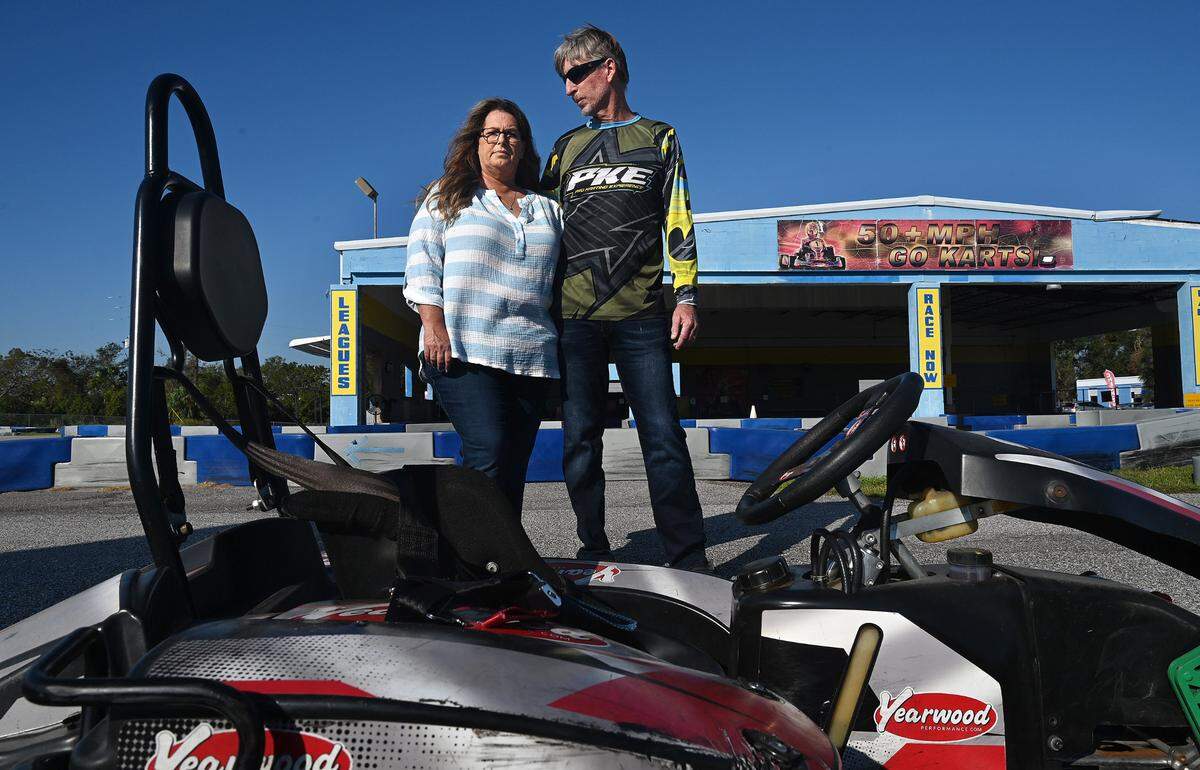
“[Farrow] thereafter performed no legal services on their behalf, failed to respond to all communications and permanently closed his office,” the referee’s report said.
Count 5: After Farrow “described the services he would provide in detail,” the referee’s report said, Joseph Curio paid him $73,000. In return, Farrow did nothing beyond filing a notice of appearance.
Count 6: Patrick Duquenne paid $5,000 for Farrow or an associate to show up at an arbitration that was part of a lawsuit. The associate went, but later left Farrow Law. Farrow wanted and received another $7,000 to continue handling Duquenne.
“From the time of the second payment, [Farrow] failed to perform any legal services on Duquenne’s behalf,” the referee’s report said. “[Farrow] also ceased all communication with Duquenne, despite his numerous voicemail messages to [Farrow’s] personal cell phone, his WhatsApp, and/or text communications.”
Count 7: When Farrow didn’t respond to the 13 Bar grievances filed against him, the Bar asked the state Supreme Court to find Farrow in contempt. Farrow filed a plea to the court stating he and the Bar agreed to throw out the contempt action. That was a lie.
“The Bar informed [Farrow] that no such agreement had been reached, but he filed the pleadings anyway,” the referee’s report said. “Per the evidence presented, [Farrow] fabricated emails to ‘support’ his position that the Bar agreed to dismiss the contempt action. He also filed a fraudulent ‘Stipulation’ containing what purported to be Bar counsel’s e-signature.”