Clients say Miami lawyer disappeared, Florida Bar didn’t warn them of his past

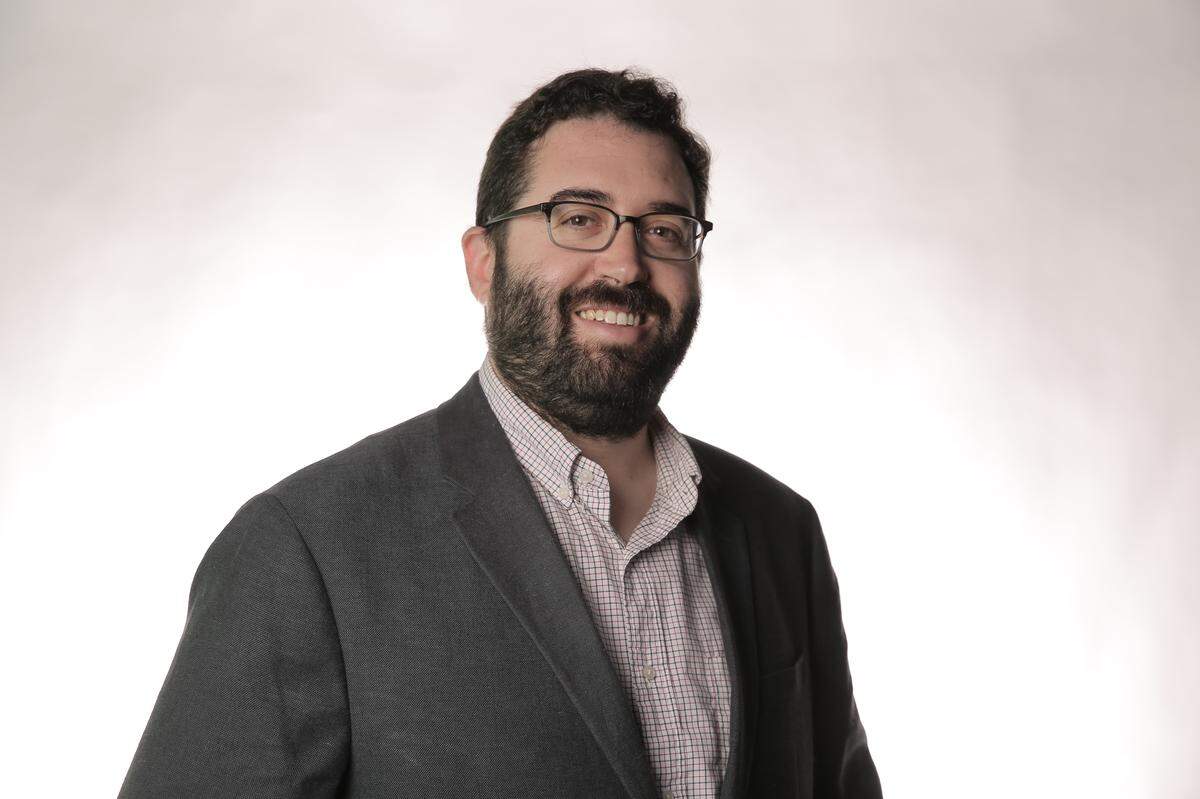
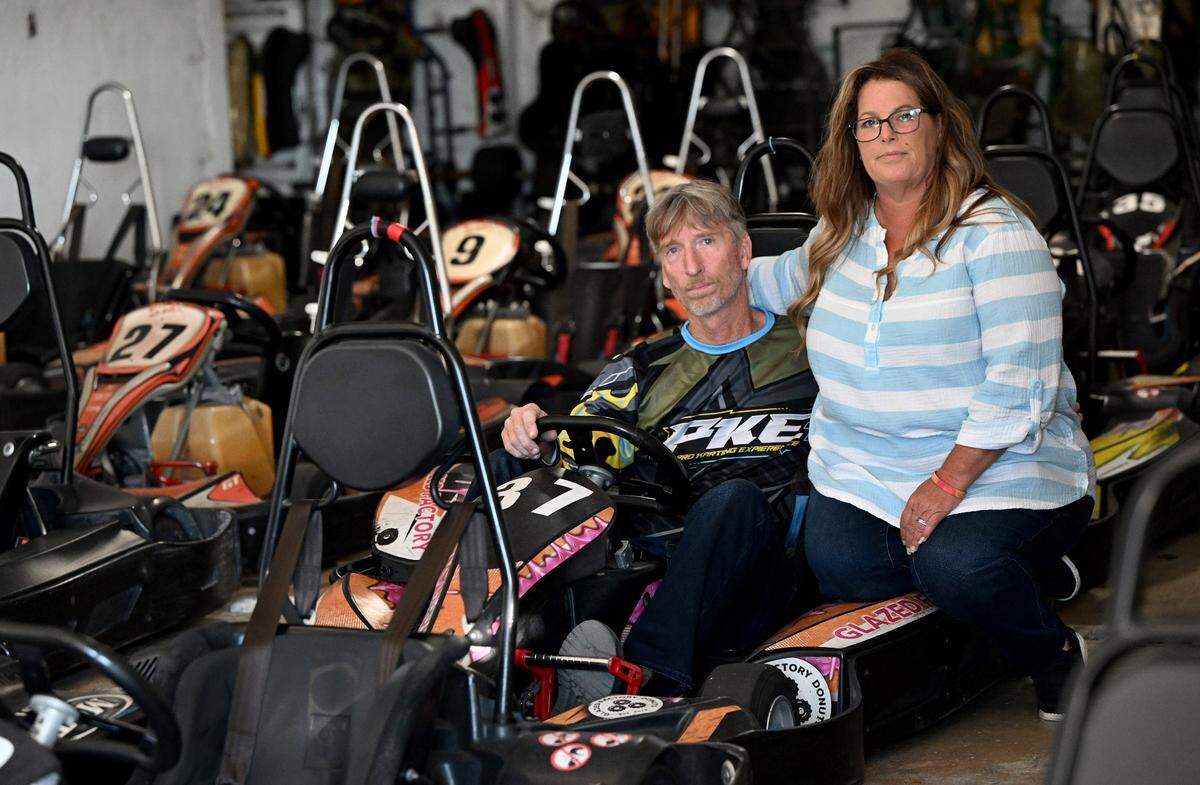
When Bobbie and Terry Downs hired Coral Gables attorney Jay Farrow last fall, they thought they were getting a bulldog who would finally put an end to their lengthy dispute with the landlord of their St. Petersburg go-kart racing track.
The couple took out a second mortgage on their St. Petersburg home to pay Farrow an $80,000 retainer to file a lawsuit against their landlord, money they felt would be well worth it to put an end to a conflict that stretched back four years.
One year later, the couple now say they have been abandoned by Farrow, whom they haven’t been able to reach in months. They have since filed a complaint with the Florida Bar in which they wrote that Farrow never filed the promised lawsuit against their landlord. With their lease set to expire with no resolution to the conflict, they worry they will have to shut down their business altogether.
The Miami Herald spoke to more than a dozen former clients who say they were similarly deserted by Farrow after paying him thousands of dollars to take on their cases. Many of them have also filed complaints against Farrow with the Florida Bar.
The Florida Bar already had a disciplinary proceeding underway against the attorney that began more than three years ago. But the Bar didn’t share that information with several of Farrow’s former clients who said they had contacted the Bar to inquire about him. Farrow, who has been arrested four times since 2013 for substance-abuse related offenses, remains listed as a “member in good standing” on the Bar’s website, which gives no indication that he has been the subject of an ongoing disciplinary review.
“We would have never hired this guy if that information was out there,” Bobbie Downs said.
Farrow’s disappearance has put his former clients in severe financial jeopardy.
Some said they have been forced to take on new attorneys — at great additional cost — to finish Farrow’s job. One former client declared bankruptcy after he said Farrow took thousands of dollars in fees, and the client was unable to recover $36,000 owed by his former employer.
Glen Scharfeld, a former deputy at the Hillsborough County Sheriff’s Office, said that he and his wife, Michelle, consulted the Bar earlier this year as they decided whether or not to hire Farrow.
After they were told he had no disciplinary record, they hired Farrow in April. They said they paid him $45,000 to help resolve a dispute between their home health care business and a builder and bank they had contracted with, but that Farrow did none of the work he promised.
“You need to put something on his record, because look what this guy did,” Scharfeld said of the Bar. Scharfeld and his wife have since filed a complaint against Farrow with the Bar and have also been in touch with the Coral Gables Police Department.
Records show Farrow participated in court-mandated treatment programs that made most of the charges from his arrests go away, including one for possessing crack cocaine and another for possession of cocaine and fentanyl. He has also participated in a lawyers assistance program that provides help to attorneys dealing with addiction and mental health issues at the behest of the Bar.
When asked whether the Florida Bar believes it has an obligation to inform prospective clients about an ongoing disciplinary proceeding, Bar spokesperson Jennifer Krell Davis told the Herald, “The status of an attorney is only changed once a final order of discipline is issued by the Florida Supreme Court.”
Several of Farrow’s former clients told the Herald they have filed complaints against him with the Bar and shared the text of those complaints. They are pending resolution. Several also told the Herald they have spoken with officers in the Coral Gables Police Department about Farrow’s conduct. The department did not respond to multiple requests for comment.
Farrow’s string of arrests highlights the dilemma faced by the legal system and the Bar in balancing rehabilitative and punitive approaches when dealing with attorneys whose substance abuse or mental health issues might interfere with their ability to adequately represent clients.
Patrick Krill, an attorney and addiction counselor in Pittsburgh, said that while he endorses a rehabilitative approach and ongoing monitoring to help attorneys struggling with these issues, legal organizations need to take action if those measures don’t work.
“Bar associations have an obligation to protect the public,” said Krill, who advises law firms on dealing with these issues and used to run a treatment program for legal professionals dealing with addiction and mental health problems.
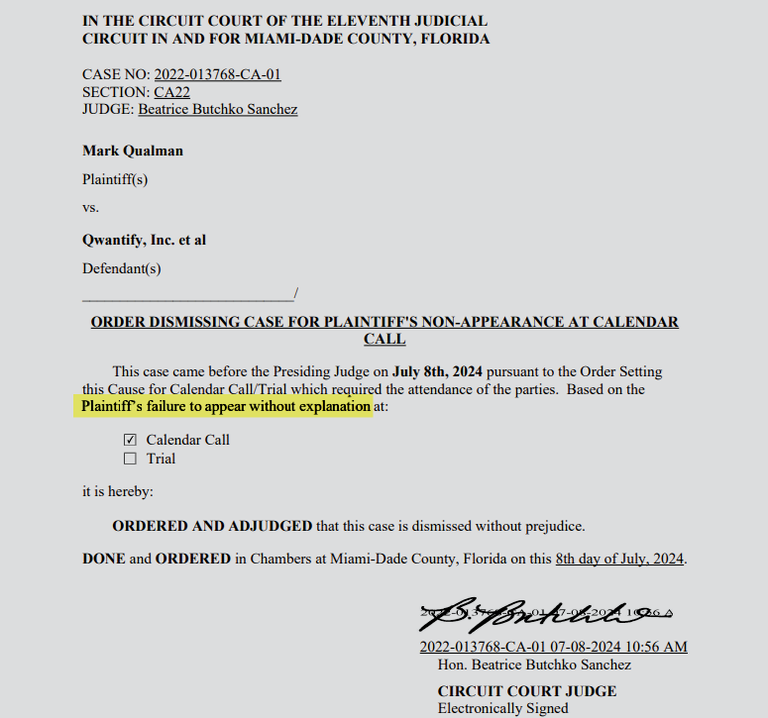

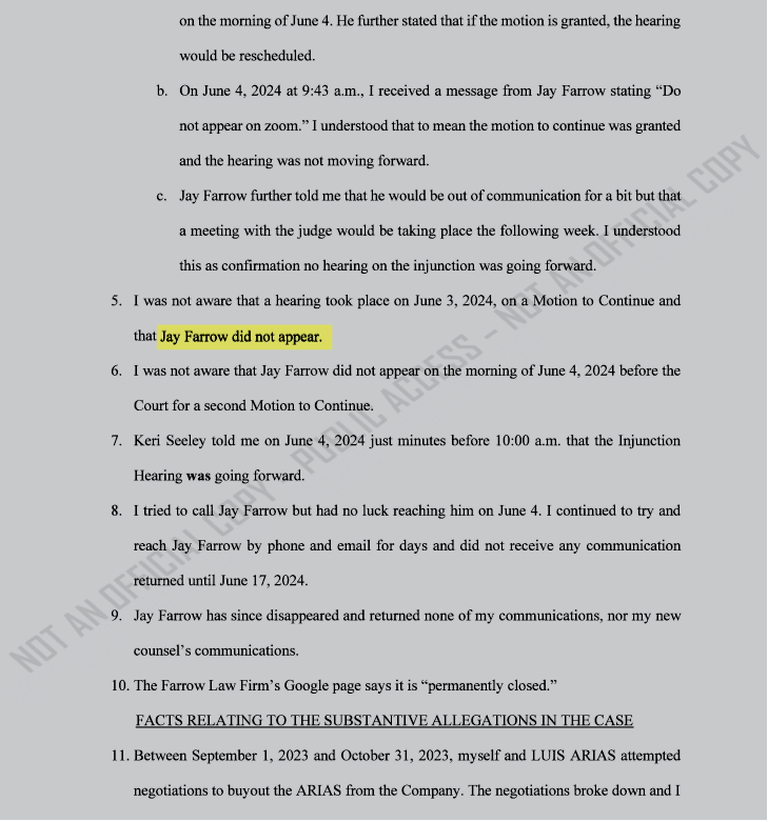
Farrow spoke with the Herald for nearly two and a half hours earlier this month as he drove from Miami to Tallahassee to share information with the Florida Bar.
He blames his inactivity on what he has described in unrelated court filings as a far-reaching cyberattack carried out by a consulting company hired by a company he sued. He has said that beginning in June, the cyberattack has blocked him from receiving calls from his clients and prevented him from opening files on his law firm’s computer system. He also believes the Bar has been compromised.
His arguments have been met with skepticism so far in the courts, with a Miami-Dade judge writing in one filing that the evidence Farrow provided to support his allegations is “either incomprehensible or speculative.”
Krell Davis told the Herald, “There has been no credible evidence of a cyberattack or intrusion affecting the Bar.”
Farrow expressed regret in his conversation with the Herald about the experiences his clients have gone through but said that he and his clients are both victims of the cyberattack, which he laid out in great detail.
“It weighs heavily on my heart that they had to experience their lawyer disappearing from their case,” he said. ”I’m looking for them to get as much justice as they can.”
Farrow said that he doesn’t have the money to repay his clients their fees — although he couldn’t explain where the money went — but hopes the lawsuits he has filed in response to the alleged cyberattack will “effectuate something to make them as whole as possible.”
The Florida Bar has a fund that compensates victims if “no useful services were provided,” but the maximum award is $5,000, a fraction of what many of Farrow’s clients paid him, and clients are only eligible for compensation from the fund if the attorney they hired has been disciplined.
For Bobbie and Terry Downs, the situation with Farrow has put the future of their business at risk. Not only did Farrow fail to file the lawsuit he promised them, he also counseled them to give up a court-ordered five-year extension on their lease during mediation proceedings.
Now, with their lease set to expire soon, they are unsure if they will be able to keep operating.
“We’re at our wits’ end,” Terry Downs said. “We’re not eating, we’re not sleeping.”
‘Rambo-type litigation tactics’
“One of the most frequently asked questions I get is, what does it mean, exactly, that your law firm is revolutionizing the practice of law?” Farrow says in one of several videos on his website.
The philosophy laid out in the videos can be boiled down to applying maximum pressure on the opposing side.
Farrow said he draws up lawsuits as if “preparing for war” and threatens to file them in court if the other side doesn’t settle.
He issues press releases and creates online videos to blast out allegations against his client’s opposing party to the public, hoping to reach potential witnesses.
The tough-talking videos are what drew several of Farrow’s former clients to hire him.
And the tough talk didn’t end in the videos.
Farrow frequently counseled clients to file civil racketeering lawsuits to settle their business disputes, which some judges have described as the “litigation version of a thermonuclear device.”
Those cases relied on Florida’s version of the federal Racketeer Influenced and Corrupt Organizations Act, or RICO Act, which was created in 1970 to give federal prosecutors a tool to go after mob bosses.
They aren’t easy cases to win, said Etan Mark, a Miami attorney who specializes in RICO cases and has written about them for the Florida Bar.
“You have to know what you’re doing to allege a viable RICO claim,” he said.
While a successful RICO case could entitle clients to up to three times the amount of potential damages, a failed claim could put a client on the hook for the opposing party’s legal fees.
Former Farrow client Michael Mays found that out the hard way.
His RICO claims were dismissed, with Palm Beach County Circuit Court Judge James Nutt writing that it was a “classic example” of a lawsuit that should have been filed as a “garden variety breach of contract claim” rather than a RICO suit.
Then the judge ruled that Mays was responsible for paying his opponent’s legal fees — which added up to $265,000.
That was on top of more than $500,000 Mays said he and his wife had already paid Farrow.
“Jay was so confident that this is what he’d done in the past, we just took him at face value,” Mays said. “Looking back now, we definitely made the wrong decision by going that route of the RICO.”
Farrow, for his part, said that despite the outcome, he doesn’t regret bringing the RICO charges in that case.
“I saw the elements,” he said. “I would make the same call.”
Farrow’s aggressive legal tactics didn’t endear him to judges — and have put him in legal jeopardy himself.
Palm Beach County Circuit Court Judge Donald Hafele accused Farrow in 2021 of “Rambo-type litigation tactics” after he sent material to the investors of his client’s opponent that included accusations of fraud and civil racketeering against that company, despite a court order prohibiting it.
Hafele wrote that Farrow acted as if he believed he had the right to do anything he wanted in an order dismissing the charges brought by Farrow’s client and entitling his client’s opponent to collect legal fees for the case.
Farrow currently faces two active defamation lawsuits brought against him by companies he sued on behalf of his clients.
In those cases, both companies accused Farrow of sending letters to their employees demanding that they pay his clients or risk being sued themselves.
One of the companies also accused Farrow of issuing press releases “littered with sensationalistic accusations” and using fake email and social media accounts to spread them, among other allegations.
The cases are still pending.
‘I know I’m gonna get away with this’
On the afternoon of Aug. 6, 2013, Farrow rammed his car into the vehicle in front of him, fled from his car and ran to a nearby Hialeah gas station to buy alcohol, according to an arrest report.
He was taken into custody by Hialeah police officers, and when they placed him in the back of their cruiser, he became irate, banging his head and kicking the windows, the report says.
Once he calmed down, Farrow told an officer, “I’m a lawyer, I know what I was doing and I know I’m gonna get away with this.”
Farrow entered a pretrial diversion program, and eight months later the charges against him were dismissed.
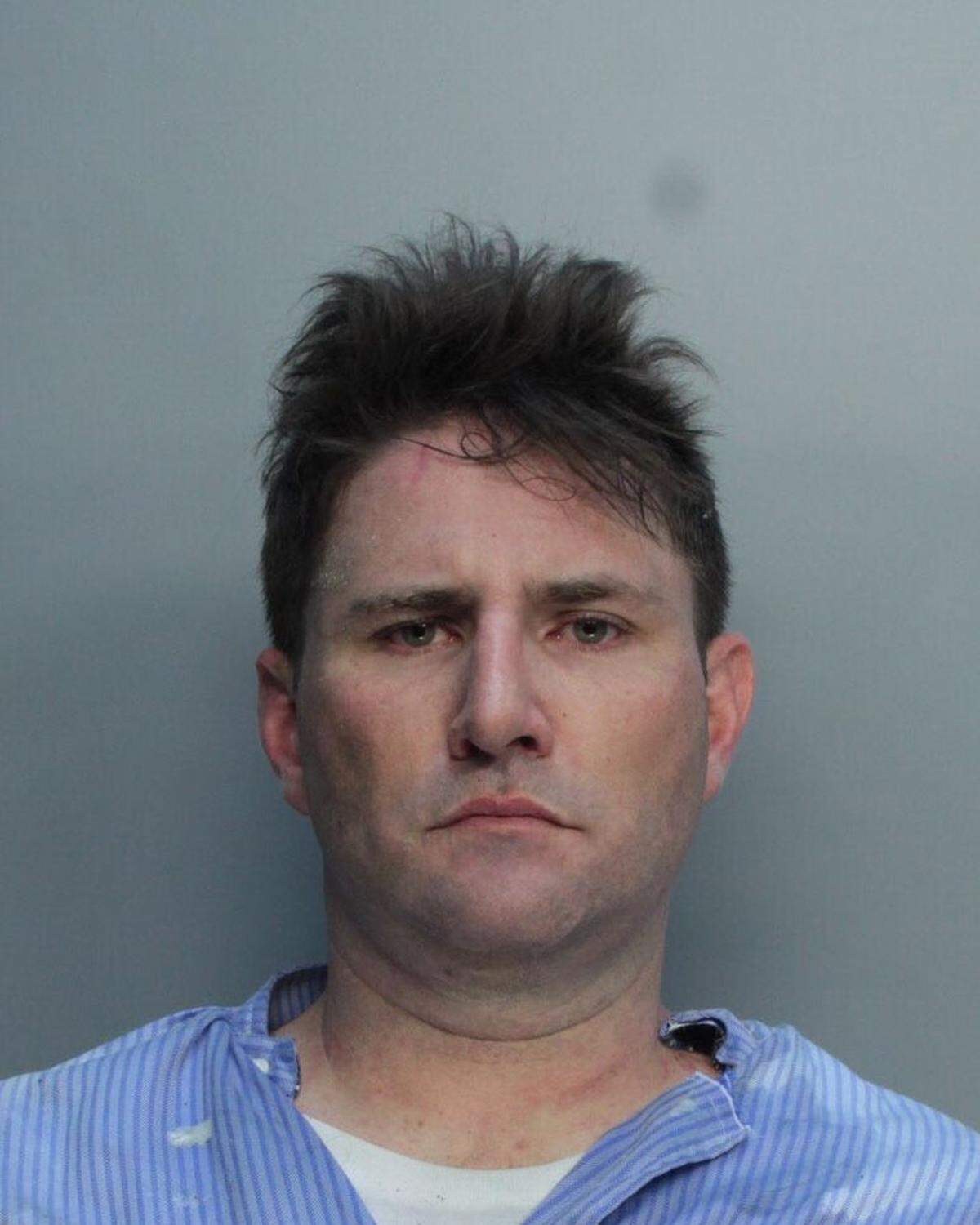
It would keep happening.
Three years later, Fort Lauderdale police officers discovered Farrow passed out on the couch of a vacant Flagler Village apartment. Farrow gave a “bizarre, disjointed and rambling” response when asked how he’d gotten there, and the officers found an “off-white, chunky rock” of crack cocaine in the pocket of his jeans after they took him into custody, per the arrest report.
After Farrow completed Broward County’s drug court treatment program, his felony cocaine possession charge was dismissed the following year.
Then, in August 2021, Farrow’s black Mercedes coupe smashed into an electric power pole blocks from the University of Miami campus, knocking it over. After rescue workers freed Farrow from the car, they discovered two pink plastic baggies on the driver’s seat that later tested positive for cocaine and fentanyl, according to records from the Miami-Dade State Attorney’s Office.
The attorney completed a three-month pretrial diversion program, and Miami-Dade County dismissed his felony charge for possession of a controlled substance.
Farrow didn’t shy away from discussing his substance abuse struggles with the Herald.
“At the end of the day, I’m sick and I have a disease,” he said.
But while participating in treatment programs got his charges dismissed, he didn’t see it as shirking consequences.
“You can accept responsibility and go through the program, or you can find a technicality and try to beat the charges,” he said. “Some attorneys try to beat it, but they don’t learn anything from it.”
‘They could have put a stop to this a long time ago’
The Florida Bar was well aware of Farrow’s history of arrests but kept it from his potential clients.
Farrow had in 2018 entered the Florida Lawyers Assistance program, which provides substance abuse support for attorneys, as part of a diversion deal with the Bar, according to records the Florida Bar provided to the Herald.
He reported his 2021 drug arrest to the Bar, which then kicked off a remarkably slow disciplinary review process that has dragged on for more than three years.
His case was referred to the Bar’s Fort Lauderdale office for review in October 2021. But it took 16 months for the Bar to determine that Farrow would advance to the next step in the process, which was a hearing before a grievance committee for the Broward County judicial circuit.
All the while, Farrow continued to practice law and take on new clients, who had no way of knowing of the disciplinary review underway.
As his case moved through the Bar’s disciplinary process, it looked like Farrow would again escape with limited consequences.
His case was sent last year to the Fort Lauderdale office’s grievance committee, made up of Broward County attorneys, which recommended diversion, a process that typically involves enrollment in a rehabilitation program. Farrow had already voluntarily rejoined the lawyers assistance program by that time.
But this time something different happened.
The Bar’s board of governors overruled the grievance committee earlier this year, finding that further disciplinary proceedings were warranted.
A Bar attorney sent Farrow a letter on Jan. 23, recommending that he “review the procedures for conditional guilty pleas.”
But almost 10 months later, Farrow’s record with the Bar remains unblemished.
The Bar declined to comment on why it has taken so long, saying only that the case is pending.
Farrow has in that time continued to hire new clients, several of whom said he abandoned them.
Farrow was mum on specific details when asked about the disciplinary proceeding and suggested that the alleged cyberattack — which he said began in June — was part of the reason for why he was fuzzy on the current status.
“I had a lawyer that was working on that case,” he said. “The past five months have been a blur.”
But he seemed to acknowledge later that he faced the possibility of harsh discipline, in discussing the evidence he planned to share with the Bar related to the alleged cyber intrusion.
“I’m here to protect the Florida Bar, even if they kick my ass out of it,” he said.
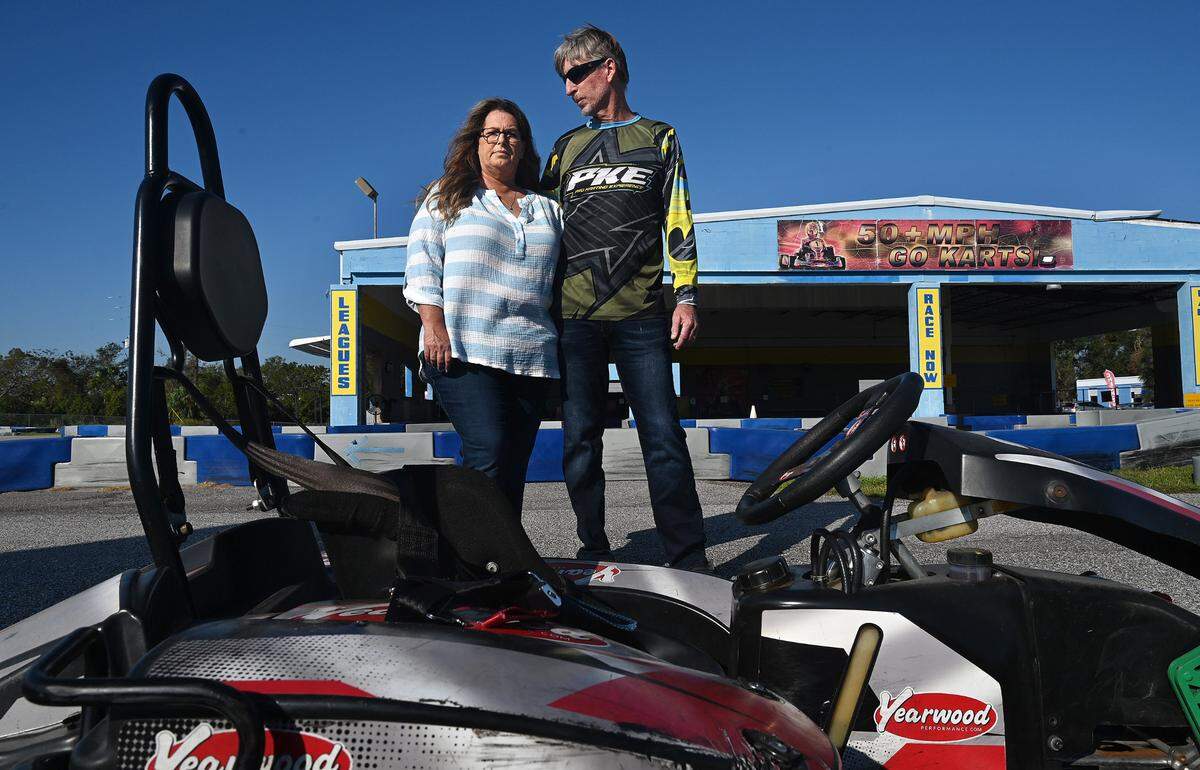
Bobbie Downs, co-owner of the St. Petersburg go-kart racing track, was furious when she learned of the Bar’s three-year investigation.
She and her husband took out the second mortgage on their home to pay Farrow just two months before the final ruling from the Bar’s board of governors.
She said there was no way they would have hired Farrow if they had known about the Bar investigation.
“I’m so angry right now that I could cry,” she said. “They could have put a stop to this a long time ago and would have saved a lot of people a lot of money and a lot of problems.”
This story was originally published November 13, 2024 at 5:00 AM.