‘That was life.’ Why Goombay in the Grove will be added to the Library of Congress
Frederica Simmons Brown never thought she’d see white people living on her side of the neighborhood.
After all, the 92-year-old Coconut Grove native grew up in a different era, one where the realities of Jim Crow shaped everyday life.
These days, the Grove is also home to modern million-dollar “sugar cubes” and coffee shops that often diverge from the area’s Bahamian roots. But as Brown reminisced about the old days from the porch of her light green bungalow that was built in 1950, there was one enduring part of the Black Grove’s legacy that brought a smile to her face: the Goombay Festival.
“A lot of us couldn’t afford to go to the Bahamas because the prices were too high,” Brown said. “It brought Bahamian culture to us.”
Goombay provided the opportunity for the Grove’s rich Bahamian community to connect with their heritage. That’s why when the three-day festival resumes May 31, it will be documented by members of the Florida International University community who will build a collection that will be housed in the Library of Congress American Folklife Center.
“The Goombay Festival, historically, is such a deep expression of Bahamian culture from the Bahamas that has been brought wherever they settled,” said FIU history professor Rebecca Friedman. She also is director of FIU’s Wolfsonian Public Humanities Laboratory and one of the leaders of the preservation project.
“It’s sort of fundamental to their sense of culture and identity,” she said. “Miami was built by Bahamians. It was incorporated by Bahamian men. To a large degree, Miami is a Bahamian city.”
FIU’s project comes as the West Grove is undergoing rapid gentrification. Efforts to preserve some of the community’s history have been underway — a portion of the area has been designated Little Bahamas, for example. Yet large-scale changes to the community showcase the importance of documenting the neighborhood.
Even former residents like Valeria Patterson can feel the changes.
“I recently took my mother to Virrick Park and she got disoriented on Day Avenue,” recalled Patterson, the director of FIU’s African and African Diaspora Studies Program, and who is also leading the project. “As those landmarks that were there when I was growing up disappeared, that’s when I knew things were changing.”
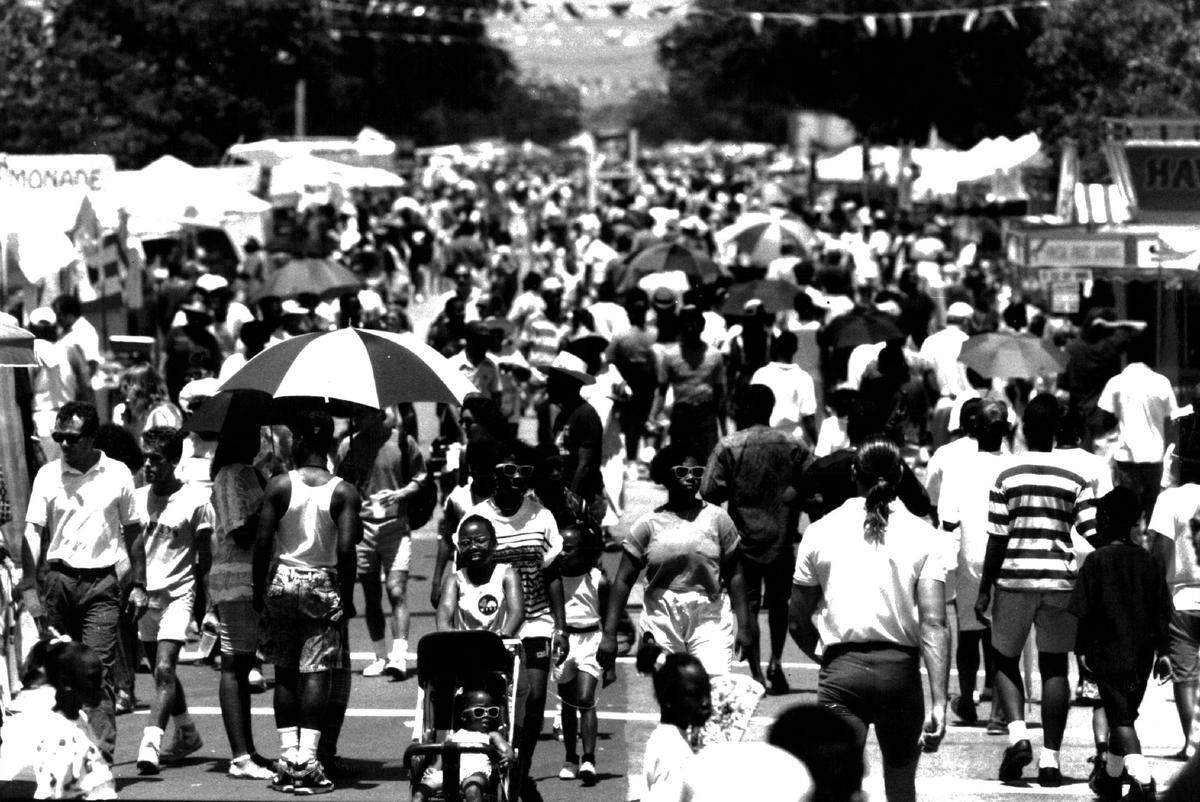
Bahamian immigrants were among the Grove’s first settlers, helping to build homes and teaching the white community how to grow crops in the 1880s. Bahamians also made up a significant portion of the 44% of Black Americans who voted to incorporate the city of Miami in 1896.
The Goombay Festival, known for its Junkanoo parades, live music and vendors from both the area and the islands, emerged about 80 years later in 1976 as a way for both white and Black Grove residents to pay homage to that rich heritage.
Goombay Festival “was something you looked forward to,” said Mikeya Brown, a member of the Goombay planning committee and a granddaughter of Frederica Simmons Brown.
“That was our pride, our heritage,” she said. “That’s what the Bahamian residents who were still there had. That was life.”
Though the festival took a break in 2014, it returned after the pandemic in 2022. That same year, FIU began documentating, which included interviews with the Grove’s elders. The collection captured various pieces of the festival, including an educational booth at the 2022 event for the community to learn more about its history.
All of that plus additional work at the 2023 festival landed FIU a grant from the Folklife Center in 2024. This year’s Goombay Festival is the final product — oral histories, photos, video from the past three years — and will be housed at the Library of Congress.
With the change in the community, the importance of capturing the Goombay festival, as well as stories from the neighborhood’s elders, is valuable.
FIU docorate student and fellow project contributor Aarti Mehta-Kroll is in the process of crafting her dissertation on how communities resist gentrification. She had been all over Miami — but with the Grove, there was something different.
“What makes this place unique is that there’s a strong sense of community,” Mehta-Kroll said. Goombay “is more so an act of preservation than resistance. Actually, it’s resisting the culture from being erased.”
IF YOU GO
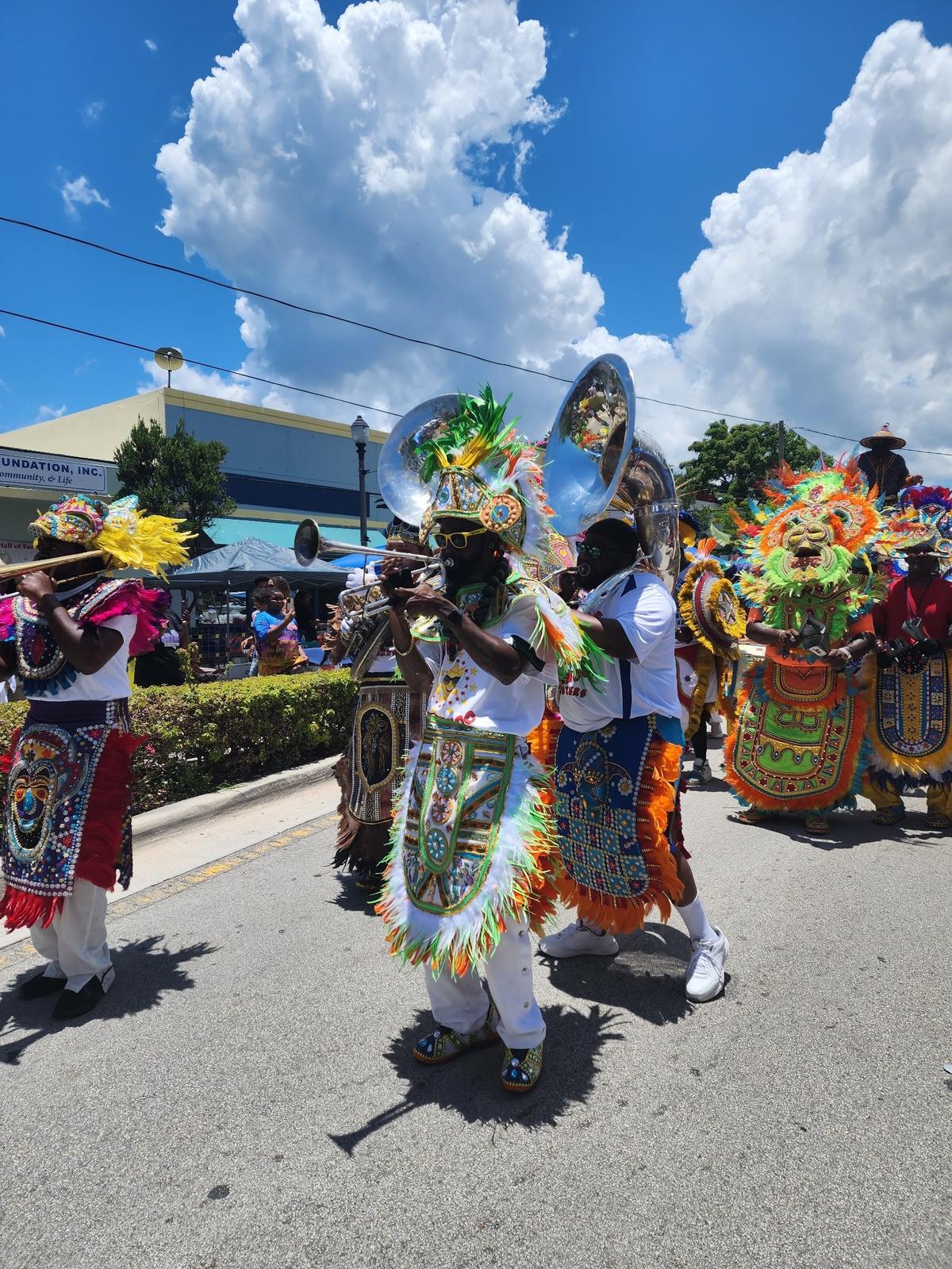
What: Goombay Festival
When: 6-9 p.m. Friday, May 31; 11 a.m.-7 p.m., Saturday, June 1; noon-8 p.m., Sunday, June 2
Where: Grand Ave. from Southwest 37th Avenue to Elizabeth Street
Tickets: Free
More info: Visit https://www.miami.gov/Notices/Events-Activities/MiamiBahamas-Goombay-Festival
This story was originally published May 29, 2024 at 5:00 AM.