Looking for work? What interest rates and inflation mean for the Miami job market
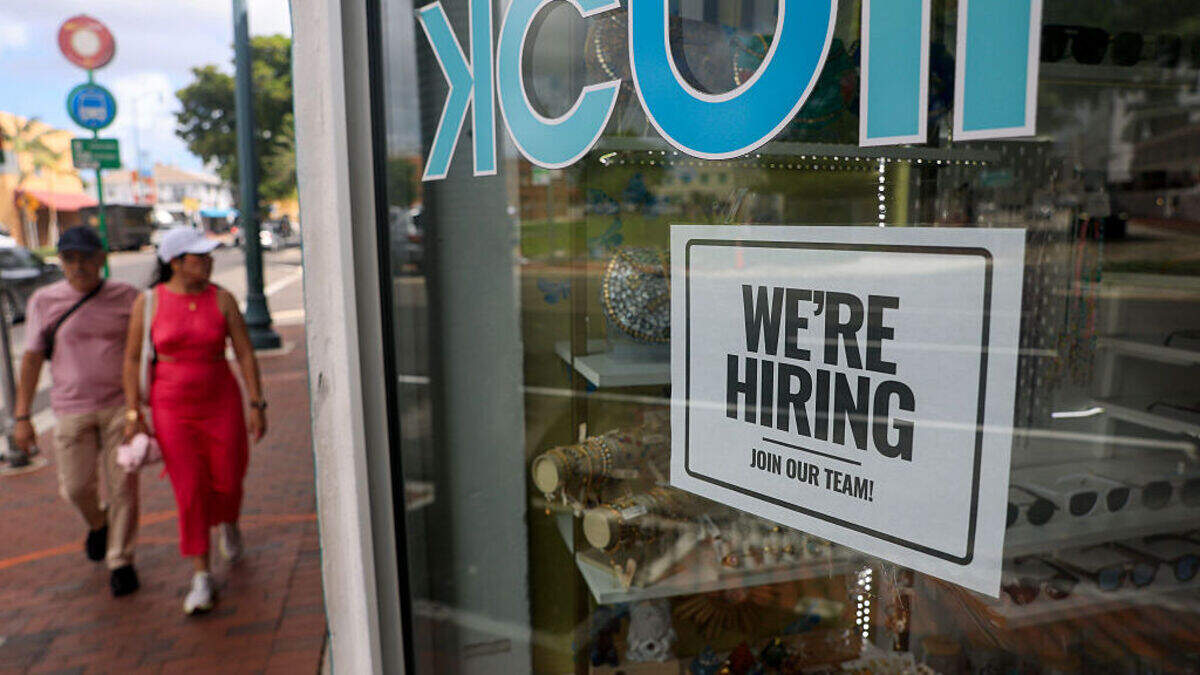
For South Florida job seekers, particularly those early in their careers struggling to find work, signs suggest the job search could get harder before it gets easier.
The Federal Reserve held interest rates at 3.75% earlier this month, a decision that, at face value, isn’t bad news for job applicants. But the Fed warned that 2026 is likely to end with much higher rates of inflation than previously anticipated. As a result, half of the Fed’s rate-setting officials predict at least one rate hike before year-end to keep prices under control.
And higher rates mean less hiring.
That could hit South Florida especially hard. The area’s economy is heavily dependent on tourism, real estate and construction, “all of which are interest-rate-sensitive,” said Bryan Cutsinger, a professor of economics at Florida Atlantic University’s College of Business. “Sustained high rates tend to weigh on construction financing and real-estate activity.”
How interest rates affect hiring
Despite a strong first half of the year, the hiring outlook for the rest of 2026 remains uncertain.
U.S. employers added 172,000 jobs in May, nearly double what economists had forecast.
But consumer prices rose 4.2% year-on-year in May, driven partly by the war in Iran. Gasoline alone has climbed more than 40% since May 2025, the Bureau of Labor Statistics reported.
In March, the Fed projected prices would rise 2.7% this year. Last week, it revised that forecast to 3.6% — a nearly full percentage-point jump in three months.
So for job applicants, the concern is what comes next.
Higher interest rates might come before the end of the year, and that means hiring could slow down, said Cutsinger. Luckily, job hunters benefit from a strong labor market today. But, should the market tighten later this year, “there’s no rate relief coming to juice hiring,” he said.
That’s particularly relevant to early-career applicants, particularly those in AI-exposed jobs, like computer programmers, accountants, administrative assistants and marketing specialists.
“AI is putting measurable pressure on specific segments of the labor market,” said Javier Donna, an economics professor at the University of Miami’s Herbert Business School. While artificial intelligence isn’t necessarily displacing mass swaths of the workforce, it is making it harder for certain young workers to find jobs, he said.
That dynamic is starting to show in the data. Hiring for early-career workers aged 22-25 in AI-exposed occupations has declined 16% since late 2022, while hiring for experienced workers in the same positions has been relatively stable, according to research out of Stanford’s Digital Economy Lab.
So the combination of a Fed that may need to raise interest rates to fight inflation and an AI-driven softening that’s already underway in some entry-level jobs leaves recent grads with little tailwind. Rate cuts that might otherwise spur hiring likely aren’t on the table — at least not for now.
A hike, should it come, would slow it further.
This story was produced with financial support from supporters including The Green Family Foundation Trust and Ken O’Keefe, in partnership with Journalism Funding Partners. The Miami Herald maintains full editorial control of this work.