Buying a house in South Florida isn’t getting easier. Here’s one big reason why
The Federal Reserve held interest rates at 3.75% during its rate-setting meeting on Wednesday, a decision that came on the heels of stronger-than-anticipated jobs numbers, as well as heightened inflation figures, during the month of May.
But those accelerating consumer prices, which rose 4.2% year-on-year last month, are troubling for Fed policymakers, a majority of whom indicated Wednesday they believe a rate hike might be necessary before the end of the year to keep inflation from ballooning further.
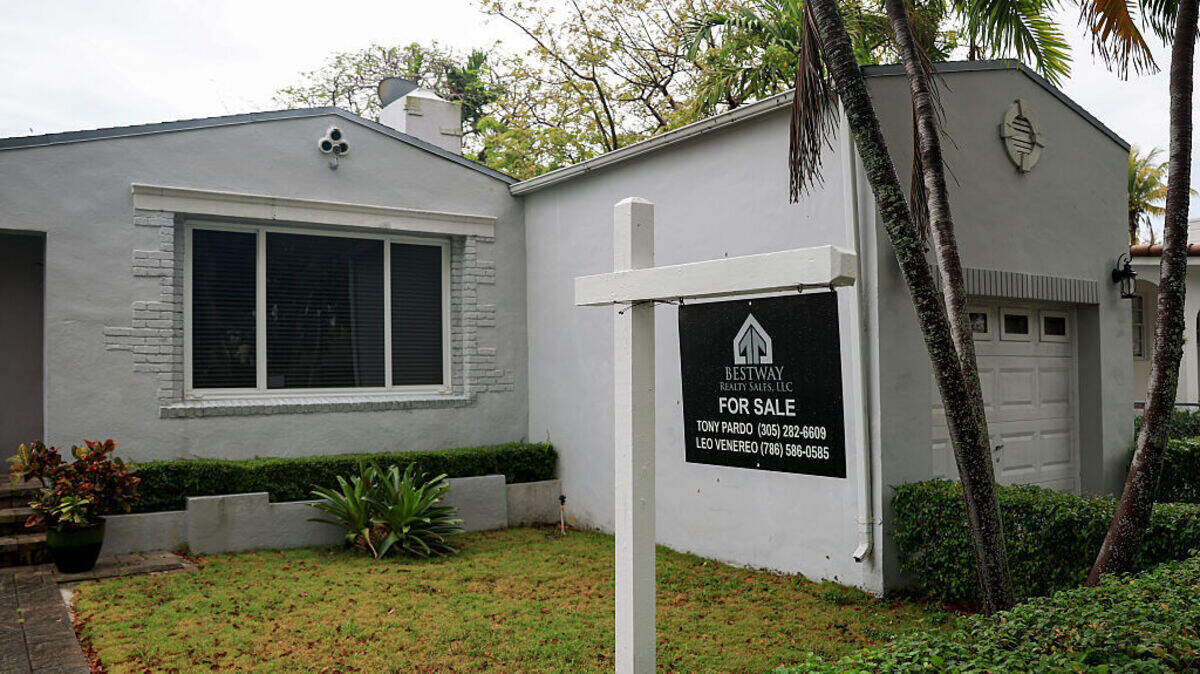
That’s of little comfort to South Florida homebuyers and sellers, who are already navigating a sluggish market hamstrung by relatively high borrowing costs.
“Anyone hoping a rate cut would soon make homes more affordable or spur the market should temper that expectation based on this meeting,” said Bryan Cutsinger, a professor of economics at Florida Atlantic University’s College of Business.
How higher prices and hiring numbers play a role
Inflation rose more than expected in May, as most car owners can attest to. Due partially to the war in Iran, energy prices rose 3.9% in May alone and have climbed nearly 24% over the last 12 months. The price of gasoline has risen more than 40% since May 2025, the Bureau of Labor Statistics reported.
At the same time, U.S. employers hired more than anticipated in May, adding 172,000 jobs to the economy — nearly double what economists had forecast.
Strong hiring can be good — though it often means people spend more, which drives price levels up. But facing an already high rate of inflation, the Fed is in a bind, said Cutsinger of FAU. The Fed, he said, has two responsibilities: keeping inflation low and steady, and maximizing employment.
Right now, inflation is higher than desired, and unemployment is low. But to tamp down inflation would be to risk slowing the country’s economic growth — and, with it, hiring.
It remains to be seen just how much of that high inflation is tied to temporary supply shocks from the war with Iran. Regardless, the Fed expects more inflation on the horizon.
In March, it forecast that prices would rise 2.7% this year, a prediction it revised upward on Wednesday by nearly a percentage point, to 3.6%.
That expectation is likely why a majority of Fed governors, the seven members who sit on the board, indicated they believe a rate hike might be necessary later this year. If inflation continues to surge, higher borrowing costs become more likely, said Cutsinger.
What does that mean for the housing market?
At 3.75%, interest rates — while actually somewhat low relative to the last 50 years — are higher than the near-zero borrowing rates most people became accustomed to after the 2008 recession.
Wednesday’s Fed meeting means mortgage rates are likely to stay elevated for longer, potentially spelling high monthly payments for buyers, longer listing times for sellers and reduced inventory as owners with low mortgages prefer to stay put rather than take their chances on the market, said Cutsinger.
And a rate hike will mean costlier borrowing, which will make it harder for middle-income families that rely on financing to buy homes, said Ana Bozovic, a broker and founder of Analytics Miami, a local real estate market analysis firm. For homes listed at higher price points, buyers and sellers are less impacted, she said; they often avoid borrowing costs altogether by buying in cash.
Ultimately, said Cutsinger, higher interest rates make the already strained housing market “tougher for first-time buyers and a slower market for sellers.”