Black South Floridians reflect on Juneteenth at a crucial moment
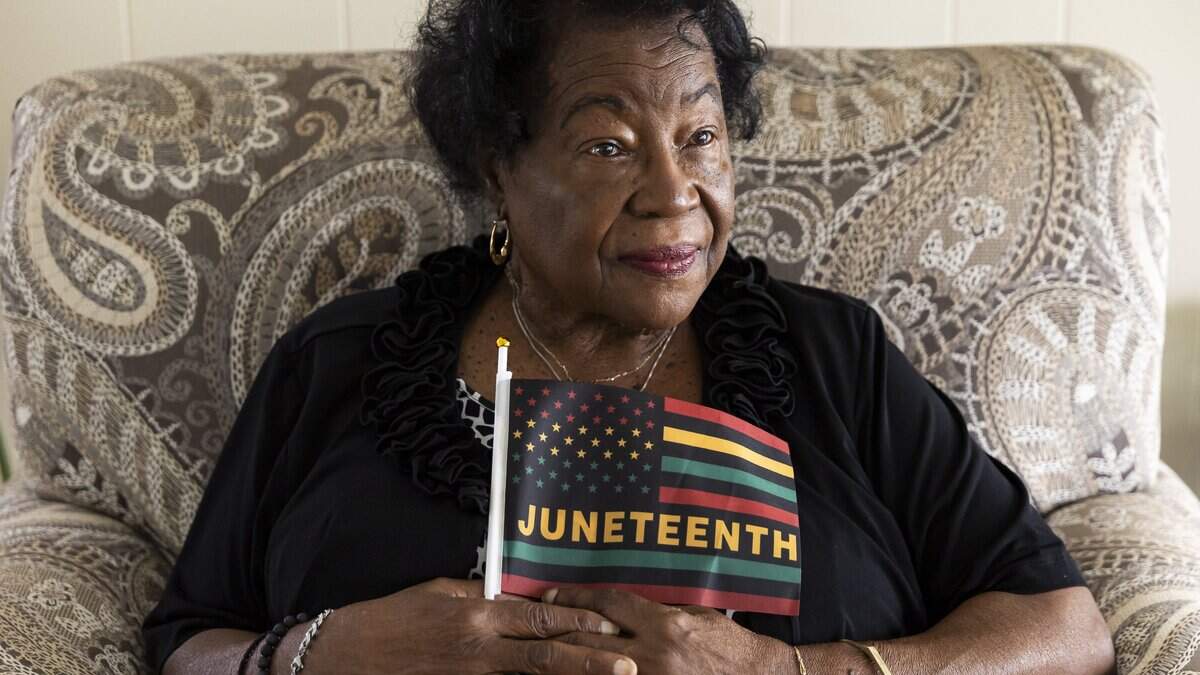
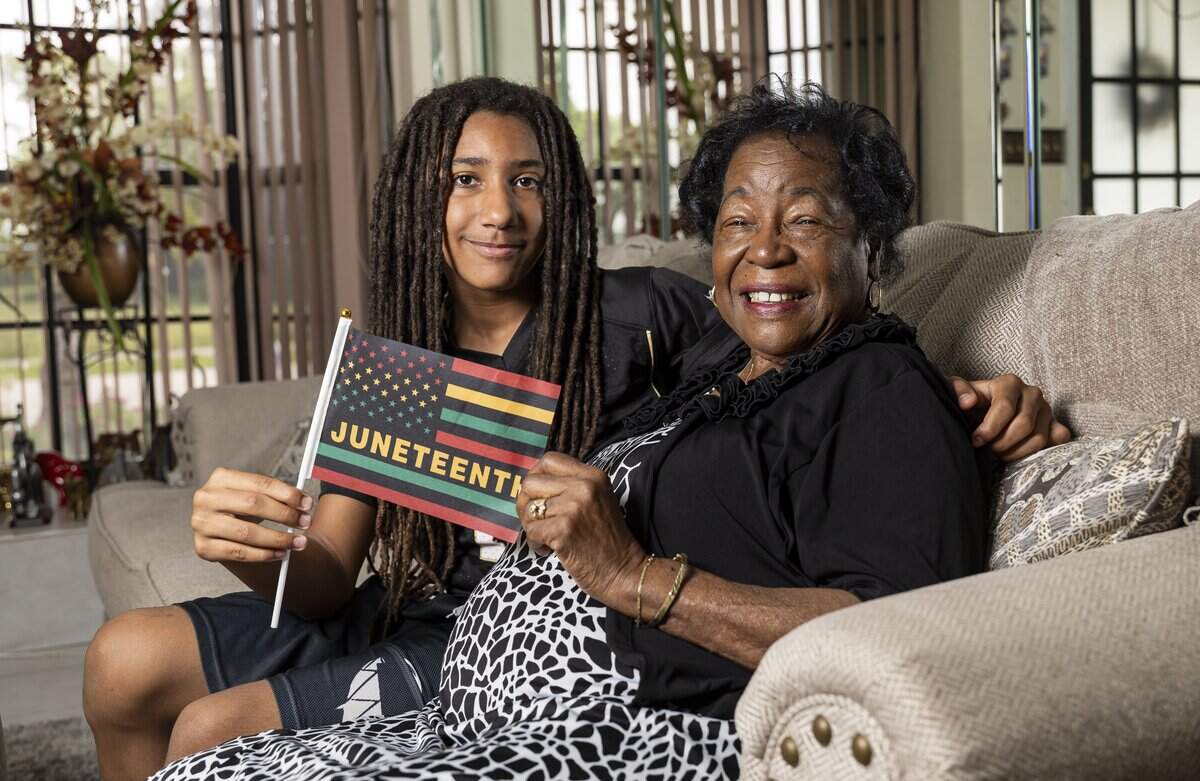
Barbara Williamson learned about Juneteenth from her grandfather who told her of the holiday’s history when she was a little girl living in Boca Raton. Since then, Williamson, 85, has celebrated the holiday instead of Fourth of July, often holding a barbecue with red Kool-Aid and spending time reflecting on Black history.
“Nobody can stop me from celebrating,” said Williamson, now a Fort Lauderdale resident. “It’s all about freedom, and freedom is worth celebrating.”
The holiday had long been celebrated in Black communities across the South before it became a federal holiday five years ago. Juneteenth celebrates June 19, 1865, when enslaved Black Americans in Galveston, Texas, learned of their freedom. That began what’s considered the longest-running Black American holiday. But in the time since Juneteenth become a nationally-recognized holiday, Black people have seen the rolling back of certain civil rights and the way Black history is taught and discussed in schools has become a point of contention.
Florida has passed legislation restricting schools from discussing topics related to race and gender, books have been banned that mention race and sexuality. Earlier this year, the state passed a law prohibiting government dollars from being spent on cultural events not already celebrated at the state or federal level. Nationally, a Supreme Court ruling effectively got rid of a key provision of the Voting Rights Act and sparked redistricting wars across southern states.
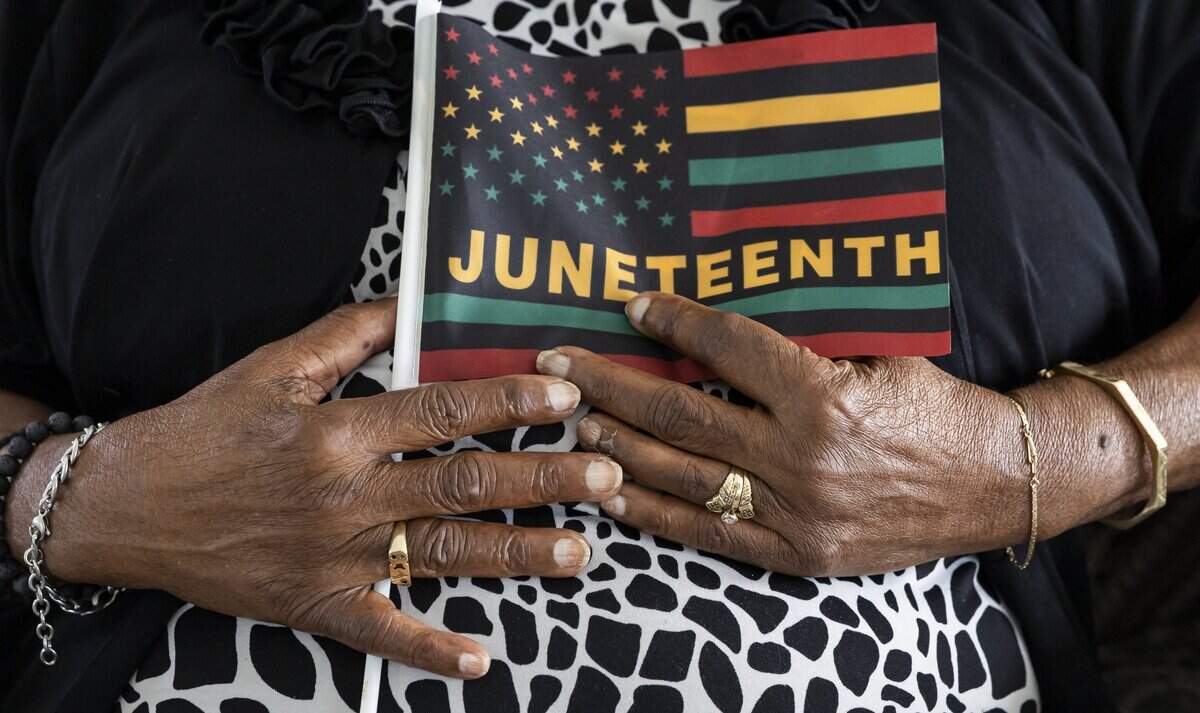
Even as they worry about the erosion of civil rights protections and efforts to curtail diversity initiatives, the South Floridians interviewed for this story say Juneteenth remains a reason to celebrate. Their plans range from family barbecues and trips to cultural landmarks to mentoring young people and supporting Black-owned businesses. Together, they view the holiday as more than a commemoration of freedom won in 1865 — it is a chance to strengthen community bonds and prepare the next generation to protect those freedoms.
“America is on fire,” Williamson said, recalling her participation in sit-ins during college in North Carolina, advocating for the Voting Rights Act, and the work it took to get civil rights for Black people. She’s also seen the tides change and warned if Black people aren’t careful, it could get much worse.
“People are now experiencing something difficult. It’s very difficult to name it, and it’s impossible to ignore,” she said. “They have a grief, and something is being taken away: a lot of our rights that we thought we had.”
RELATED: Culture, community and cuisine: Where to celebrate Juneteenth in South Florida
‘We are going to survive’
For Williamson, it’s important to teach the youth about what she went through during the civil rights movement. She recalled being arrested after being a part of the Woolworth sit-ins when she was a student at North Carolina Agricultural and Technical University, and brought that same fervor to Boca Raton when she returned home and protested policies that harmed Black people.
“When Trump says make America great again, everybody gets excited, but I know how America was during the Civil Rights days,” she said. “I lived it, I was arrested, I was beaten. I was spat upon when I was marching.”
She’s worried that as the state has limited the way Black history is taught and has made extensive efforts to reduce Black voting power through redistricting, Black youth who aren’t effectively taught their history won’t understand how they got the freedoms they have now.
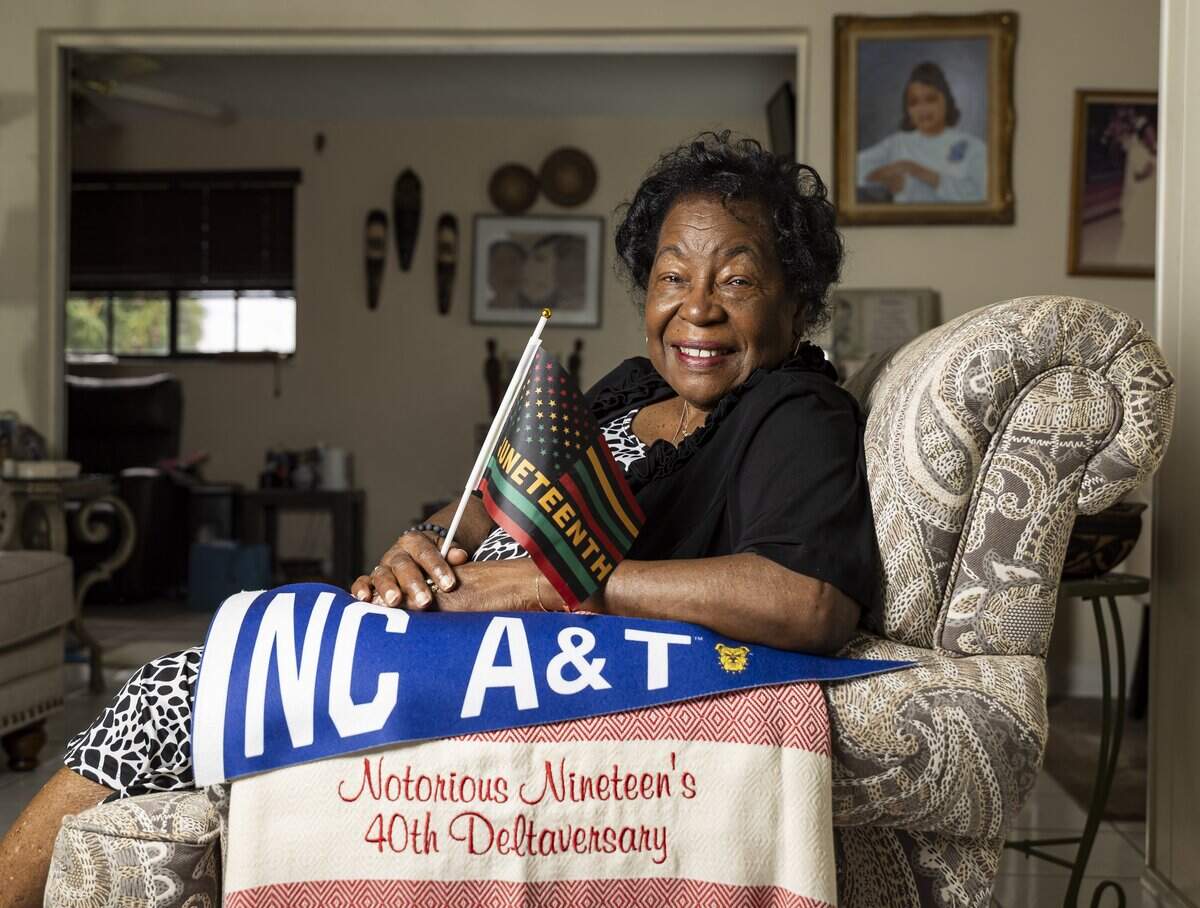
“Our young people don’t understand the importance, and they don’t have the experience. They’ve never been told to go to the back of the bus, and they don’t see what’s coming down the pike,” she said. “I think that we, as elders, if we’re going to make the difference, we’re going to have to save our children, and the way to save the children is to teach them that history.”
Anthony Simons III, who is the principal at Booker T. Washington Senior High School, echoed Williamson’s urgent call for teaching young people about Black history: “We have to start with our youth, we have to educate them, we have to teach them, we have to be those mentors, we gotta be the change that we want to see,” he said.
Simons, 51, didn’t live the experience Williamson described, but his father — a native of Turks and Caicos Islands who moved to Miami when he was a boy — has reminded him of the many experiences he dealt with during Jim Crow, including having to drink from segregated water fountains.
Simons said many of his students have questions about voting and being politically engaged. “I was telling a student, if you’re going to vote, educate yourself. Who are you voting for? Did you read up on these people? Did you get multiple sources, or did you just go up that first link on Google?”
Like Simons, Metris-Batts Coley, Overtown Business Association’s executive director, said Juneteenth is a moment to remind Black people to invest in Black businesses and nonprofits, particularly those that have lost funding or find themselves having to hide sponsors who support cultural initiatives so they won’t be scrutinized by the government.
“We are going to survive, we’re going to be creative,” she said. “With the types of Juneteenth celebrations that we’re having, people think we’re just partying. We are mobilizing, we’re having conversations with, we’re creating memories with family and friends.”
Williamson says that for Juneteenth she will be taking her grandson to the African-American Research Library and Cultural Center in Fort Lauderdale followed by a barbecue at her house. The recent setbacks won’t deter her, she said.
“We are witnessing everything that’s trying to break us, but it’s not going to happen,” she said. “We have more power than we think we have as Black people.”