A road is renamed for Jimmy Ryce and honors legacy his grieving parents created
Ed O’Dell had about 15 years under his belt as a South Florida television news reporter when he was assigned to cover the disappearance of 9-year-old Jimmy Ryce in September 1995.
No story before or after impacted him as much personally and professionally, the 76-year-old Emmy winner said.
“It was a lifetime event. I mean, we spent day after day after day, not even going to the station, just came down here because of the impact, of just him missing, had on this entire community,” O’Dell, who retired from WTVJ-NBC 6 in 2007, told the Miami Herald. “The schools, the kids, their families, there was not anyone in this community who didn’t want to talk to us, and pray that Jimmy was found.”
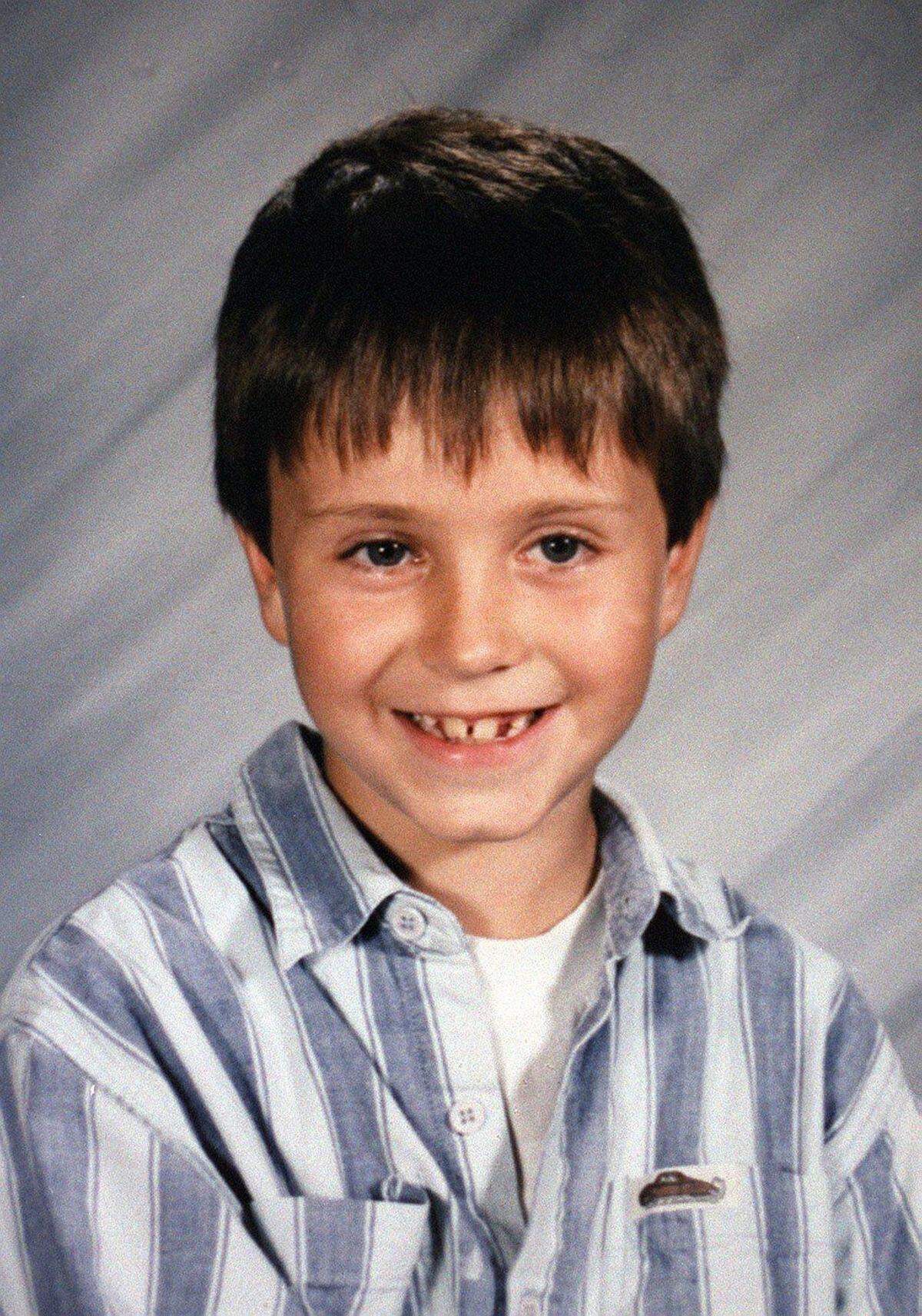
But Jimmy would never be seen alive again. Instead, his body was found in pieces almost four months later, hidden in planters sealed with concrete on a rural property in Redland, an agricultural area in southwest Miami-Dade County.
“This one you don’t forget. Ever, ever, ever forget,” O’Dell said Friday morning on the street corner where Jimmy was abducted more than 30 years ago by Juan Carlos Chavez, a handyman who lived in a trailer on a nearby ranch.
“People walk up to me all the time and ask, do you remember [a specific story]. No. Jimmy Ryce, it’s an unforgettable story. We had a spate, a run, of missing children, young people, university students, but Jimmy Ryce stood out,” O’Dell said.
Jimmy Ryce Avenue
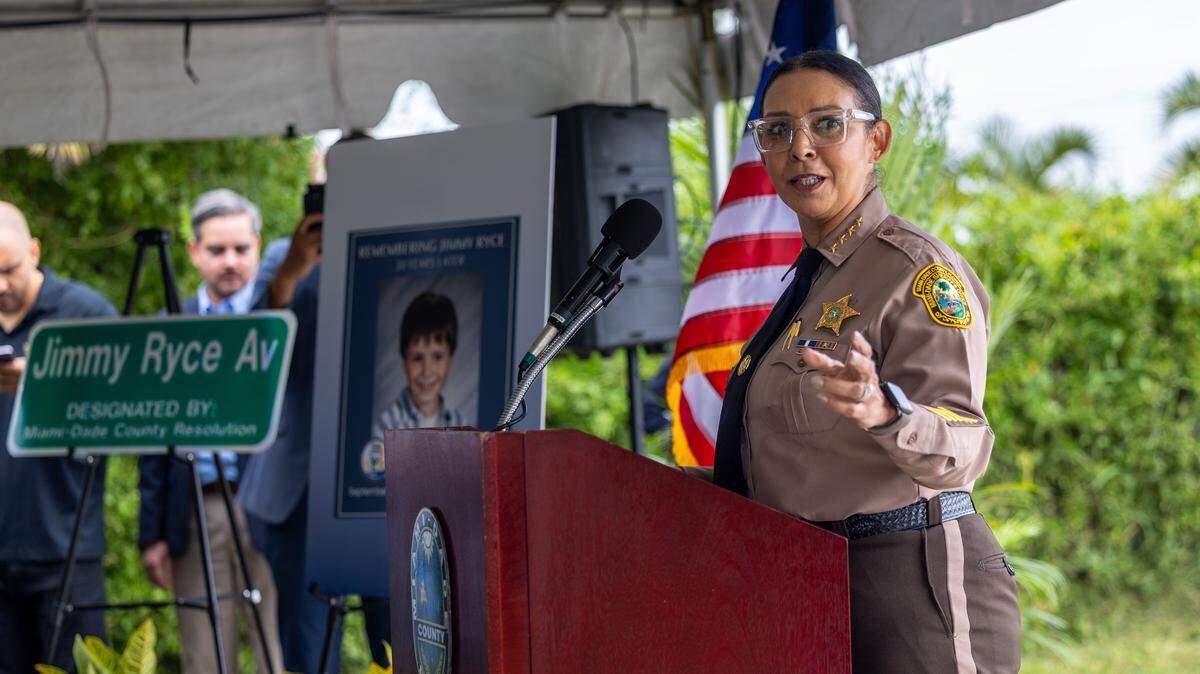
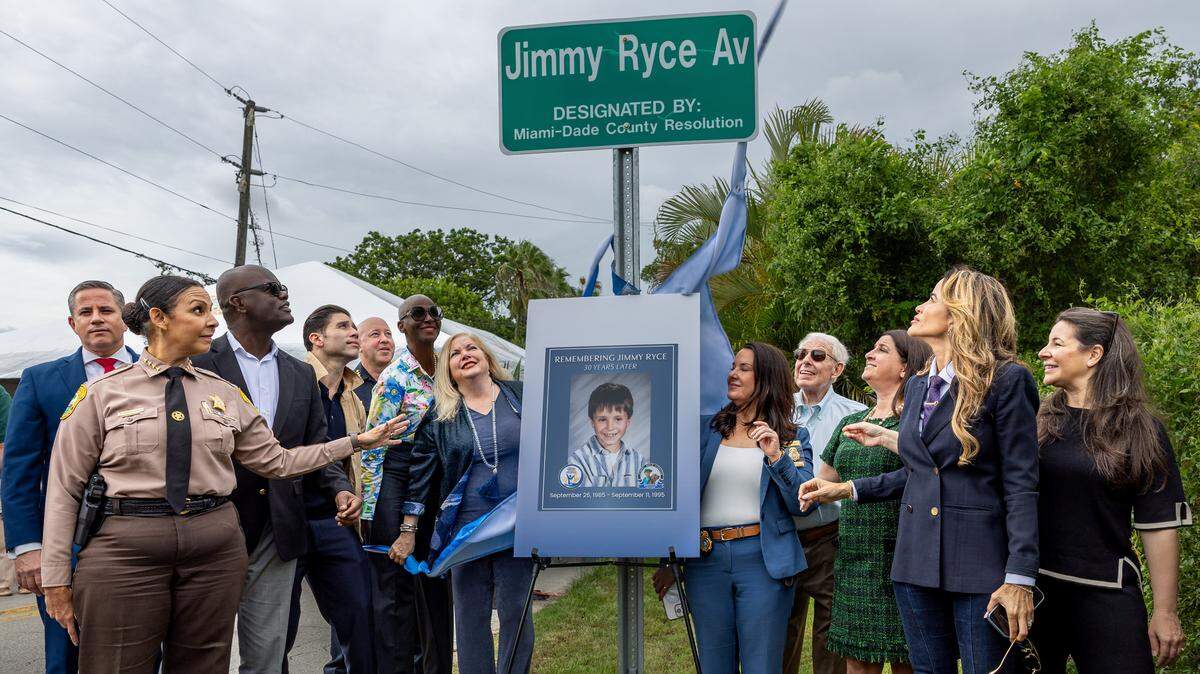
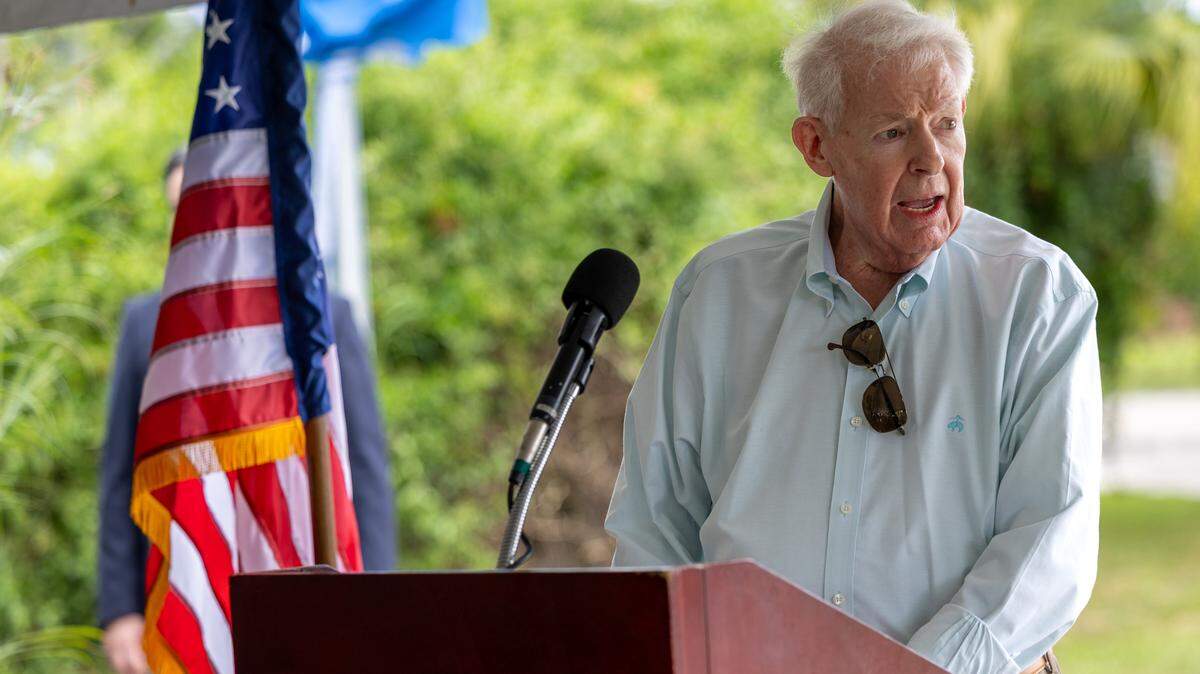
O’Dell was among dozens of people attending a ceremony Friday renaming a portion of Southwest 162nd Avenue between 232nd and 240th streets as Jimmy Ryce Avenue.
A school bus dropped off Jimmy at the intersection of Southwest 162nd Avenue and 232nd Street after class at Naranja Elementery School at 3:30 p.m. on Sept. 11, 1995. It was less than a block away from his home, where he lived with his parents, Don and Claudine Ryce.
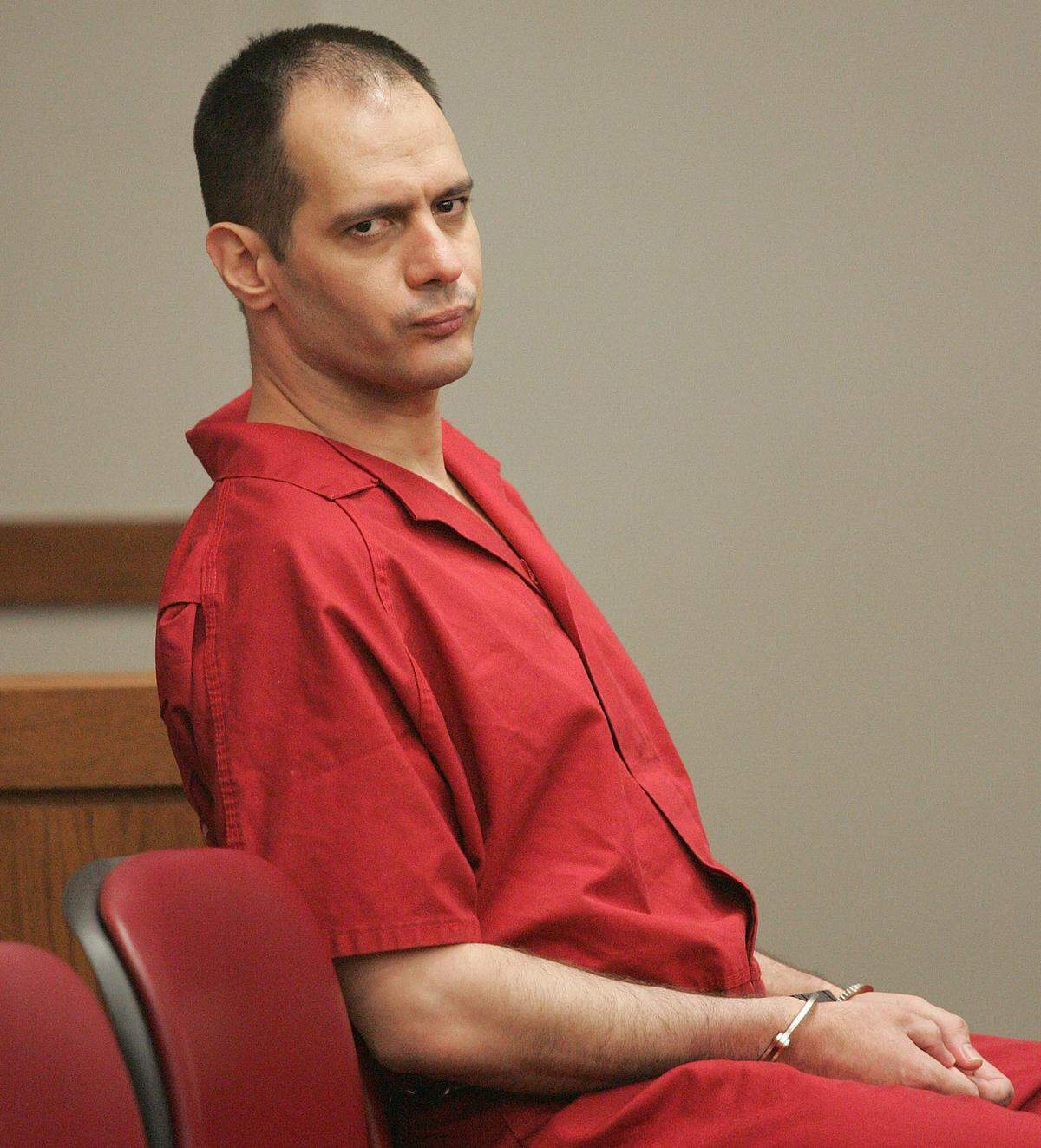
As Jimmy was walking, Chavez blocked his path with his pickup truck and forced him into the vehicle at gunpoint. Chavez then took Jimmy to his trailer, where he raped the boy. About four hours into the nightmare ordeal, Jimmy tried to escape by opening the front door, but Chavez shot him in the back.
After holding the boy until he took his last breath, Chavez dismembered Jimmy, placing body parts into planters and sealing them with cement.
Miami-Dade Sheriff Rosie Cordero-Stutz was just beginning her career as a patrol officer with the then-Metro-Dade Police Department when the crime occurred, she said during the street-naming ceremony. A few years later, Cordero-Stutz became a homicide detective.
“And I still remember the same investigators who were involved in that case talking about how it affected them,” she said.
When Jimmy didn’t return home from school, the Metro-Dade Police Department, now the Miami-Dade Sheriff’s Office, launched a massive manhunt, along with Metro-Dade Fire Rescue and the FBI. About three months into the search, Chavez’s landlady found Jimmy’s bookbag and a revolver handgun belonging to her inside Chavez’s trailer.
She reported her findings to the FBI on Dec. 5, 1995. Soon after, Chavez confessed to the crime after more than 50 hours of interrogation. Chavez then led police to Jimmy’s remains.
A jury convicted Chavez of capital murder, sexual battery and kidnapping in 1998, and he was sentenced to death. Chavez tried several times to overturn his sentence, but then-Gov. Rick Scott signed his death warrant in January 2014, and he was killed by lethal injection in February of that year.
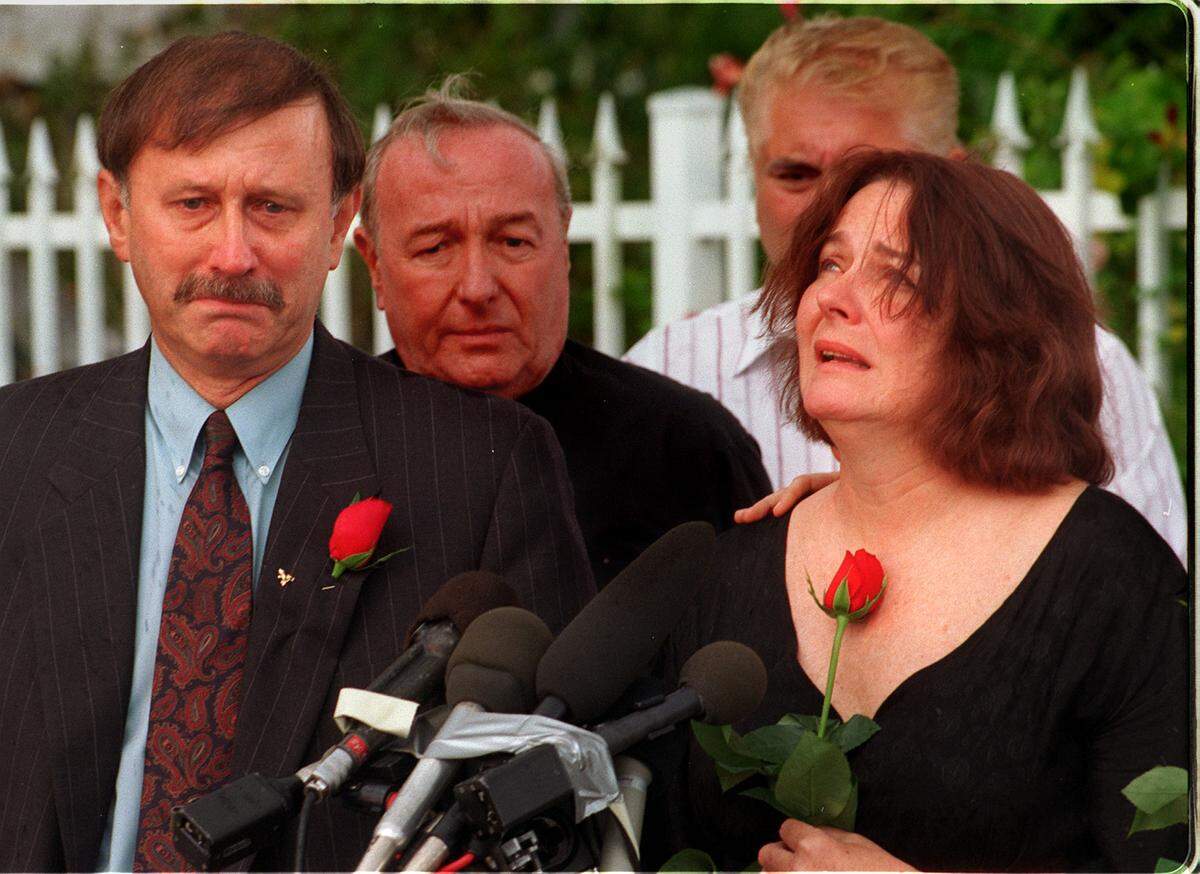
Jimmy’s grieving family turned his memory into a movement to prevent other children from dying at the hands of sexual predators and their families from suffering from the trauma of never seeing their sons and daughters alive again. His parents founded the Jimmy Ryce Center for Victims of Predatory Abduction, a nonprofit that provides bloodhounds to police departments to help with missing-persons searches.
Bloodhounds for police agencies
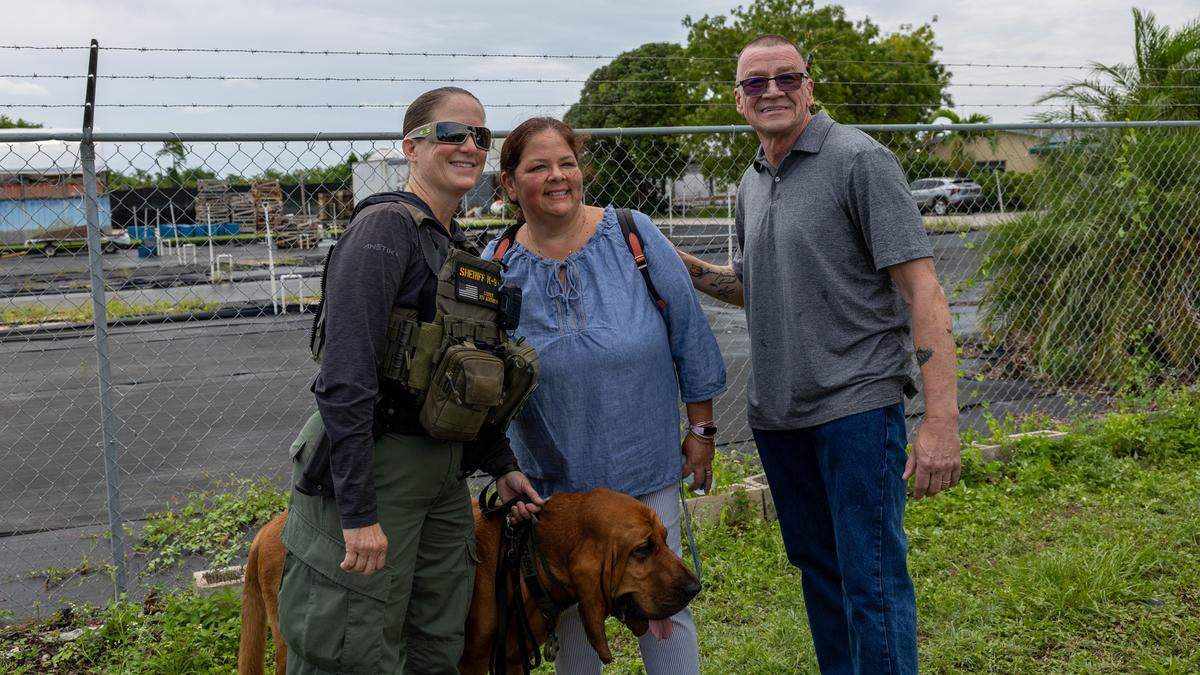
The Ryces’ research after their son’s death showed bloodhounds were ideal for missing-persons cases. Kevin Bolling, 65, was the first member of law enforcement to receive a bloodhound from the foundation when he was a K9 deputy with the Broward Sheriff’s Office.
At the time, he didn’t think much of the breed for police work. That changed in 1997 when he attended a demonstration with Don Ryce and the organizers had him walk a two-mile trail. They then released the bloodhounds, which found him in minutes.
.JPG "MIA_10_JimmyRyceAvenue6-5-26MXF (1).JPG")
“It absolutely sold me,” Bolling said. He had three bloodhounds during his career before retiring. Thankfully, child abductions are rare, but the dogs are used many times to find people with special needs and conditions like dementia and Alzheimer’s disease, Bolling said.
“I know those dogs are making a difference,” he said.
Bolling became close with the Ryces, so much so that he went to Starke to watch Chavez be put to death. Bolling told the Herald he remembers the lack of remorse on Chavez’s face leading up to the execution.
“Watching what he did in his final moments, he’s about as evil as evil gets,” Bolling said.
Since its founding, the Jimmy Ryce Center has provided more than 700 bloodhounds to police departments across the country, said Mark Young, the organization’s co-director.
“The Ryces’ wish was to provide a bloodhound to every single police department,” Young said.
Progress from tragedy
The Ryce family was also instrumental in the 1998 passage of the Jimmy Ryce Act, which allows the state to hold certain sexually-violent predators in secure civil-commitment centers even after they served prison time.
“It is a full statewide commitment from top to bottom,” said Melissa Bujeda, who is director of the Florida Department of Law Enforcement’s office of Missing Persons and Offender Enforcement and attended the ceremony. “It has just been incredible to see how such a horrific tragedy has turned into so many children being located, being found, because now we have the resources to locate these children.”
Tragedies continued to strike the Ryce family in the decades after Jimmy died.
His mother, Claudine, died of a heart attack at the age of 66 in 2009. Her husband said she died from a broken heart. Jimmy’s sister, Martha, died by suicide in 2013 at 35. And Don Ryce died from natural causes at 76 in October 2020.
The street renaming was the result of a resolution introduced by Miami-Dade County Commissioner Danielle Cohen Higgins, who represents Redland.
READ MORE: The day Jimmy Ryce disappeared, and the quest to find him and bring a killer to justice
“After this tragedy occurred, our entire community changed. And we held our children closer. And, as a result of this horrific tragedy, an amazing foundation was founded by the parents of Jimmy Ryce that brought such awareness and recognition, not only to this community, but to the entire country,” Cohen Higgins said at the ceremony.
A memorial at the crossroad
Long before the sign went up designating the road in honor of Jimmy, a memorial for the boy has been maintained at the base of a stop sign at the intersection where he was taken. Volunteers, many of them active and retired law enforcement, have kept up the makeshift monument for 30 years, attaching items reflective of the innocence of childhood: Matchbox cars, baseballs, sneakers and a baseball glove.
The current watchers of the shrine are Sgt. Ed Montizaan, a Miami-Dade Schools Police officer, and his wife, Kathy.
“We change it for different occasions. For Christmas. For his birthday. For Valentine’s. For Easter, we come out here and keep the rocks fresh. Keep the mulch fresh and pick up the weeds,” Ed Montizaan said.
Not only is wear-and-tear a challenge for the labor of love, Redland is known for car accidents on its pot-hole plagued roads, so the stop sign frequently gets knocked over.
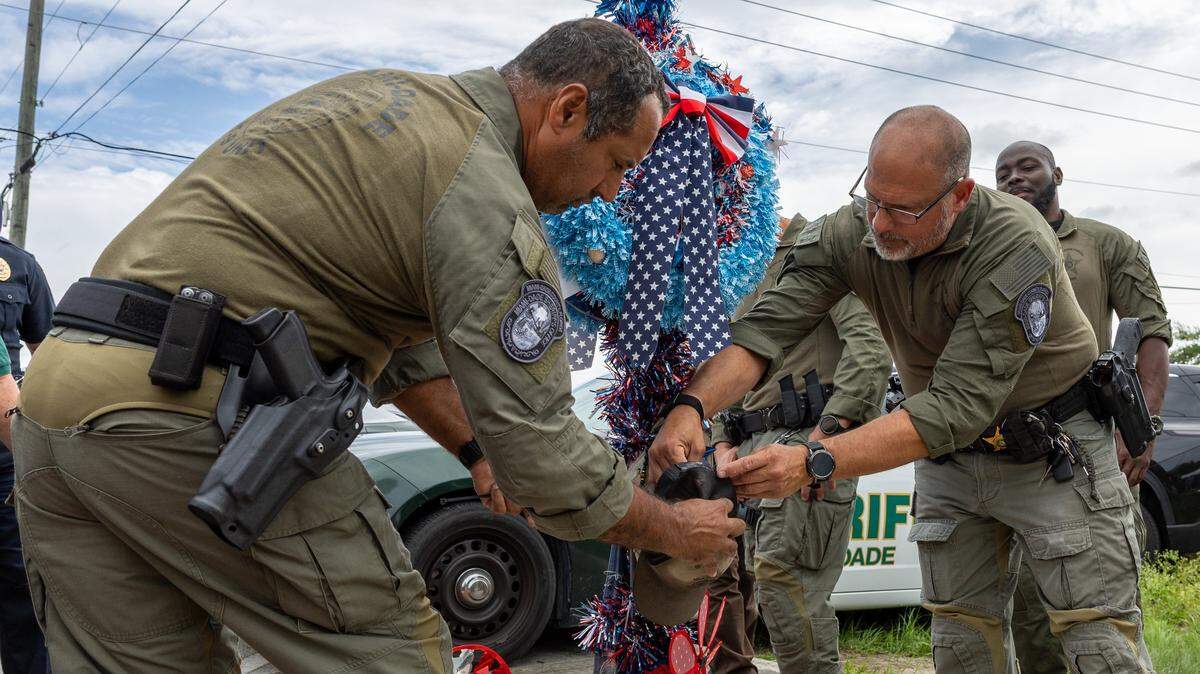
“Believe or not, there are accidents that happen a lot out here, so we come out here, and the stop sign is down, and we have to start all over,” Kathy Montizaan said. “So, we make sure the memory is there.”
Although Ed Montizaan, 65, didn’t know the Ryces, like many living in Redland at the time, the horror and sadness of Jimmy’s murder permanently marked him. That’s why he feels the responsibility to watch over the memorial.
“Everybody knows about it down here, and this is to keep his memory alive,” Ed Montizaan said. “We have been blessed to be able to take it over. It’s an honor.”
This story was originally published June 5, 2026 at 5:07 PM.