We rename lots of Miami streets but here’s one that’s actually worthy: Jimmy Ryce | Opinion
Renaming streets or buildings is usually something of an empty gesture — performative or just a waste of time and money. Like naming a Florida airport after a sitting president. Or naming a stretch of roadway for a city commissioner who resigned from office after pleading guilty to a charge of exploiting public office. (I’m looking at you, Miami.)
But here’s one renaming idea that even I can’t argue with: Jimmy Ryce Avenue.
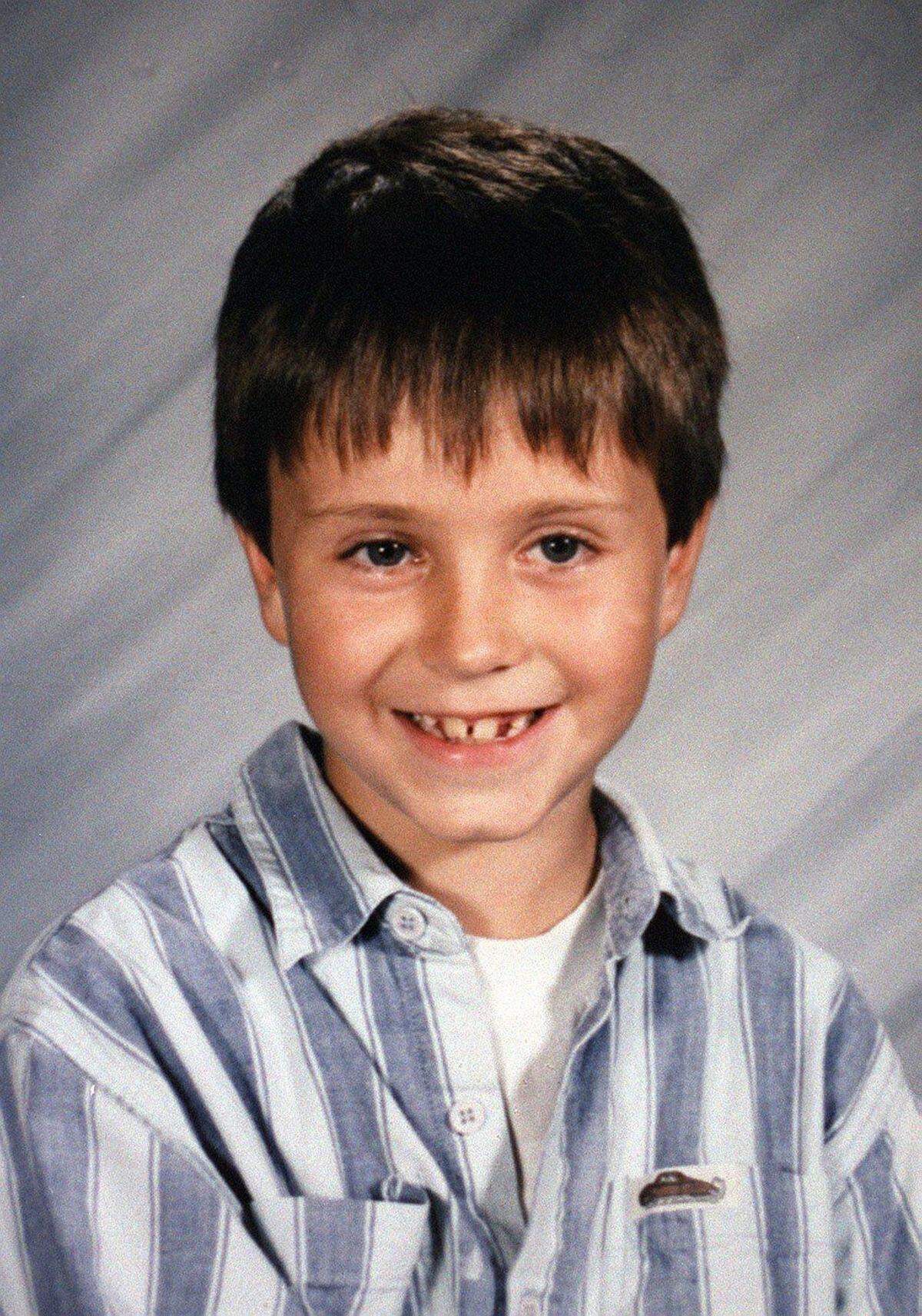
Jimmy Ryce’s short life and violent death changed Miami forever. The 9-year-old boy with the gap-toothed smile and bright future was snatched while he was walking home from a school bus stop in southern Miami-Dade County in 1995, a few blocks from his house in the Redland. He was kidnapped, raped and shot, and his dismembered remains were hidden in planters topped with concrete.
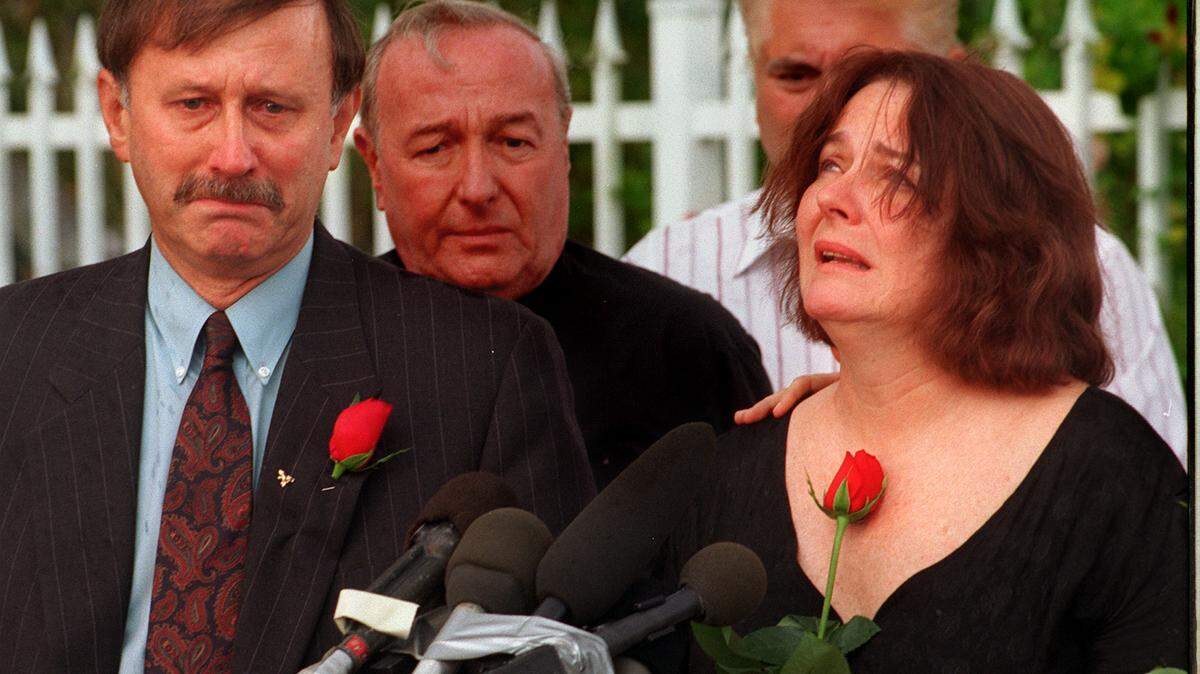
His parents, Don and Claudine Ryce, launched a public crusade to find him, demanding national attention. At the time, it seemed as though everyone in South Florida turned up to help search. It took three months.
The fifth-grader’s bookbag was discovered in a trailer occupied by farmworker Juan Carlos Chavez. Chavez confessed during a controversial interrogation that lasted more than 50 hours. He was convicted — I covered the trial in Orlando — and executed by the state in 2014.
Now Miami-Dade County is going to co-designate a portion of Southwest 162nd Avenue as Jimmy Ryce Avenue, “ensuring that the memory of Samuel James ‘Jimmy’ Ryce and the community’s commitment to protecting children will never be forgotten,” according to a news release from Danielle Cohen Higgins, the county commissioner who sponsored the resolution.
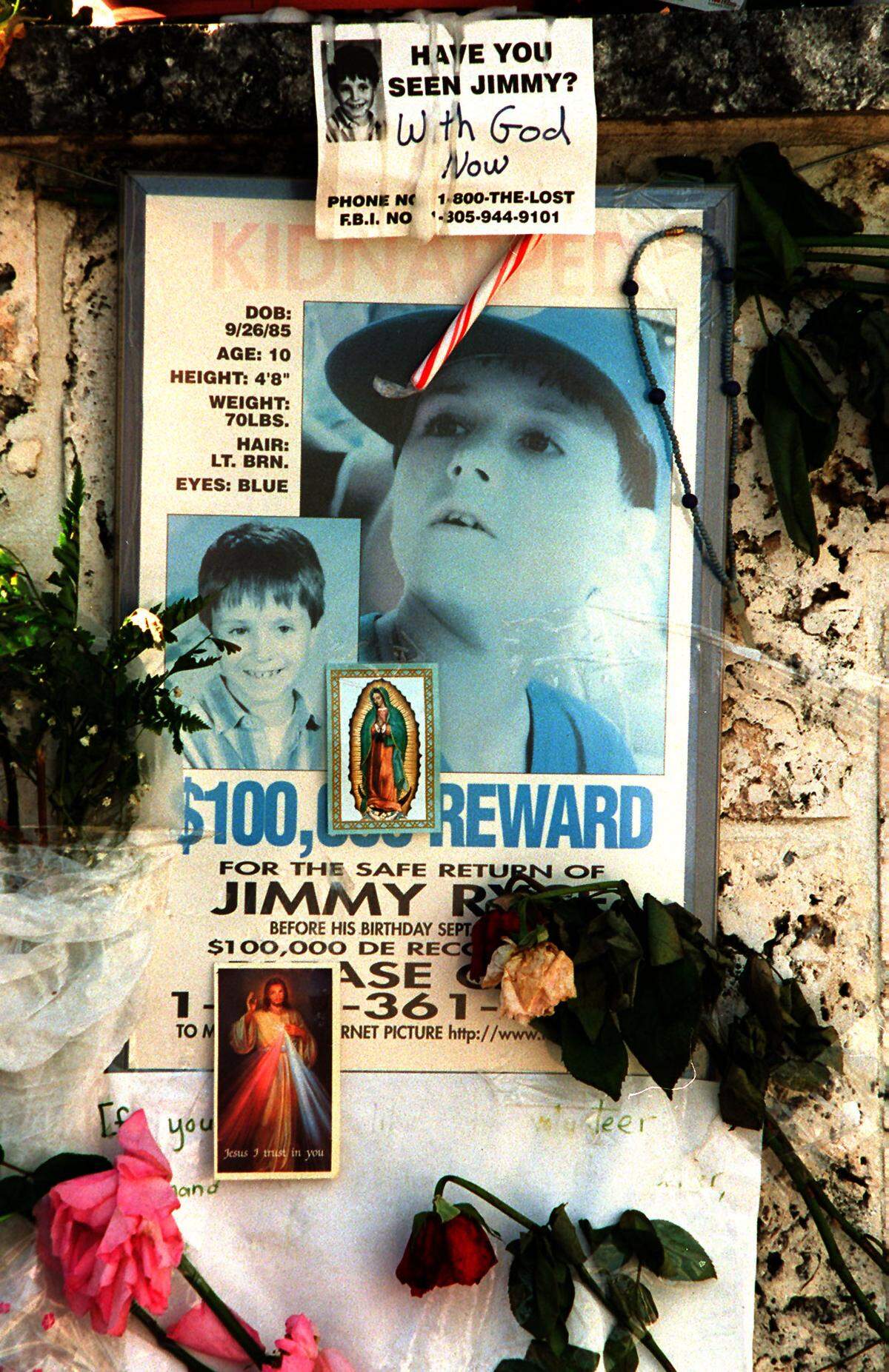
Jimmy Ryce really is a symbol — of child advocacy, of victims’ rights, of the plight of missing children. If anyone’s name should be remembered, it’s his.
His case changed the way we treat sex predators. The Jimmy Ryce Act of 1998, a law his devastated parents pushed for, allows the state to hold certain sexually violent predators in a secure civil commitment center even after they have completed criminal sentences.
And there’s the Jimmy Ryce Center, founded by Don and Claudine Ryce, that raises money for bloodhounds to help law enforcement officers in searches. The Ryces, who are both gone now, were convinced that a bloodhound could have found their son; the trailer where he was held turned out to be less than a mile from their home.
A small army of reporters covered the 1998 trial of Chavez. The case had been moved to Orlando to ensure an impartial jury. I had been in Miami courtrooms many times when the Ryces, two attorneys who never missed a hearing in their son’s case, had to sit through stomach-turning testimony and endure procedural slowdowns. You could see the pain in their crumpled posture, weighed down by this unspeakable thing that had happened to their child.
But in Orlando, it was even worse. Chavez was in the same room. I have always remembered one moment when a juror brought the trial to a temporary halt by bursting into tears.
A police officer had been describing the horrific contents of one pot: “A left leg with a shoe attached and a skull.” The courtroom was still. Then the juror in the front row broke into loud, heart-breaking sobs. It was a wrenching moment for everyone — but in many ways, it felt appropriate. How else is a person supposed to act when confronted with such monstrousness?
The last time I saw Don Ryce was in February 2014, a few days before the scheduled execution of his son’s killer. He had moved a bit north, to Vero Beach. He and Claudine had promised each other that they would see Chavez draw his last breath. And “if one of us wasn’t going to be there, the other would, for both,” he said. Claudine did not live to see that day. She died in 2009 — of a broken heart, Don Ryce said. He passed away in 2020.
He was there for the end, though. Chavez, who never expressed remorse, was put to death on Feb. 13, 2014.
Jimmy Ryce would be 40 by now. His legacy is all around us — in the activism of his late parents, in the center that bears his name and, now, on a stretch of road near his house in Miami-Dade. Commemorating his name in this way is, for once, absolutely the right thing to do.
Amy Driscoll is the opinion editor for the Miami Herald.