
The most annoying season has started in Miami — and the mosquitoes are biting
The bite is back.
For anyone going outside after a storm or as the sun sets, you feel it. Buzz. Slap. Scratch.
It’s rainy season in South Florida — and that also means it’s mosquito season. Along with traffic and humidity, mosquitoes certainly rank high on the Miami irritations list, especially when the pest bites your legs or wakes you up with that annoying high-pitched whining in your ear.
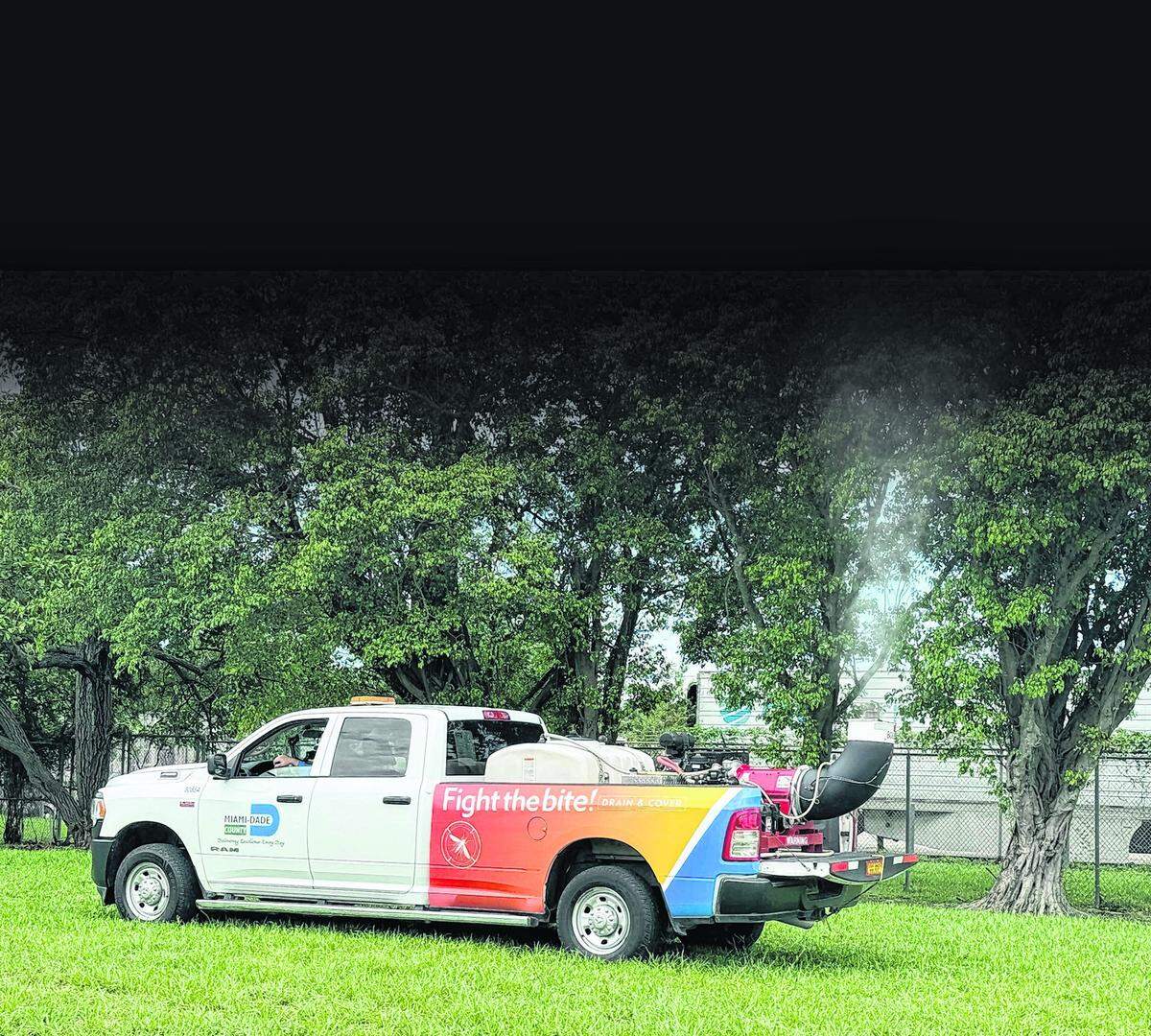
This is also the time the warriors against mosquitoes in Miami-Dade and Broward go on high alert.
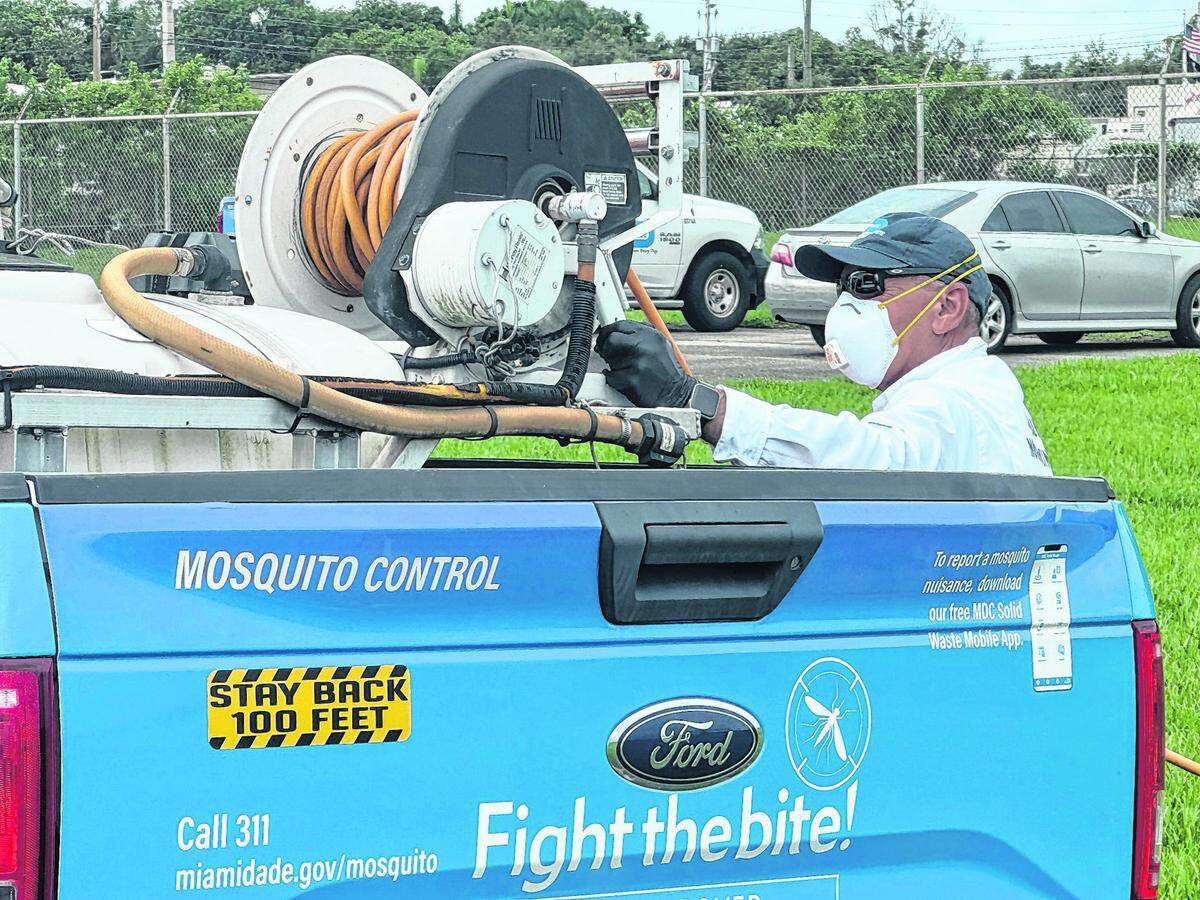
Although Miami-Dade and Broward mosquito control crews take measures to cut skeeter populations through the year, like neighborhood spraying, they also rely on us to protect ourselves against itchy bites and serious illness.
Laura Rosenwald, an entomologist with the National Pest Management Association, said Florida’s mild winter and hot, rainy spring and summer make June through October prime time for pests — mosquitoes, cockroaches and flies — as their populations surge.
“Right now is about when everything kind of comes together for the mosquitoes in the area,” Rosenwald said.
For some people, the mosquito issue means spending less time outdoors to avoid all the swatting and scratching.
Adriana Toro, assistant director of the Highway and Bridge Maintenance Division in Broward County — a division which includes Mosquito Control — said there are some simple things people can do to help cut mosquito annoyances.
“Even a small amount of water can allow mosquitoes to breed,” Toro said. “After heavy rain events, we always ask residents to check around their homes and try to eliminate as much of the standing water as possible, and to keep an eye [out] for areas where mosquitoes can breed.”
Dumping out accumulated water from outdoor flower pots, dog bowls or children’s toys is a good idea as mosquitoes continue to breed.
In addition to eliminating standing water, John-Paul Mutebi, chief of the Miami-Dade Mosquito Control Division, suggests wearing an EPA-registered repellent when outdoors and requesting inspections of homes or businesses plagued with mosquitoes.
How bad is it out there so far?
Mutebi said there’s no way to be sure how many bugs will make us miserable this season, but his division is taking action.
“Predicting mosquitoes is not unlike predicting the weather — there is no way to accurately forecast the season, which is why we surveil the mosquito populations of Miami-Dade County all year round,” Mutebi said.
As more mosquitoes emerge in the area, worries of mosquito-borne illnesses, such as chikungunya, West Nile virus and dengue, grow as well. Those illnesses can lead to high fever and pain.
According to the Florida Department of Health’s most recent surveillance, one case of dengue was reported the week of May 24-30. This year alone, 29 cases of the infection have been reported, although all cases have been associated with travel, and none have been contracted locally.
“At this time, we would describe our approach as one of vigilance rather than concern,” Mutebi said. “The risk of locally transmitted mosquito-borne diseases remains low. However, recent imported cases of dengue and chikungunya underscore the importance of maintaining robust surveillance and prevention efforts.”
Both Miami-Dade and Broward County mosquito divisions say they work closely with the state’s health department, monitoring and investigating mosquito activity to control disease threats.
“As part of these efforts, we operate and monitor a network of more than 300 mosquito traps each week, allowing us to track mosquito populations and identify potential risks early,” Mutebi said. “Through proactive surveillance, targeted treatments and public education, we remain committed to minimizing the risk of mosquito-borne disease transmission in our community.”
Rosenwald says mosquitoes aren’t the only pests around South Florida during what she calls “the perfect meteorological conditions” for bothersome bugs.
So, what can we do about those cockroaches and flies?
Rosenwald recommends keeping your home or business clean and calling a pest control company if needed.
But it’s mostly mosquitoes on our minds as we head outside after another afternoon rainstorm.
“We count on every person in the county,” Toro said, “to help us fight.”
This story was originally published June 4, 2026 at 5:00 AM.