
A resurrected Miami Marine Stadium deal could be headed to voters this summer
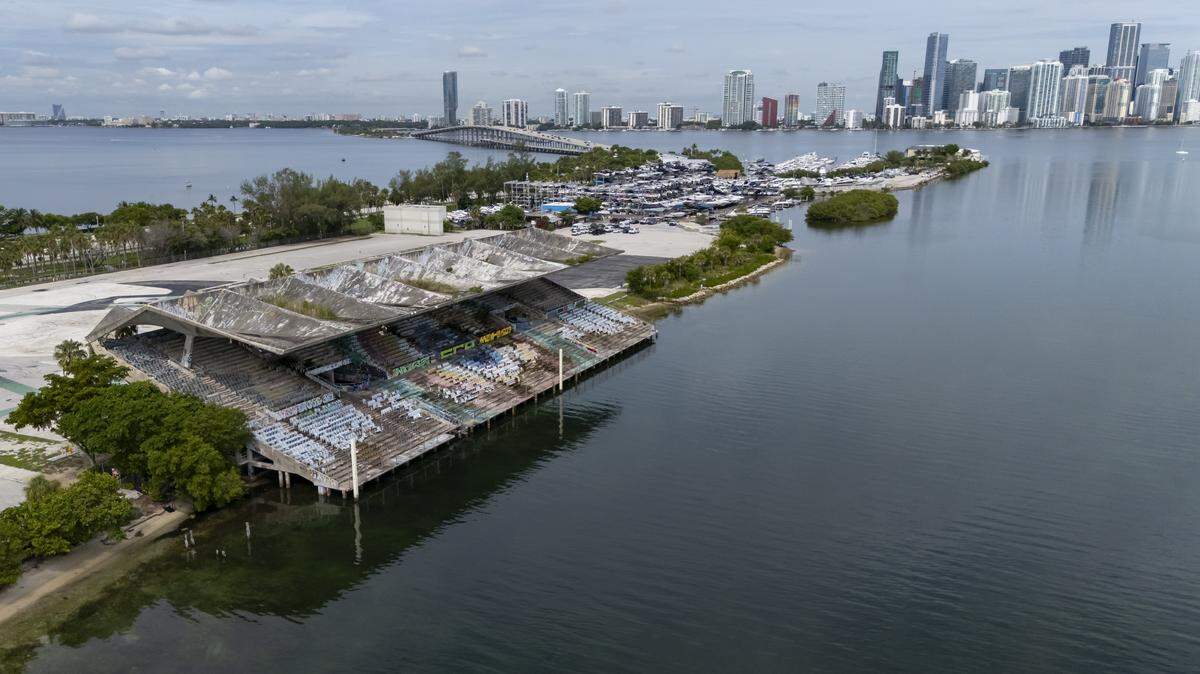
A city plan to hire a private group to restore and run the historic Miami Marine Stadium that was stalled last year by criminal charges against the company’s CEO could be back in play.
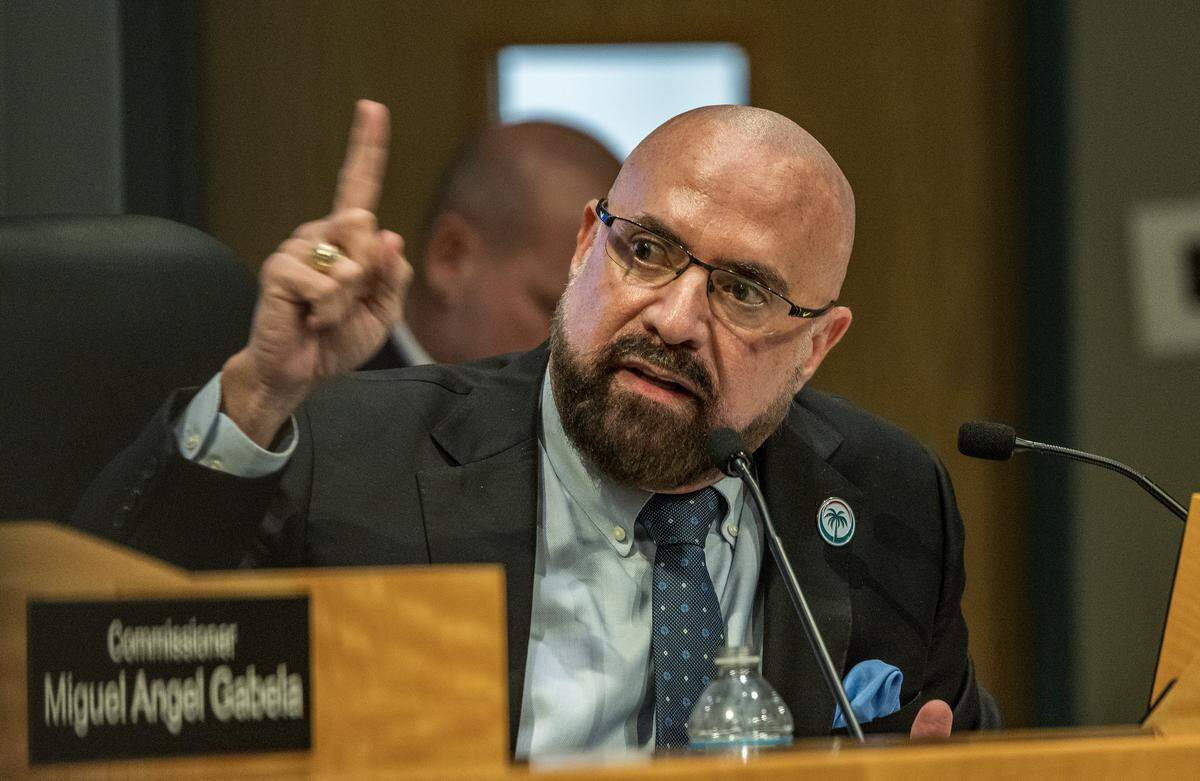
Miami Commissioner Damian Pardo told the Miami Herald Monday he plans to ask fellow commissioners at their Feb. 12 meeting to revive a proposal that would award the Marine Stadium project to Global Spectrum, a subsidiary of Oak View Group, one of the country’s largest operators of sports and entertainment venues. If commissioners agree, that proposal would go before Miami voters on the August primary ballot.
Pardo’s move comes a month after President Donald Trump pardoned former Oak View Group CEO Tim Leiweke, who was indicted last summer on federal bid-rigging charges in an unrelated Texas stadium deal. Leiweke stepped down as CEO in July following his indictment.
After belatedly learning of the criminal case from reporters, then-City Manager Art Noriega halted the contract proposal on the eve of a September commission hearing to consider the award to Global Spectrum, which had been selected in a publicly advertised bid process. Its Oak View parent manages the Miami Beach Convention Center.
Pardo did not mention the Leiweke pardon or name either of the companies in a statement released Monday. But he said “there’s a clear path with the winning bidder” to moving forward with long-delayed plans to restore and reopen the city-owned 1963 landmark, which closed in 1992 after suffering damage from Hurricane Andrew.
The city has been fitfully pursuing plans to renovate the stadium, widely regarded as an architectural and engineering marvel, since the administration of Mayor Tomás Regalado, who left office in 2017.
“For generations of Miamians, Miami Marine Stadium isn’t just an interesting structure with some storied history; it’s a potent reminder of where we came from as a city and of our shared, future vitality and prosperity. The stadium is a magical, iconic image profoundly woven into this city’s DNA,” Pardo’s statement says.
“For the first time in many years, the finish line is within reach,” he added.
One key longtime supporter of the stadium restoration project, Stuart Blumberg, applauded Pardo’s effort.
“It’s a hell of a deal,” said Blumberg, the retired co-founder of the Greater Miami Convention and Visitors Bureau who was on the selection committee that chose Global Spectrum over one other bidder. “They are the biggest and the best in the country. They’ve got great plans. It’s going to make money for the city.”
The specifics of Pardo’s proposal aren’t yet ironed out, but his statement suggests he will ask commissioners to approve sending the Global Spectrum plan to voters for approval.
When he froze the proposal to put the deal to Miami voters on the November ballot, Noriega said there was “other stuff beyond the indictment that was a little more concerning” and that needed further vetting. Those concerns were never aired publicly. Noriega was subsequently replaced as manager by new Mayor Eileen Higgins, who was sworn in last month.
The Department of Justice reached a non-prosecution agreement with Oak View Group and another company involved, Billboard magazine reported. The companies agreed to pay penalties of $15 million and $1.5 million respectively.
The company announced in December that its board named Chris Granger to replace Leiweke as CEO. As of that month, however, Leiweke was reportedly still occupying a seat on the Oak View board as vice chairman. Oak View did not respond to an email seeking reaction and an update on Leiweke’s status.
Higgins and new City Manager James Reyes did not respond to questions about Pardo’s bid on Monday. Neither did Noriega.
Under the previously proposed agreement, Global Spectrum would have received a 10-year management contract with a base fee of $500,000 a year, with three options for renewal. The company would also invest $10 million in the project and would design and oversee renovation plans.
The proposal outlined a far-reaching plan for restoration that would preserve and highlight the stadium’s signature Brutalist architecture while providing for state-of-the-art sound and lighting and video systems. The deal also included a long-promised flex park that would convert the stadium’s vast parking lot into a water-oriented public recreational facility that could also be used for special events.
A separate report commissioned by the city concluded a restored Marine Stadium would generate a profit for the city.
The city has not said how much the renovation is expected to cost, but a detailed work plan to be created by the chosen operator would help pin down precise cost figures and identify other funding that could include historic preservation tax credits.
The commission approved but never issued $45 million in bonds for the project. That authorization has since lapsed. Subsequent project estimates exceeded $62 million because of an increase in construction costs.
.jpg)