
CEO bid-rigging indictment and other concerns halt Miami Marine Stadium deal
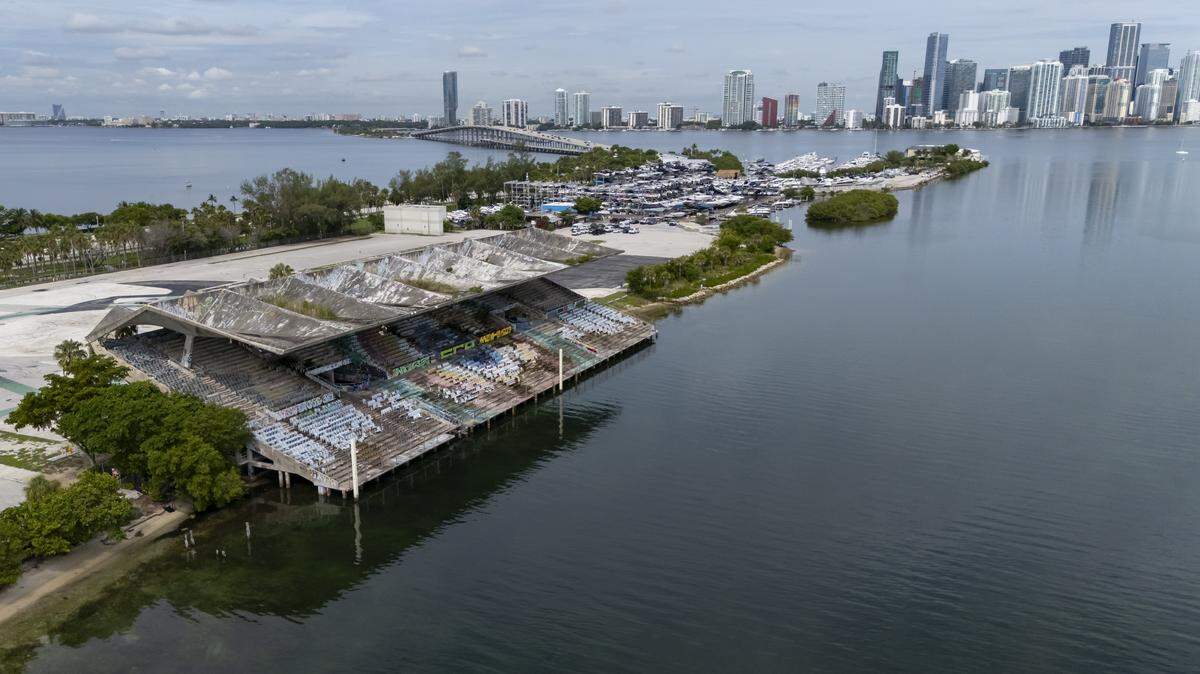
The city of Miami was moving full steam ahead with a proposal to redevelop Miami Marine Stadium, scheduling a special meeting Friday to send a referendum to the November ballot, asking voters to approve the city’s choice of an operator to oversee the restoration of the 1963 landmark and run it as an event and performance venue.
But the plan came to a screeching halt Friday morning after revelations came to light about the former CEO of the company the city had hoped would redevelop and manage the iconic stadium on Virginia Key. The city had selected a company called Global Spectrum, doing business as Oak View Group, in a publicly advertised bidding process.
In July, Oak View Group’s CEO Timothy Leiweke was indicted for orchestrating a conspiracy to rig the bidding process in an arena deal in Austin, Texas. Leiweke pleaded not guilty, and the Department of Justice reached a non-prosecution agreement with Oak View Group and another company involved, Billboard reported. The companies agreed to pay penalties of $15 million and $1.5 million respectively.
City Manager Art Noriega said he learned about the indictment Thursday — on the eve of the vote — after the Miami Herald emailed the city requesting comment about the matter. Noriega also cited other unspecified concerns, saying the city needed to do further due diligence.
“It was other stuff beyond the indictment that was a little more concerning,” Noriega said, adding that the city had to do more work “to either completely vet the situation and/or get comfortable with it. Right now, I’m not comfortable with the set of circumstances with the vendor and the continued role of the former CEO.”
After the indictment, Leiweke stepped down as CEO and transitioned to vice chairman.
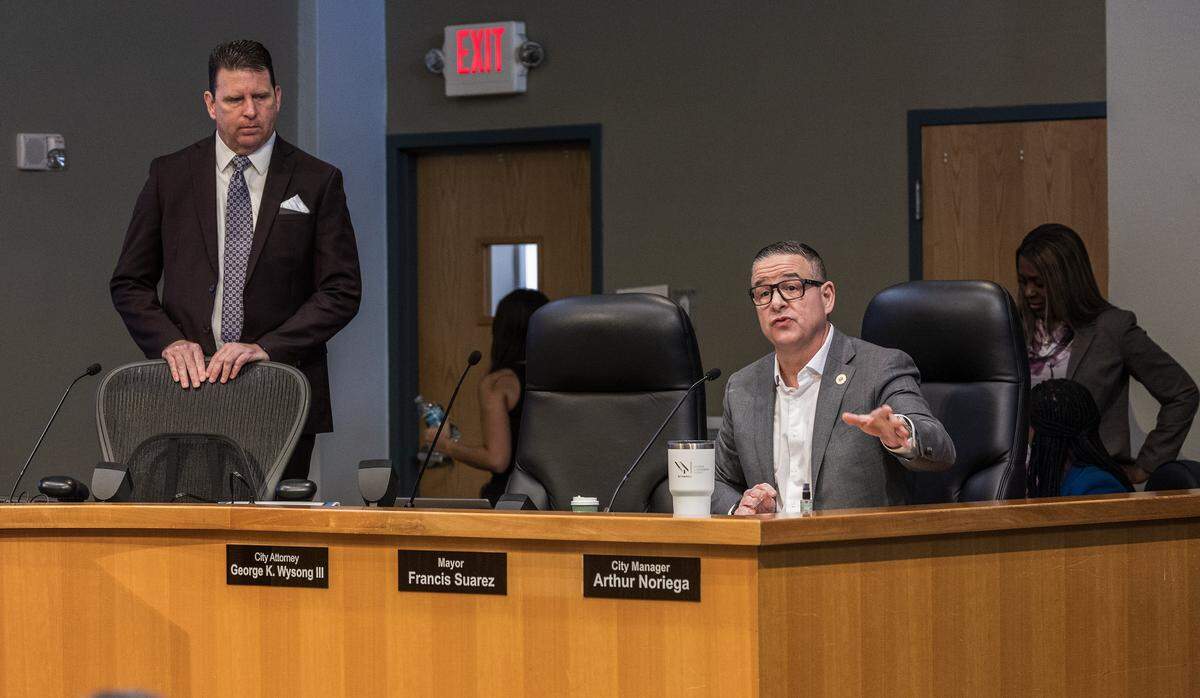
The City Commission did not publicly discuss the Marine Stadium proposal Friday, which was the deadline for sending referendums to the Nov. 4 ballot. About 45 minutes after the meeting’s scheduled start time, Noriega announced that the meeting was canceled due to a lack of quorum.
Three commissioners were needed for the meeting; Ralph Rosado and Damian Pardo were the only two who made an appearance in the commission chambers Friday morning. Commissioner Miguel Angel Gabela was out of town on a preplanned trip. A spokesperson for Chairwoman Christine King told the Herald: “The Chairwoman was feeling under the weather.” Commissioner Joe Carollo said he had a prior commitment related to a family matter.
The city’s decision deals a major blow to Mayor Francis Suarez. The Marine Stadium development was considered a legacy project for Suarez, who is termed out at the end of the year.
Suarez, who sponsored the Marine Stadium legislation and called for Friday’s special meeting, did not immediately respond to a request for comment.
An internal memo shows the city met with representatives from Oak View Group on July 8 — the day before the indictment was announced — and again on Aug. 15, Aug. 20, Aug. 27 and Aug. 28.
“Due diligence was conducted, including verifying corporate status,” the memo read. “There were no adverse findings related to [the company’s] responsibility.”
Noriega said the city might revisit sending the proposal to referendum in six months or so, and that it still might work with Oak View Group as the operator.
“We are 100% committed to still moving forward with the stadium renovation, and hopefully we’ll have an operational partner, whether it’s this particular group or another group,” Noriega said Friday.
Oak View Group did not immediately respond to a request for comment. A spokesperson for Leiweke issued the following statement to Variety in July:
“Mr. Leiweke has done nothing wrong and will vigorously defend himself and his well-deserved reputation for fairness and integrity,” the spokesperson said. “The Antitrust Division’s allegations are wrong on the law and the facts, and the case should never have been brought.”
Leiweke has long been a big figure in North American sports management. In 2015, he worked for David Beckham’s effort to bring major league soccer to Miami but left after brothers Jorge and José Mas became the chief investors and executives in 2017 for what became Inter Miami.
Leiweke also served as president and CEO of Maple Leaf Sports and Entertainment, which runs the Toronto Maple Leafs of the NHL, the Toronto Raptors of the NBA and Toronto FC of the MLS.
He is also the former CEO and president of AEG, a major owner of sports teams and sports events.
Proposal details
The Global Spectrum venture is led by Denver-based Oak View Group, which manages the Miami Beach Convention Center and is one of the nation’s largest operators of performance and meeting venues, arenas and stadiums.
In its proposal to the city, Global Spectrum said the Miami Marine Stadium “is not just a venue; it’s a cultural landmark.”
Under Global Spectrum’s proposal, according to records provided by the city, the group would have received a 10-year management contract, with three options for renewal, and invested $10 million in the project. Global Spectrum was set to receive a base management fee of $500,000 a year, with adjustment for inflation, and a share of revenue.
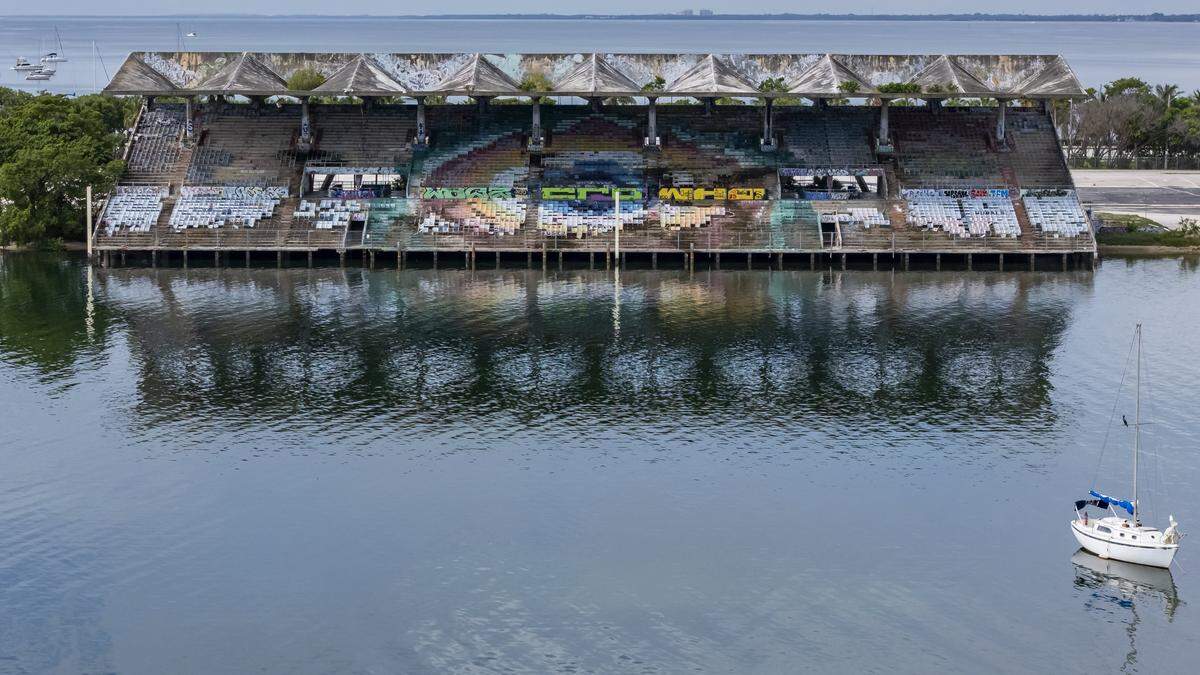
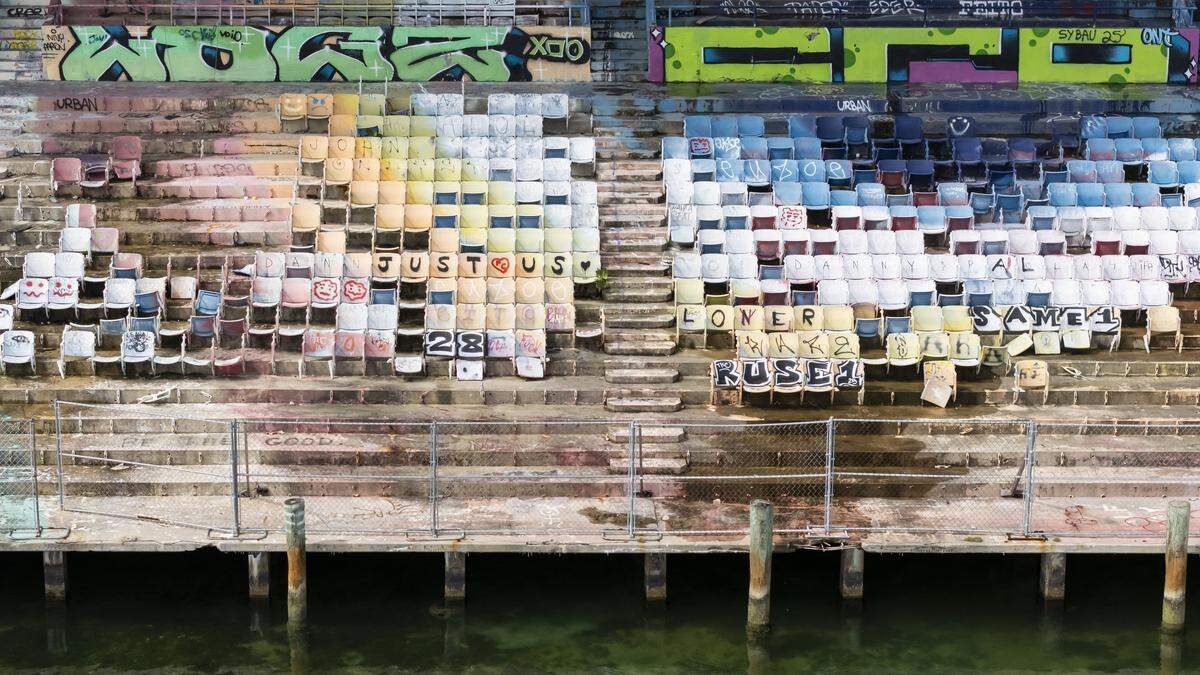
The proposal outlined a far-reaching plan for renovation that would preserve and highlight the stadium’s signature Brutalist architecture while providing for state-of-the-art sound, lighting and video systems, new seating that includes premium sections, and a range of food and beverage options from high-end to grab-and-go.
For programming, Global Spectrum promised a year-round variety of “high-profile concerts and multi-day festivals to boat races, diving events, family shows, sporting exhibitions, trade shows, corporate galas, and community gatherings.” To attract users on a daily basis, and not just for performances or events, the operator also envisioned a craft and artisan market and other amenities.
The firm pledged to host events that reflect the stadium’s history and the significance it holds for many Miamians. Before closing after Hurricane Andrew in 1992, the architecturally daring stadium was a popular site for boat races, concerts by big stars and Easter sunrise services.
The deal also included a long-promised flex park that would convert the stadium’s vast parking lot into a water-oriented public recreational facility that could also be used for special events.
The proposal envisioned extensive plans for alternative transportation to stadium events to lessen the impact on Rickenbacker Causeway traffic, including water taxi service and a network of continuous shuttle buses to and from several points on the mainland.
This story was originally published September 5, 2025 at 11:39 AM.
.jpg)