Miami-Dade County

Take a close look inside the iconic Dade County Courthouse. It may be your last

The historic Dade County Courthouse is viewed from the new Osvaldo N. Soto Miami-Dade Justice Center, which replaced it on Wednesday, January 14, 2026, in Miami, Florida. The Dade County Courthouse is significant as an excellent example of Neo-Classical architecture. The detailing of the remaining historic interior spaces and features continue to reflect this distinctive style and contributes to a more complete understanding of the historic character of the Courthouse.
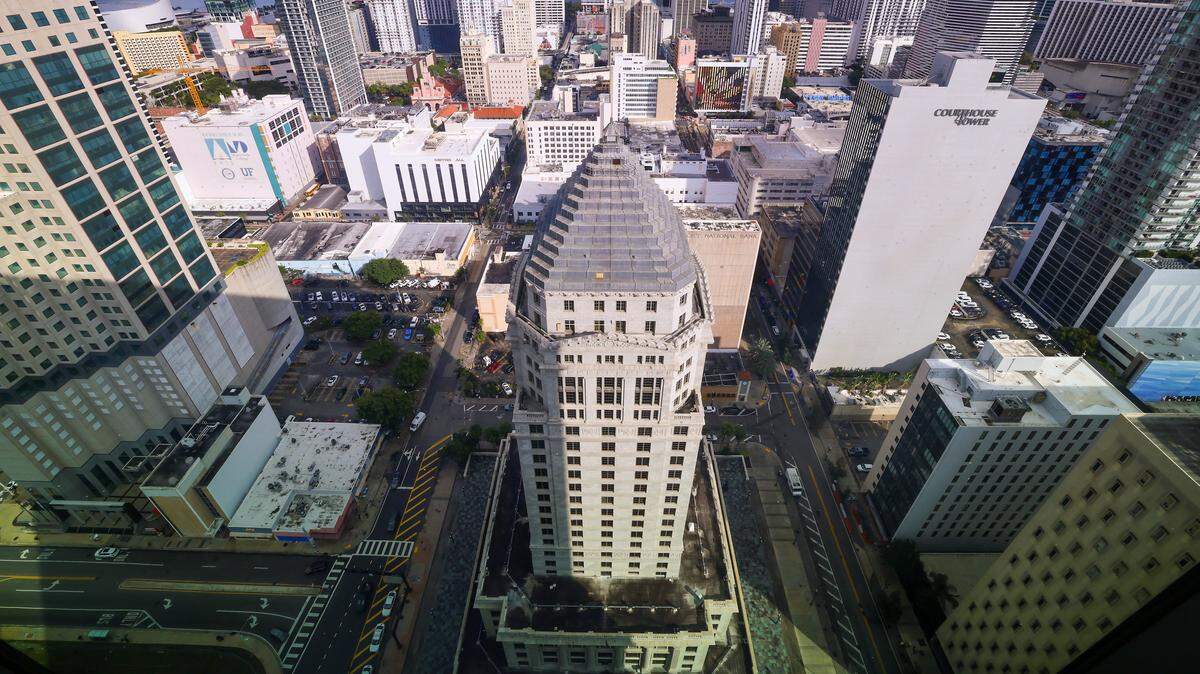
The historic, now vacant Dade County Courthouse, with its defining pyramid ziggurat roof, is seen from a panoramic window at the taller new Osvaldo N. Soto Miami-Dade Justice Center, which replaced the iconic landmark in downtown Miami. cjuste@miamiherald.com

At the close of 2025, a rich, long chapter in Miami’s civic, legal and architectural history came to an end after nearly 100 years. The Dade County Courthouse was, for all intents and purposes, shut down.

In December, the civil division of the Eleventh Judicial Circuit of Florida, including all its 40 judges and staff, vacated the iconic Neo-Classical tower at 73 W. Flagler St. for a sleekly efficient new $263 million courthouse across the street, leaving behind little else but the past and irreproducible architectural grandeur.

The future of the 1928 building — once also the home of city of Miami and Dade County governments, the criminal courts and, beneath the tower’s signature stepped-pyramid roof, the city and county jails — is now up for grabs.

The 27-story courthouse, which is listed on the honorary National Register of Historic Places, is legally protected from demolition or significant alteration as a historic and architectural landmark by Miami-Dade County, along with its most important interior spaces, including its grand lobby and a set of ornate courtrooms.

READ MORE: A tale of two courthouses: Miami-Dade judges move to modern digs, leaving history behind

But a county bid for proposals from developers to adapt and reuse the courthouse failed to attract any formal offers, and Miami-Dade officials say they now plan to auction it off, though no specific plan has been released.

In the meantime, here is a close look inside and out at what’s now a ghostly vestige — the work of noted architects A. Ten Eyck Brown and August Geiger — that long stood as Miami’s tallest building, a symbol of the city’s rise, and the memorable stage for many of its defining legal and political tribulations:

The reflection of the historic Dade County Courthouse is viewed on the glass windows of the new Osvaldo N. Soto Miami-Dade Justice Center, which replaced it on Wednesday, January 14, 2026, in Miami, Florida. The Dade County Courthouse is significant as an excellent example of Neo-Classical architecture. The detailing of the remaining historic interior spaces and features continue to reflect this distinctive style and contributes to a more complete understanding of the historic character of the Courthouse.
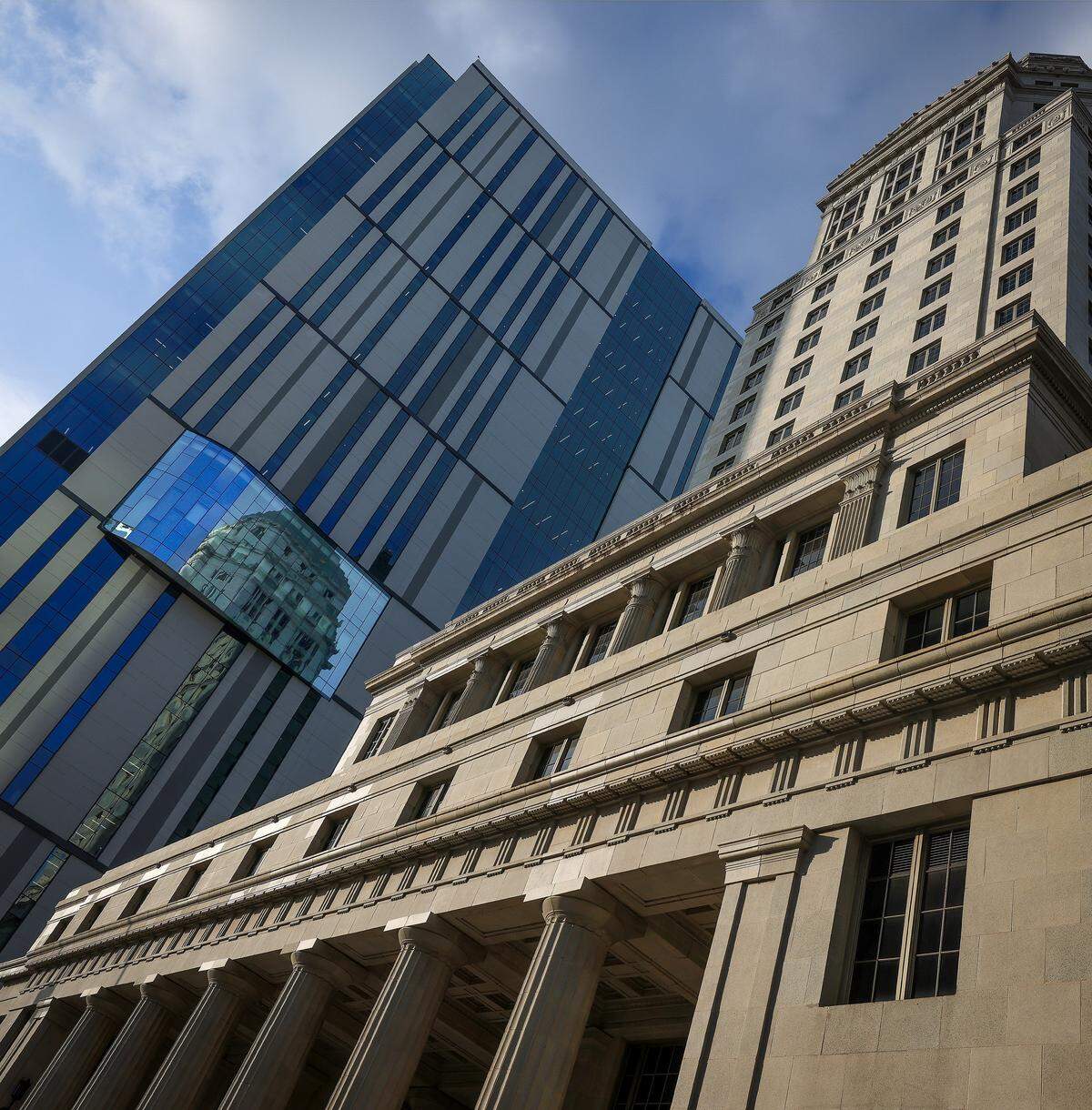
The tower of the historic, now vacant Dade County Courthouse, which opened in 1928, is reflected in a glass bubble on the facade of its replacement, the new Osvaldo N. Soto Miami-Dade Justice Center, in downtown Miami. The reflective glass was a deliberate design choice by the new courthouse architects, HOK, to pay tribute to its iconic predecessor. Carl Juste cjuste@miamiherald.com
The historic Dade County Courthouse has been replaced by the new Osvaldo N. Soto Miami-Dade Justice Center, which towers over the old courthouse in Miami, Florida, on Wednesday, January 14, 2026. The Dade County Courthouse is significant as an excellent example of Neo-Classical architecture. The detailing of the remaining historic interior spaces and features continue to reflect this distinctive style and contributes to a more complete understanding of the historic character of the Courthouse.
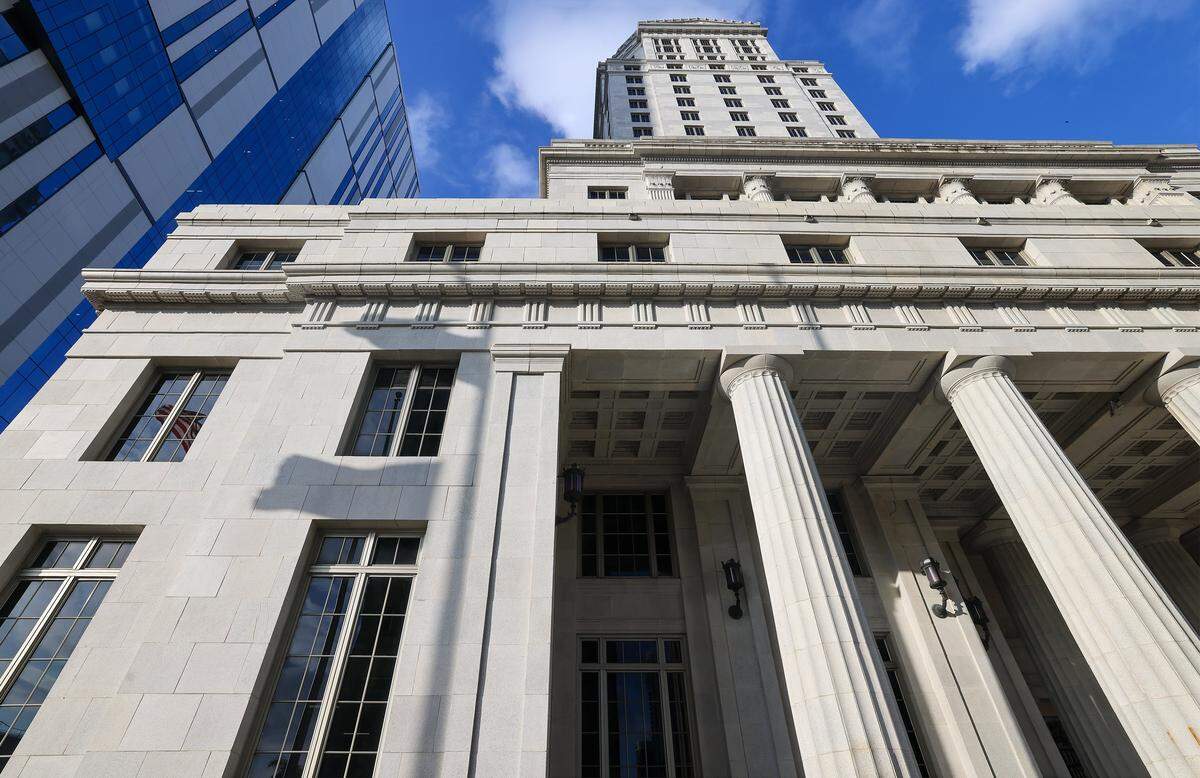
The soaring main entrance of the historic Dade County Courthouse on West Flagler Street in downtown Miami features columns and a coffered ceiling inspired by the Classical architecture of the Greeks and Romans. Carl Juste cjuste@miamiherald.com
The reflection of the historic Dade County Courthouse is viewed on the glass windows of the new Osvaldo N. Soto Miami-Dade Justice Center, which replaced it on Wednesday, January 14, 2026, in Miami, Florida. The Dade County Courthouse is significant as an excellent example of Neo-Classical architecture. The detailing of the remaining historic interior spaces and features continue to reflect this distinctive style and contributes to a more complete understanding of the historic character of the Courthouse.
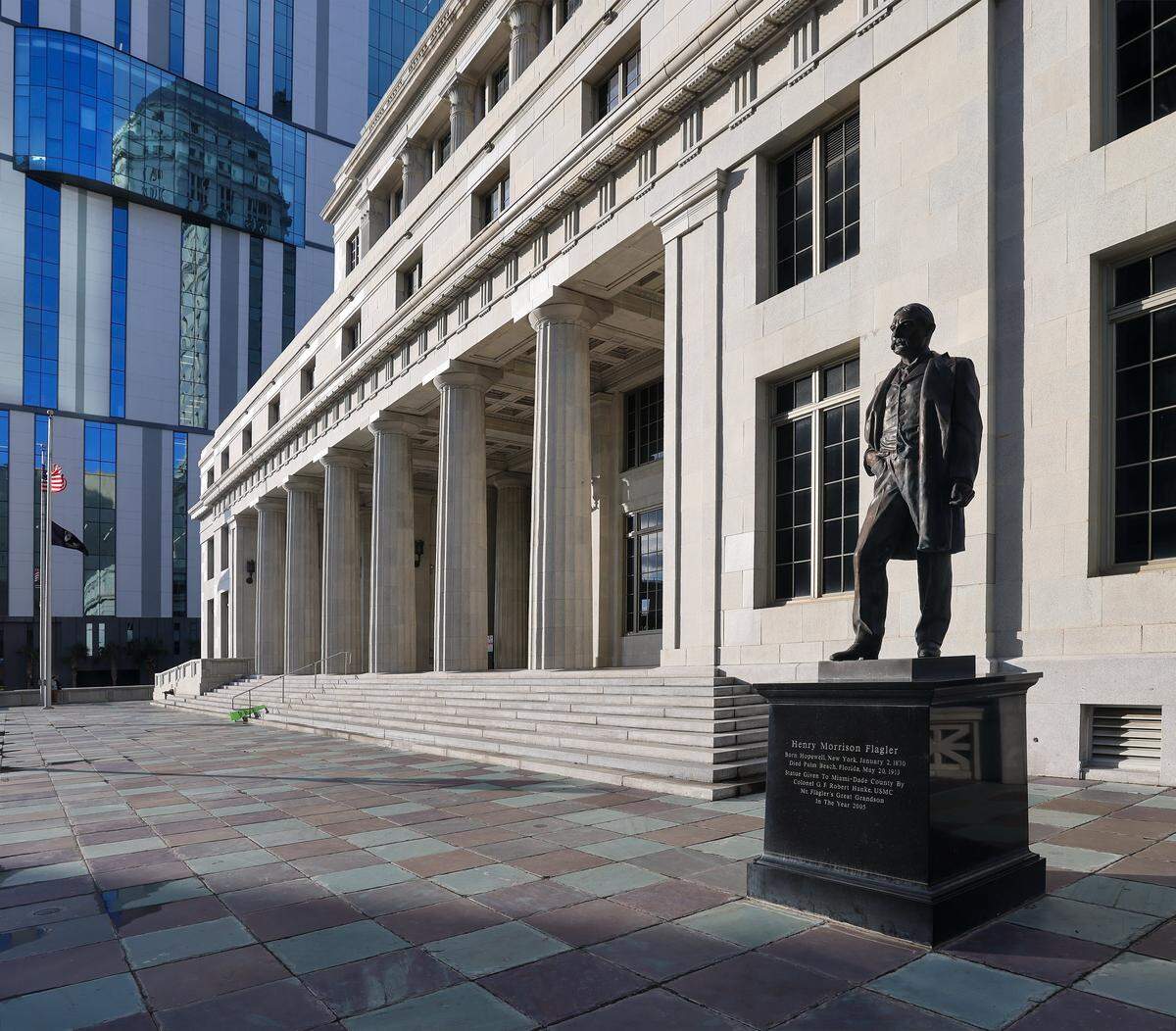
A statue of industrialist Henry Flagler, who co-founded the city of Miami, stands at the main entrance to the historic Dade County Courthouse on West Flagler Street downtown. The iconic, now vacant Neo-Classical courthouse tower is reflected in a glass bubble on the facade of its modern replacement, the new Osvaldo N. Soto Miami-Dade Justice Center, at left. Carl Juste cjuste@miamiherald.com
The historic Dade County Courthouse brass lighting fixtures are one of the many historic elements of the old courthouse in Miami, Florida, on Wednesday, January 14, 2026. The Dade County Courthouse is significant as an excellent example of Neo-Classical architecture. The detailing of the remaining historic interior spaces and features continue to reflect this distinctive style and contributes to a more complete understanding of the historic character of the Courthouse.
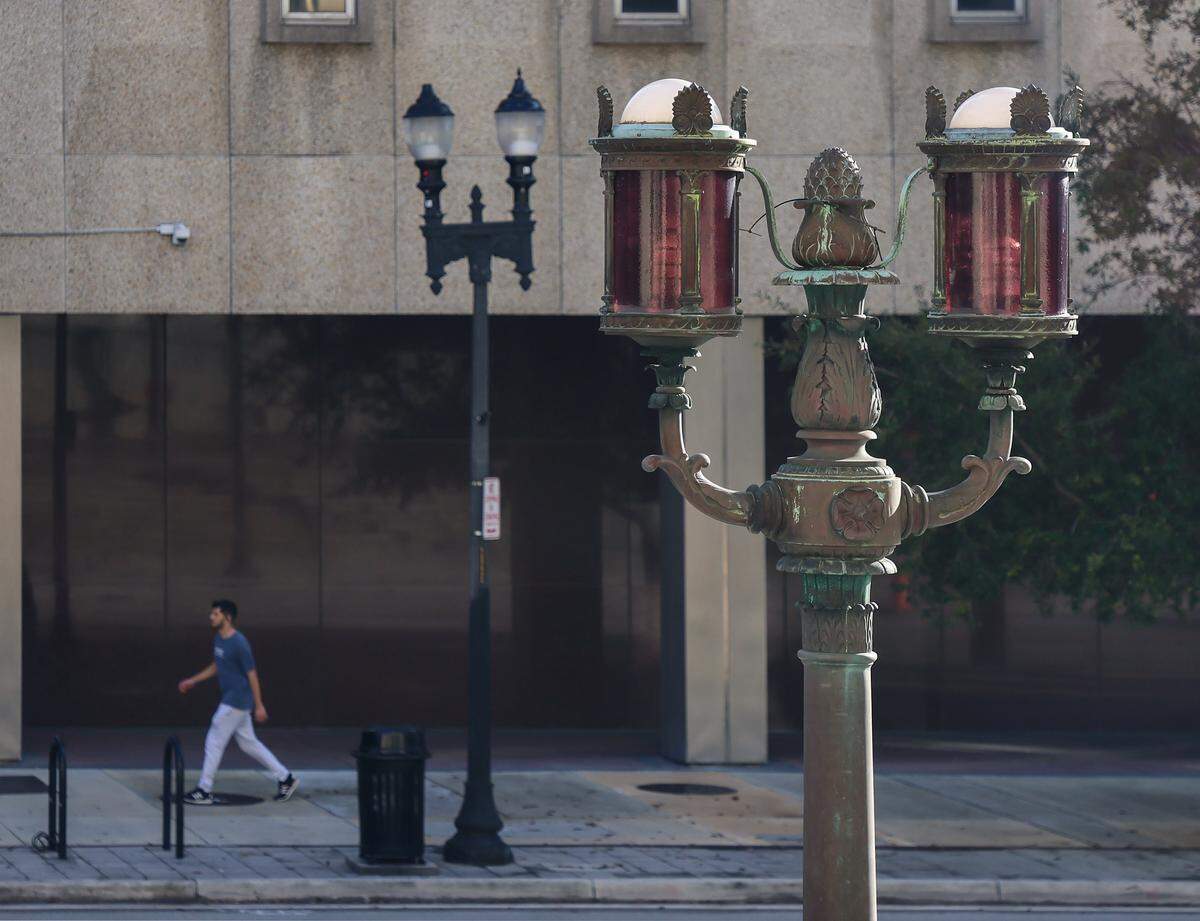
Ornate period lamps stand at the main entrance to the historic, now vacant Dade County Courthouse, which opened in 1928, on West Flagler Street in downtown Miami. Carl Juste cjuste@miamiherald.com
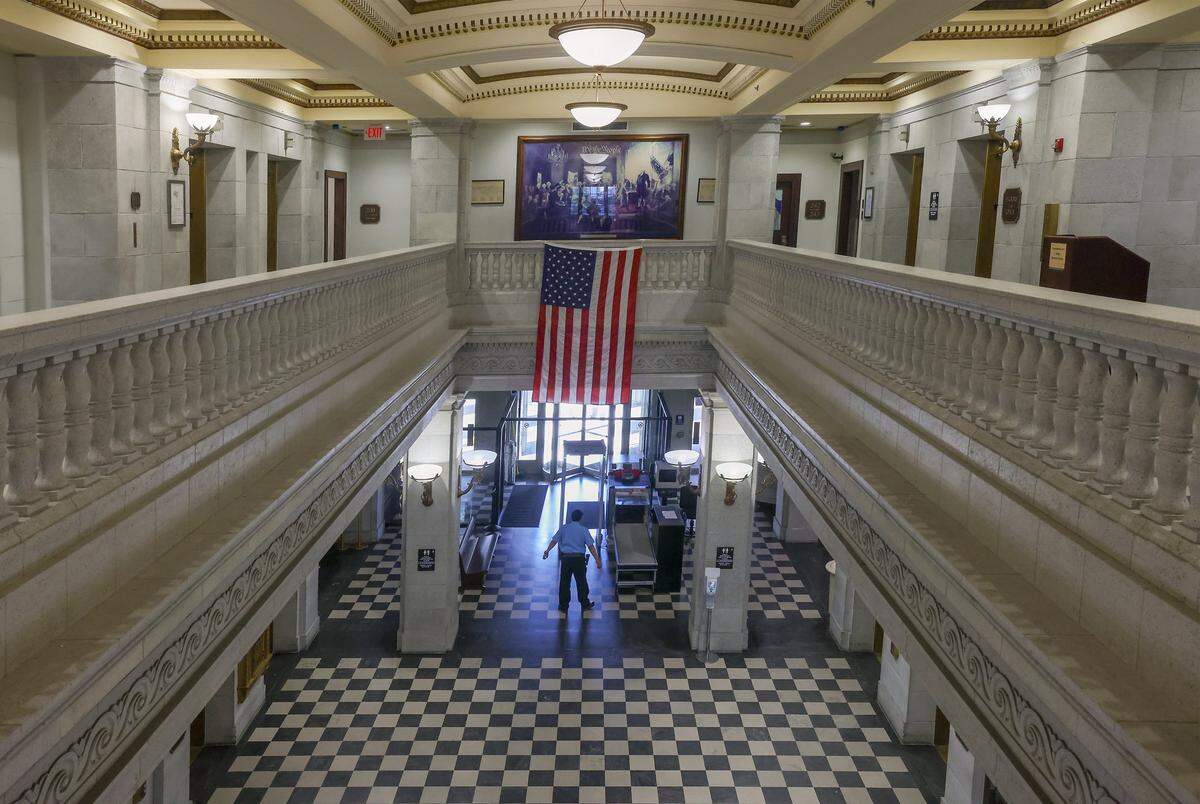
The view of the lobby looking down from the second-floor atrium. Visible is the restored lobby floor, and some of the details of the upper atrium of the old courthouse in Miami, Florida, on Wednesday, January 14, 2026. The Dade County Courthouse is significant as an excellent example of Neo-Classical architecture. The detailing of the remaining historic interior spaces and features continue to reflect this distinctive style and contributes to a more complete understanding of the historic character of the Courthouse.
An elegant balustrade overlooks the lobby of the historic, now vacant Dade County Courthouse and its marble checkerboard floor. The balustrade and floor are protected architectural elements of the courthouse interior. Carl Juste cjuste@miamiherald.com
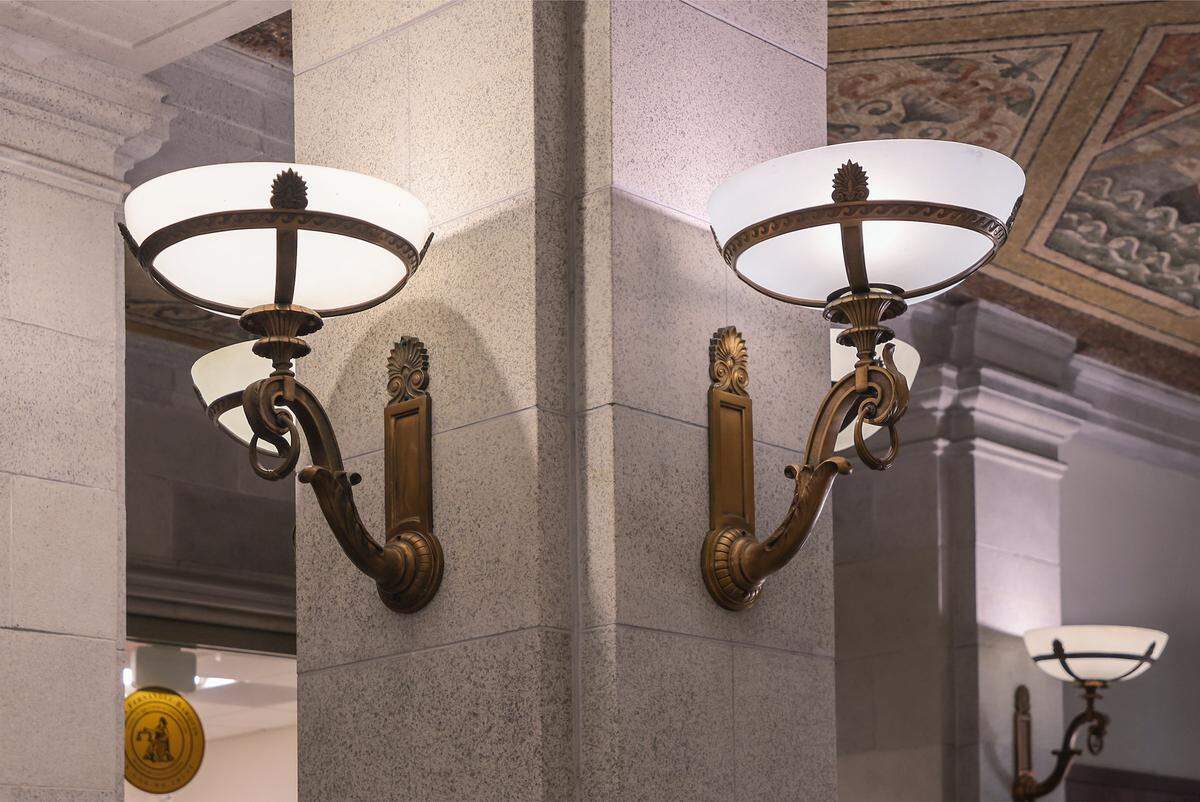
The historic Dade County Courthouse brass lighting fixtures are one of the many historic elements of the old courthouse in Miami, Florida, on Wednesday, January 14, 2026. The Dade County Courthouse is significant as an excellent example of Neo-Classical architecture. The detailing of the remaining historic interior spaces and features continue to reflect this distinctive style and contributes to a more complete understanding of the historic character of the Courthouse.
Original, elaborate brass light sconces illuminate the ceiling mosaic in the lobby of the historic, now vacant Dade County Courthouse in downtown Miami. The lights and mosaic are protected elements of the courthouse interior. Carl Juste cjuste@miamiherald.com
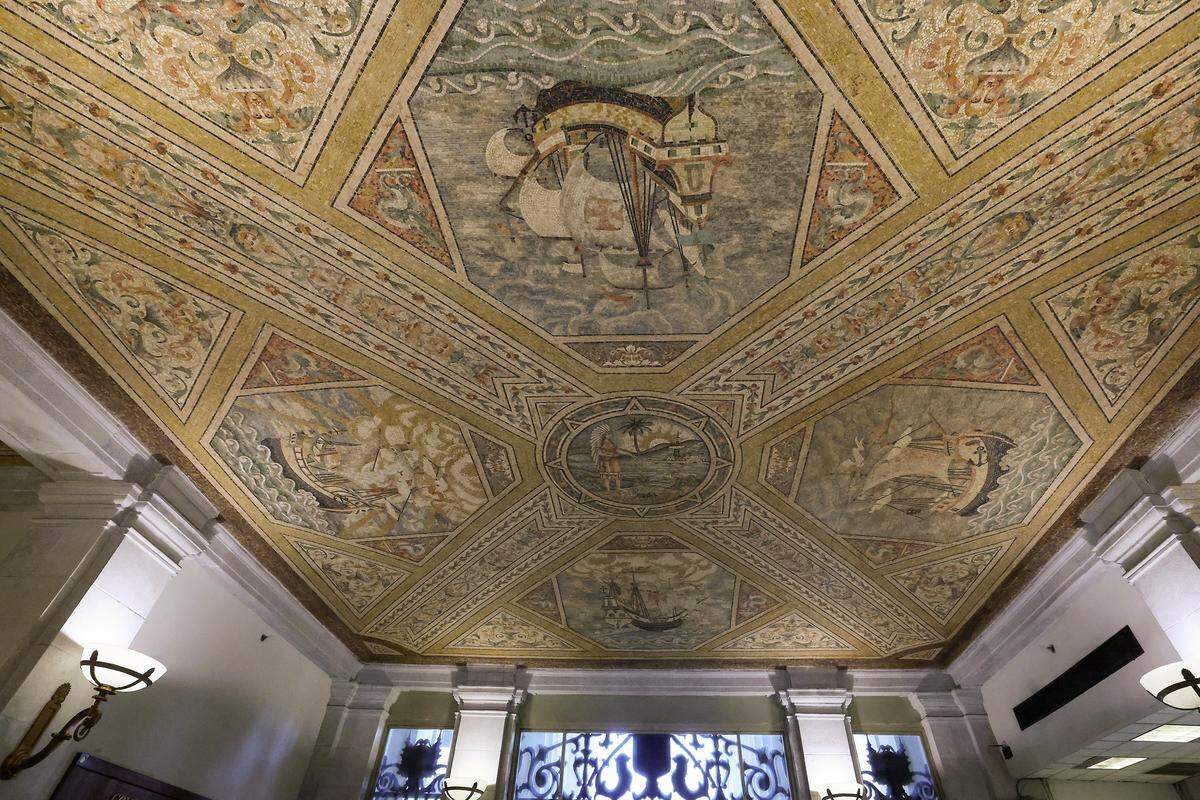
One of the elaborate mosaics that adorn the lobby ceiling at the south entry, one of two that are historic elements of the old courthouse that has been restored in Miami, Florida, on Wednesday, January 14, 2026. The Dade County Courthouse is significant as an excellent example of Neo-Classical architecture. The detailing of the remaining historic interior spaces and features continue to reflect this distinctive style and contributes to a more complete understanding of the historic character of the Courthouse.
A highly embellished lobby ceiling mosaic at the south entry of the historic Dade County Courthouse in downtown Miami depicts Spanish caravels and mythical sea creatures, among other fanciful details. The mosaic is a protected historic element of the courthouse interior. Carl Juste cjuste@miamiherald.com
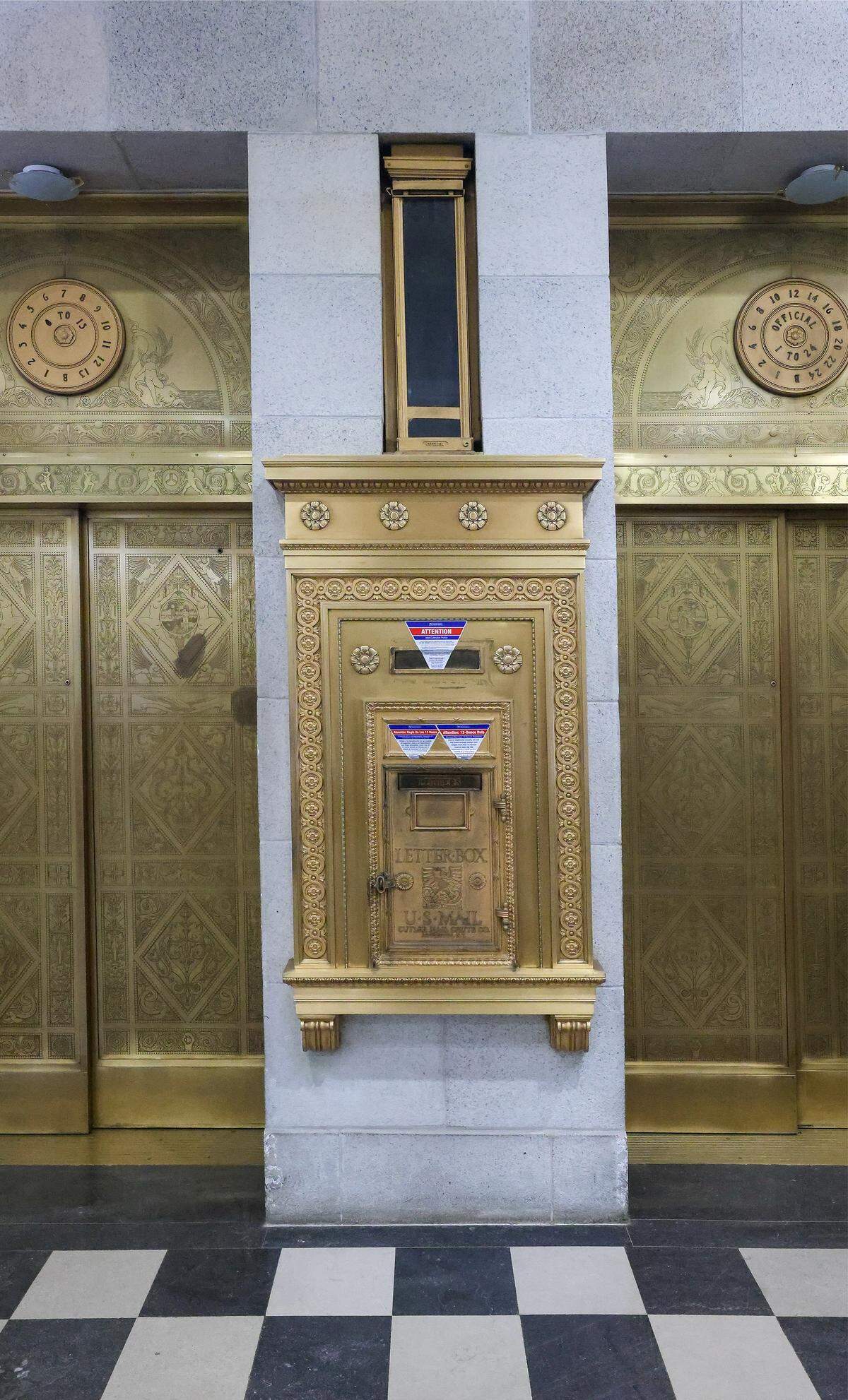
Two of the original etched-bronze elevator doors in the lobby, along with the original bronze mailbox and tube, have been restored inside the historic courthouse in Miami, Florida, on Wednesday, January 14, 2026. The Dade County Courthouse is significant as an excellent example of Neo-Classical architecture. The detailing of the remaining historic interior spaces and features continue to reflect this distinctive style and contributes to a more complete understanding of the historic character of the Courthouse.
Finely etched bronze elevator doors and an original bronze mailbox and mail chute adorn the lobby of the historic, now vacant Dade County Courthouse in downtown Miami. The doors, mailbox and marble checkerboard floor are protected architectural elements of the courthouse interior. Carl Juste cjuste@miamiherald.com
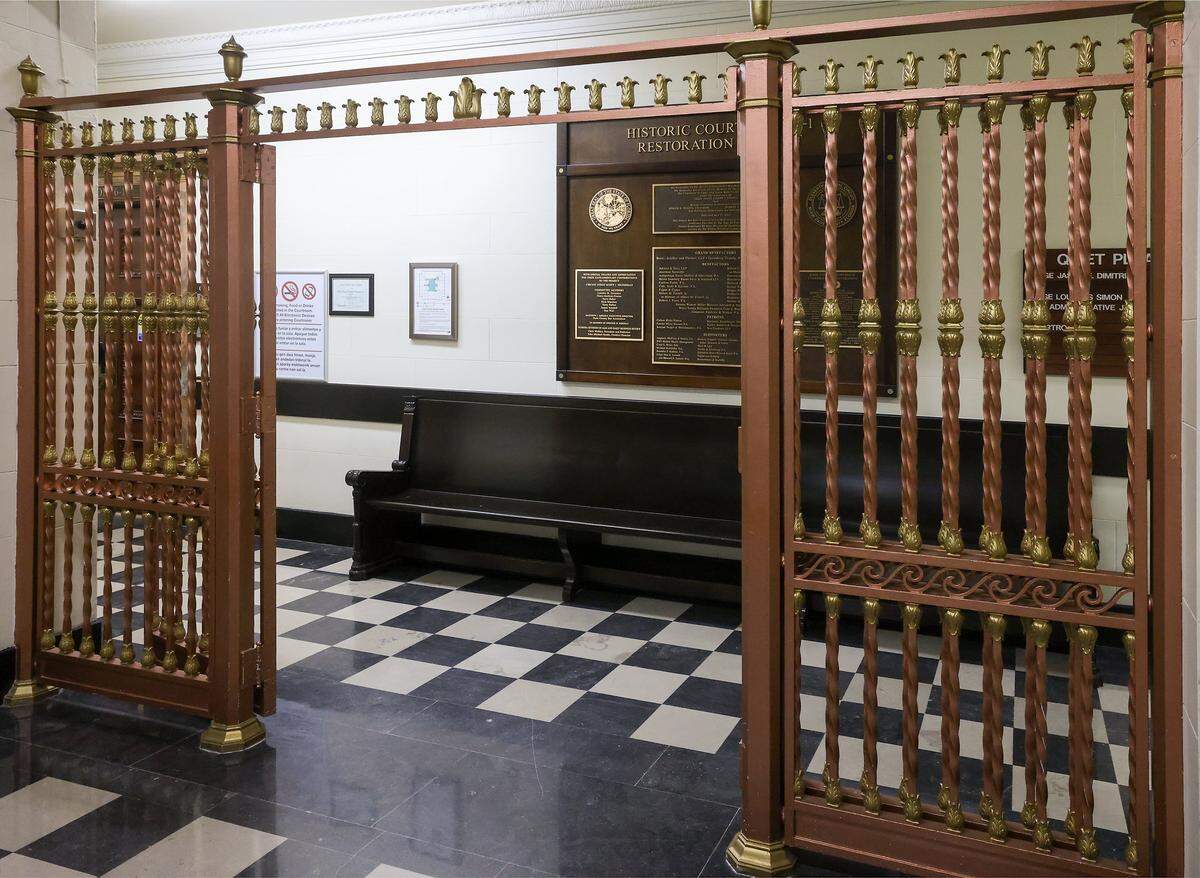
Iron panels separate the seating area from the courtroom hallways, is one of the historic elements repaired as part of restoration of the old courthouse in Miami, Florida, on Wednesday, January 14, 2026. The Dade County Courthouse is significant as an excellent example of Neo-Classical architecture. The detailing of the remaining historic interior spaces and features continue to reflect this distinctive style and contributes to a more complete understanding of the historic character of the Courthouse.
Wrought-iron gates separate the central waiting area from famed Courtroom 6-1 on the sixth floor of the historic, now vacant Dade County Courthouse in downtown Miami. The gates are a protected architectural element of the courthouse interior. Carl Juste cjuste@miamiherald.com
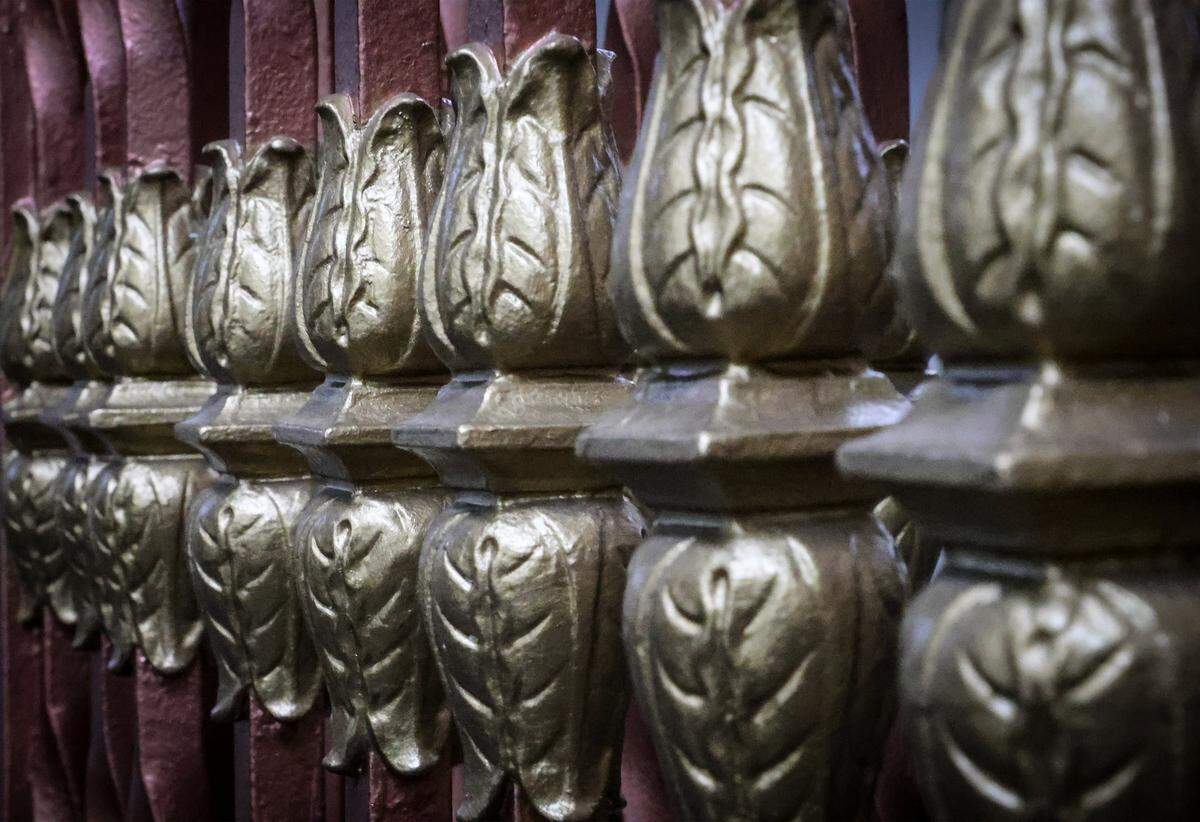
A detail photo of the iron panels separate the seating area from the courtroom hallways, is one of the historic elements repaired as part of restoration of the old courthouse in Miami, Florida, on Wednesday, January 14, 2026. The Dade County Courthouse is significant as an excellent example of Neo-Classical architecture. The detailing of the remaining historic interior spaces and features continue to reflect this distinctive style and contributes to a more complete understanding of the historic character of the Courthouse.
A photo captures details of the wrought-iron gates that separate the central waiting area from famed Courtroom 6-1 on the sixth floor of the historic, now vacant Dade County Courthouse in downtown Miami. The gates are a protected architectural element of the courthouse interior. Carl Juste cjuste@miamiherald.com
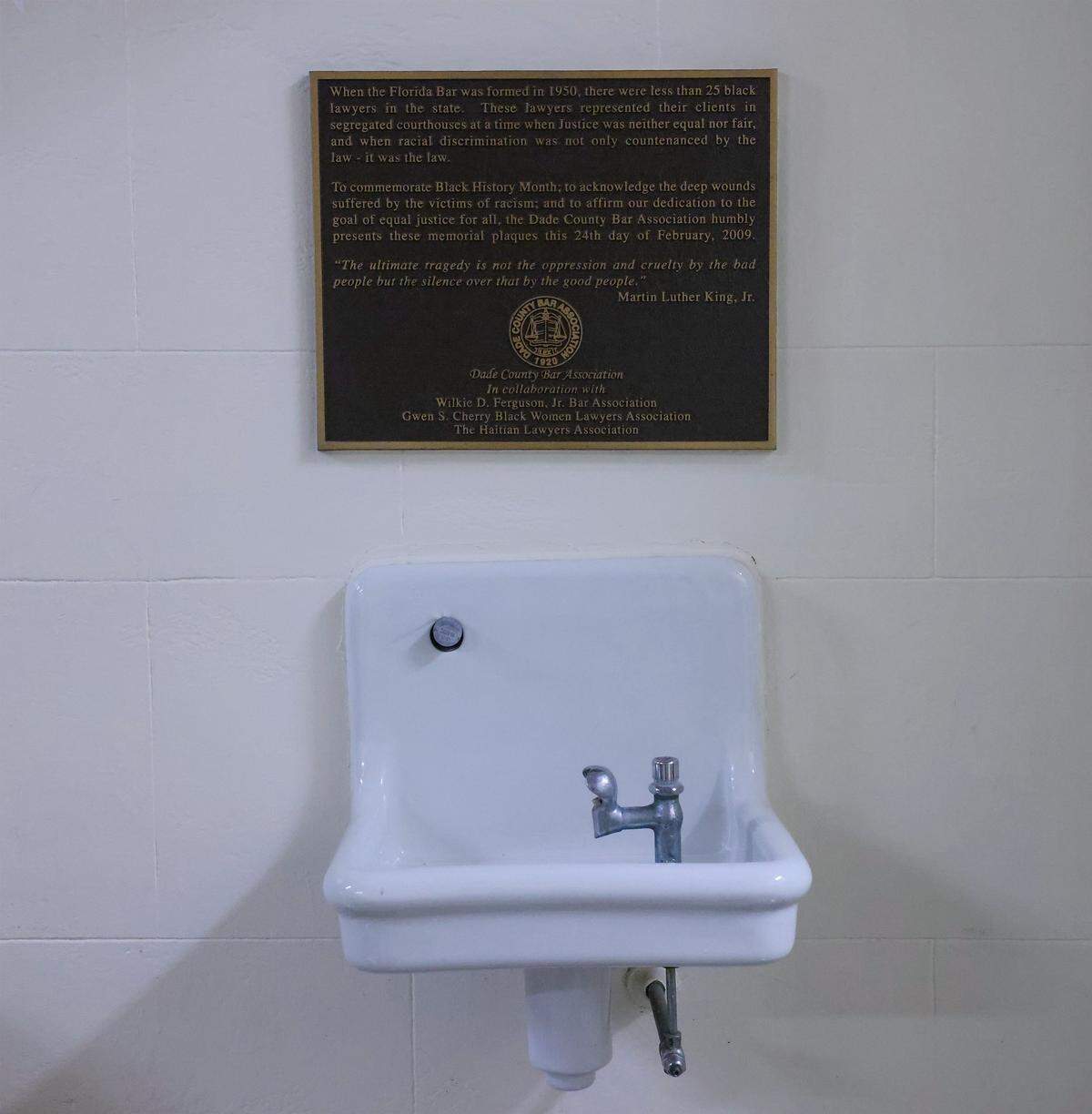
The segregation-era water fountain on the 6th floor is on full display as a reminder of Miami's Jim Crow past, restored and acknowledged as one of the historic elements of the old courthouse in Miami, Florida, on Wednesday, January 14, 2026. The Dade County Courthouse is significant as an excellent example of Neo-Classical architecture. The detailing of the remaining historic interior spaces and features continue to reflect this distinctive style and contributes to a more complete understanding of the historic character of the Courthouse.
A segregation-era water fountain on the sixth floor of the Dade County Courthouse is preserved as a reminder of Miami's Jim Crow past, when there were separate drinking fountains for blacks and whites. A plaque above it, dedicated in February 2009 as part of Black History Month, commemorates the history of Black lawyers. The fountain is a protected historic element of the courthouse interior. Carl Juste cjuste@miamiherald.com
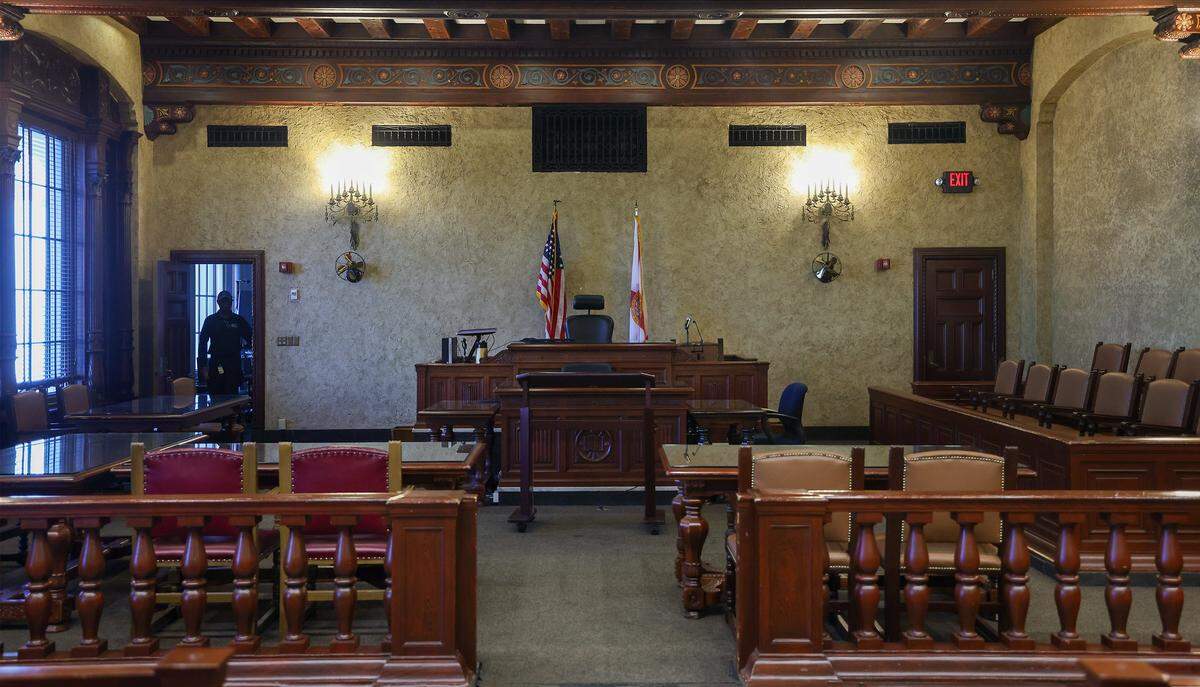
Courtroom 6-1 is one of the historic spaces repaired as part of restoration of the old courthouse in Miami, Florida, on Wednesday, January 14, 2026. The Dade County Courthouse is significant as an excellent example of Neo-Classical architecture. The detailing of the remaining historic interior spaces and features continue to reflect this distinctive style and contributes to a more complete understanding of the historic character of the Courthouse.
Perhaps the grandest and best known space in the historic Dade County Courthouse is Courtroom 6-1, the site of famous trials, ceremonies and judicial investitures. Protected in its entirety as a historic feature, it retains almost all its original architectural elements thanks to a painstaking 2006 restoration, including rustic wall finishes, the wood beams on the painted ceiling, the wooden judge’s bench and jury box, light sconces and, unusually, a rubber floor. Only the desk lamps on the judge’s bench are reproductions. Carl Juste cjuste@miamiherald.com
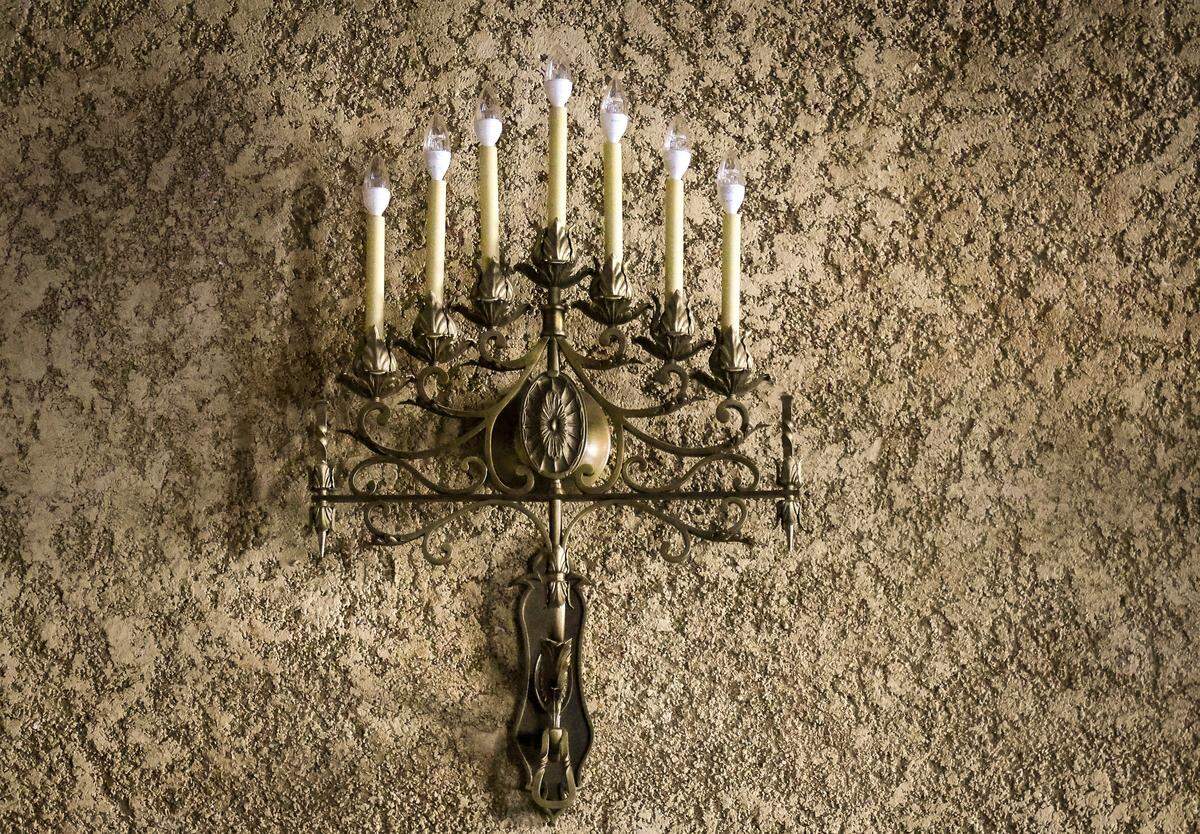
A wall sconces Courtroom 6-1, is one of the historic elements repaired as part of restoration of the old courthouse in Miami, Florida, on Wednesday, January 14, 2026. The Dade County Courthouse is significant as an excellent example of Neo-Classical architecture. The detailing of the remaining historic interior spaces and features continue to reflect this distinctive style and contributes to a more complete understanding of the historic character of the Courthouse.
An original sconce in the shape of a candelabra illuminates the rustic wall surface in famed Courtroom 6-1 in the historic 1928 Dade County Courthouse in downtown Miami. The courtroom, painstakingly restored in 2006, is fully protected as a historic feature of the courthouse interior. Carl Juste cjuste@miamiherald.com
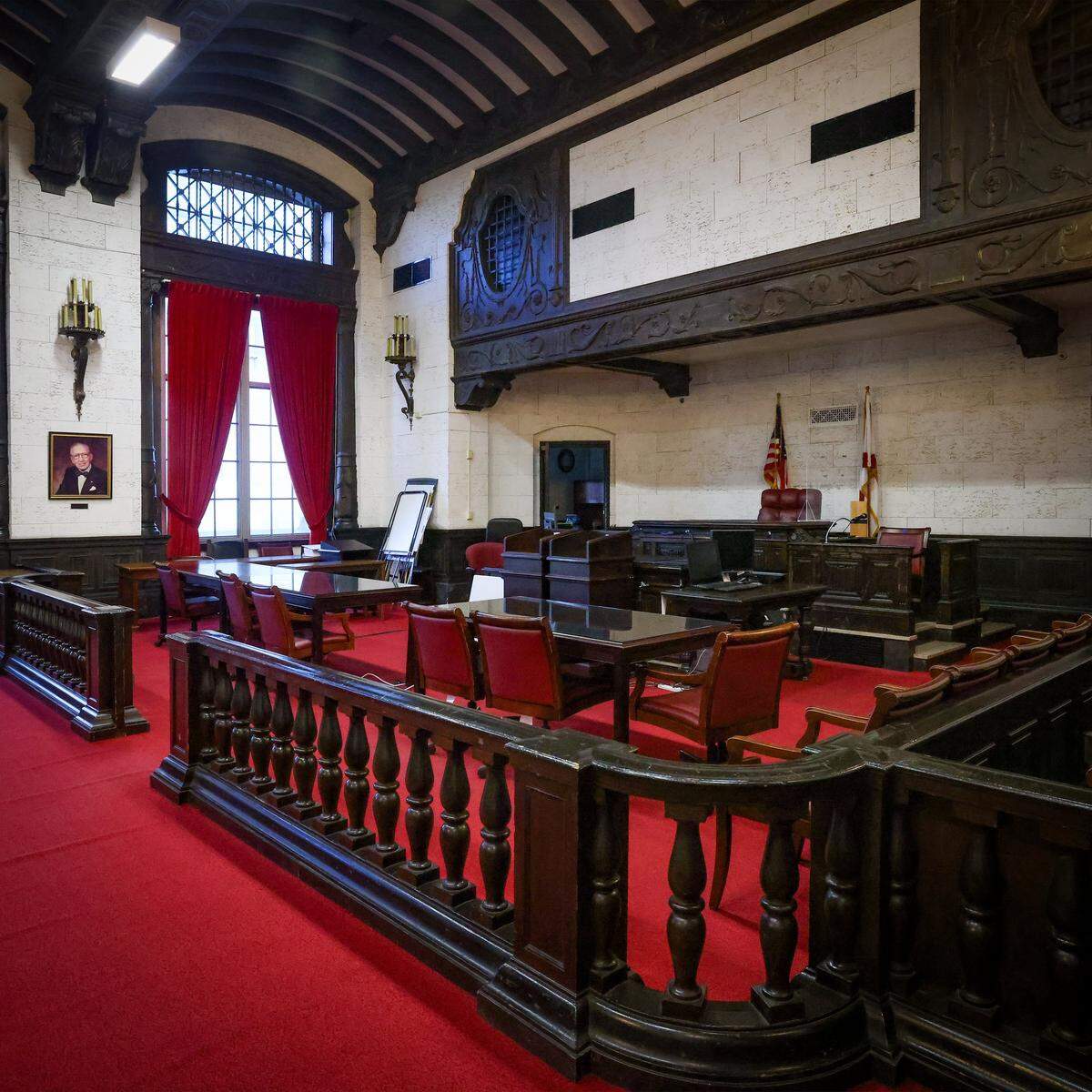
The interior of Courtroom 6-3 is part of the repair and restoration of the old courthouse in Miami, Florida, on Wednesday, January 14, 2026. The Dade County Courthouse is significant as an excellent example of Neo-Classical architecture. The detailing of the remaining historic interior spaces and features continue to reflect this distinctive style and contributes to a more complete understanding of the historic character of the Courthouse.
With a high, three-part vaulted ceiling, tall casement windows and velvety red drapes, Courtroom 4-2 is one of the most dramatic spaces at the historic 1928 Dade County Courthouse in downtown Miami. Though unrestored, the courtroom retains most of its original elements, including the millwork and woodwork, which are protected as historic architectural features of the courthouse interior. Carl Juste cjuste@miamiherald.com
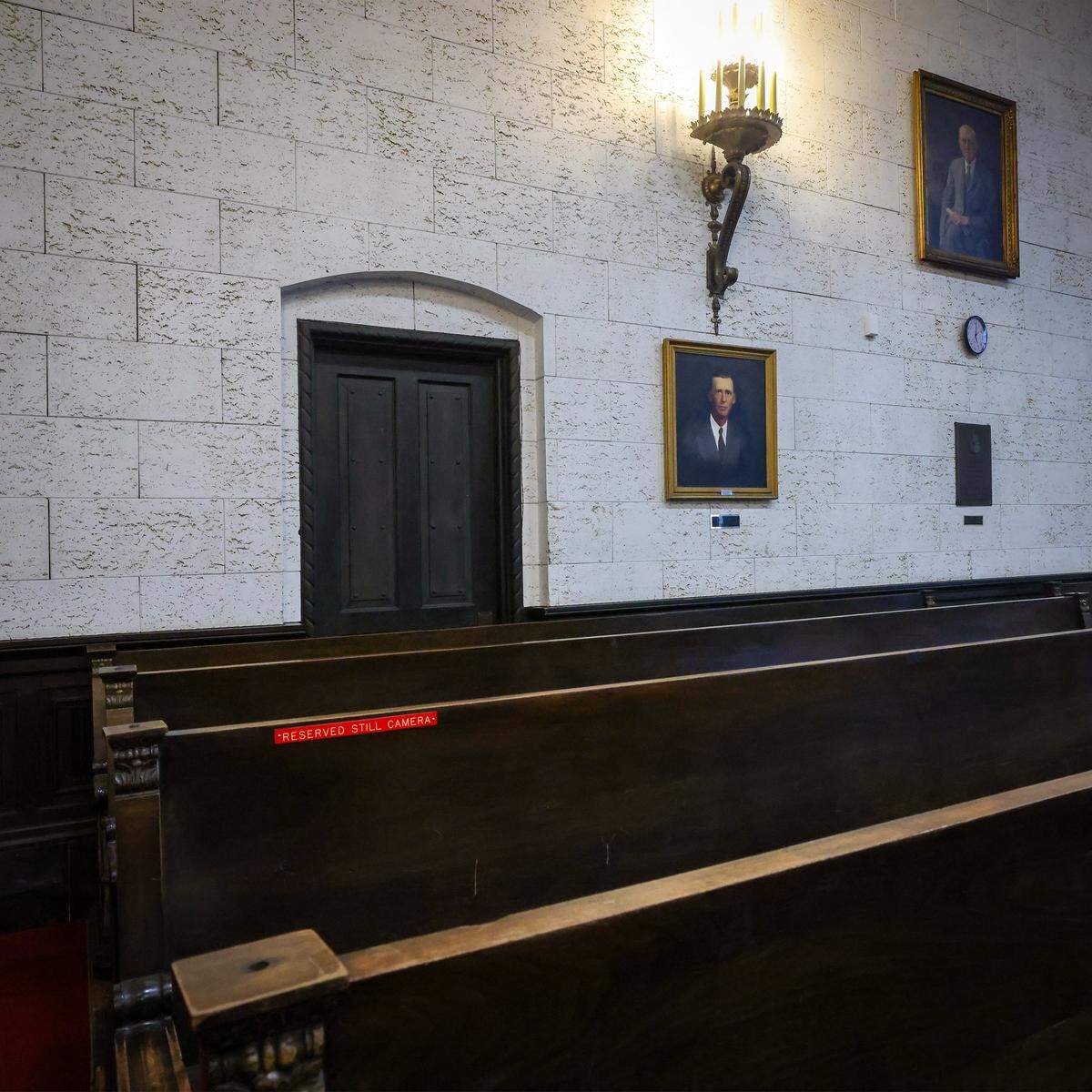
The seating area for the members of the press along with the interior of Courtroom 6-3 are part of the repair and restoration of the old courthouse in Miami, Florida, on Wednesday, January 14, 2026. The Dade County Courthouse is significant as an excellent example of Neo-Classical architecture. The detailing of the remaining historic interior spaces and features continue to reflect this distinctive style and contributes to a more complete understanding of the historic character of the Courthouse.
An original wooden bench, designated for press use, is one of the protected interior architectural elements in Courtroom 4-2 in the historic, now vacant 1928 Dade County Courthouse in downtown Miami. Carl Juste cjuste@miamiherald.com
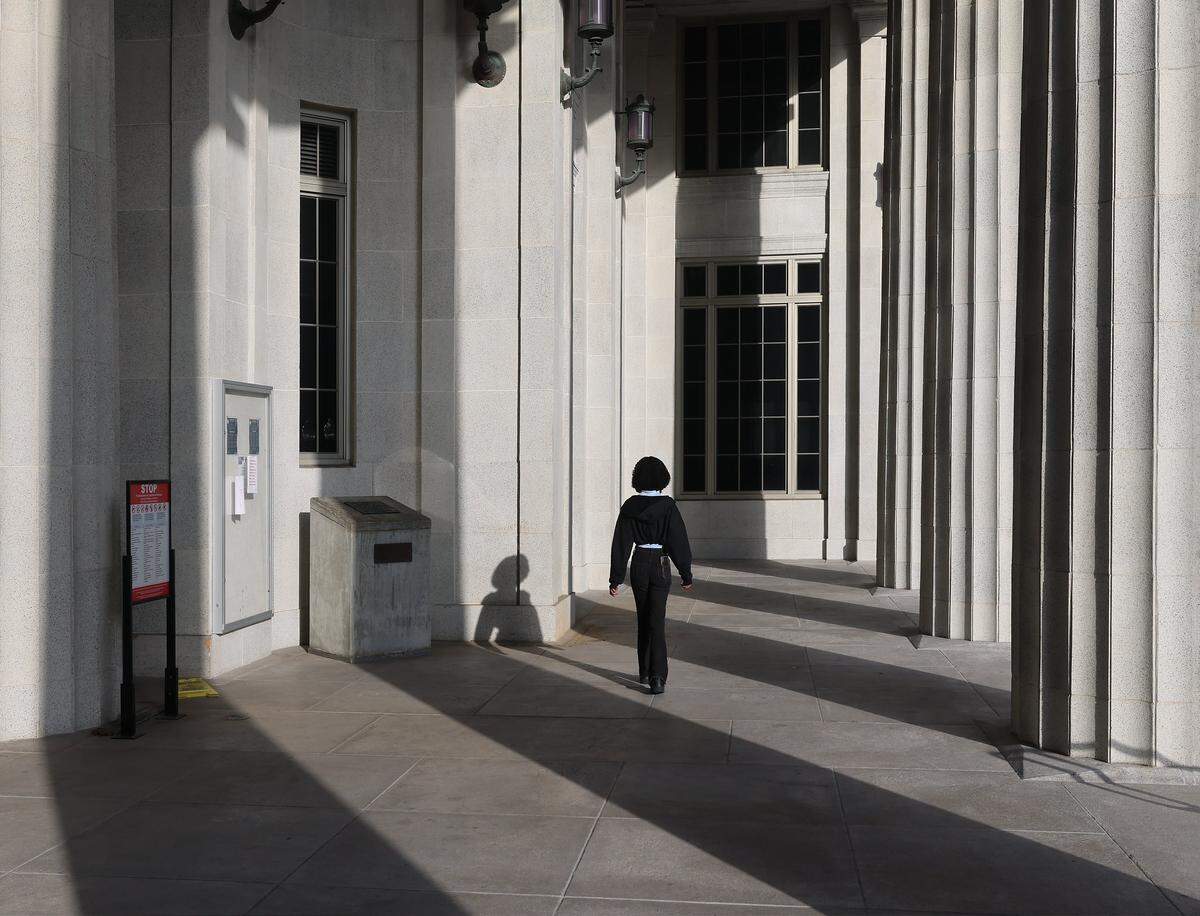
Large shadows are created by the setting sun on south entrance of the historic Dade County Courthouse on Wednesday, January 14, 2026, in Miami, Florida. The Dade County Courthouse is significant as an excellent example of Neo-Classical architecture. The detailing of the remaining historic interior spaces and features continue to reflect this distinctive style and contributes to a more complete understanding of the historic character of the Courthouse.
Late afternoon sunlight casts shadows from the Neo-Classical columns on the Flagler Street entrance to the historic 1928 Dade County Courthouse as a lone figure walks out of the iconic tower, now virtually vacant. Carl Juste cjuste@miamiherald.com

Follow More of Our Reporting on An inside look at Miami

Andres Viglucci
Miami Herald
Andres Viglucci covers urban affairs for the Miami Herald. He joined the Herald in 1983.
Get unlimited digital access
#ReadLocal

Try 1 month for $1

CLAIM OFFER