
First look: Developer images reveal Seaquarium’s future as a marina, dining spot
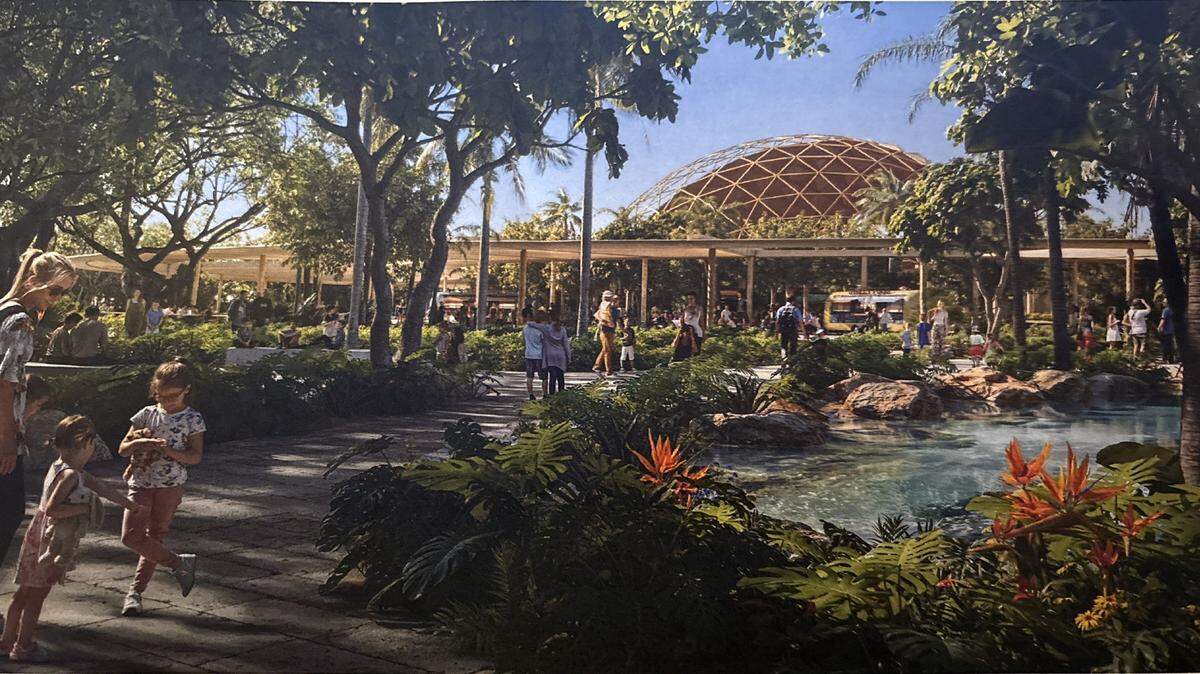
The Miami Seaquarium’s developer has released the first images of what he plans for the shuttered theme park. Marine mammals are out, and lush al fresco dining is in.
Renderings provided by David Martin’s Coconut Grove development company, Terra, offer the first glimpse of what the county-owned property could look like once it is transformed into a $100 million marina and dining destination under a proposed 99-year lease with Miami-Dade County.
The architectural images show outdoor restaurant tables under a massive canopy wrapped around the Seaquarium’s existing harbor, a dining spot branded the Fisherman’s Village. Another image has small sailboats pulled onto a shore near one of the docks Martin plans to build for a new marina there.
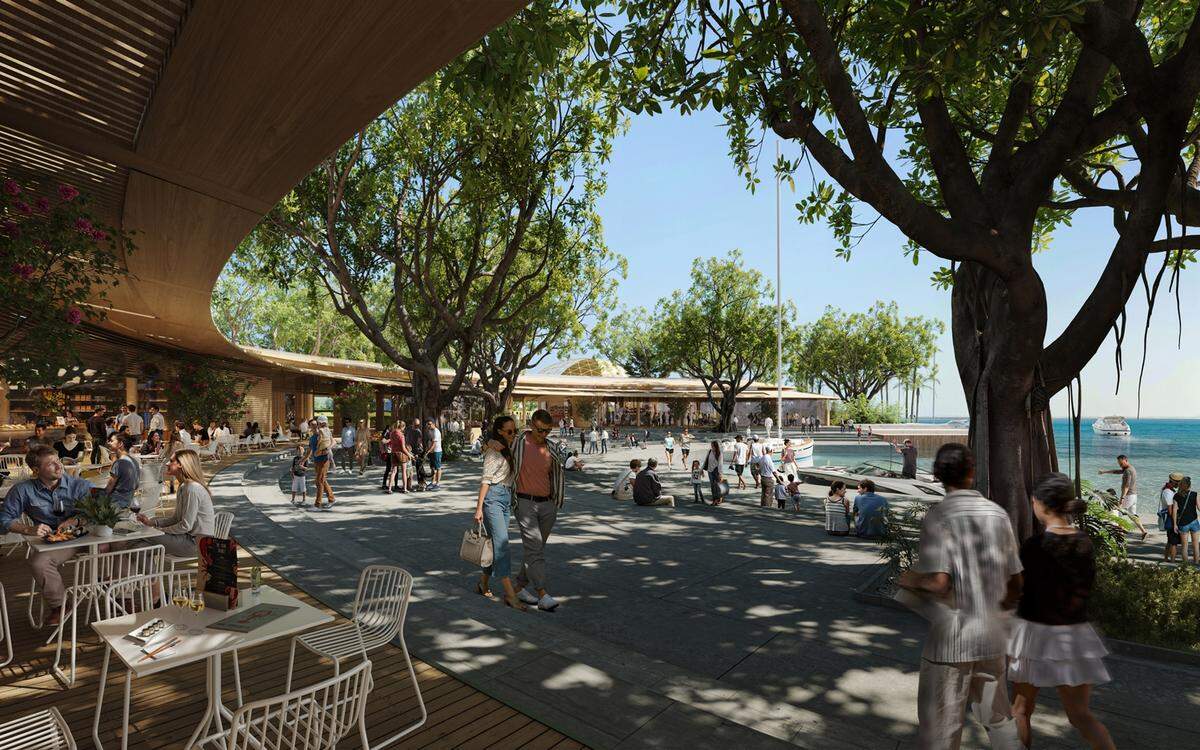
Those images show no relics of the Seaquarium’s marine-mammal performance spaces that were the Virginia Key property’s main draw since the 1950s. Part of Martin’s offer to pay $23 million for the county lease held by the park’s bankrupt operator, the Mexico-based Dolphin Company, included a pledge that all dolphins, sea lions and other animals on display there be safely relocated by the time the Miami developer takes over the property.
Legislation outlining the terms for the new lease passed a Miami-Dade County Commission committee hearing on Thursday, and the renderings were prepared for that meeting. The legislation, which advanced without discussion, is expected to face a final vote before the full board next month. Martin plans to open the new Seaquarium property by 2030, according to the presentation.
While the marine mammals will be gone, Martin is promising a “signature” aquarium to attract visitors and to comply with county requirements under the existing lease.
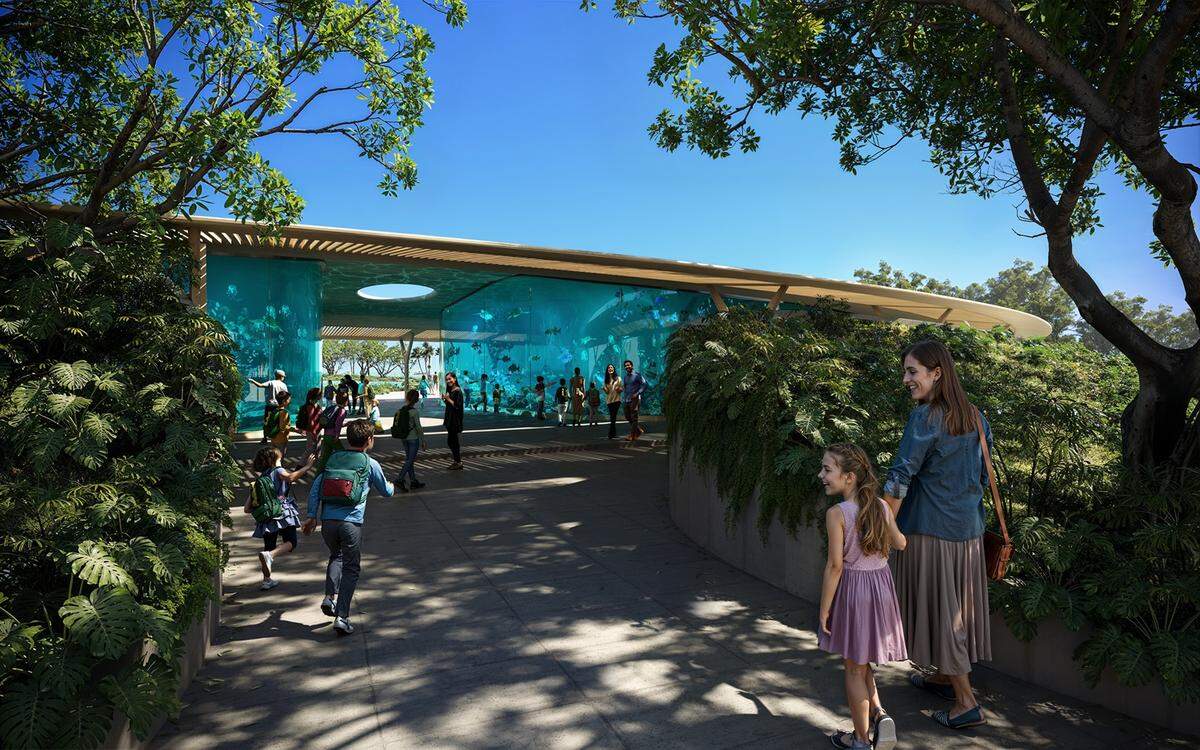
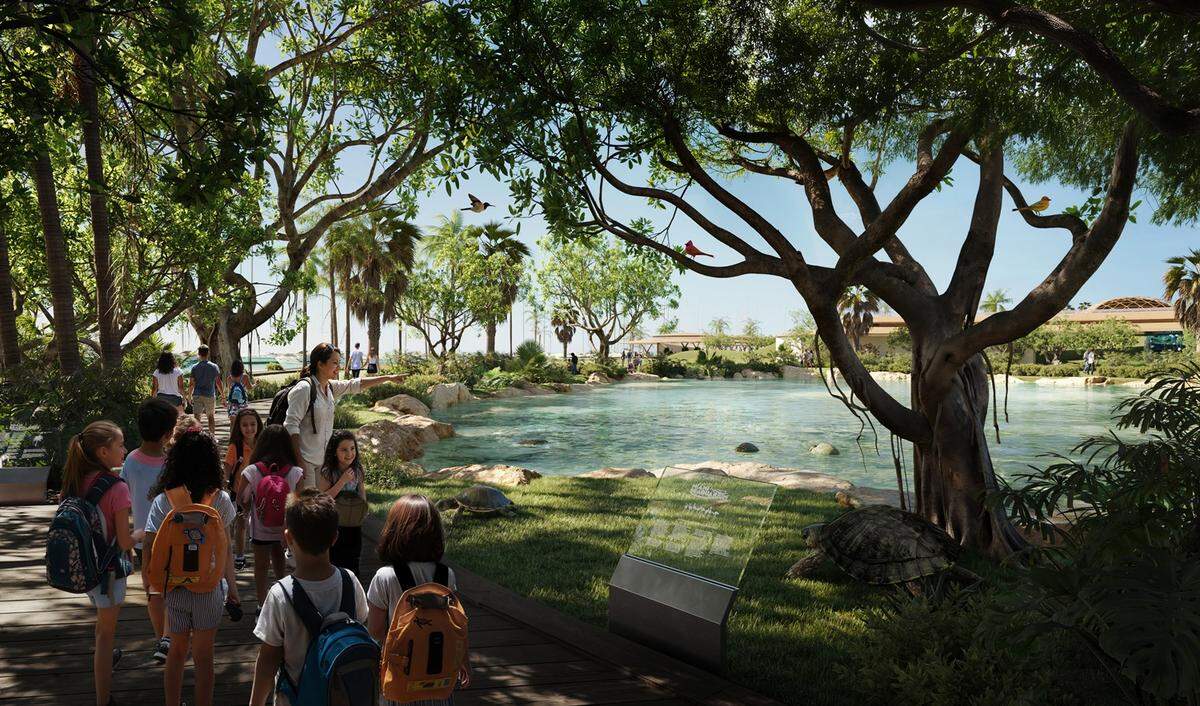
One image shows visitors walking through an opening in an outdoor tropical aquarium with glass walls that appear to stretch at least two stories tall. In another image, visitors stroll a lushly landscaped walkway around a lagoon. In the background looms a Seaquarium structure Martin has pledged to preserve: the Buckminster Fuller geodesic dome, transformed from a sea-lion theater to an event space for parties and weddings.
A bird’s-eye view of the property shows six docks jutting out onto the underwater bay bottom that comes with the lease, a yacht tied up at the end of one pier. A dry-dock facility to store smaller boats upland would go up on one of the Seaquarium’s existing parking lots.
The presentation said the new Seaquarium would also have shoreline available for free launching kayaks as part of the public baywalk Martin promised to build. An image of the broad paved baywalk, which would run the full shoreline of the property, shows people strolling along the waterfront with docked boats behind them.
Martin envisions a transformed and profitable venture on the county property that until recently housed the money-losing Seaquarium theme park.
Revenue estimates prepared for the county indicate the new Seaquarium venture would generate roughly $50 million a year in sales from restaurants, shops and the marina. The presentation doesn’t have the Seaquarium’s prior sales total but suggests Martin’s plan will generate about double the money.
The new Seaquarium predicts Miami-Dade will collect almost $3 million the first year the venture opens. The lease calls for Martin to pay Miami-Dade between 3% to 5% of the property’s sales. Estimates of county revenue under the prior operator — in both rent payments and local sales taxes — were $1.4 million a year.
“The Miami Seaquarium sits on land owned by Miami-Dade County, making it a public asset meant to serve our community,” Martin said in a statement released after the meeting of the commission’s Appropriations Committee. “The County’s goal is to ensure that this property once again delivers lasting value to the public, and I share that vision.”
This story was originally published November 13, 2025 at 2:52 PM.