
Miami developer clears big hurdle for his plan to take over the Seaquarium
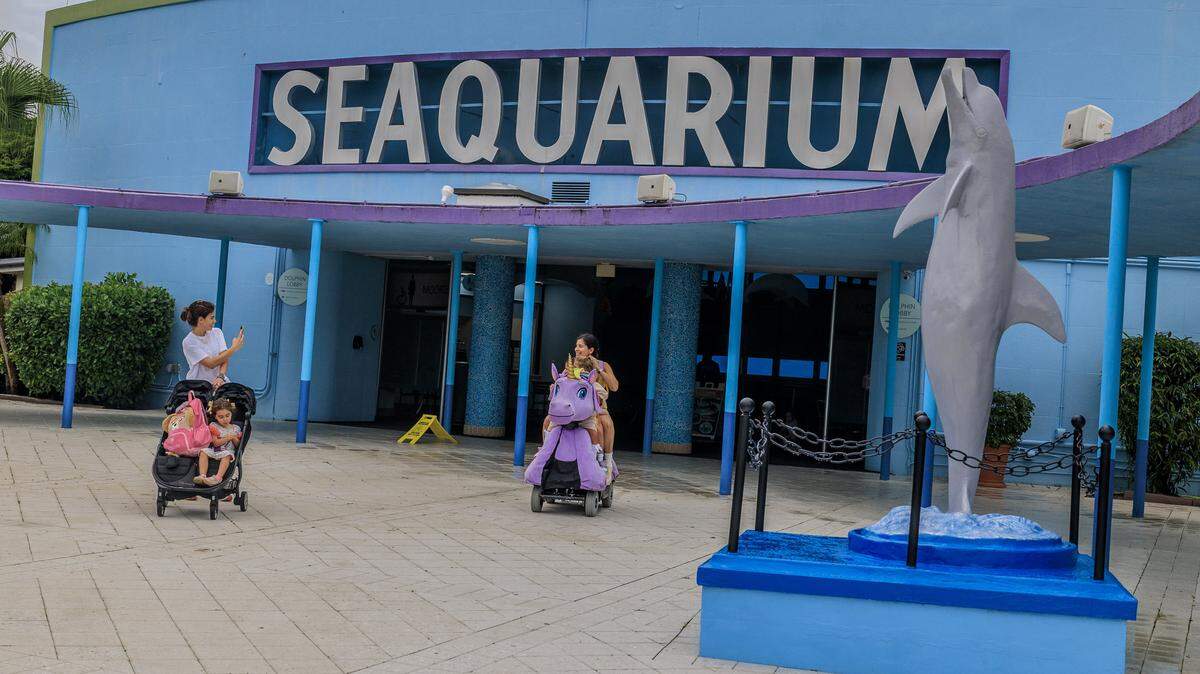
A federal bankruptcy judge on Friday approved a developer’s plan to purchase the county lease for the shuttered Miami Seaquarium, a key step toward replacing the iconic theme park with a marina and entertainment complex on Biscayne Bay.
A lawyer for the current owner, the Dolphin Company, said agreements are in place to relocate all of the marine mammals still living at the Seaquarium, including penguins, dolphins and sea lions, by the end of 2025, with developer David Martin expected to take control of the county-owned property by next summer.
“I will approve the transaction,” U.S. Bankruptcy Court Judge Laurie Selber Silverstein said at the end of the hearing held in Delaware and available for call-in participants. “I know, importantly, that the animals that live in the Seaquarium are being appropriately provided for, that they will be relocated to accredited facilities in the United States. That that is on track to occur.”
Martin, owner of the Terra development firm in Coconut Grove, now has court permission to buy the Dolphin Company’s Seaquarium lease for $23 million, a deal his lawyers said will close by July 2026. That transaction still faces a vote by the Miami-Dade County Commission, which controls the waterfront land that’s been home to the marine-mammal attraction since the 1950s.
Martin, one of Miami’s most prolific and politically connected developers, plans to put a modern aquarium on the property, plus waterfront restaurants, a public baywalk and areas dedicated to education related to the Biscayne Bay ecosystem. He has said the main revenue driver will be a new marina, with both slips and ample drydock storage on land for smaller boats.
Friday’s hearing risked derailing Martin’s plan because it gave the opportunity for other would-be developers to argue they could generate more money for the Seaquarium’s creditors if the judge approved a more expensive lease sale. But no other suitors spoke up, leaving Judge Silverstein to approve Martin’s offer at the end of a hearing that lasted only 30 minutes.
The hearing offered some new details on the demise of what was once Miami’s premiere tourist attraction – a theme park that thrived on dolphin shows even before television viewers were introduced to Flipper, which was filmed there in the 1960s.
The Dolphin Company is now controlled by independent trustees after the Mexico-based chain of dolphin attractions filed for bankruptcy in March. A lawyer for the Dolphin Company told the judge that Martin was best suited to purchase the Seaquarium lease, given the operation’s many troubles. Those include an ongoing eviction fight with Miami-Dade over alleged poor treatment of animals — a local court case on hold during the federal bankruptcy proceedings — and ticket sales not keeping up with the costs needed to keep the Seaquarium running.
“The Seaquarium, as an operation, was losing a significant amount of money,” said Dolphin Company lawyer Sean Greecher.
In a statement, Martin — who funds some of the Miami Herald’s environmental coverage through donations to the Herald’s charitable arm — said the Seaquarium legacy will remain under his new venture, which will retain the theme park’s name.
“The Miami Seaquarium is an iconic property that has welcomed guests for more than 70 years, and we will celebrate that legacy as the leaseholder,” the statement read. “From preserving important structures like the Buckminster Fuller-designed golden dome and the Flipper House, to investing in resiliency and sustainability improvements throughout the site, our plans will honor the Seaquarium’s history while ensuring its future.”