
Miami ballot item would make it easier to sell city land without vote by residents
Miami city officials are pushing to pass a ballot referendum next week that would allow the city to bypass voters when selling or leasing land valued over $500,000.
The proposed charter change, listed as referendum #2 on the ballot, would kick in when the city doesn’t receive enough bids for non-waterfront properties. It would give the five-member City Commission the ability through a four-fifths vote to offload properties without voter approval in the absence of three bids from interested buyers, as is currently required.
Waterfront land is governed by different city rules, and the sale or lease of it would still require voter approval in a city election.
The proposed change was sponsored by the administration of City Manager Art Noriega — the first ballot referendum Noriega said his administration has pushed for during his five-year tenure as the city’s top administrator.
Noriega has pitched the referendum as a necessary fix that would make it easier for the city to sell undesirable properties. The city said that since 2019, it has offered seven properties for sale and only received sufficient bids on two, although it provided few details on those attempted sales. But Noriega told the Miami Herald he couldn’t think of any examples of surplus properties the city may look to sell or lease under the new rules if the measure passes.
If passed, the referendum would put the city’s procedures for selling public land more in line with those of Miami-Dade County and large Miami-Dade cities like Hialeah and Miami Beach. But the referendum lands on the ballot at a time of increased scrutiny of the city administration for its handling of two major city assets: the Olympia Theater, which the city just weeks ago agreed to sell to a public charter school, and the Miami Marine Stadium, which was on track to be restored as an event and performance venue before the deal came to a screeching halt last month.
While neither of those deals would have been affected by the proposed change, since different rules apply to waterfront properties and land used for public schools, the city’s recent handling of those iconic assets may have Miamians feeling even more skeptical than usual as they head to the polls.
What the change would do
The city of Miami manages a real estate portfolio of over 500 properties worth an estimated $17.5 billion, including stadiums, hotels, malls, office space, theaters, multifamily buildings and parking garages.
The sale or lease of waterfront city land typically requires approval by residents. For non-waterfront property, the process is different.
Under the current rules, the city starts by publicly advertising the sale of a non-waterfront property. If the land is valued over $500,000, the city must receive a minimum of three bids to proceed with the sale. If the city doesn’t get three bids and it still wants to move forward with the sale, it needs to get voter approval via a ballot referendum.
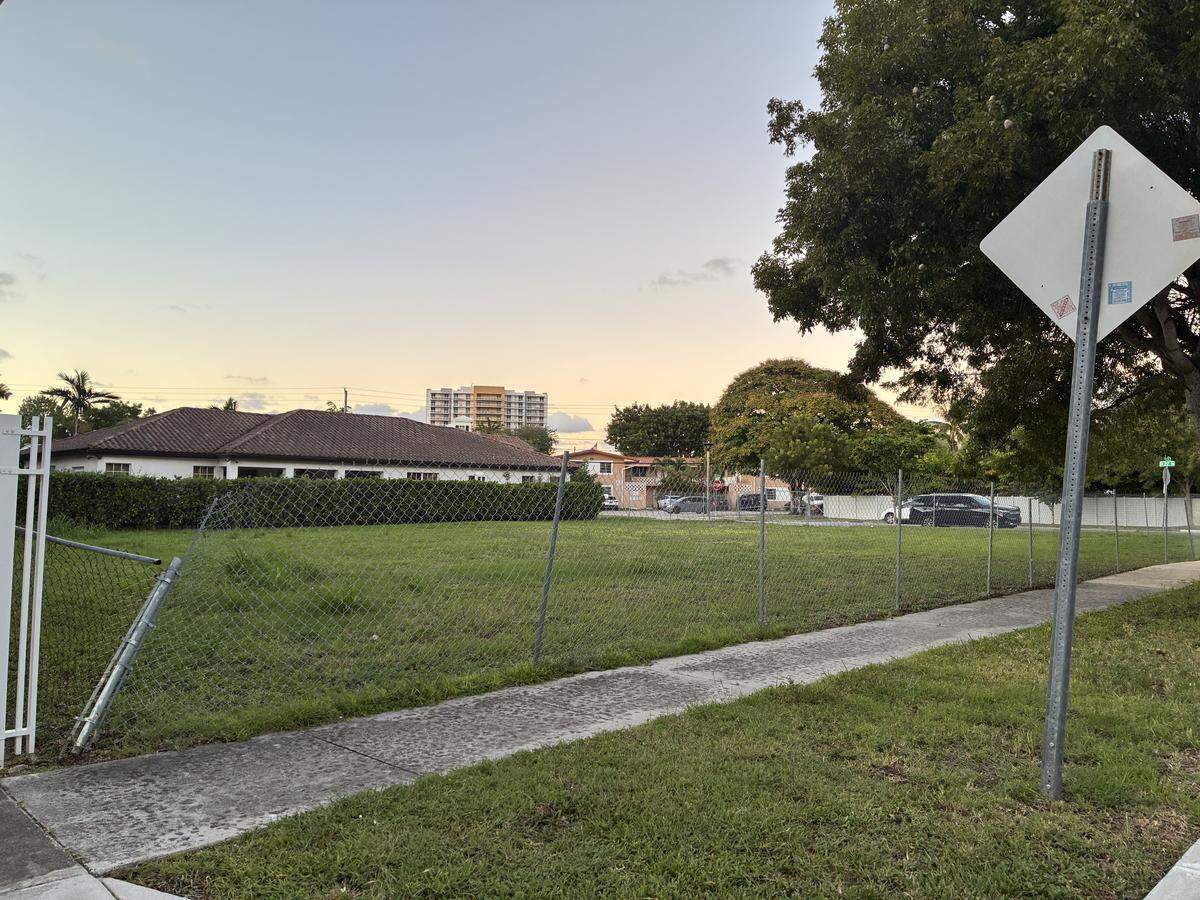
Noriega said the three-bid minimum requirement has caused roadblocks for the city when trying to offload certain properties. He provided one example, saying the city had purchased a pair of connected residential lots in The Roads neighborhood to create a park, but when the park’s location changed, the lots were no longer needed.
According to the city, it received just one bid when it publicly advertised the land for the first time last year and zero bids when it advertised it again this year. The prospective buyer offered $755,000 for one half of the approximately 13,000-square-foot lot and $720,000 for the other — well above the minimum bid amount of $627,000 each, according to an internal memo provided by the city.
“We bid them twice and never received more than one bid. We could have received fair market value for the properties but were unable to sell them,” Noriega said in a statement.
That left the city in the position of either withdrawing its efforts to sell or bringing the proposed sale to voters. In a March 2024 memo, the city’s real estate department recommended advertising the properties again instead of seeking voter approval “given the substantial cost of a referendum.”
The ballot referendum, if approved, would scale back the current requirements to allow the five-member City Commission to approve the sale of that kind of valuable city land, at market value, through a four-fifths vote if it doesn’t get three bids. The properties would still be publicly advertised and appraised to determine fair market value.
There are exceptions to the current rules. For example, the city didn’t have to put the Olympia Theater sale to a referendum last month because the buyer was a public charter school and the property would be used for educational purposes. And the city can already sell non-waterfront land worth $500,000 or less with a four-fifths vote of the commission in lieu of three bids. The city said in a statement that the new referendum “would expand this exception.”
But Noriega told the Herald he couldn’t think of any particular properties that the city is planning to sell in the coming years that would be affected by the proposed change.
“None that immediately come to mind, but this, if passed, would give the City more flexibility to sell non-waterfront property, as long as we always receive fair market value and it’s indeed determined to be excess,” Noriega said.
What other local governments do
The change would make the city’s policy similar to how it works in neighboring Miami Beach, where the sale of city-owned land goes through an advertised public bidding process that can be waived by a five-sevenths vote of the City Commission.
Similarly, in Hialeah, the second most populous city in the county after Miami, the sale of city-owned land must be approved in a referendum unless five members of the seven-person council authorize the sale of “vacant and unimproved land, not presently used as a park, and for which the council determines there is no future need for use as a park or any other public use.”
In Miami-Dade County, “the authority to sell, lease, or otherwise dispose of County-owned real property lies solely with the Board of County Commissioners,” according to Chanel Jefferson of the county’s People and Internal Operations Department. A two-thirds majority vote of the commission is required when a commissioner is sponsoring the sale of county-owned land outside their district, and the charter requires voter approval “for the sale or lease of certain county-owned parks when the intended use is not for a public park purpose,” Jefferson said.
Even if the new referendum passes, Miami’s city-owned waterfront property would still need voter approval to be sold or leased, according to city officials. There are specific rules pertaining to city-owned waterfront property, which is considered to be more coveted, in the city charter.
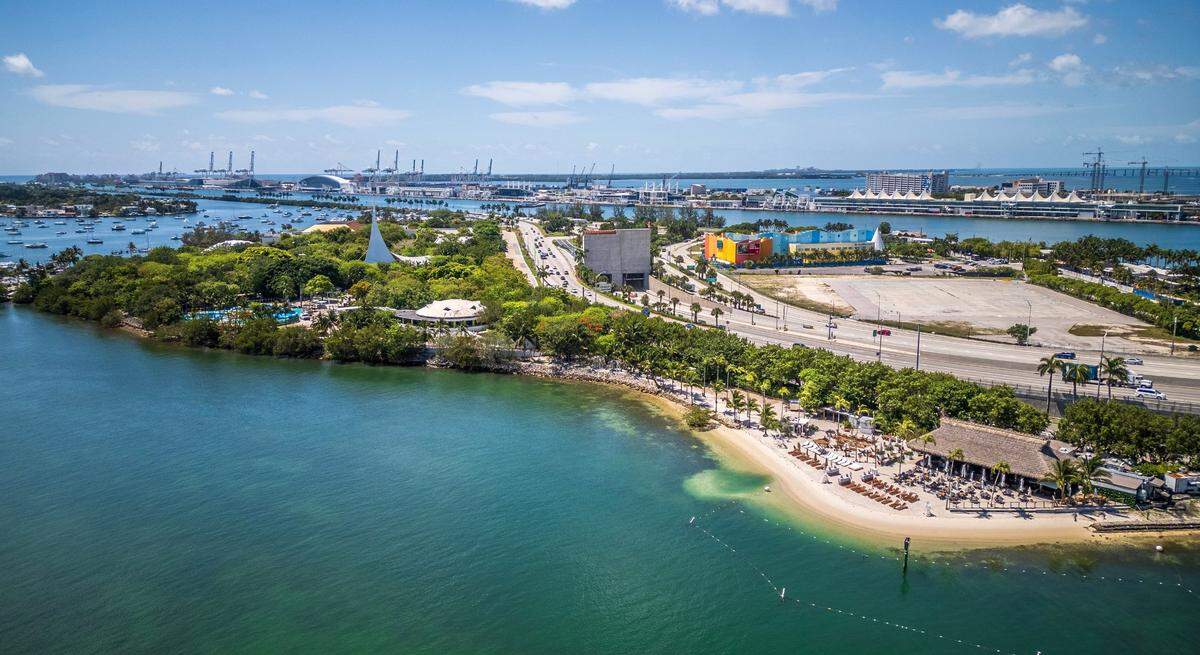
For example, developers couldn’t move forward with a proposal to build condos on the city-owned Watson Island until voters approved a referendum on last year’s ballot. Similarly, the city was planning to ask voters to green-light their efforts to redevelop Miami Marine Stadium — an iconic waterfront property — before the plan was derailed at the 11th hour last month.
What the commissioners say
Miami city commissioners, who voted unanimously in July to send the proposed change to voters on the November ballot, had mixed opinions when asked about the ballot referendum by the Herald last week.
District 1 Commissioner Miguel Angel Gabela said it could save the city time and money to sell land without needing to call for a special election to hold a referendum or to wait for the next election to put a property sale on the ballot.
While Noriega said there weren’t any particular properties the city was planning to sell where it might be difficult to attract three bids, Gabela said it’s possible the administration could be eyeing a 19-acre city-owned lot in Allapattah called the General Services Administration site, which the city has talked about redeveloping for years, as one that could be more easily sold or leased if the referendum passes.
Gabela referred to the lot as “the only big one left” in his district.
District 3 Commissioner Joe Carollo said that when the city administration briefed him on the proposal, he was told that the change would only apply to “small parcels.” But if the referendum passes, the charter change would apply to land valued over $500,000 regardless of size.
“If this is not, as I was told, for smaller parcels ... then I’m not inclined to be in favor,” Carollo said.
District 5 Commissioner Christine King said she was not closely familiar with the details of the ballot referendum. However, King said she’s “not in favor” of any change that takes away resident input, and that the city’s land belongs to the residents and taxpayers.
Two city commissioners were more outwardly supportive of the measure.
“I think this is necessary for the city,” said District 2 Commissioner Damian Pardo, who said the issue of needing to get enough bids to sell city-owned land “has been an ongoing problem for a while.” Pardo deferred to the city when asked this week for any specific properties he was aware of that the city had a difficult time selling recently.
District 4 Commissioner Ralph Rosado agreed with Pardo that the issue needs fixing, saying the city has “unique” and historic properties, like the Olympia Theater, that simply won’t attract multiple bidders due to their complexity. In the case of the Olympia, the theater was in need of repairs to the tune of over $50 million, something the new owner will have to take on.
“We have assets that are unusual where we’re just not gonna get more than one bidder, period,” Rosado said.
.jpg)