‘What is he going to do for us?’ Miami’s Black residents consider next Trump presidency
The rainy Thursday before the Martin Luther King Jr. holiday muralist Marvin Weeks stood outside a building alongNW 18th Avenue painting a mural of the man for whom the holiday is named.
Weeks has been working on the mural throughout the week to have it ready for the Monday holiday, which this year coincides with president-elect Trump’s inauguration ceremony. The mural, he said, was a part of efforts to reimagine Liberty City, using Martin Luther King Jr. Boulevard as the “connectable link.”
“We’re trying to create activities through the arts and entertainment to try to bring back a sense of quality of life on this Boulevard, which we think is a jewel and should be emphasized, to connect the community,” he said. The timing of the mural comes as hundreds are expected to descend on the Liberty City streets to honor Martin Luther King Jr. during the city’s annual parade.
For the third time in recent history, Martin Luther King Jr. Day coincides with inauguration day. The overlap of the holiday celebrating the man who died fighting for civil rights for Black people and the swearing in of a president who has made disparaging remarks about Blacks and immigrants happens at a crucial time in our nation’s history. The country is acutely divided, and many Black people in South Florida are wondering what this second Trump presidency will mean for them. Trump made inroads with Black voters in Florida, earning 15% of the Black vote, up five percentage points since 2020. And precinct data shows Trump made gains even in predominantly Black cities like Miami Gardens and North Miami. But will he deliver?
As Miami prepares to celebrate MLK Day with a parade through Liberty City, Black residents who spoke to the Miami Herald expressed pessimism that Trump’s second administration will address their needs and frustration with his rhetoric. But others were cautiously optimistic that economic improvements promised will reach South Florida’s Black community.
Skepticism but hope for economic improvement
Some Black residents in South Florida are skeptical about Trump’s next presidency.
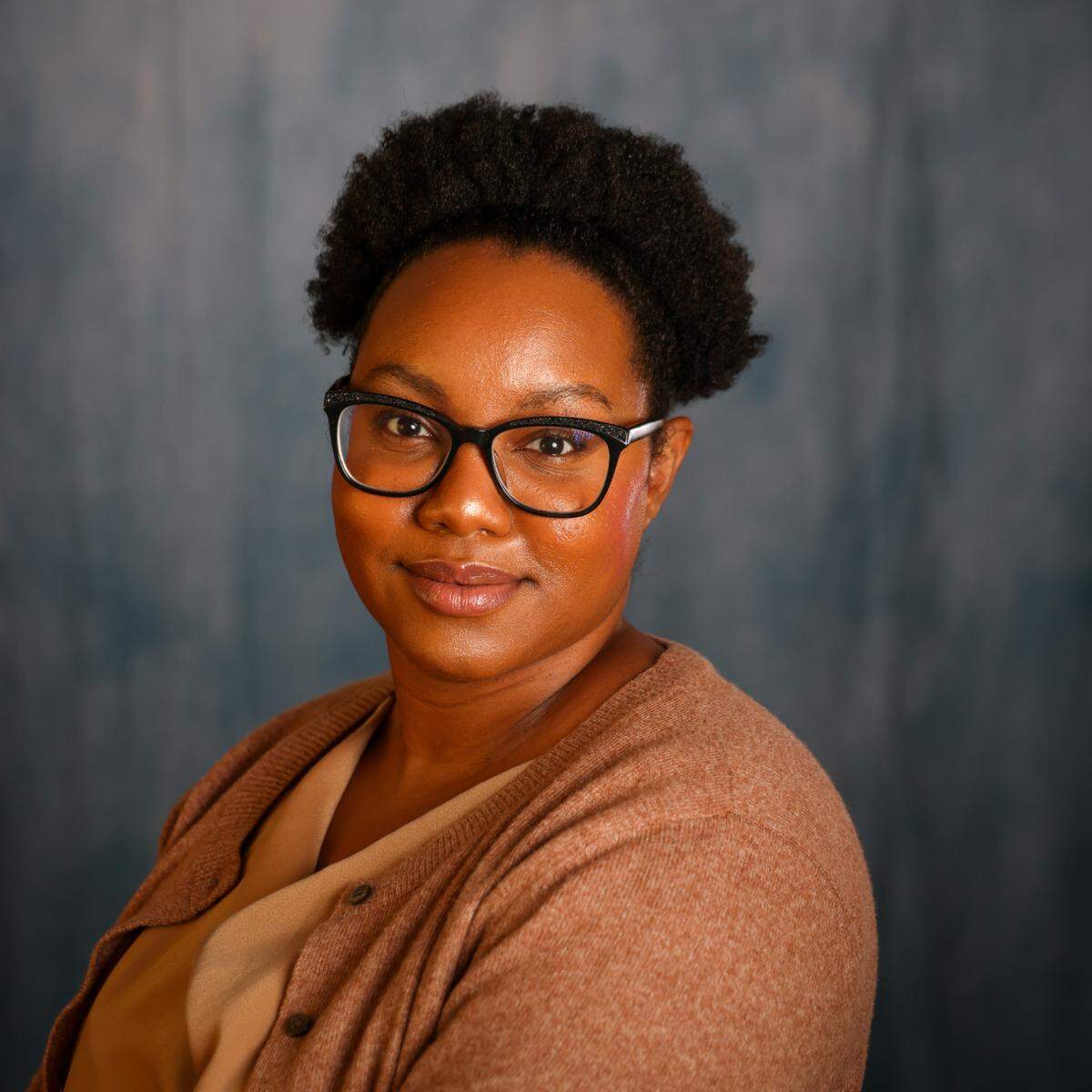
H. Leigh Toney, who grew up in Brownsville, isn’t convinced that a second Trump administration will be beneficial to Black residents.
“I can only base whatever expectations I might have on his actions in his previous term and his actions of late, his choice of appointments, his policy stances,” she said. “I can only base my expectations on that, which means my expectations are really low.”
Toney said the policies with the outgoing administration — commuting what she considered unfair and inequitable sentences and student loan forgiveness—speak to her values more than that of Trump.
“Nothing I’ve heard Trump speak of seems to speak to me. So I don’t have any expectations as far as my life is concerned,” she said. “My job is to figure out how do I create a life for myself, my family, and generations to come that is hopeful and optimistic and productive because I don’t find anything hopeful about the Trump administration. I hate to be negative, but that has been my posture.”
Toney also raised concern for how Black immigrants would likely be treated under a Trump administration after she said he demonized immigrant populations. “I have been an educator, where I work with students, in particular from Haiti, who... were not here legally. And it was a life where a person can’t have any comfort day-to-day, and now they are feeling those same feelings again,” she said.
But Zaire Stevens, who spoke to the Herald outside the Betty T. Ferguson Recreational Center in Miami Gardens,is hoping the economy and housing policies improve under Trump’s administration. “I want there to be more affordable housing, especially in South Florida because it’s very expensive,” he said. “Houses that are run down cost about $400,000 just to start. So I feel like there should definitely be some economic change, and it should definitely affect the middle class and lower class because the rich keep getting richer and the poor are getting poorer.”
Like Toney, Pat Baker, a Miami Gardens resident, isn’t thrilled with the prospects of another Trump administration, and admittedly doesn’t have high hopes that Black people will thrive under it.
“Unless he can show me differently, which I don’t believe he will with all the things that he’s talking about doing, I just don’t have any expectations,” she said. “I don’t think that anything good is going to come.”
Baker also noted the hypocrisy of Trump being reelected with a criminal background when Black men with criminal backgrounds aren’t afforded much opportunities.
“The fact that he’s in there with all that he has done and gotten away with. What is he going to do for us? They throw the book at Black men for other things that they’re doing,” she said. “I know that voting is the right of everybody, but we’re also looking for fairness. We’re looking for him to do things for not even just the Black community, but the people that are here trying to become legal and trying to do right.”
‘But we continue’
Going into this next term, Toney wants Black residents to lean into community and find spaces where they are treated with respect, dignity and feel safe.
“That doesn’t mean shrinking our space, our place in the world, but it definitely means cultivating our communities a lot more with a lot more urgency,” she said. “That’s what I say: cultivating our community in the broadest sense with a lot more to say than perhaps we have thought about in recent years.”
Weeks echoed the idea of Black South Floridians supporting each other and pouring into their own communities. He pointed out that historically there have been presidents who haven’t addressed the needs of the Black community.
“When I was growing up in Georgia—I’m a transplant here in this area—but my mother talked about Eisenhower, Truman and all those presidents who did not necessarily have any impact on things for African American people,” said Weeks, who has lived in South Florida for 30 years now. “But we continue.”
“We supported our local high schools. We marched in the parades. We came back with education. We taught our children…we loved our community, and we must continue with that same process to excellence. So that’s what it’s about.”
Weeks said the focus shouldn’t be so much on Trump, but rather on things necessary for the Black community to thrive. “We have come through many things in this country as African American people, so [he] should not dismay us, Trump or anyone. We are continuing, and that’s what’s important.”
And with that Weeks continued working on his MLK mural.
This story was originally published January 19, 2025 at 4:30 AM.