The 44 Percent: Danny Agnew, Emancipation Day & hip-hop 50
The past week has been rough.
Last Thursday, the world lost Danny Agnew, a social activist and co-founder of the Roots Collective. To many, Agnew was a light. A leader. A revolutionary. Somebody who stood up for what they believed in no matter the cost.
To know that he’ll never walk through the doors of Roots Collective hurts. More accurately, it stings. I truly can’t make sense of it.
What I do know, however, is that Agnew fought for Black people. For his community. For Miami. What he did with Roots Collective should never be forgotten. Moreover, it should show us the importance of building within our own community.
If I’ve learned anything over the past seven days, it’s that life is short. We truly never know when it’s our time. So while we’re here, it’s incumbent upon us to make this world a better place. Agnew did that. He also inspired me to do the same.
INSIDE THE 305
Co-founder of Roots Collective talks about importance of collaboration among activists:
In March 2022, I wrote about the activist hub along Northwest Seventh Avenue. Part of that story involved interviewing Agnew, who talked about the importance of collaboration among the various organizations. Toward the end, he said something that I’m sure we all can apply to our lives.
“We identified things that were wrong in our communities and we made sure to create platforms that filled those voids.”
OUTSIDE THE 305
First incarcerated people receive degrees as part of Yale, University of New Haven alliance:
A partnership between UNH’s Prison Education Program and the Yale Prison Education Initiative graduated its first seven incarcerated people in early June. There are 15 similar programs across the country, and early results show that they work.
Just over 20% of inmates receive some form of higher education in prison, UNH officials said. And studies have shown that those who do are far less likely to have behavioral problems in prison, and far less likely to commit crimes once they are released.
For Marcus Harvin, one of the seven graduates, this program provided hope.
“It literally is the light at the end of the tunnel that gives the day illumination,” Harvin said. “Because when you get to those classes, you don’t feel like you’re in prison. You actually go from being in a cell to being kind of, sort of on a campus. You literally feel like you’re not in the same place anymore.”
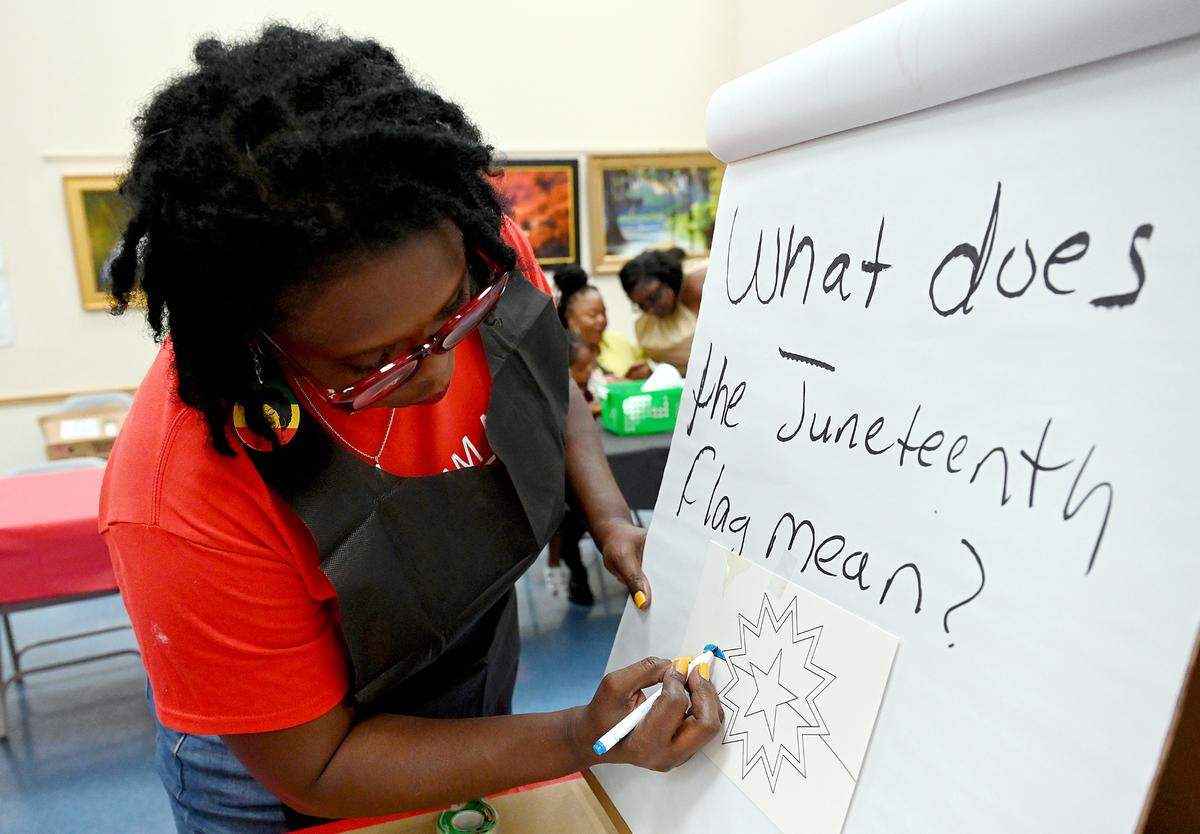
As Florida celebrated Juneteenth, let’s not forget about May 20:
Hopefully everyone had a fun and safe Juneteenth.
While the holiday deserves to be celebrated across the country, Floridians also need to remember May 20, the state’s own Emancipation Day.
“We do children a disservice if we don’t tell them the full story,” said Tameka Bradley Hobbs, the project manager for the African American Research Library and Cultural Center in Fort Lauderdale
Part of the full story, Hobbs added, is that “Black people got to enter democracy at a very different point and we need to own that.”
There has been a push to get May 20 designated as a holiday here in the Sunshine State, but that movement hasn’t gained much traction due to the growing popularity of Juneteenth. And while both deserve to be celebrated, let’s not forget what happened here.
HIGH CULTURE
This series turns South Florida’s Black culture into horror fables. Here’s how to see it:
South Florida has a rich Black culture.
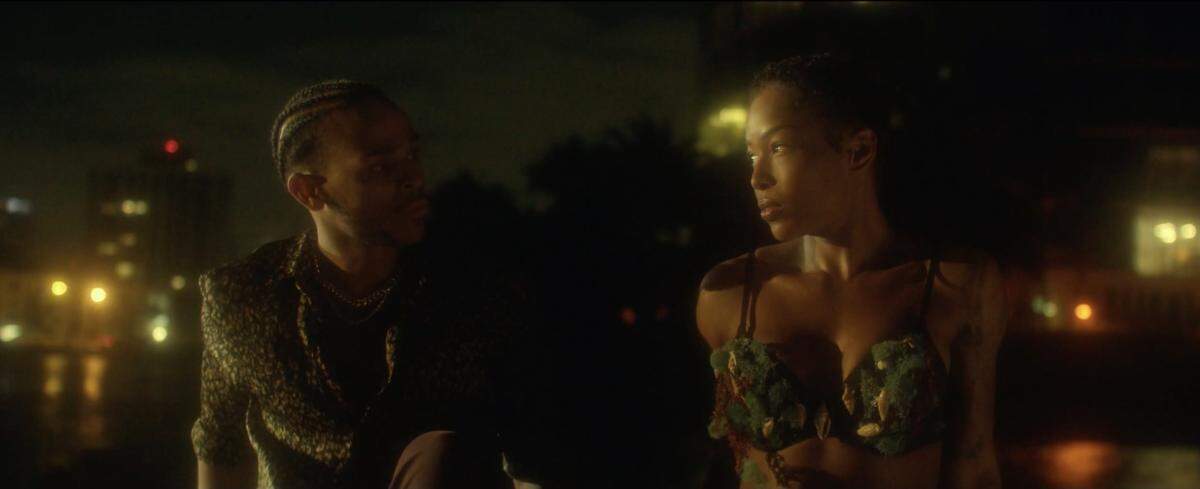
Part of that culture was on full display this past weekend when an episode of “Criblore” premiered at the American Black Film Festival. Created by Fort Lauderdale native Moon Lee Ferguson, the series takes elements of South Florida’s Black culture — donks, golds, etc. — and flips them into horror fables.
“We get to look into so many hoods but no one comes to look down here,” said “Criblore” creator Moon Lee Ferguson, who’s from Fort Lauderdale. “No one’s really tapped into South Florida culture.”
This was definitely a cool project so be on the lookout.

Come learn a little about the Caribbean’s impact on hip-hop:
Last but not least, your boy will be hosting a panel this Friday in honor of hip-hop turning 50 in August. Specifically, we’ll be talking about how the Caribbean influenced hip-hop.
Definitely pull up as we’ll be diving into a bunch of topics — good, bad and ugly — surrounding the genre. We’ll be at 675 Ali Baba Ave. in Opa-locka.
Where does “The 44 Percent” name come from? Click here to find out how Miami history influenced the newsletter’s title.
This story was originally published June 22, 2023 at 1:41 PM.