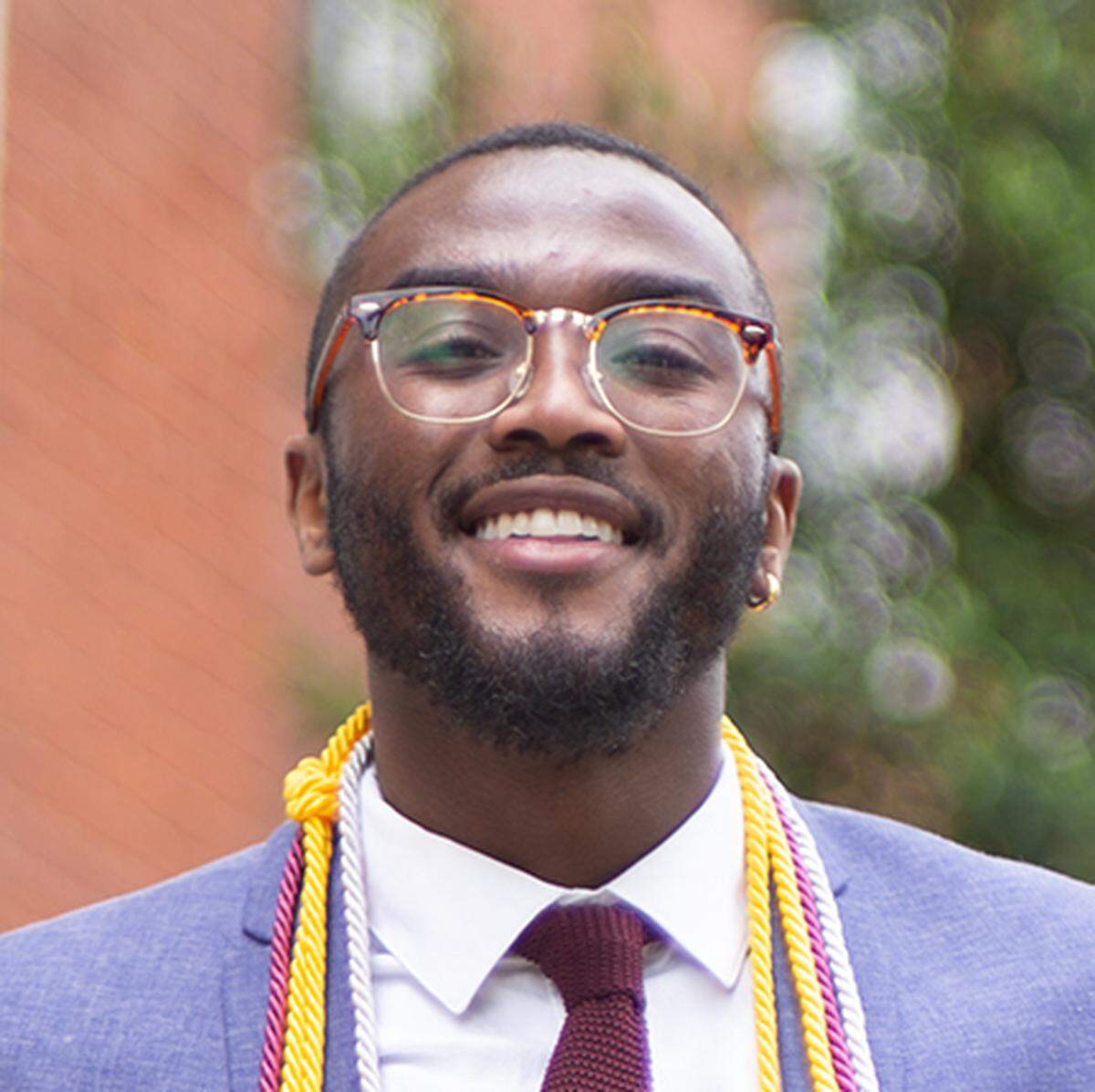
Black 30 and Under: Our series asked why Black spaces are so crucial. Here’s what we found
READ MORE
Black 30 and Under
Conversations with young Black Miamians about culture and identity.
Expand All
Black 30 and Under: Our series asked why Black spaces are so crucial. Here’s what we found
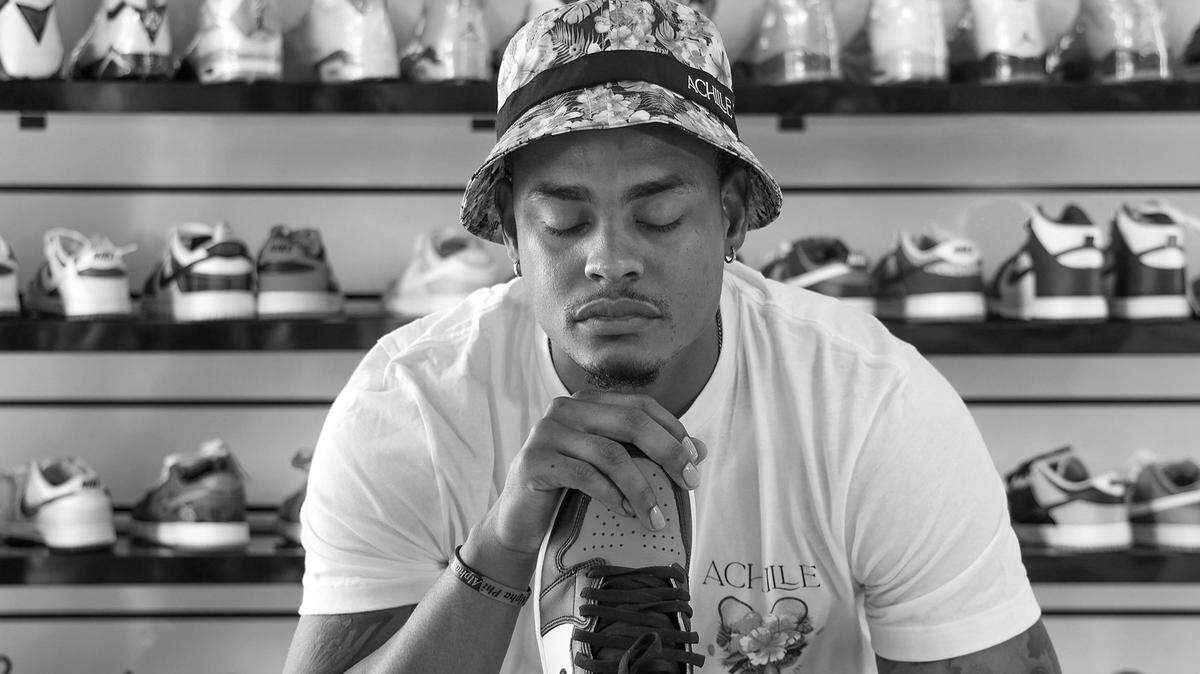
Black 30 and under: Conversations with young Black Miamians about culture and identity
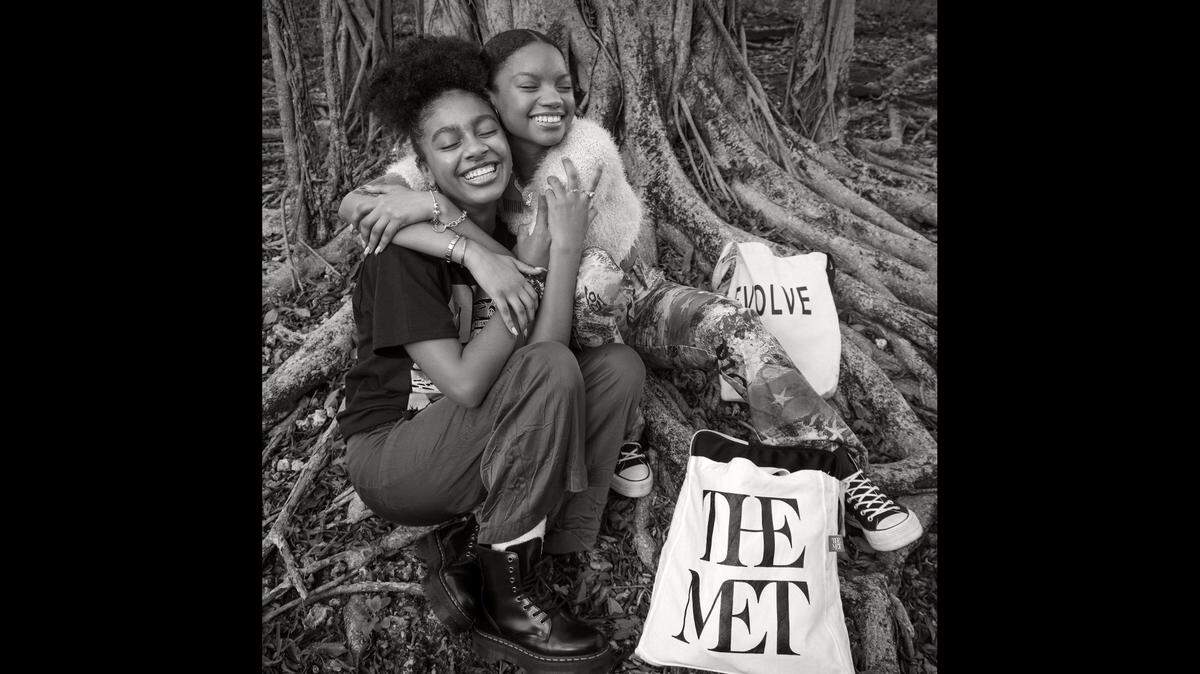
Black 30 and under: Young Miamians talk about where they feel at home in their blackness
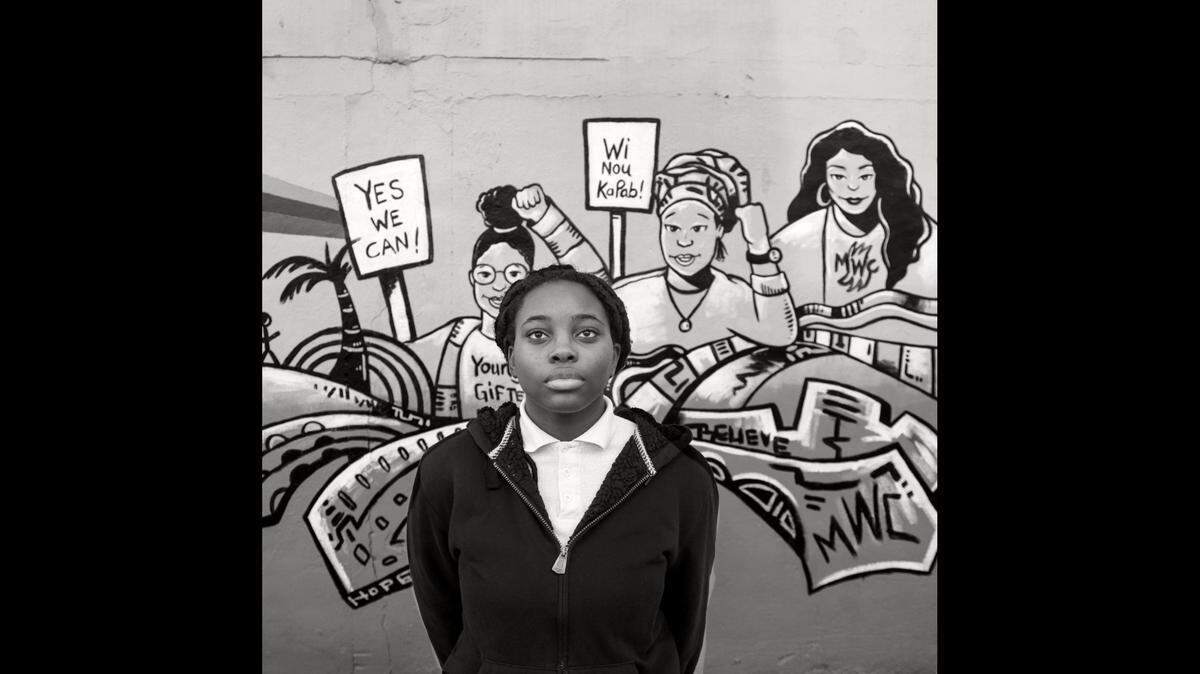
Black 30 and under: Florida’s attack on Black history an attempt to ‘erase our existence’
Black 30 and under: No matter what the future brings, Black spaces will persist as havens
What makes Black spaces so important?
Is it the location? The physical place itself? Or maybe it’s the people? What said space represents?
Over the past month, the Miami Herald talked with 15 Black Miamians, all of whom were 30 and under, in an attempt to answer that very question. We sat them down in a space of their choosing and discussed what made that particular place unique. These interviews occurred at a barbershop, a tennis court and even on a boat.
To be clear: this wasn’t a “30 under 30” situation where we rounded up young titans of industry to praise their achievements. Instead, we just sought to gather a diverse group of individuals who reflected the various heritages, careers and experiences present in Miami.
What we discovered reinforced the plurality of the Black experience. Black people are not monolithic. Out of the 15 people interviewed, no two chose the same space, save for 19-year-olds Loralei Gonzalez and Nadia De La Mora, whose safe space was one another.
There’s “a general understanding,” De La Mora said. Both De La Mora and Gonzalez attend Florida International University. “I think that’s comfortable.”
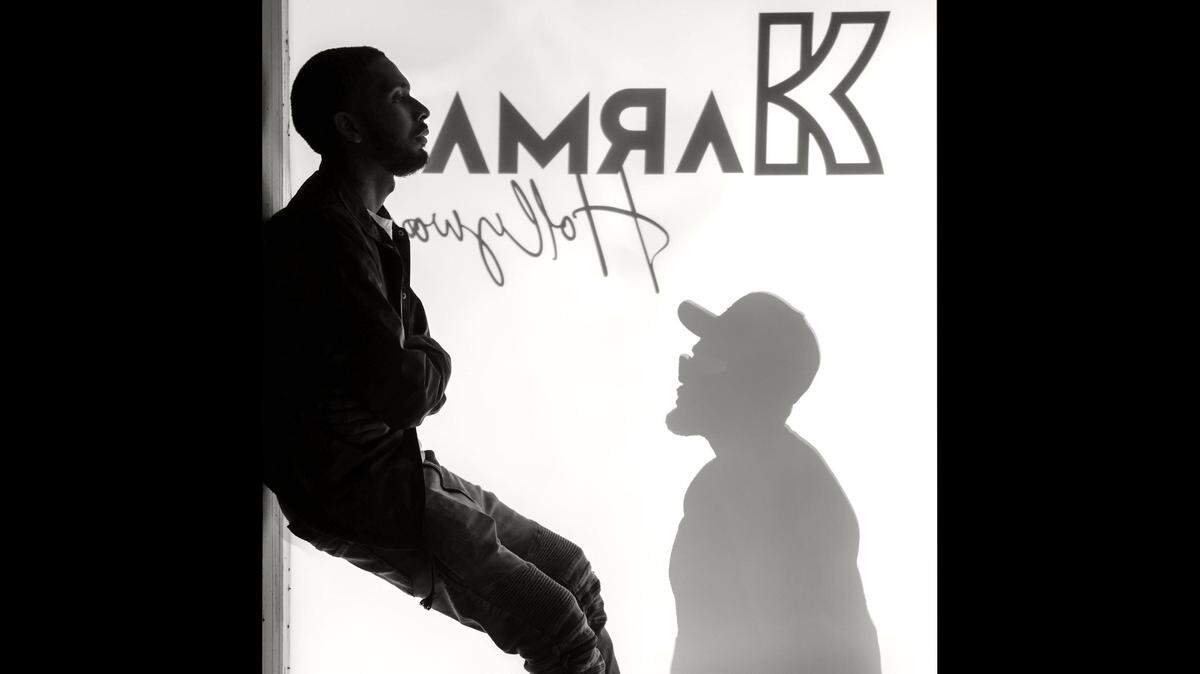
De La Mora, however, hinted at the one connection between all these spaces: comfortability. Far too often, as Michael Turner eloquently put it, Black people have to wear a mask just to exist in society. Black spaces exist as safe havens where that mask can be shed. For Turner, that space was Karma Hollywood, a lounge in Broward County that hosts a gay-friendly event on Sundays.
“You go to work, you have to put on a show,” Turner, 28, said. “And if I was to go to a straight club, I have to also put on a show there. You can’t necessarily act like yourself 100%. But this space, it gives you that freedom.”
Black spaces are not a new phenomenon. From Green Book hotels like the Historic Hampton House to neighborhoods like Overtown, Black spaces have long since been part of survival for people of African descent. What makes these spaces rather unique is what Miami represents in the larger context.
“Even amongst diverse environments,” said Nate Moreau, a 27-year-old community organizer with the Black Collective, “Black people are still relegated to one end of the spectrum.”
That said, Miami is a barometer for the rest of the country. Climate change, gentrification, education — Miami is a microcosm for nearly every issue in America. And if the Census projections are correct, the rest of the country will resemble Miami’s demographics by 2045.
So the question becomes, if Miami truly is the future, will Black people be treated any differently?
See more of Black 30 and Under on the Miami Herald Instagram.
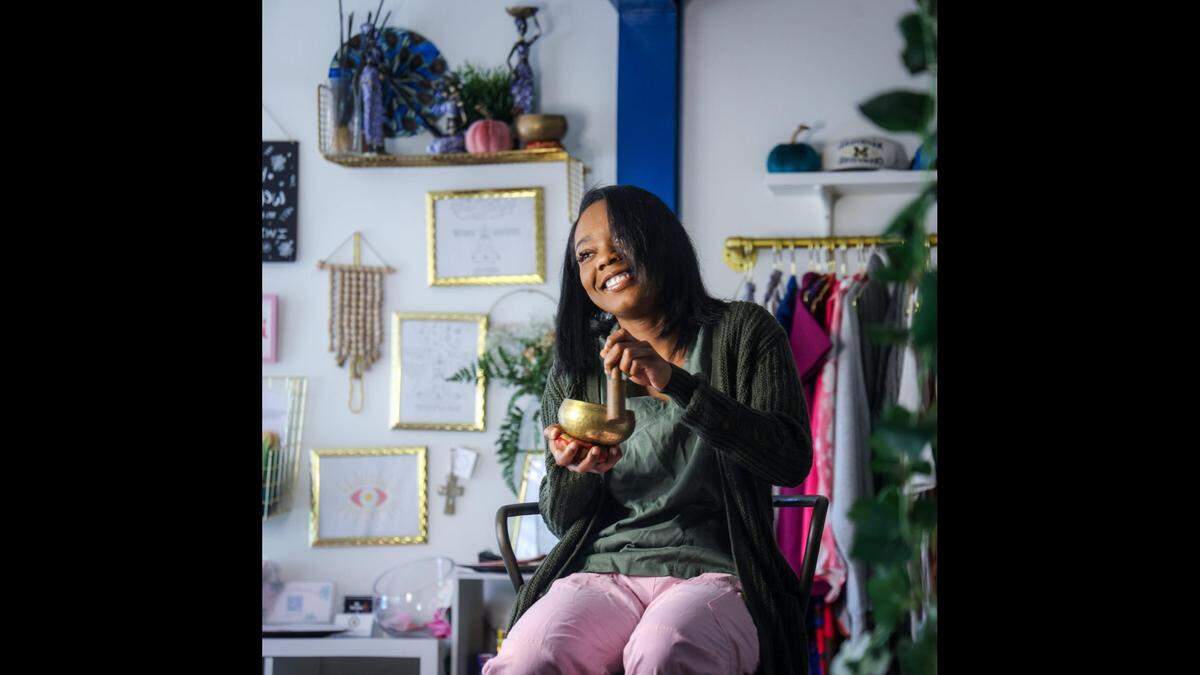
Dominique Guirand (24, doula/entrepreneur): “Black women are at the forefront of change. I really just want younger girls to be better than me.”
.jpeg "MIA_05BHM_DAVIDPULLIAM_fitted (1).jpeg")
David Pulliam (28, investment banker): “There is no future without ownership.”
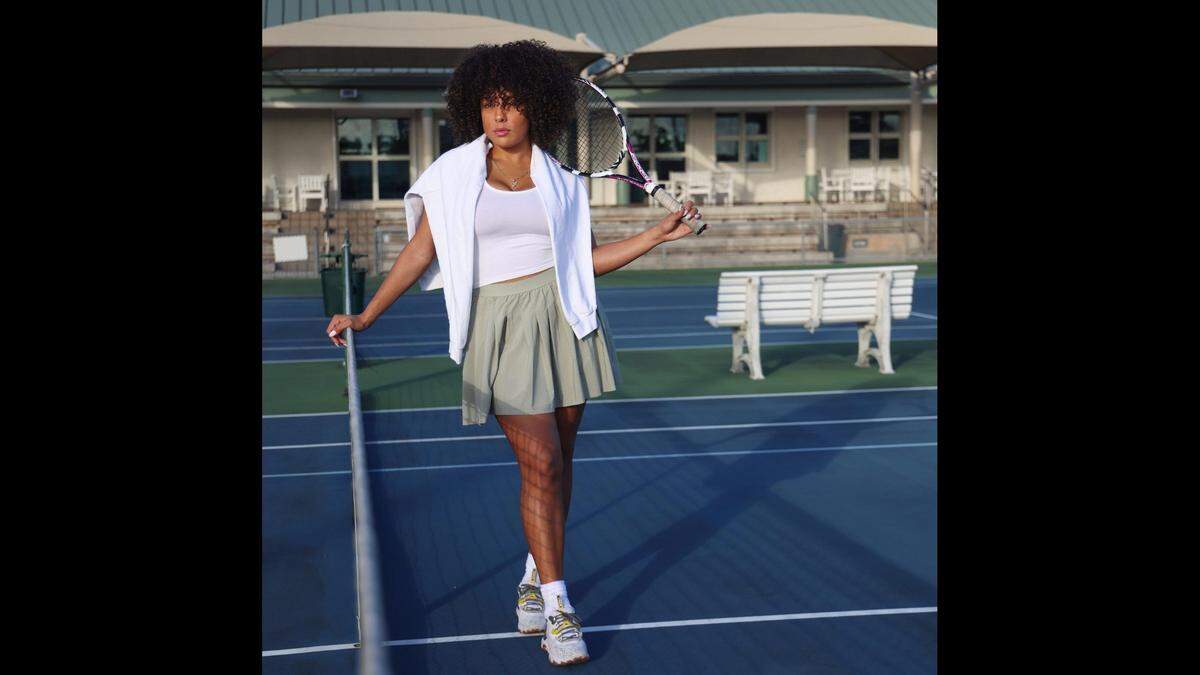
Francesca Morgan (30, publicist): “We created our safe space here.”
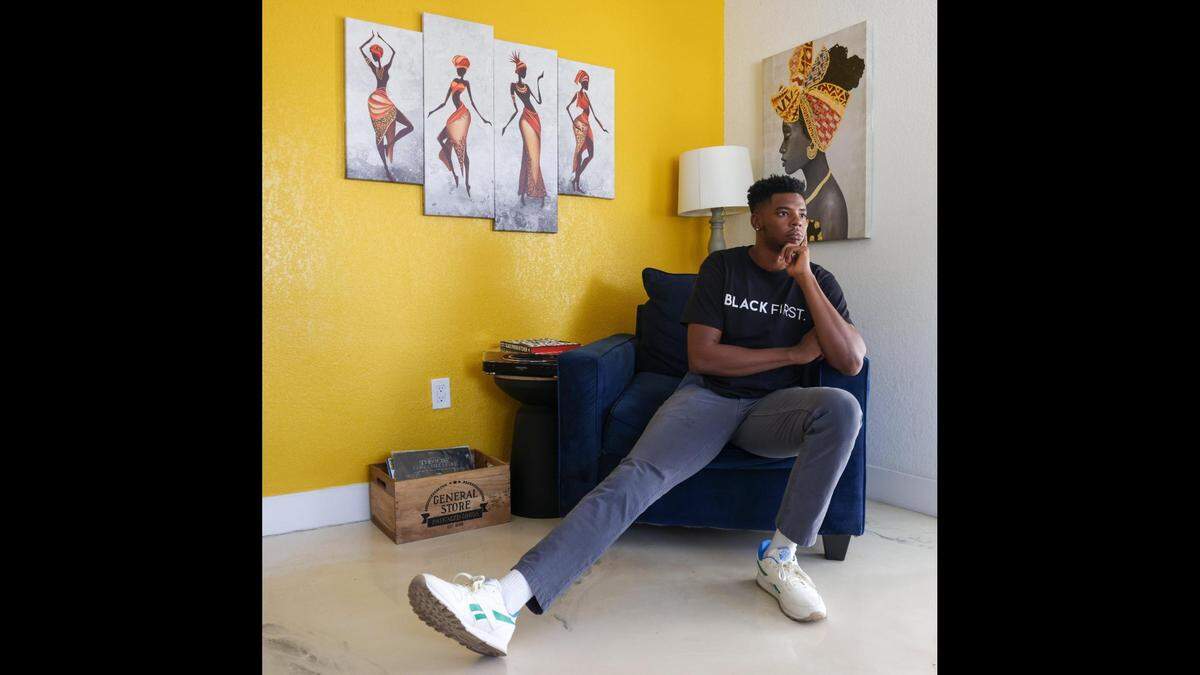
Nate Moreau (27, community organizer): “You can come to Vee’s house, you can get yourself something to eat, you’re going to hear good conversation,” Moreau said. “There’s going to be good music and the vibes will always be welcoming.”
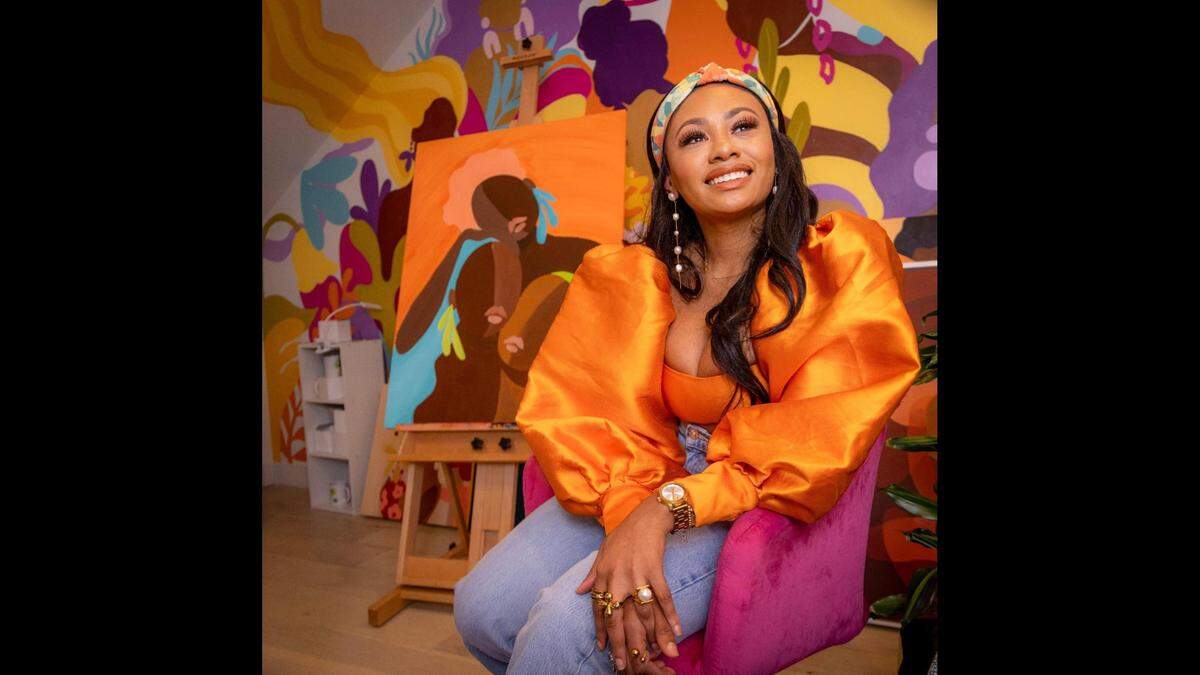
Reyna Noriega (30, artist/author): “No one is prioritizing us and so we have to prioritize ourselves and our community. We have to educate ourselves and share and build community.”
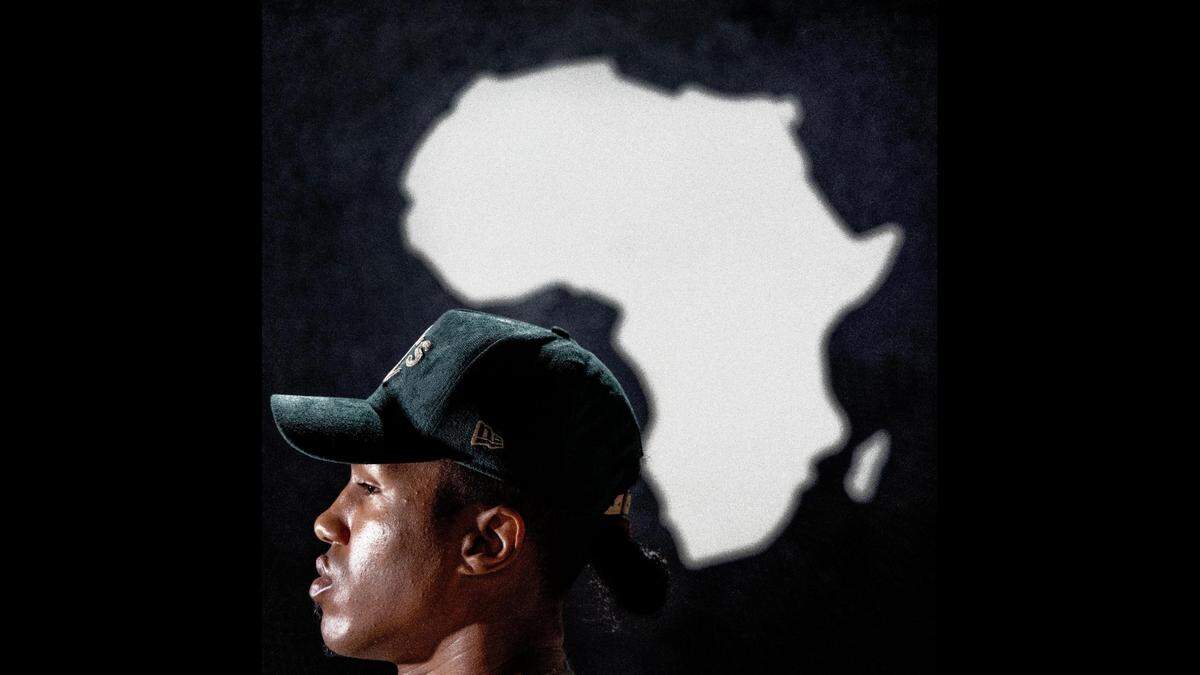
Jean-Raymond “King Hoodie” Jean Philippe (29, rapper): “Everything here is geared towards educating people of the Black community about the Black community, helping the Black community.”
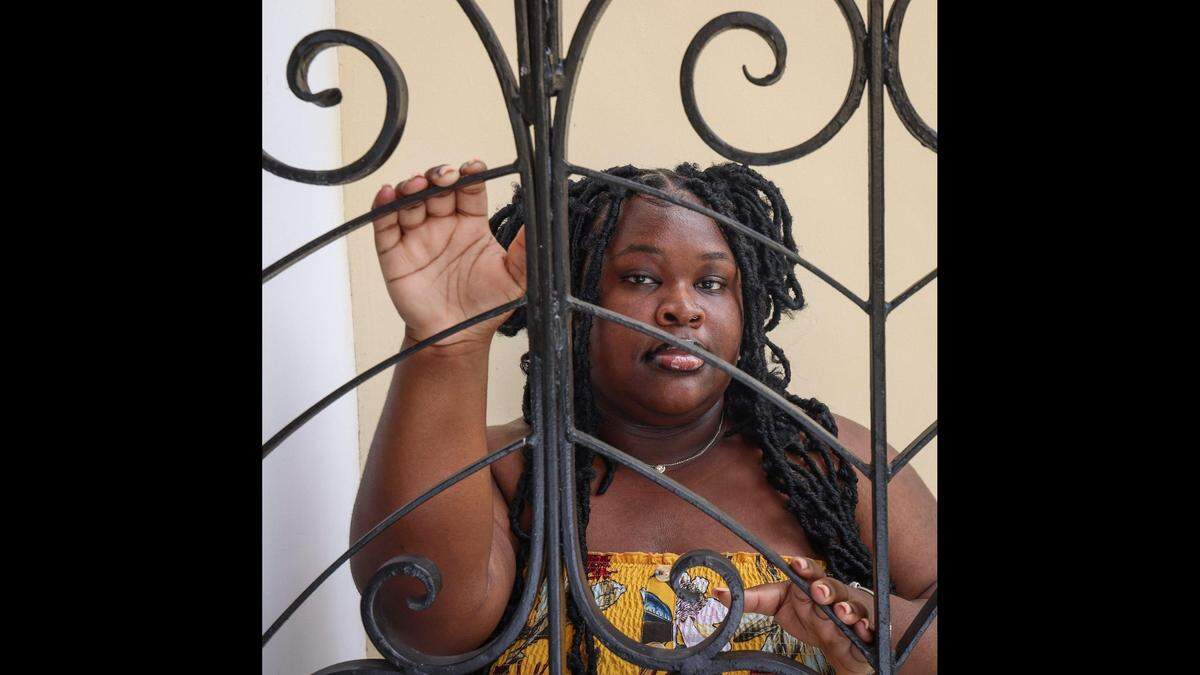
Tyla Bartlett (19, Florida Memorial University student): “This is a place where not only can I blossom but build personal connections and where I don’t feel like I have to walk on eggshells with my culture.”
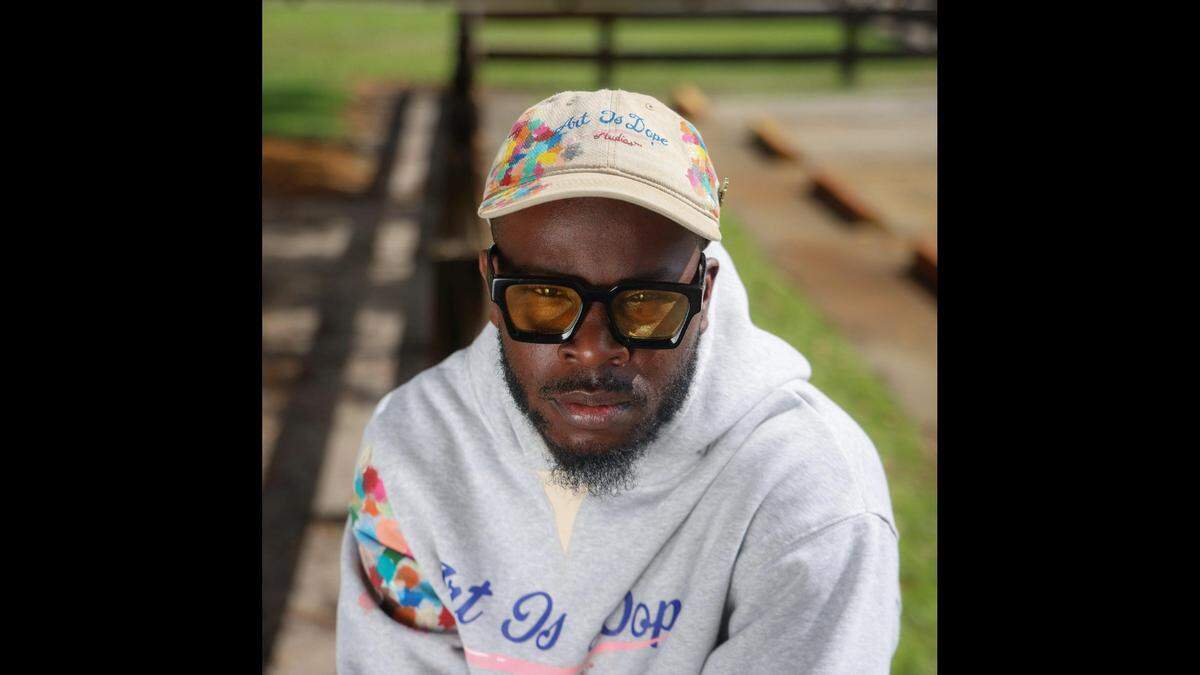
Desmond Jones (30, artist/fashion designer): “Hustling is definitely in Carol City. I remember going to Carol Mart, Rick Ross ‘hustling, hustling, hustling’ — that inspired me as a jit. It made me be like, ‘Dang, let me go do something.’”

Ebony Felton (17, Miami Northwestern student): “Living in Florida, things that I care about every day are being taken away from me.”
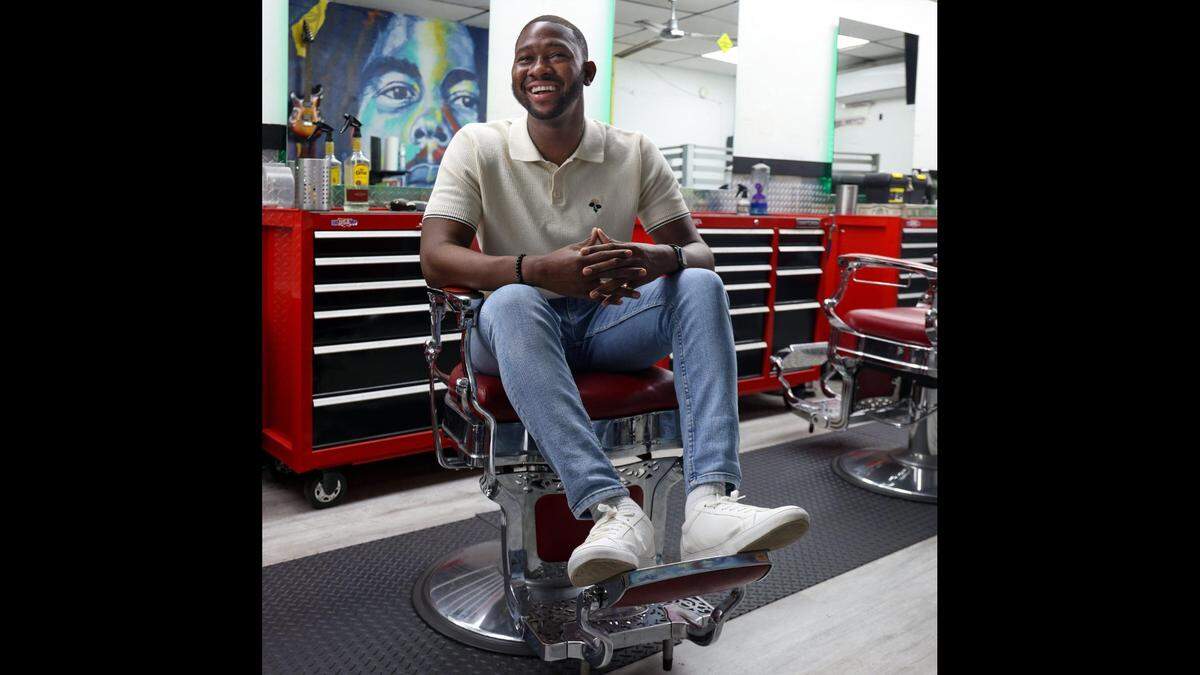
Jefferson Noel (29, FMU professor/ public speaker): “In the shop, anyone can speak, anyone can teach and everybody’s learning. There’s something about that environment that pulls the humanity out of people.”
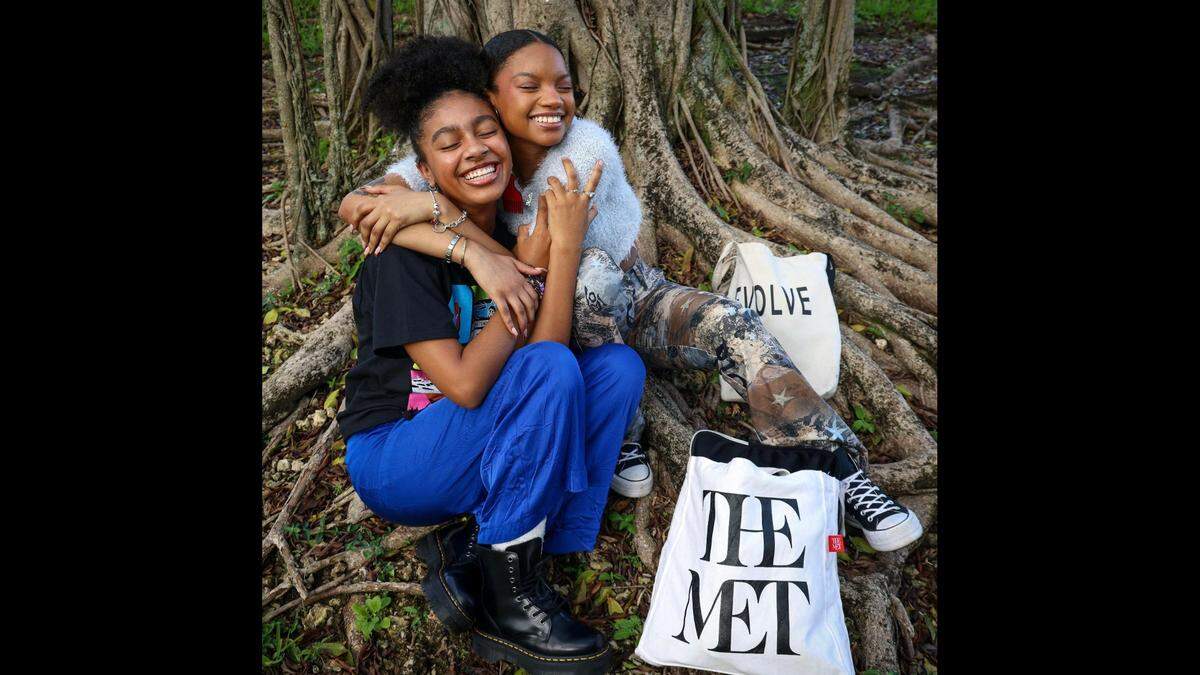
Loralei Gonzalez (19, FIU student): “I don’t have the privilege to be uncomfortable.”
Nadia De La Mora (19, FlU student): “I love being Black so much… We really had to make something out of nothing.”
%20(1)_fitted.jpeg "MIA_01BLACKHISTORYMONTH_MAH (2) (1)_fitted.jpeg")
Mahlik Hunt (30, entrepreneur): “Being in different countries, different regions of the world and coming back here, I just feel whole.”
.jpeg "MIA_02BHMLAURENLENN_fitted (1).jpeg")
Lauren Lennon (21, University of Miami student): “You can’t fully understand American history without knowing the struggles of Black people. We served as the backbone of America for so long.”
.jpeg "MIA_03BHM_MICHAELTURNER_fitted (1).jpeg")
Michael Turner (28, medical technologist): “You don’t have too many spots where you can be openly Black and gay.... You just feel safer around your own people.”
This story was originally published March 2, 2023 at 4:30 AM.