
Arena naming deal, funding for county youth program at risk if FTX ends in crypto crash
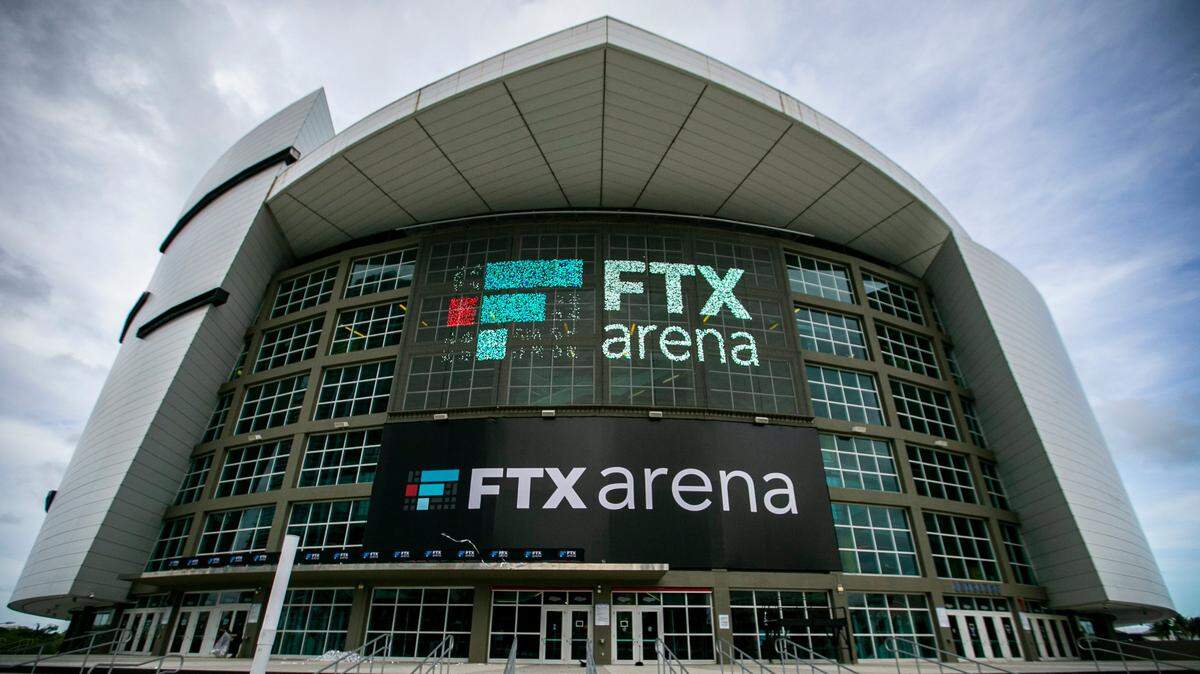
FTX, the crypto-currency company whose name is on the Miami Heat’s arena, is facing a financial meltdown just weeks away from an annual deadline to pay $5.5 million to the team’s landlord, Miami-Dade County.
Less than two years ago, an affiliate of FTX signed a 19-year sponsorship deal for the county-owned arena where the Miami Heat play, an agreement worth $135 million to the county and the team.
For the county’s $90 million share of money, Mayor Daniella Levine Cava launched a neighborhood safety campaign against youth gun violence dubbed the “Peace and Prosperity Plan.”
Now FTX, an exchange where investors buy and sell crypto currencies, is warning of bankruptcy if it can’t find new financial backers before $5.5 million on the arena deal is due in January.
With a complicated corporate structure flowing down from FTX’s 30-year-old founder, Sam Bankman-Fried, the exact implications of a potential FTX bankruptcy aren’t clear for the arena deal.
An affiliate of FTX’s U.S. operations signed the arena deal county commissioners approved in March 2021, and Bankman-Fried says the FTX U.S. operations aren’t facing the same liquidity crunch that prompted the company to pause customer withdrawals this week .
READ MORE: Miami Heat to play in FTX Arena after county approves $135M deal with crypto exchange
But there are enough troubling signs — on Thursday morning, Bankman-Fried posted a statement on Twitter that included the words “I F----d Up” — that the Levine Cava administration is floating the idea of a court fight over arena dollars.
“This is an evolving situation, and Miami-Dade County is currently reviewing and gathering information about FTX’s financial situation and possible next steps,” Levine Cava’s office said in a statement. “Should FTX be unable to meet their financial obligations under the naming rights deal, the County will explore all legal remedies.”
In a brief interview outside County Hall on Thursday, Levine Cava said there are no budget challenges short-term if the FTX payment does not arrive in January. “For now, we’re not particularly concerned,” she said. “Obviously, in the long-term, we’d need to have a solution.”
FTX still owes more than $100 million on the county arena deal, which runs through 2040 and pays out $5.5 million to $8 million a year.
Should the FTX payment not come through, the Levine Cava administration would likely shuffle dollars within the 2023 budget to cover Peace and Prosperity funds.
That would then set off a hunt for a replacement sponsor under terms that could match the FTX money, or leave Levine Cava with the choice of dipping into tax dollars permanently to fund one of her signature initiatives.
While FTX aired a Super Bowl ad with Larry David this year, the company was relatively obscure in early 2021 when the Levine Cava administration’ negotiated a deal with Bankman-Fried to take over an arena sponsorship deal once held by American Airlines.
The deal made Miami the first home to a crypto-sponsored sports venue, backed by a company that only launched in 2019. The FTX logo replaced the iconic silhouette of a jet on the arena roof to fully brand the facility the FTX Arena.
Rather than use the new revenue to offset Miami-Dade’s $5 million subsidy for the Heat organization that runs the arena, Levine Cava and commissioners approved a plan to pump the FTX money into local programs.
This year’s budget has about $2.5 million in Peace and Prosperity programs funded by FTX dollars, including $2 million for the Parks Department’s Fit 2 Lead program and about $500,000 for youth programs run by the Miami-Dade Police Department. Commissioners also set aside about a third of the annual FTX money for expenditures in their districts.
American Airlines opted not to renew its arena deal when it expired at the end of 2019, and the administration of then-mayor Carlos Gimenez pursued the hunt for the next sponsor rather than let the Heat manage the process.
Levine Cava inherited the search when she took office in 2020. County negotiators front-loaded the FTX deal with large upfront payments, and Miami-Dade has already received nearly $20 million from the agreement, according to the county’s Finance Department.
This story was originally published November 10, 2022 at 3:20 PM.