The 44 Percent: Takeoff, 5000 Role Models & Black ghost stories
I’ve been in tears for days.
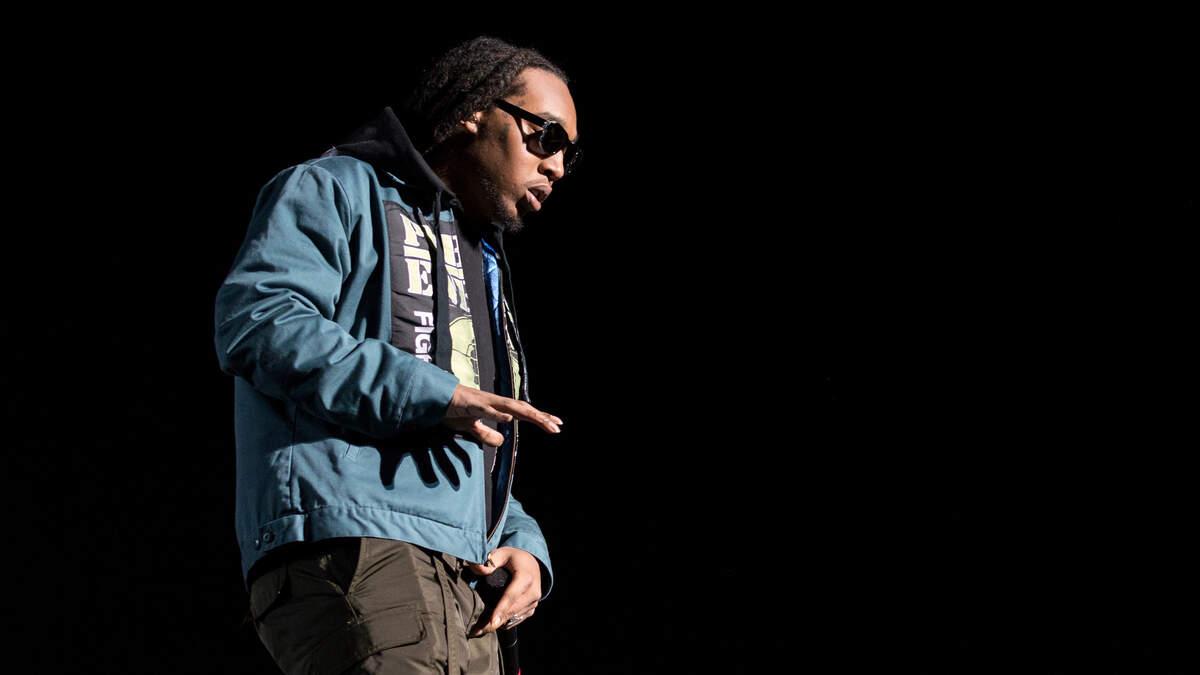
The death of Takeoff, born Kirshnik Khari Ball, has been like a nightmare that just won’t end. Migos, the trio which music critic Craig Jenkins aptly deemed Takeoff “the glue,” was as much part of my college experience as a math textbook (odds are I probably spent more time listening to the tremendous trap trio than I did buried in said textbook). His death — just not even two months after PNB Rock’s, nearly a year after Young Dolph’s and more than two years after Pop Smoke’s — at just 28 years old has been an all too present reminder of just how fragile life really is.
There might be some who choose to blame Takeoff’s death on the genre of hip-hop itself. “He lived a dangerous lifestyle,” they might say. “Why did he rap about drugs and guns?”
Although you’re allowed to want rappers to talk about more than the perils of their neighborhoods, what shouldn’t happen is criticizing 20-somethings for problems that elected officials still haven’t solved. Grandmaster Flash & The Furious Five’s “The Message,” a song that described the conditions of many Black, inner city neighborhoods, came out in 1982. That was 40 years ago.
Something has to change. Rappers shouldn’t be dying this fast. In the words of the great Justin Tinsley, “If hip-hop is to survive, then the art must do so. And if the art is to survive, then artists have to live.”
INSIDE THE 305
Police officers and young men of color come together at this Miami Gardens event:
Black and brown students gathered Tuesday with police from across South Florida for the 5000 Role Models of Excellence Project’s Youth and Police Conference. This was their first in-person meeting in more than two years. As I wrote, the “event resembled one elongated version of “the talk,” something that has become a rite of passage in Black households in which boys are taught about how to conduct themselves around police.”
“We have saved so many young men because they don’t know,” Congresswoman Frederica Wilson said Tuesday. She referenced the pamphlet that was handed out to the students. Inside were explanations of suspicious behavior, rights and a step-by-step list of what should be done after being pulled over. “All police officers don’t come into the force ready to help some little Black boys.”
Election Day is Tuesday, November 8th:
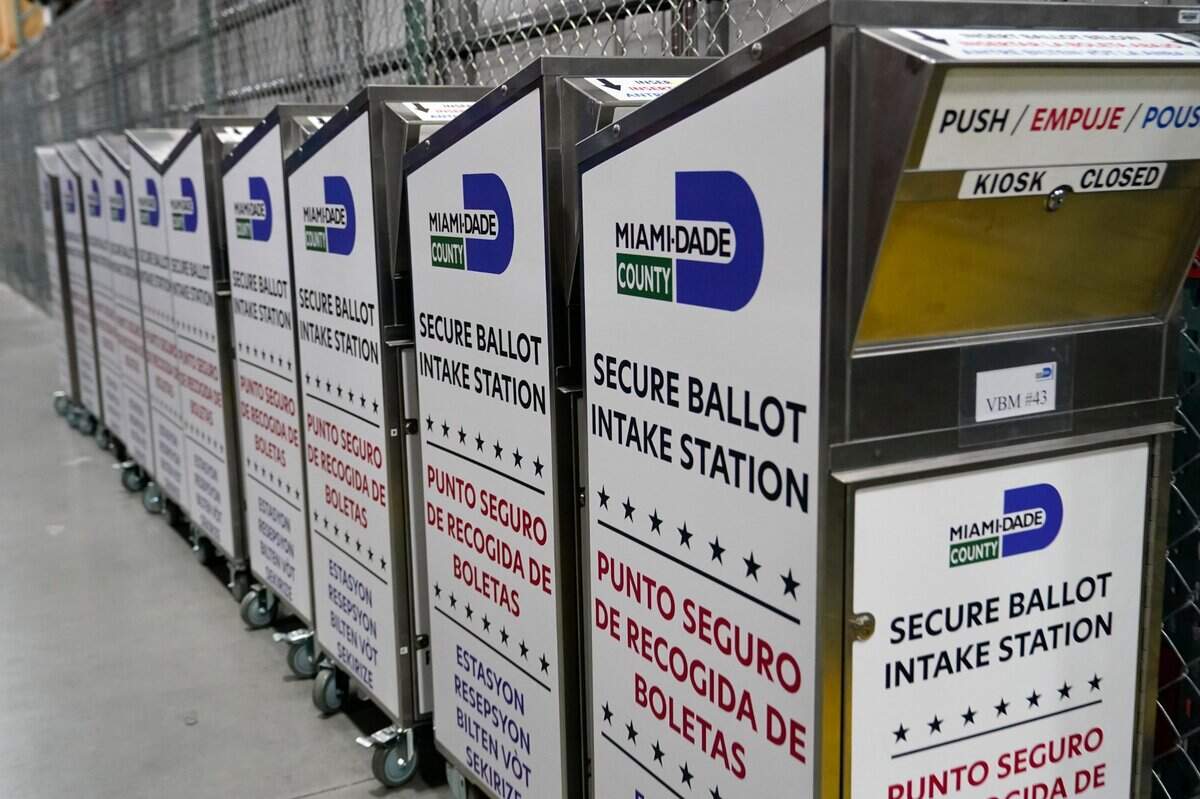
Just another friendly reminder to vote just in case you haven’t already. Early voting is already open and Election Day is just days away. Be prepared. Have a plan. Your vote counts!
OUTSIDE THE 305
Ghost stories from formerly enslaved persons shed light on their lives:
In 1937, a bunch of unemployed writers were tasked with recording the narratives of the last survivors of American slavery, a task that yielded more than 2,300 testimonies. Two questions (or one demand, one question) stood out: “Tell about the ghosts you have seen” and “Do you believe in spirits?”
Some stories involved masters being haunted by former slaves. Others were love stories. Some were even used to scare children away from the unknown. The most fascinating aspect, however, is how the stories were constructed out of necessity:
The ghost stories — or “hant stories,” as they were colloquially called — were part of a belief system that, as the historian Lawrence Levine argued, prevented “legal slavery from being spiritual slavery.” In “Black Culture and Black Consciousness: Afro-American Folk Thought From Slavery to Freedom” (1977), Levine writes that the spirit world was an alternative to the one in which masters and overseers dominated. For the enslaved, it was “a world they shared with each other and which remained their own domain, free of control of those who ruled the earth.”
.JPG "HaitiDailyLife (2).JPG")
Community advocates appeal to Florida to halt plan to send U.S. citizen baby to Haiti:
A 9-month-old born in Broward County is in danger of being sent back to Haiti after a circuit court judge ruled that baby Ector must be sent to live with his maternal grandmother in the Caribbean country. Days after the ruling, a collection of elected officials and community advocates have asked Florida to keep the baby stateside.
“Baby Ector is an American citizen, and as such is entitled to due process under the law,” Florida state Rep. Dotie Joseph wrote Thursday to Florida Department of Children & Families Secretary Shevaun Harris.
The Sant La Haitian Neighborhood Center and Congresswoman Frederica Wilson echoed Joseph’s sentiments. Jacqueline Charles and Jay Weaver have more:
Wilson’s, Sant La’s and Joseph’s appeals come five days after the Miami Herald reported that Ector was born in Broward County to a mother with mental health issues and a father not involved in his care. By birthright, he is an American citizen. But in August, Broward Circuit Judge Jose Izquierdo ruled that the child should be removed from the home of his foster parents, Tamara and Gerald Simmons, and sent to live with his maternal grandmother. The grandmother lives in a mountainous region outside of gang-plagued Port-au-Prince, has no steady income and had not made a claim for the child in Florida courts.
HIGH CULTURE

For anyone else who is having trouble processing Takeoff’s sudden and untimely death, here are two stories that are helping me. The first one, entitled “On Takeoff’s murder and the dark cloud rap just can’t escape,” is penned by Justin Tinsley and explains how difficult the last few years have been for rap fans. The second one, entitled “Takeoff Was the Glue,” by Craig Jenkins reflects on how unique a talent Takeoff truly was.
Prayers up for Quavo, Offset and Takeoff’s entire family. May he rest in power.
Where does “The 44 Percent” name come from? Click here to find out how Miami history influenced the newsletter’s title.
This story was originally published November 3, 2022 at 2:18 PM.