The 44 Percent: Freedom, Harvard admits ties to slavery & Isaiah Rashad
What does freedom mean to you?
Maybe it means control. Maybe it means having the autonomy to do whatever you want, whenever you want. Maybe it means simply being able to go outside and feel fresh air rush to your lungs.
Whatever it means, just know that Thomas Raynard James got his first taste of sweet, sweet freedom yesterday and I, for one, am happy for him. James spent the last three decades behind bars for a murder he didn’t commit (more on that later).
After more than 30 years of sitting in a cell, it wouldn’t be surprising if James was bitter. But that was not how he appeared in the immediate aftermath of his exoneration. Not only did he come out with modest intentions — all he wanted to do was grab a chicken dinner with his family and spend time with his aging mother — but also with plans to start a foundation to help others who’ve been wrongly incarcerated. Even further, James says he already forgave the eyewitness whose testimony put him in prison to begin with.
INSIDE THE 305
After decades in prison for murder, Miami man hears words of freedom — ‘Actually innocent’:
Thomas Raynard James spent more than 30 years inside.
As of Wednesday, he’s now a free man.
“If there weren’t so many people in there, I’d probably have fainted,” James said. “It actually hit me emotionally. I realized it was actually happening.”
James, 55, had been accused of a 1990 murder of a Coconut Grove man Francis McKinnon. The eyewitness initially identified James as the killer, leading to a conviction — despite the absence of corroborating physical evidence. That same eyewitness recanted her testimony earlier this month.
“I thank her for finally allowing her conscience to get the best of her,” James said of the eyewitness. “I forgave her a long time ago because I don’t think she done it intentionally.”
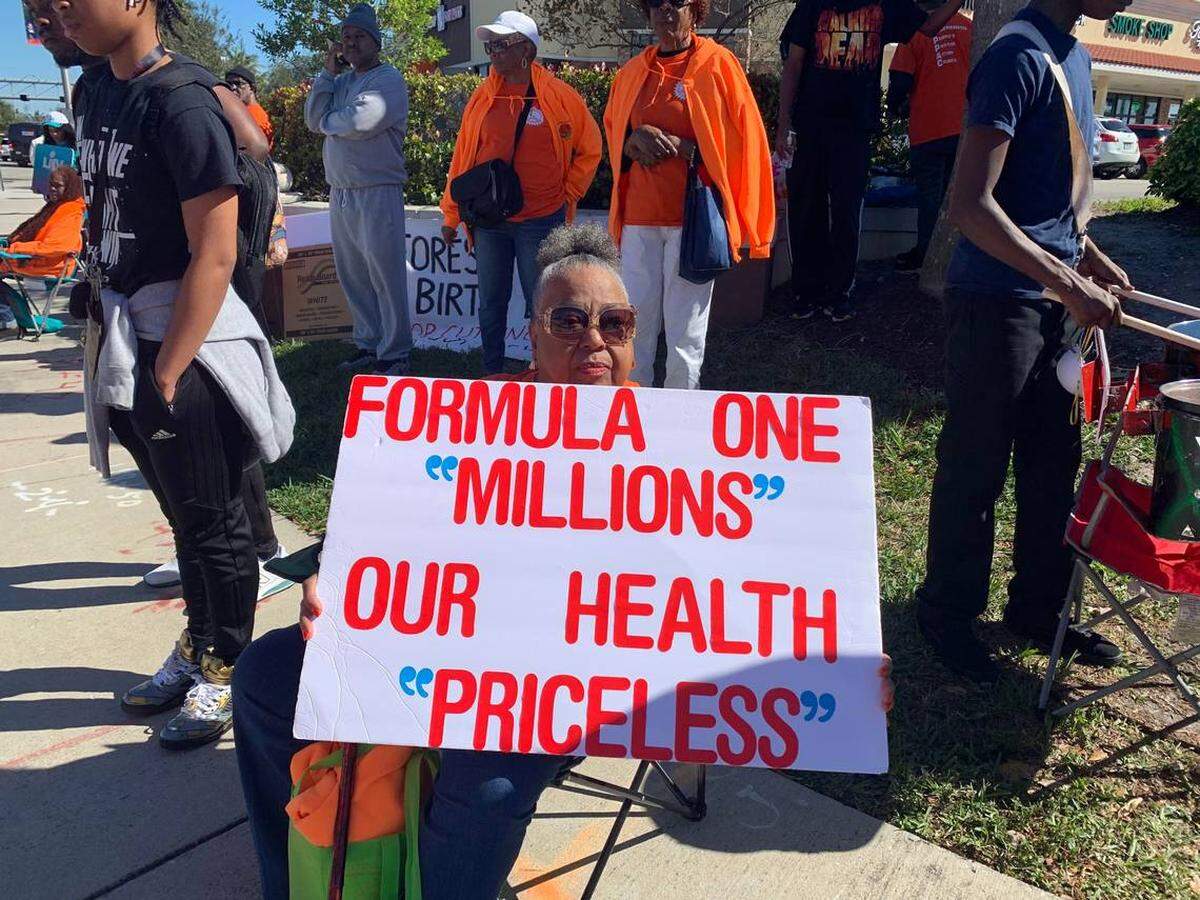
Miami-Dade judge won’t block upcoming Formula One race at Hard Rock Stadium:
Looks like this year’s Formula One race will actually happen.
Miami Gardens residents’ last-ditch effort to block the Miami Grand Prix over concerns about noise fell flat as a Miami-Dade judge ruled any potential harm would be preventable. The judge added that the lawsuit could continue after the race and that residents could take their own noise measurements to improve their argument.
The race will take place May 6-8 at Hard Rock Stadium.
OUTSIDE THE 305
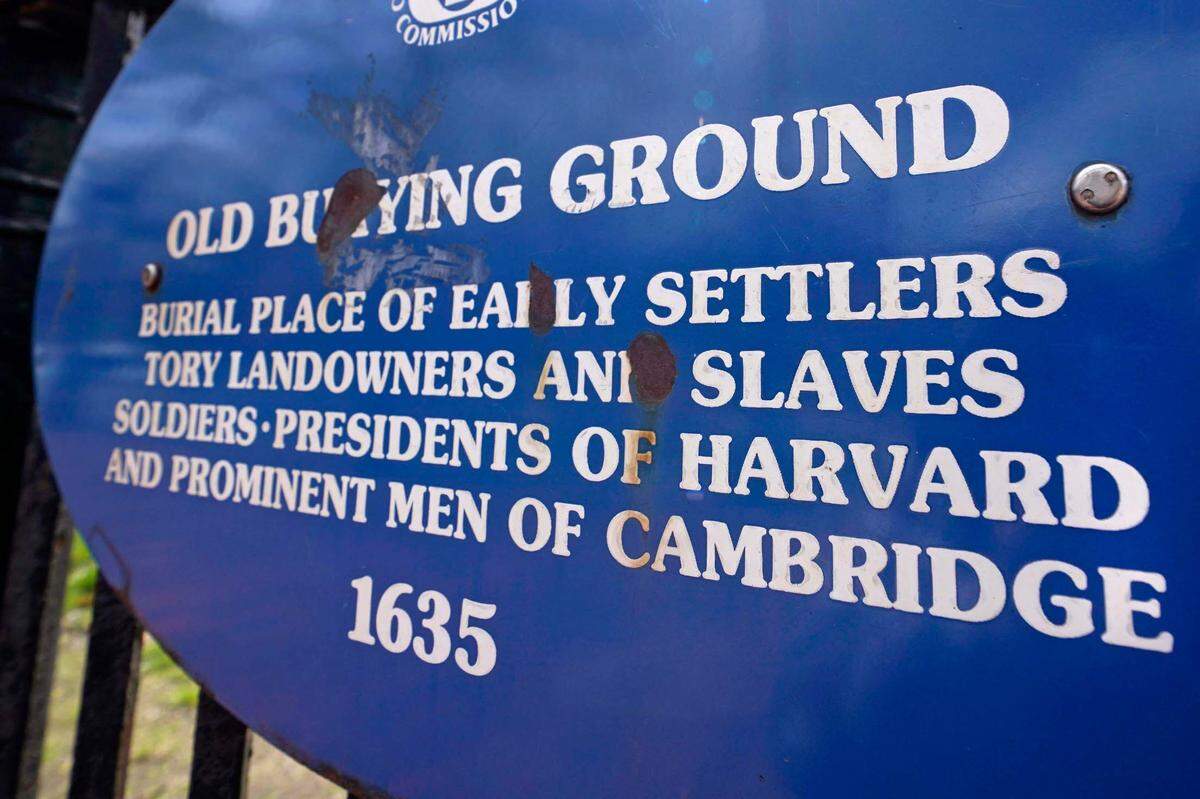
Harvard to commit $100 million to redress ties to slavery:
The multi-million dollar commitment was part of the university’s 134-page report which detailed both enslaved people’s on-campus presence as well as plans for its “Legacy of Slavery Fund.”
As for enslaved people at Harvard, apparently their role was “integral.”
They lived in the president’s residence on the Cambridge, Mass., campus and were part of the fabric, almost invisible, of daily life.
“Enslaved men and women served Harvard presidents and professors and fed and cared for Harvard students,” the report says.
While New England’s image has been linked in popular culture to abolitionism, the report said, wealthy plantation owners and Harvard were mutually dependent.
As for the funds, the university stopped short of issuing reparations yet pledged to do more to shrink the educational opportunity gap as well as uplift the legacies of our enslaved ancestors.
By tracing the modern-day descendants of enslaved people at Harvard. By building memorials and curriculum to honor and expose the past. By creating exchange programs between students and faculty members at Harvard and those at historically Black colleges and universities, and by collaborating with tribal colleges. And by forging partnerships to improve schools in the American South and the West Indies, where plantation owners and Boston Brahmins made their intertwined fortunes on the backs of the enslaved.
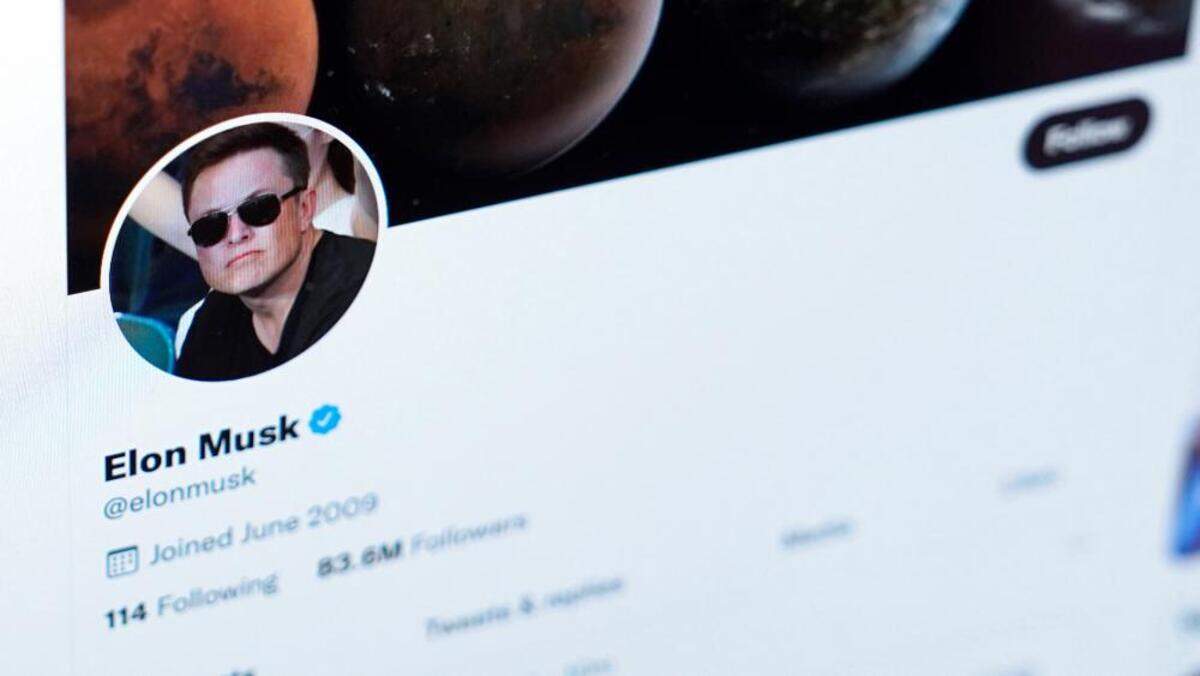
Elon Musk buying Twitter. Are Black Twitter’s days numbered?:
The short answer? No.
But, as NewsOne’s Bruce C.T. Wright writes, there are at least five reasons Black Twitter users should be concerned. The most notable reason happens to be the several accusations of racial discrimination leveled at Musk’s automobile company, Tesla. And although Musk hasn’t specifically been named in the lawsuits, he does share some blame for fostering a workplace culture that has allowed “rampant racism” for years, according to California’s Department of Fair Employment and Housing.
HIGH CULTURE
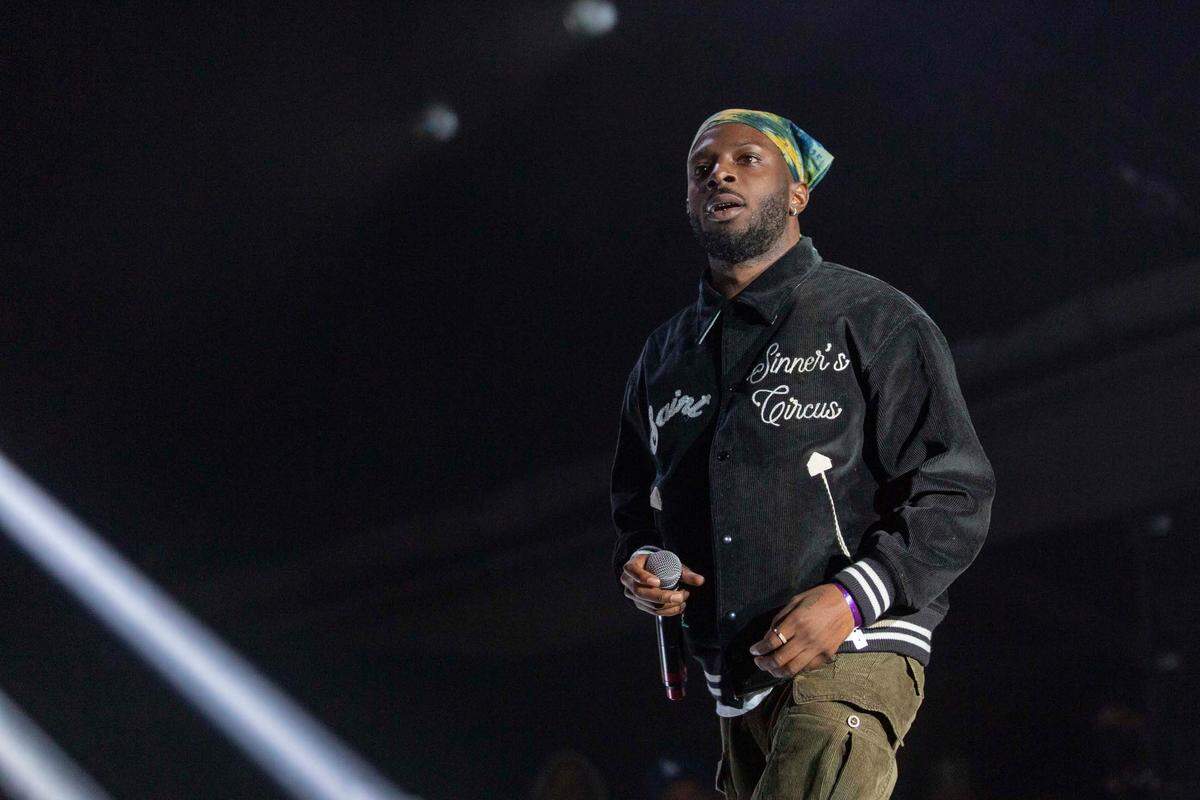
Isaiah Rashad returns with triumphant Coachella performance:
Hip-hop has always had an issue with homophobia.
So when a video of Isaiah Rashad engaging in sexual acts with another man began circulating on the internet, the Top Dawg Entertainment rapper’s career very well could’ve been in jeopardy — especially considering his previous struggles with mental health. Instead, Rashad embraced the situation, opening up the show with a 90-second video that featured the full gamut of reactions to him being outed without his consent.
The performance was Rashad’s first public acknowledgment of the video, and it was a defiant act of taking back control of the narratives and speculation about his sexuality, his future and his insecurities. As soon as the clip ended, Rashad hit the stage, tearing through his biggest hits and cult classics.
One close-up camera angle showed Rashad possibly shedding a tear as he raps his verse on “Wat’s Wrong” from 2016’s The Sun’s Tirade, a verse that ends with “lost my God tonight.” Later in the set, Rashad took a break to tell the crowd, “I see all the messages and all the positivity.” His declaration that his fans — rap fans, no less — “kept me alive” hit hard, considering his lyrics about mortality, mental health and his own addictions that landed him in rehab and nearly derailed his music career some years back.
Of course no one knows what he’s internally dealing with, however, I’m sure a lot of his fans hope he finds peace and love.
Where does “The 44 Percent” name come from? Click here to find out how Miami history influenced the newsletter’s title.