The 44 Percent: South Beach crackdown, Ketanji Brown Jackson & ‘Atlanta’
Miami Beach has a dilemma on its hands.
Elected officials have made it fairly clear that they see spring break as a problem, yet every March revelers keep on coming. And why wouldn’t they? South Beach is iconic, a cultural staple thanks to the wealth of television, movies and music that built the area’s allure.
Although I never went to South Beach in college, I do know this: spring break is spring break. The same things happening at 10th and Ocean Drive are likely happening in South Padre Island, the Bahamas or wherever spring breakers are flocking. Sure, South Beach might get a little wild at times, but that’s the image that the city of Miami — and by default Miami Beach since most visitors don’t know the difference — has created for itself.
The question now becomes who will cave first: Miami Beach or the tourists?

INSIDE THE 305
‘Only emergency is that Black people are on the Beach.’ Critics blast spring break curfew:
Two shootings led Miami Beach to declare a state of emergency — and many were not happy.
“The only emergency is that Black people are on the Beach,” said Stephen Hunter Johnson, a member of Miami-Dade’s Black Advisory Board, adding: “I don’t understand how this town has been doing spring break for at least 25 years and can’t figure it out.”
Miami Beach imposed a curfew that runs daily, midnight to 6 a.m., Thursday night to Monday morning.
‘We’re back at square one.’ Spring break curfew evokes Miami Beach history on Black visitors:
As Johnson alluded, Miami Beach does have a history of being unwelcoming to its Black visitors.
For example, after boxer Muhammad Ali, then Cassius Clay, defeated Sonny Liston for the heavyweight title at the Miami Beach Convention Center in 1964, Ali couldn’t stay on the beach as segregation laws barred Blacks from the city’s hotels.
Although that law has changed, critics say those types of incidents in Miami Beach’s history have some bearing on the city’s current situation.
‘If you don’t know your history, you’re doomed to repeat it,’” said Pierre Rutledge, chair of the Miami-Dade Black Advisory Board . “And it looks like, that’s where we’re headed.”

PPP loans were made to be forgiven. In heavily Black areas like South Florida, many aren’t:
Miami-Dade and Broward counties have far lower PPP loan forgiveness rates than the national average, a Miami Herald analysis found.
Why? Both counties’ significant Black and Hispanic population, Ben Wieder reported.
The percentage of loans that remain unforgiven in majority Black ZIP codes is more than three times higher than the percentage of unforgiven loans in majority white ZIP codes, while the percentage of unforgiven loans in majority Hispanic ZIP codes is more than double that of majority white ZIP codes.
OUTSIDE THE 305
Inside Ketanji Brown Jackson’s Harvard years:
Ketanji Brown Jackson’s Supreme Court confirmation hearings have had a little bit of everything.
Through it all, Jackson has appeared calm and collected — a demeanor likely sharpened during her time at Harvard, according to a recent New York Times piece.
“She’s fearless in a world where it’s sometimes scary to be fearless,” said Lisa Fairfax, who was one of Judge Jackson’s college roommates and is now a law professor at the University of Pennsylvania.
HIGH CULTURE
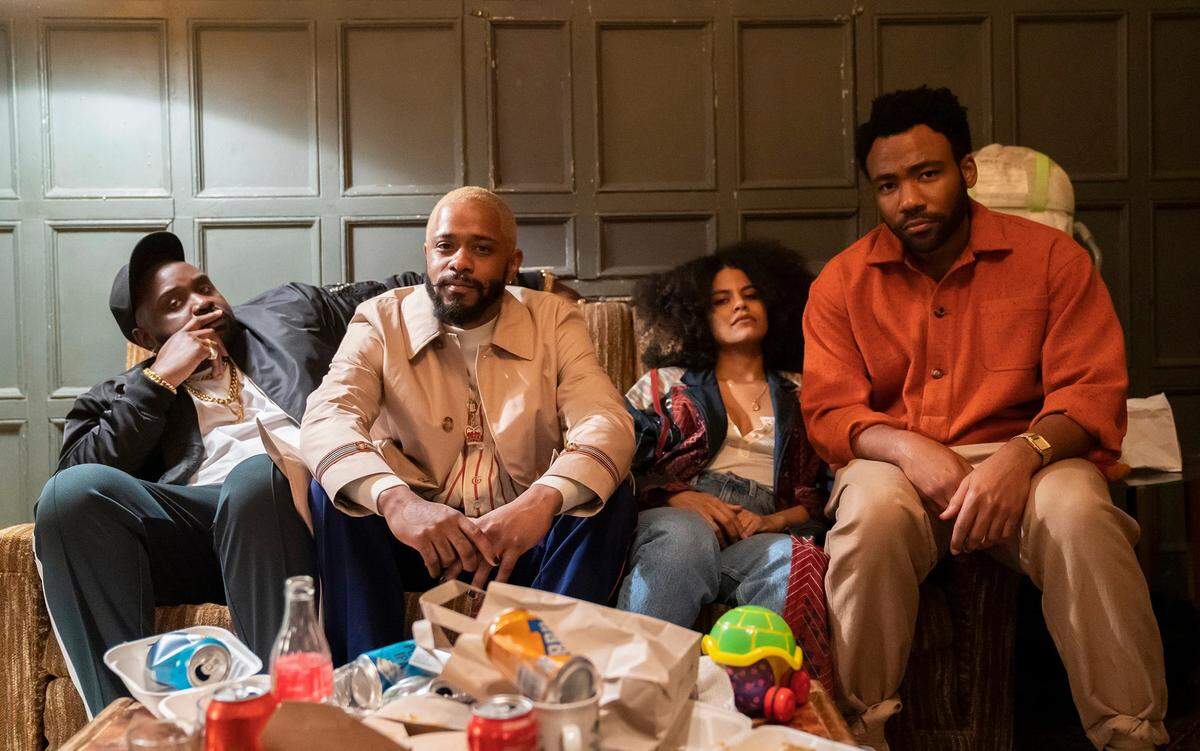
Few shows have captured my attention like Donald Glover’s “Atlanta.” So much has changed during the show’s four year hiatus that I’m nervous to even watch. Who knows if I’ll be in the space to receive the show as I did in 2018?
That said, “Atlanta” is one of the best shows ever created in my opinion, so I, for one, will be front and center come 10 p.m. tonight.
Where does “The 44 Percent” name come from? Click here to find out how Miami history influenced the newsletter’s title.