The 44 Percent: Jazz in the Gardens, rent control & Black history artifacts
Find your own identity before the world does it for you.
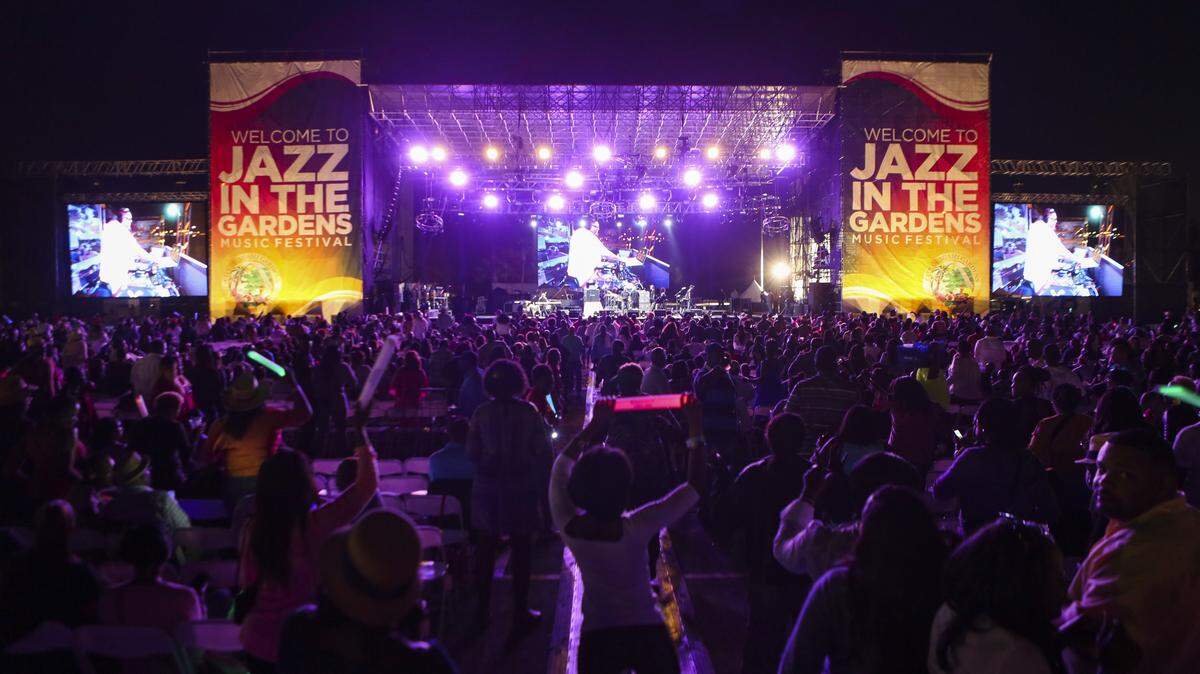
That’s a paraphrase of what former Miami Gardens Mayor Shirley Gibson told me about why she started Jazz in the Gardens. The largest primarily Black city south of Atlanta, Miami Gardens needed to brand itself after its 2003 incorporation and Gibson thoroughly believed that a music festival would do the trick.
I won’t go into too much detail about why Miami Gardens was pressed to create their own narrative (my 2020 story on the city can provide further detail), but the festival returns this weekend after a two-year pandemic hiatus. Jazz in the Gardens is part of the city, the music woven into its very fabric. And the lineup itself — which includes Isley Brothers, Mary J. Blige and Rick Ross — is the perfect mix of old and new school.

This event is a tourist attraction for a city that has to compete for business with the glitz and glamour of South Beach. Of course, Rolling Loud was also held at Hard Rock Stadium over the summer but this festival is decidedly different. Jazz in the Gardens, quite simply, is much blacker. And with anything in South Florida and beyond, Blacker is not singular; it can mean Jamaican, Haitian, African American, Bahamian and Dominican. The image of those cultures smiling, dancing and just genuinely enjoying themselves is exactly what the city wants you to think of when the name Miami Gardens is mentioned.
INSIDE THE 305
Jazz in the Gardens isn’t just a music festival. It’s a window into the soul of a city:
As I mentioned, Jazz in the Gardens returns this weekend for the first time since 2019. I explored the history of the event and why it’s so significant to not just Miami Gardens but Black South Florida in general.
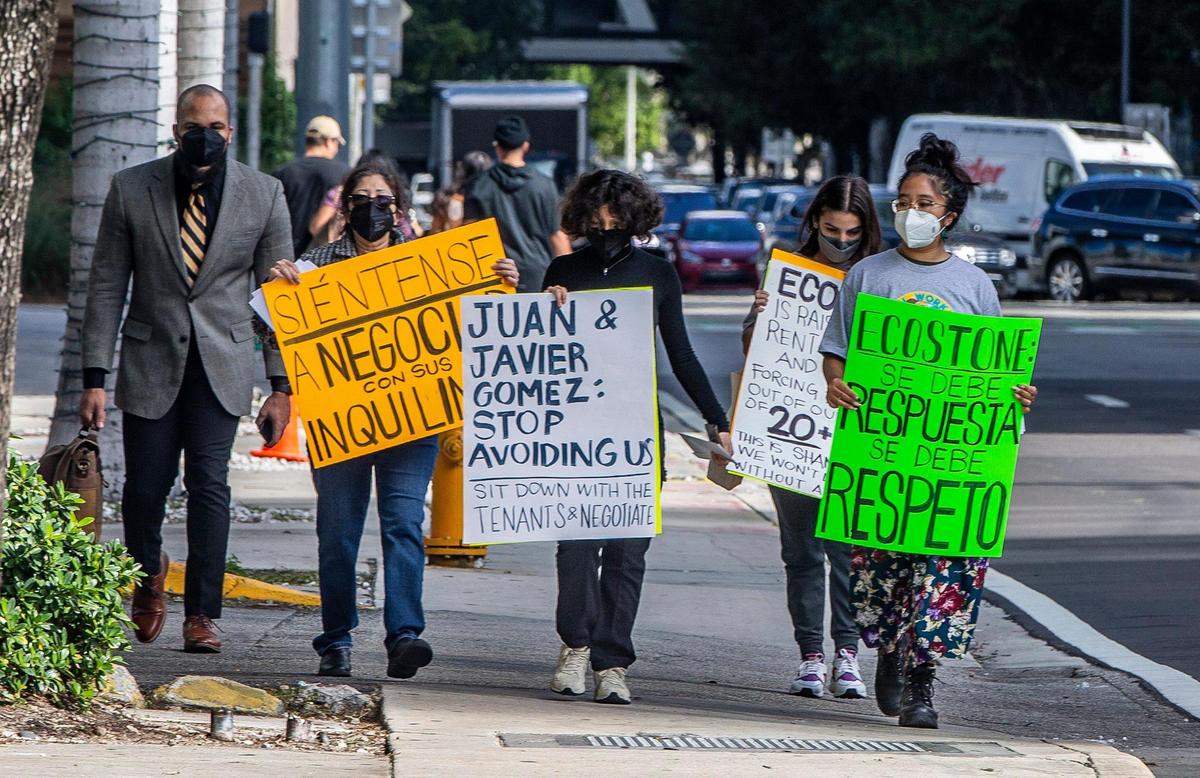
Rent control in Miami? County leader wants emergency action on housing in Miami-Dade:
A new proposal could lead to the temporary freezing of some rents throughout Miami-Dade.
Proposed by County Commissioner Kionne McGhee, the legislation would direct Miami-Dade Mayor Daniella Levine Cava to carry out a study to decide whether there’s a housing emergency within the county. The next steps would be as follows:
If the study determines there is a housing emergency, the commission could declare one, pass rent-control legislation and then call for the referendum required under Florida law. If voters endorse the plan, it would then go into effect but would still be subject to court challenges from landlords.
The measure was debated Thursday morning. Housing activists are already pushing for Miami-Dade to intervene on rising rents.
“We’ve talked about rent control for years. It’s something we’ve been trying to do since 2017,” said Adrian Madriz, executive director of SMASH, a housing-justice group holding a rally outside of County Hall when the full commission meets next Tuesday. “This is clearly a very extreme situation we’re going through now.”
OUTSIDE THE 305
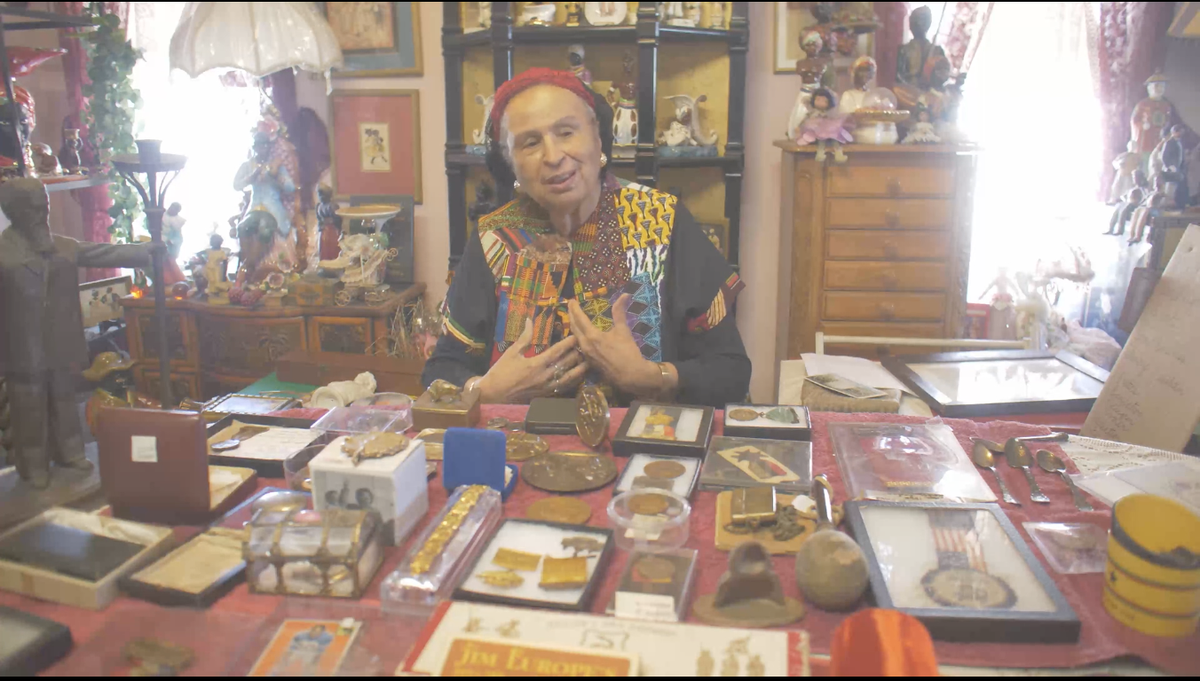
New York woman has extensive Black history collection:
Muhammad Ali’s boxing boots. A slave owner’s branding iron. Satchel Paige’s rocking chair.
All of these items and roughly 20,000 of their cousins can be found inside Elizabeth Meader’s home, which holds one of the country’s largest collections of Black-American historical items. The collection will be up for sale on March 15 with the hope that its buyer will make it available to the public.
“I hope the sale will give it a better life because it doesn’t belong in anybody’s house any longer — each piece needs a chance to sing its own song,” Meaders told the New York Times.
.jpg "AP19227835052937 (2).jpg")
Washington Post police misconduct investigation:
A new Washington Post investigation unveiled some rather disturbing elements concerning police misconduct investigations. I encourage you to peruse through their analysis, but here a few things of note to pique your interest:
- In total, 25 of the largest police and sheriff’s departments spent more than $3.2 billion to resolve claims of police misconduct over the past 10 years.
There are more than 7,600 officers — from Portland, Ore., to Milwaukee to Baltimore — whose alleged misconduct has more than once led to payments to resolve lawsuits and claims of wrongdoing.
Few cities or counties track the names of the officers involved in claims.
HIGH CULTURE
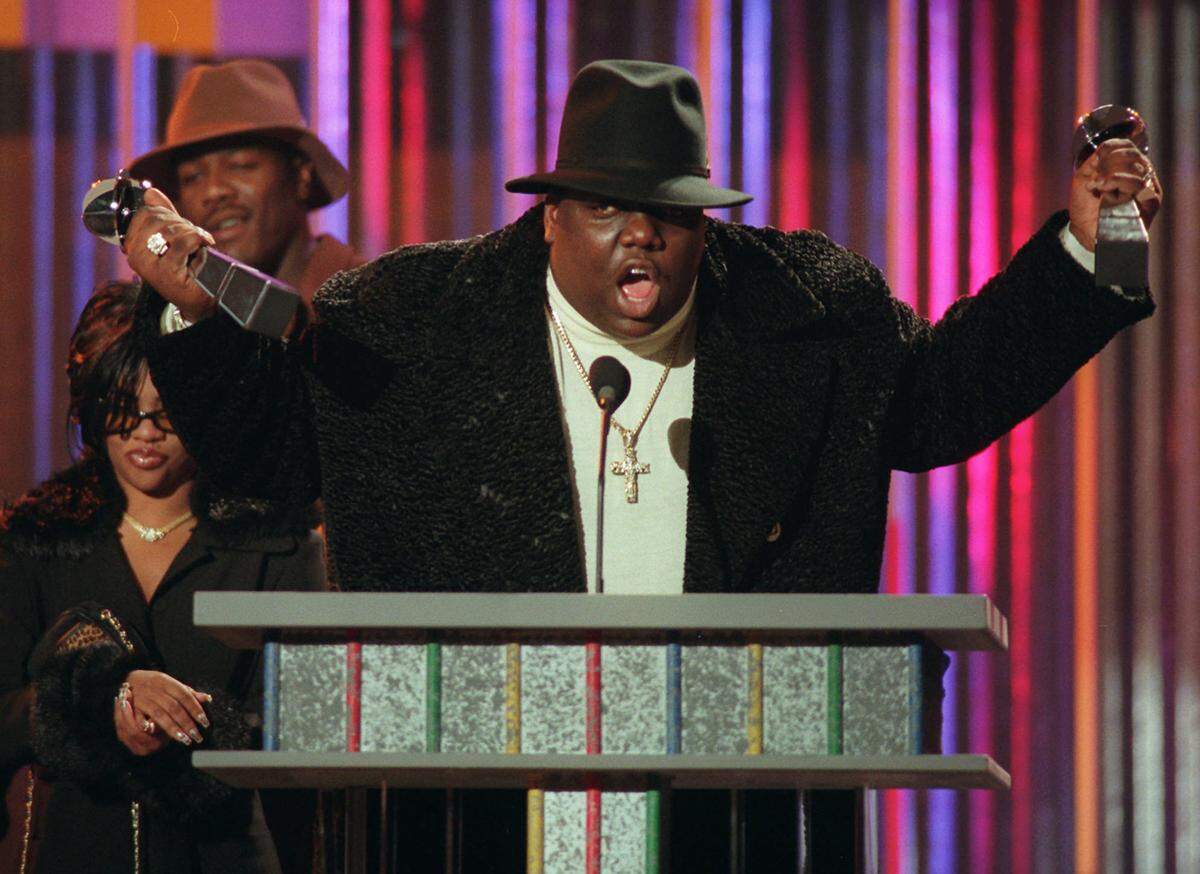
The final 24 hours of Notorious B.I.G.’s life remembered:
Biggie Smalls died 25 years ago Wednesday.
What still bothers me to this day is how young both Biggie and Tupac were at the time of their killings. Pac was just 25, Biggie just 24. They still had their whole lives ahead of them.
To that end, Justin Tinsley (whose new book on Christopher Wallace drops in May) explored how the last 24 hours of Biggie’s life evinced that the young star was on the cusp of changing his life completely.
Where does “The 44 Percent” name come from? Click here to find out how Miami history influenced the newsletter’s title.