Dining, literature, culture: Discover all these gems in Miami’s Little Haiti neighborhood
READ MORE
Eye in the Sky
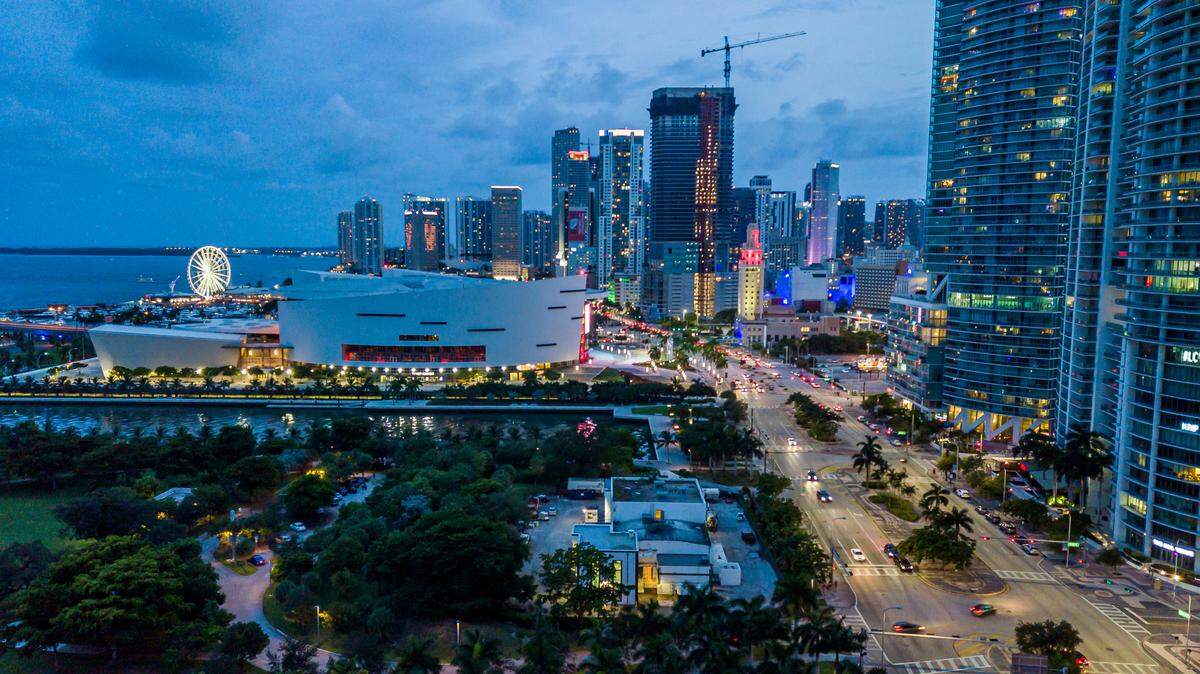
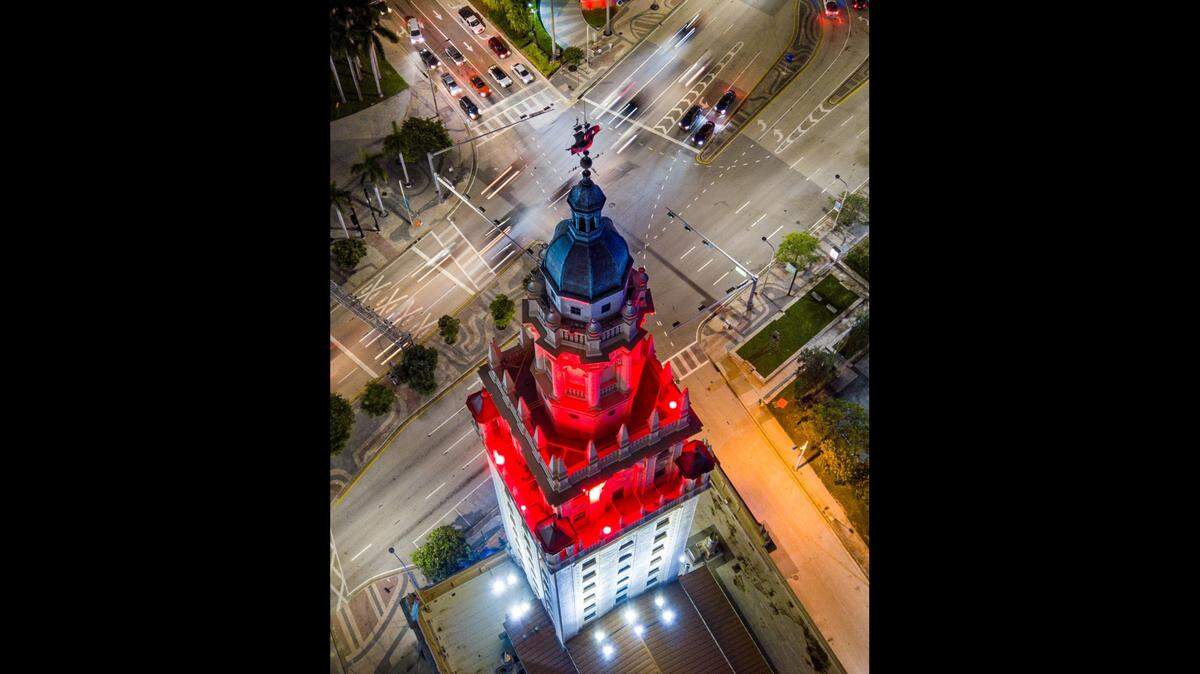
Little Haiti, downtown Miami, Miami Beach, Hialeah and Kendall are rich in history, imbued with culture, architectural richness, immigration stories and natural beauty. Let’s explore.
Expand All
Little Haiti. Just the name speaks of buildings painted with brilliant murals and the sounds of rhythmic drums pouring out of loudspeakers as passersby stroll past stores advertising exotic merchandise.
Little Haiti, designated a Miami neighborhood in 2016, zigzags from Northwest 54th Street on the South; Northeast Fourth Avenue on the East, taking in portions of Lemon City; Northwest 82nd Street and Little River on the North, and from Northwest 62nd Street to 71st Street on the West. It’s the closest thing to being in the Caribbean country.
The flavor of its food, its art and music — even its worship is a refreshing getaway. And it is right here in Miami-Dade County.
Here are some of my favorite places:
Heart of the community
Little Haiti Cultural Center and its Caribbean Marketplace, 212-260 NE 59th Terrace, Miami
This is the heart of the Little Haiti neighborhood. The Caribbean Marketplace, also known as “Mache Ayisyen,” just reopened after being closed for nearly two years due to renovations and the pandemic. Designed by Charles Pawley, it’s a modern replica of Port-au-Prince’s Iron Market.
Among the new spots: SimplyGood Pizza; a cocktail spot, Ti Jacmel; a bakery, Paté Bar; and Je Jardin Coffee Shop.
And there will be dance classes, featuring Konpa and Folkloric sessions.
Tip: The Caribbean Marketplace is open from Thursday-Sunday, 10 a.m. to 10 p.m. Website: miamigov.com/lhcc/home
Literature
Libreri Mapou Bookstore, 5919 NE Second Ave.
You don’t have to speak Creole or French to get caught up in the sweet smell of books, and to enjoy the peacefulness of the store. When you walk through the doors, you are met by warm friendliness. If you are blessed, as was I, you will have the opportunity to sit down with Jan Mapou, the store’s owner. He will patiently tell you his store is the only bookstore in Florida combining Creole, French and Haiti literature. Next door, Mapou welcomes visitors with a taste of Kremas, a drink he makes especially for his customers.
Tip: The best time to visit is between 2 and 5 p.m., Monday through Saturday. The store is closed Sundays.

Little Haiti dining gems
King Creole, 200 NW 54th St.
On my recent trip there, I waited in the drive-thru for nearly one hour for my order of griot (fried pork) and stewed conch.
Tip: If you go for lunch, call in your order or get there before the lunchtime crowd.
Chez Le Bebe, 114 NE 54th St.
This popular storefront spot is known for its succulent steamed fish. The portions are ample and the food is delicious.
Tip: It is best to call in your order beforehand, or get there early if you want the steamed fish.
Clive’s Café, 5890 NW Second Ave.
Although this is a typical Jamaican Restaurant, it is in the heart of Little Haiti and is frequented by a diverse clientele. It is open from 8 a.m. to 9 p.m. and serves breakfast, lunch, and dinner.
Tip: The fried conch is tender and perfectly fried. It comes with two sides — peas and rice and steamed vegetables. You order to go, or you can eat in Clive’s spacious dining room.
An impressive church
Notre Dame d’ Haiti, 110 NE 62nd St.
While Little Haiti has its share of churches, perhaps Notre Dame d’Haiti Catholic Church is its best known.
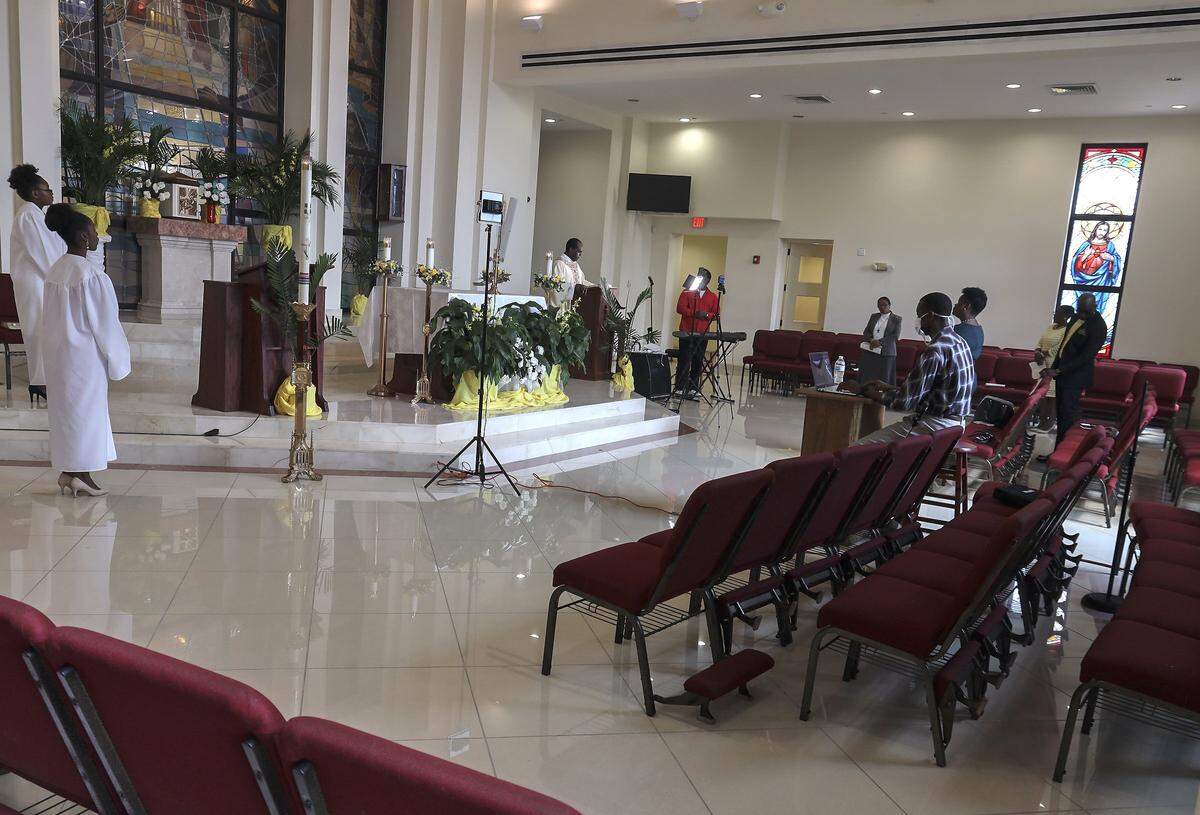
When I was growing up in Liberty City, just a few miles west of the church, I used to ride past it on public transportation. Back then, it was also the home of Notre Dame Catholic School, which was all white and was simply known as Notre Dame Catholic Church. Its school was the Notre Dame Academy for Girls. As Haitians moved into the area, the church soon took on the flavor of the Haitian people and it became Notre Dame d’ Haiti.
The church’s rector is the Rev. Reginald Jean-Mary. All Masses are in Creole, and are at 7 a.m., 9:30 a.m., noon and 5:30 p.m. on Sundays. There also is a 7 p.m. Vigil Mass Saturday.
Tip: For those who can’t make Sunday Mass, the church offers Mass at 8 a.m., Monday through Saturday.
More than a supermarket
Zubi Supermarket, 5700 NW Second Ave.:
Although Latin music blares from the speakers, the flavor definitely is Caribbean. I was curious about its ownership and I asked one of the cashiers, who told me the store once was owned by a “Haitian man… but he died.”
Even so, a walk down its aisles and a look at the offerings in the meat and fish departments tell me I am in Little Haiti. To a person unfamiliar with the flavors and foods of the Caribbean, Zubi Supermarket is a great teacher.
This story was originally published February 23, 2022 at 6:00 AM.
.jpeg)