
Private plan for Rickenbacker Causeway increases tolls by up to $2, proposer says
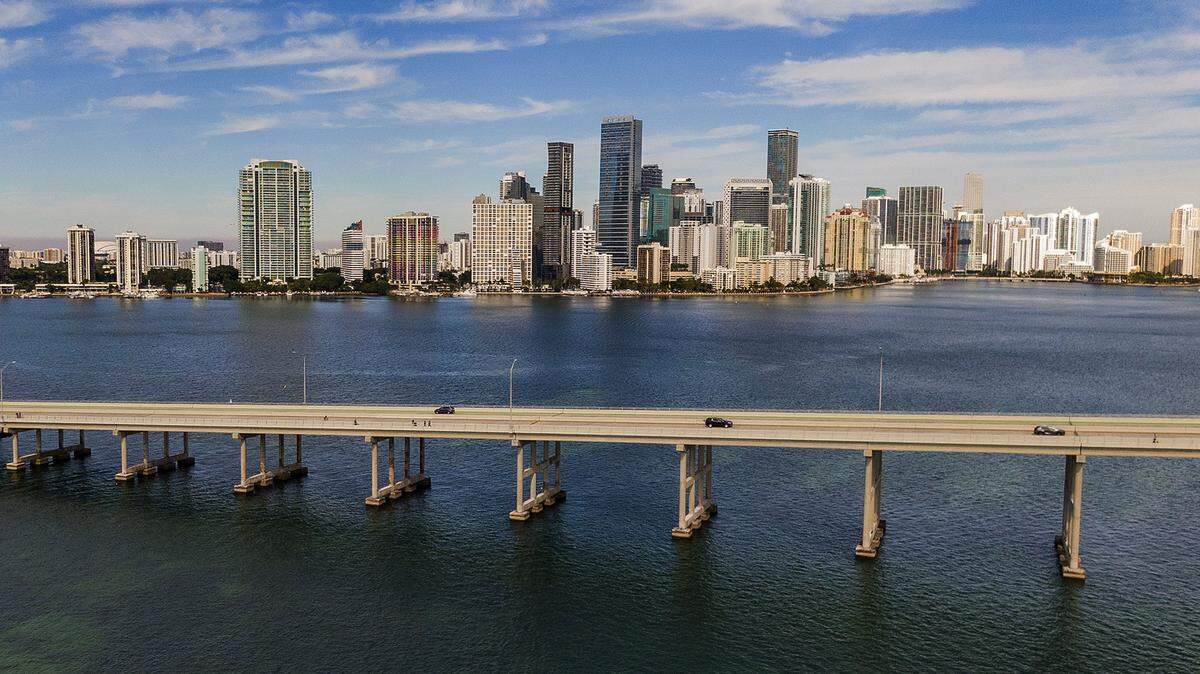
The investor group pushing for a private redevelopment of the Rickenbacker Causeway toll road to Key Biscayne said Monday its proposal requires up to $2 extra per round-trip to fund a new bayfront park, biking and roadway improvements, as well as the replacement of Bear Cut Bridge.
In a letter to Miami-Dade County leaders, executives behind the Plan Z proposal for the four-mile causeway attempted to counter what they called inaccurate rumors about higher toll expenses and other criticisms of the confidential plan now at risk of being scuttled by political opposition on Key Biscayne.
The letter, released Monday, said the standard round-trip Rickenbacker toll of $2.25 would increase up to $2, an 89% hike to $4.25 but far short of what Plan Z executives said were rumors of $15 tolls. Even so, the letter is silent on what a Plan Z leader said is part of the group’s business plan: scheduled increases for a toll bridge that has had flat fees since 2017, when county commissioners voted to increase the rate 50 cents to $2.25.
“It is apparent that rumor and speculation, in the absence of facts, have driven skepticism regarding [the bidding] process,” reads the letter signed by architect Bernard Zyscovich and former county park director Jack Kardys, two partners in the Plan Z proposal, which is backed by a Swiss-based private equity firm, Partners Group.
The five-page letter to Miami-Dade Mayor Daniella Levine Cava and county commissioners states a county rule barring communication between would-be bidders of the county project and Key Biscayne leaders “has prevented us from engaging in any meaningful community outreach...”
Will the Rickenbacker private toll plan get canceled?
Plan Z executives released the letter and arranged an interview ahead of a Monday evening online meeting by Levine Cava to discuss a recent county consultant’s report that recommended a pause in the bidding process to explore the project’s potential for federal dollars following the passage a $1 trillion infrastructure bill.
At the meeting, cycling advocates urged Miami-Dade not to miss the opportunity to transform a popular biking destination into a much safer and more accessible recreational asset for the county. “This is a truly visionary project that could make a huge difference for Miami-Dade County ... for people who want to ride a bike safely in a beautiful environment,” Hank Sanchez-Resnick said.
Fausto Gomez, a leading critic of the Plan Z proposal, urged the county to focus on traffic and not treat the Rickenbacker as a “recreational amenity ... It is the driveway for the 15,000 residents of Key Biscayne” and the route for millions of car trips to parks on the island.
The Plan Z effort ran into trouble shortly after county commissioners in July accepted Levine Cava’s recommendation to launch a bidding process for a proposal framed around a confidential plan the group submitted in March to redevelop and manage both the Rickenbacker and the Venetian Causeway linking Miami to Miami Beach.
The Plan Z group miscalculated the opposition the effort would face, and now could see its original proposal lose its exemption from Florida’s open-records law if Miami-Dade cancels the current request for proposals and starts fresh.
Opposition in Miami Beach led the county to drop the Venetian from the project in October. Now the commissioner representing Key Biscayne, Raquel Regalado, wants Levine Cava to cancel the remaining Rickenbacker proposal ahead of bids coming due in March. On Nov. 23, Regalado wrote the mayor that “this process needs a refresh for all sides to truly trust the results.”
Key Biscayne Village Manager Steve Williamson, who used to work for Zyscovich, said while the consortium is “following the law to a T,” the public wants more input.
People on the island are nervous about the cost of the investment, he said, and are wary of the confidential details.
Members of the public want “a more certain process,” Williamson said, and for that reason, the village will continue to advocate for a fresh start and a new bidding process — a move village leaders are confident the county will support.
“We think they are about to make a decision that is good for the Key, which is a process we can be involved in,” Williamson said.
Mike Davey, the village’s mayor, said the priority needs to be the safety of the Bear Cut Bridge and urged Levine Cava to cancel the current bidding process.
“It’s clear that the best option is to reset, refresh and figure out what needs to be done and what are pure accessory items,” he said. “This is infrastructure work and it is really work that we need to get done.”
The Regalado memo came days after Levine Cava asked commissioners to consider two options opposed by the Plan Z group: either cancel the request for proposals and start over, or dramatically extend the existing bidding process to conduct the environmental studies needed to compete for federal funding.
In their letter, Plan Z executives argued the existing process already contains a framework for adding federal dollars into the project mix.
The letter did not provide the kind of details needed to determine how much more drivers should expect to pay long-term on the lone land route between Key Biscayne and Miami should the Plan Z consortium win the county bidding process to pick a private developer and operator to take over the Rickenbacker and collect toll revenue in exchange for funding improvements.
In an interview, Zyscovich confirmed that the $2 cap on a toll increase referenced in the letter only refers to the new toll rate once the private operator takes over. From there, the rate would be subject to an undisclosed schedule of increases for “cost of living.” That’s typically referred to an escalator, which allows rates to increase automatically to keep pace with inflation, which averaged about 2% before a spike in 2021.
In the letter, the Plan Z group said yearly passes for Key Biscayne residents — currently $24 a year for free tolls — would remain, but did not offer details. Commuter passes would also remain.
The letter also noted a $2 increase for the rate charged SunPass holders would be lower if Miami-Dade secures federal infrastructure funding for improvements on the Rickenbacker, since that would reduce the local cost of construction work that needs to be funded by toll revenue.
Plan Z group: We don’t need commercial revenue, just tolls
In their Dec. 6 letter, the Plan Z executives asked Miami-Dade for changes in the bidding process but without significant delays. Rather than asking developers to submit proposals based in part on the biking upgrades and park improvements proposed by Plan Z, Kardys and Zyscovich asked Levine Cava to drop the proposal’s design criteria and let bidders create their own improvement plans.
That would make it easier for a rival bidder to propose the kind of elevated causeway Key Biscayne advocates want in order to allow island residents and workers to bypass congestion on Virginia Key, the island on the Rickenbacker closest to Miami. Zyscovich said that kind of expensive infrastructure isn’t needed.
“We think we are able to create essentially an express lane, so that no matter what is going on on Virginia Key... you could get on a lane and end up on Crandon Boulevard without anyone turning in front of you or hitting any congestion from special events,” Zyscovich said.
Dropping design criteria also might allow proposers to ditch the expense of Zyscovich’s longtime plan to create a mini bridge off of the Rickenbacker’s William Powell Bridge for a separated cycling and pedestrian route over Biscayne Bay to Virginia Key.
The Plan Z strategy, as detailed on a website that was up years before the 2021 proposal, calls for reworking Rickenbacker roadways on Virginia Key to allow for a broader park area than what exists on Biscayne Bay. Mini overpasses would allow cyclists and pedestrians to travel without stopping for traffic.
Plan Z representatives also said their original plan for the Rickenbacker does not use commercial dollars from restaurants, beach concessions, advertising and other profit-making opportunities outlined in the county’s request for proposals for the project.
Key Biscayne “is not unreasonably imagining concessions on every corner, because the RFP says that,” said Eric Singer, a Bilzin Sumberg lawyer and lobbyist representing Plan Z. “We haven’t been able to clear that up.”
This story was originally published December 6, 2021 at 8:05 AM.