
County mayor wants delays in Rickenbacker privatization plan after Key Biscayne objects
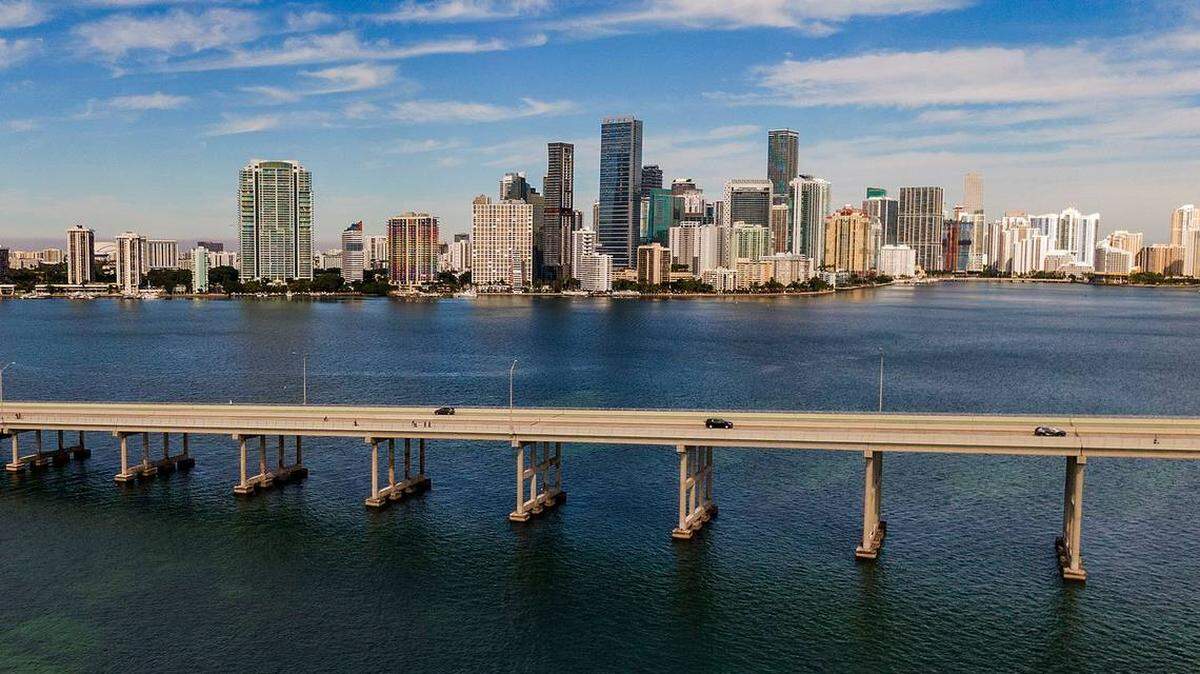
Faced with a privatization plan for the Rickenbacker Causeway that Key Biscayne leaders oppose, Miami-Dade Mayor Daniella Levine Cava on Friday floated two options that both could mean significant delays for a bidding process slated to end early next year.
In a memo to county commissioners, Levine Cava presented two options for the next steps on a bidding process to find a for-profit developer to rehab the four-mile causeway between Miami and Key Biscayne and collect the tolls for 40 years.
One option was to start fresh and cancel the existing bidding contest currently set to end in March and pursue federal dollars to reduce the amount of toll increases needed to fund the nearly $500 million project. The second option keeps the bidding process underway, but could delay the deadline for years as Miami-Dade pursues potential federal funds to reduce the need for toll increases. Levine Cava has cited the Rickenbacker as one potential beneficiary from the recently passed federal infrastructure bill.
“I look forward to discussing these strategic options in more detail with our community and with the Board,” Levine Cava wrote. She wrote she would hold an online public meeting Dec. 6 to discuss options for the Rickenbacker project.
Her memo doesn’t state that she wants the process delayed, but both of the options forwarded from a county consultant add a requirement to “complete the NEPA process” as part of a search for a Rickenbacker developer.
That’s an acronym for the National Environmental Policy Act, which requires town halls, environmental studies and other analysis required to compete for federal dollars. The “NEPA” process — a central part of the county’s SMART Plan review of transit options that began in 2016 and mostly remains in the planning stages — can take several years.
Mike Davey, mayor of Key Biscayne, said he thinks the memo makes a new bidding process the clear option, since the second option includes so much extra time and discussion.
“My read of it is that the Number One option is to cancel the procurement and restart the process later,” he said. “They’re essentially the same thing. ... One is just cleaner.”
Levine Cava representatives were not available Friday night to discuss timing implications of the two Levine Cava options for the Rickenbacker project, which remains under confidentiality rules for an ongoing county bidding process.
That process began with a March proposal to privatize both the Rickenbacker and the toll system of the Venetian Causeway, which links Miami with Miami Beach. The proposal by a for-profit group led by architect Bernard Zyscovich was based on his “Plan Z” for the Rickenbacker, which includes separate structures for bike lanes and pedestrian overpasses along the bayfront causeway.
After objections from Miami Beach residents, commissioners dropped the Venetian from the plan and invited Zyscovich’s group and other developers to bid for a project modeled after the original proposal. Friday night, the Plan Z group issued a statement praising the “current competitive... process” as one that will bring forth “innovative” proposals for the county.
As protests from Key Biscayne leaders grew that Miami-Dade’s guidelines for proposals didn’t focus enough on island traffic, Levine Cava said she would hire a consultant to review options. The consultant, IMG Rebel Advisory, produced a report that included the two options Levine Cava outlined for commissioners in her Friday memo.
The report was accompanied by a financial analysis by Rebel that studied whether Levine Cava’s original July recommendation to pursue a private developer for the Rickenbacker was the right course of action.
The consultant concluded the option remained the best for Miami-Dade because it would place a for-profit company in the position of absorbing any losses from a decline in toll traffic over the Rickenbacker or cost overruns on construction projects.
The analysis concluded it would be cheaper on paper for Miami-Dade to borrow the $498 million estimated for the project costs and hire a firm to upgrade the causeway, including a replacement of the Bear Cut Bridge. Because private developers want a higher return on cash than Wall Street lenders do, financing costs tend to be higher for privately funded projects.
Rebel concluded Miami-Dade would pay less than 3% to borrow the project costs, while the “average cost of capital” would approach 7% under the private-developer model. A significant portion of that comes from the high return equity investors demand for their money, with Rebel forecasting a 14% return on equity each year, compared to government interest rates of about 3%.
But Rebel estimated the private-developer model would be more valuable for Miami-Dade once risk factors are brought into the equation.
Miami-Dade would be stuck with revenue shortfalls if automobile traffic to Key Biscayne’s popular beaches suddenly fell short of projections. Under the private-developer model, those risks are the winning bidder’s problem. That’s also true with cost overruns for construction, which would be the county’s responsibility if it financed the project instead.
“It is true that public financing can often be secured at a lower cost than private financing,” the consultant wrote. “However, this does not represent an ‘apples to apples’ comparison, as the costs of private financing reflects the costs of additional risks being transferred to a private partner.”
This story was originally published November 19, 2021 at 7:55 PM.