
At Miami airport, COVID relief may bring tenants 6 years of no-bid lease extensions
The COVID-19 pandemic is on track to lock in major shops and restaurants at Miami International Airport for the rest of the decade, with a county commission panel on Wednesday backing no-bid lease extensions stretching into 2030 and beyond.
Commissioners added time to the extensions and rent breaks proposed by Mayor Daniella Levine Cava in a pandemic-relief package for airport tenants that centered on extending living-wage rules across the facility. Retailers currently exempt from those rules, including Duty Free Americas, Newslink and Cafe Versailles, agreed to the higher hourly wage in exchange for extra years on their airport leases.
While airlines objected to the Levine Cava package as too generous to tenants, commissioners at Wednesday’s committee meeting unanimously backed a proposal by Chairman Jose “Pepe” Diaz to have even longer delays before the county opens up the airport locations to other bidders.
Rather than Levine Cava’s three- and four-year lease extensions, Diaz won support for blanket extensions of nearly six years. With the bulk of the existing leases expiring in 2024, the proposal would freeze out competition for many prime airport spaces through 2030.
“We know our airport has suffered dramatically,” Commissioner Eileen Higgins said ahead of the vote advancing the proposal to a final vote before the full commission. She praised the plan as securing better pay for airport workers and helping MIA tenants both recover from pandemic losses and absorb the higher labor costs for a county living wage of about $17 an hour, well above Florida’s minimum hourly wage of $10.
“Finally, finally, finally we’re going to have living wage for all of our residents that work at the airport, so they will have jobs with dignity,” she said. “For some at the airport, it changes the economics.”
Though the Diaz proposal received no votes at the commission’s Council of Policy committee, several commissioners criticized the plan ahead of a final vote before the full board. Because the agreements require waiving county bidding rules, passage needs a two-thirds vote before the commission.
Keon Hardemon, chair of the commission’s Airport and Economic Development Committee, objected to Miami-Dade eliminating the chance to bring in new retailers in the years ahead. “It stagnates us for maybe six to seven years,” he said. “Forget about any changes you want to see.”
MIA tenants include some of the most reliable donors in county politics, including Global Concessions, the company behind Versailles Cuban restaurants and the Duty Free chain, a favorite shopping spot for international travelers.
MIA is predicting a record holiday travel season this year, but with domestic passengers making up an outsized share of the mix compared to pre-pandemic traffic.
Because of longer layovers and different shopping preferences, international fliers tend to spend more than U.S. travelers, cutting into sales even as MIA approaches full recovery in overall traffic. Tenants are pressing county leaders to give them years of extra time at the airport to make up for lost sales during the pandemic.
“Our business was totally devastated,” said Chris Korge, an owner of the Newslink chain of newstands and the national finance chairman for the Democratic National Committee. “Even though the traffic may be up to 90 or 95% [our] sales are still under 50% ... We have gone years without paying loans. We have all of this capital sitting in the airport — what we used to build our stores.”
Miami-Dade waived minimum rent requirements at MIA for the last two years, resulting in about $100 million in rent relief to tenants, according to a county summary. Additional relief under the new deal includes more rent breaks, and a recent Inspector General report estimated long-term revenue reduction of about $17 million a year at an airport with an annual budget topping $900 million. The agreements also require tenants to upgrade their rented airport spaces at no cost to MIA, spending at least $75 per rented square foot on improvements once air traffic returns to 2019 levels in their concourses.
The new proposed relief for MIA tenants and vendors — called “concessionaires” in county agreements — drew criticism from airlines whose passengers rely on the retail spaces for food and drink. In September, a committee representing the carriers said the airport needs improved retail spaces and the proposed “limitations to future concessions procurement creates consternation for the airline partners at MIA.”
A report by the county’s Inspector General released this week urged commissioners to drop a Levine Cava provision lifting long-standing price controls on MIA retailers. The “competitive pricing” rule limits mark-ups on MIA items to between 10% and 15% over what customers pay outside of the airport. Tenants wanted the provision lifted as part of the new living-wage rule.
“This policy not only safeguards the traveling public from having a negative experience at MIA,” the Nov. 9 report reads, it “also protects the thousands of contractors, maintenance workers and public employees ... who must remain on site for meals and beverages.”
Commissioners did approve an amendment by Commissioner Raquel Regalado requiring all newsstands and restaurants past security checkpoints to open at least during peak hours by Feb. 15. The Levine Cava proposal allows locations to remain closed until airport traffic returns to 2019 levels for three months straight.
“I think it’s great we got the living wage done,” she said. “It’s not the only thing we have to deal with at MIA.”
Like Levine Cava’s original proposal, the Diaz plan provides extensions in two parts. The first amounts to a credit for the 22 months since emergency pandemic measures began in March 2020, and runs through the end of 2021. On top of that, tenants would get flat four-year extensions. Tenants with month-to-month leases would automatically qualify for four-year agreements.
Levine Cava had proposed one- and two-year extensions for tenants with leases expiring by the fall of 2025, plus the 22-month credits. For month-to-month tenants, she proposed four-year extensions that would have expired at the start of 2026.
The Diaz proposal grants Levine Cava’s four-year extension to all tenants, no matter their expiration dates. The blanket extensions were a main request of tenants addressing commissioners Wednesday.
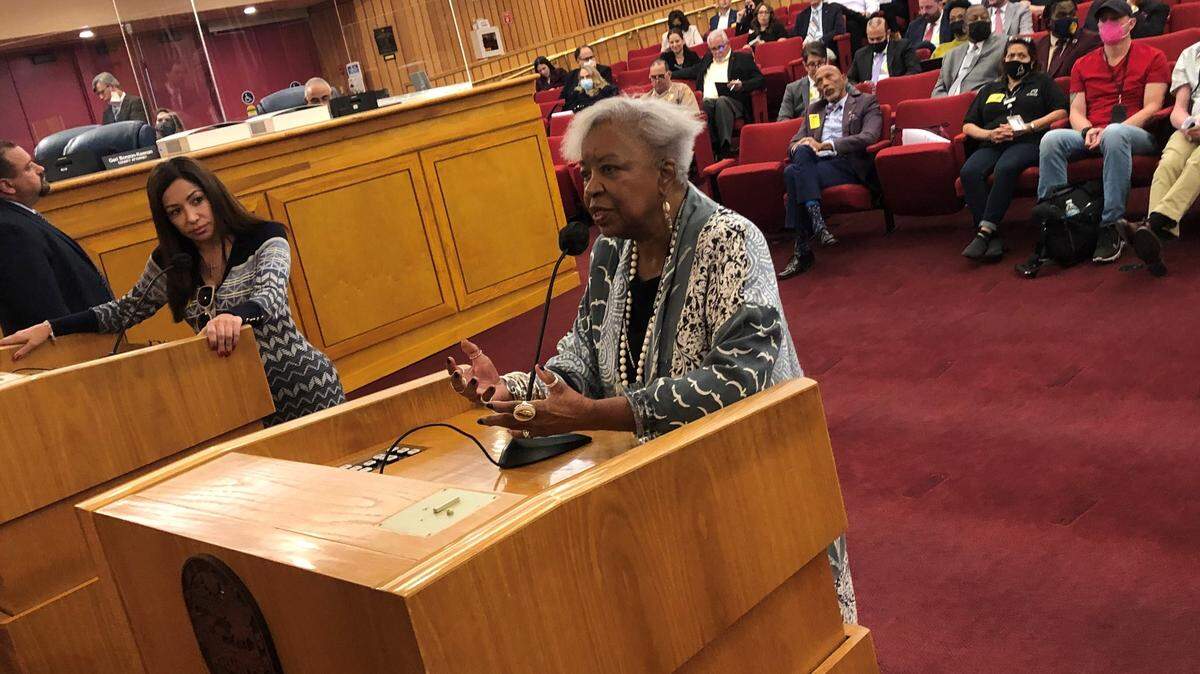
“We are all in the same situation,” said Carole Ann Taylor, owner of the Miami To Go souvenir stores at MIA. “We all need to get the same amount of time.”
This story was originally published November 11, 2021 at 6:00 AM.