
At Miami airport, a deal for higher prices, higher wages and lease extensions
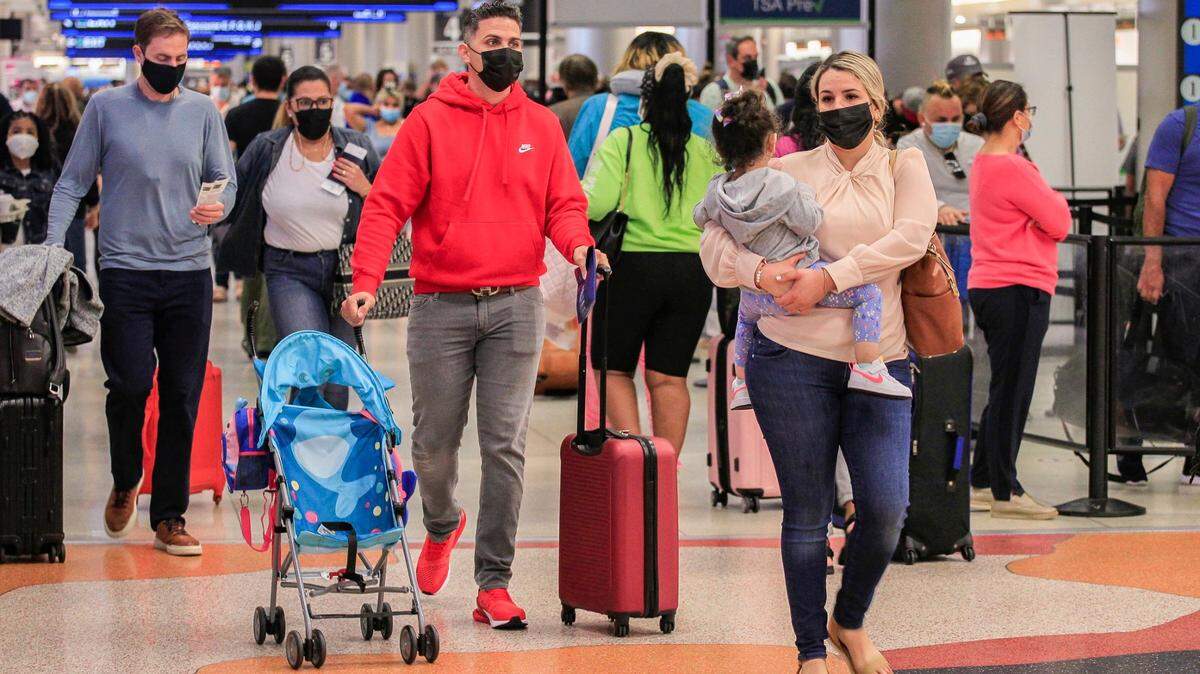
As Miami International Airport prepares for a record holiday travel season, Miami-Dade’s mayor wants a final round of COVID-19 breaks for the shops and restaurants that rent space at the county-owned facility.
The package of new concessionaire agreements at MIA proposed by Mayor Daniella Levine Cava would hasten the arrival of living-wage requirements for existing airport tenants — pay boosts backed by unions that supported her 2020 mayoral campaign.
In exchange, MIA would grant major tenants such as Newslink and Duty Free Americas no-bid extensions on their MIA leases until no later than 2026, lift anti-gouging price controls and allow some retail spaces to remain closed until departures hit pre-pandemic levels.
The proposal has significant political backing — with Levine Cava’s administration negotiating the agreement, and the county commission’s most powerful member, Chairman Jose “Pepe” Diaz, sponsoring the legislation needed to implement the agreement.
Diaz diverted the proposal from the commission’s Airports and Economic Development Committee, and instead scheduled a hearing before his own committee, the Chairman’s Council of Policy, Wednesday at 3 p.m.
Supporters of the proposal call it a reasonable effort to help the recovery of county tenants that saw their business all but evaporate during the tourism depression brought on by the start of the COVID-19 pandemic emergency measures in March 2020.
“It gives them additional time to recover from the hit they took,” said Ralph Cutié, the county’s director of the Aviation Department, which makes him director of MIA as well. “The idea was to provide them relief to get them back on their feet and working again.”
Criticism centers on the negatives for MIA passengers, including a county green light for higher prices in the captive market of an airport and no-bid extensions that prevent competitors from pitching better services and amenities for the MIA locations.
In September, a group representing American and other airlines at MIA wrote Diaz and Levine Cava raising concerns about what the proposed concessionaire agreement would mean for passengers and for airport revenues if retailers remained closed throughout the terminals.
Airport “customers are facing significant lines and limited availability of basic goods and services,” wrote Sandra Cisneros, a representative of MIA’s Airline Liason Office, which represents carriers. “These terms as currently drafted provide no incentive to reopen, restore or enhance service levels for MIA’s customers.”
When September started, about 30% of all MIA stores and restaurants remained closed.
The proposal allows some airport tenants to remain closed until overall MIA traffic returns to levels reached in 2019 for three straight months. The reopening requirements are based on traffic in the terminal where the retail location is located.
Through August, MIA’s total passenger count was down 7%, with a gap of about 135,000 passengers per month.
The agreement also provides temporary rent relief for MIA concessionaires based on passenger traffic, and permanently ends minimum rent payments that were waived during the pandemic. In exchange, tenants also must cover the costs to refresh their rented airport spaces.
Airlines predict a record holiday season at MIA to close out 2021, with tickets sold expected to exceed 2019 levels, MIA spokesperson Greg Chin said.
Unions representing workers at MIA have pressed concessionaires to reopen and rehire their members. Labor leaders also tout the concession agreements as a way to immediately lift earnings for existing workers, since the deals would essentially end existing exemptions for the county’s 2018 expansion of living-wage rules to MIA tenants.
Those rules exempted existing lease holders until county commissioners adopted new agreements or extensions. Under the concessionaire proposal up for a committee vote Wednesday, tenants covered by the relief would also be subject to the county’s living-wage requirements, which set a floor on pay about $4 to $6 higher than Florida’s minimum hourly wage of $10.
Wendi Walsh, a vice president at the Unite Here union, said waiting for lease renewals and extensions would at least take several years, but could go longer as month-to-month tenants keep their spaces at MIA without competition.
“This certainly moves the timeline up,” she said of living-wage requirements spreading across the airport. “And now is the time workers desperately need higher wages.”
Cutié said concessionaires asked for leeway in raising prices as part of the move toward higher wages. Already, MIA tenants are having trouble filling jobs at existing pay levels, Cutié said, and requested Miami-Dade lift its cap on how much retailers can charge airport customers.
Current agreements contain “competitive pricing” clauses that allow retailers to charge between 10% and 15% over what retailers charge outside of MIA for the same products. The new agreements would drop that restriction, allowing MIA retailers to charge what they want to travelers with no other options as they await flights.
Cutié said he didn’t think lifting the rule would mean gouging for passengers, since MIA retailers would still need to compete among themselves for sales.
“They can only raise their prices so much,” he said. “Otherwise, they’re going to price themselves out of the market.”
This article was updated to correct the difference between 2021 and 2019 passenger volumes at Miami International Airport.
This story was originally published November 9, 2021 at 6:58 PM.