
Miami-Dade approves Better Bus Network. New routes, schedules coming in 2022
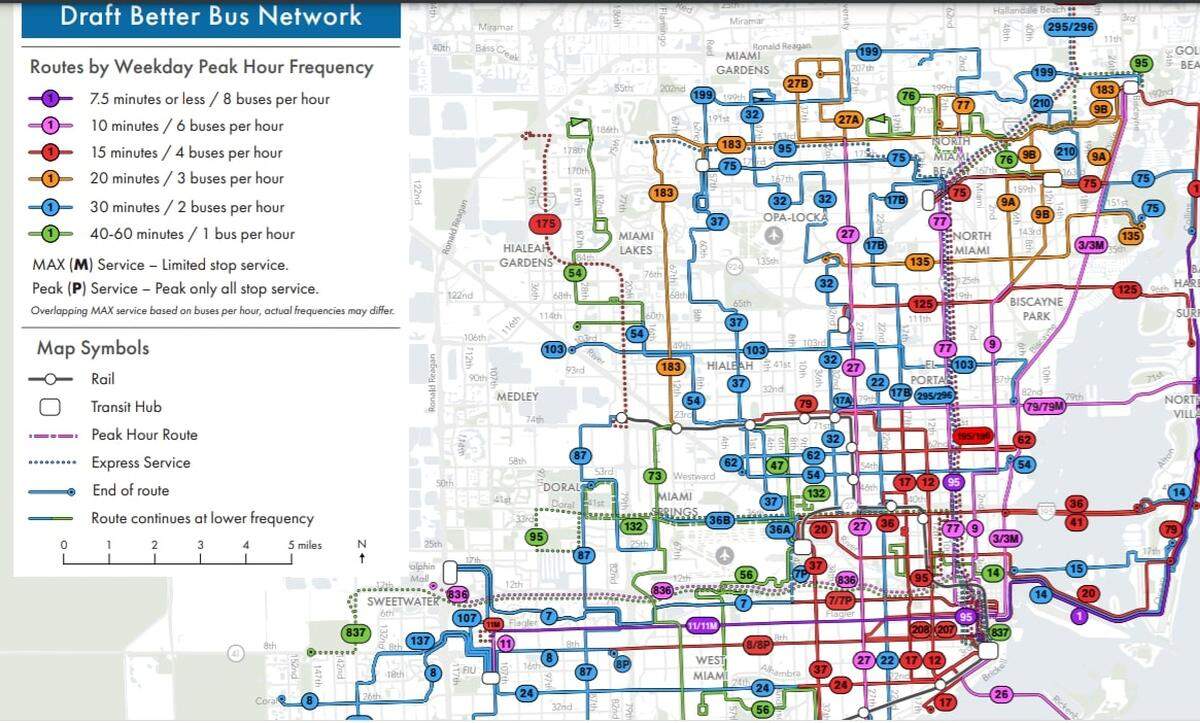
The most extensive reworking of Miami-Dade County’s bus system since the 1980s won final approval Tuesday by county commissioners with passage of the Better Bus Network, which increases bus arrivals on popular routes, eliminates less utilized bus lines and cuts nearly a third of the county’s 8,000 bus stops.
By a unanimous vote, the commission approved the redesign, costing an extra $28 million a year. When the change kicks in next year, more buses will run on a streamlined number of routes and wait times could be cut in half or more for some of the most popular bus lines.
Routes that previously required passengers to wait 30 minutes for a bus would shift to buses arriving every 15 minutes throughout the day, creating the kind of frequency advocates say can convince drivers to try transit commutes.
“This is a once-in-a-lifetime opportunity to convince people to ride the bus,” said Commissioner Eileen Higgins, sponsor of the Better Bus legislation.
The effort launched in 2018 as a campaign by Transit Alliance Miami, a grass-roots advocacy group that held meetings across the county on what improvements they want and what sacrifices they would support.
The group and its consultant, Jarrett Walker and Associates, ultimately proposed a plan to end some low-demand routes and shift buses to more popular ones that travel longer distances.
The plan also streamlines routes, ending some overlaps where multiple bus lines serve the same stops. The plan requires more walking by passengers by eliminating more than 2,500 bus stops — with the average space between them growing from three to five blocks.
The COVID-19 pandemic wound up making the politics simpler in passing the Better Bus plan, since Miami-Dade County’s transit department is flush with federal dollars after an infusion of more than $500 million in federal pandemic transportation aid.
While Better Bus was launched in 2018 as a cost-neutral effort, that strategy required too many route cuts to be viable on the 13-member commission. Even the original $20 million cost wasn’t workable, with Higgins announcing $7 million in restored cuts Monday afternoon.
Higgins continued to make changes Tuesday. She announced she was restoring a cut route — the “El Rapido” circulator in Westchester — after a demand from the commissioner whose district includes that bus line, Javier Souto. The added route has a cost of more than $600,000 a year.
“My concern is the ballooning cost,” said Commissioner Danielle Cohen Higgins, who also voted for the plan.
On Wednesday, Mayor Daniella Levine Cava said the higher costs are crucial to the plan’s success, since there wasn’t room on enough lower-demand routes to cut service to pay for expansion on the main routes. “There would be some people left behind. That would not be acceptable,” she said at a Tropical Park event promoting the availability of Pfizer booster shots for people 65 and over and adults in other eligibility categories. “The additional dollars are really critical.”
A former county commissioner, Levine Cava said she sponsored the Transit Alliance’s first presentation before the board about a potential bus redesign. As mayor, she secured passage of a 2022 budget with $20 million extra for the Better Bus Network. “This is my greatest triumph,” she said.
Transit administrators said the full $28 million cost won’t be reached until 2023, since the budget year that began Oct. 1 will only see about six months with the Better Bus redesign in place.
Souto’s resurrection of the “El Rapido” route in the Better Bus plan didn’t save other circulators in Brownsville, Biscayne Gardens, Overtown and Sweetwater. Other bus routes would still be running nearby stops served by those routes.
Other cuts involved partial reductions of routes, including dropping a Coral Way segment on the No. 8 bus route near the Florida Turnpike Extension. “I lost service, I lost frequency — because the suburbs don’t matter,” Commissioner Joe Martinez said. Even so, he voted for the legislation.
Before the week began, about 30 routes were proposed to be cut out of the nearly 100 operated by Miami-Dade’s Transportation and Public Works Department. Five were saved in the changes announced Monday and Tuesday.
The plan approved Tuesday is expected to take effect between April and June of 2022 after a marketing campaign by the Transportation Department notifying riders of pending changes. Commissioners have the authority to restore cut routes and stops at any time, allowing Miami-Dade to address flare-ups once service reductions are promoted.
The bus system is the most used transit option in Miami-Dade, with about 50 million trips in 2019, compared to 45 million passengers going through Miami International Airport during the last full year before the COVID-19 pandemic began.
While the current system concentrates the fastest service on the eastern side of Miami-Dade, with routes funneling into Miami, the Better Bus system extends that frequency to more routes traveling western and southern routes, too.
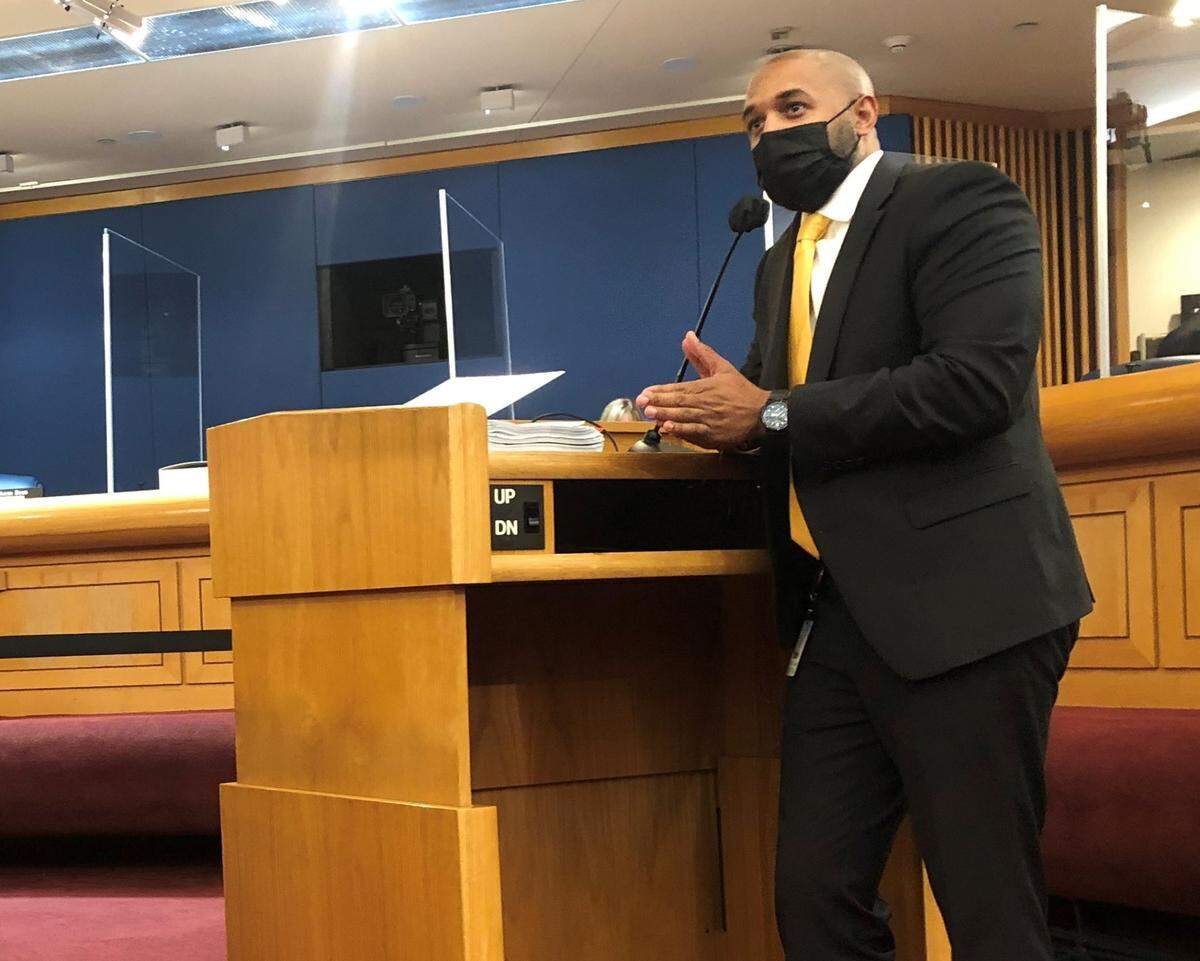
“We will have an increase in ridership from these changes,” said Eulois Cleckley, director of Transportation and Public Works. “Fundamentally, we are reducing wait times. We are increasing the number of buses on our bus routes. When you go from 30-minutes frequency, to 15-minutes frequency, it’s significant.”
This story was originally published October 5, 2021 at 8:49 PM.