
Proposed increase in water fees sets up Miami-Dade mayor’s first budget fight
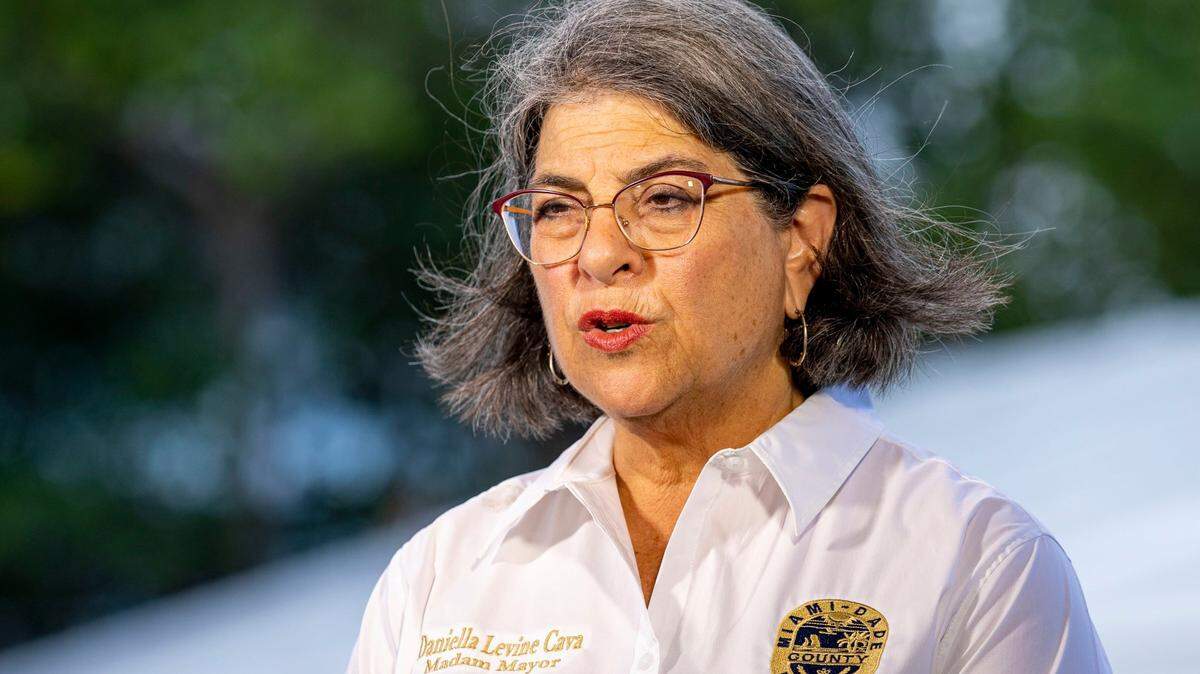
Federal COVID dollars sent a gusher of new money into Miami-Dade County’s proposed budget for 2022, but water rates remain a source of tension between a new mayor and county commission.
Mayor Daniella Levine Cava saw her debut budget legislation briefly derailed on Sept. 14 when commissioners initially voted down the portion raising water-and-sewer rates by about 3.7%. A revote after midnight went Levine Cava’s way, but final approval is needed during Tuesday’s 5 p.m. budget hearing to enact the higher rates when the county’s 2022 fiscal year begins Oct. 1.
A Sept. 21 memo from the mayor includes dozens of last-minute changes to the $9 billion spending proposal she introduced in July, which has flat rates for county property taxes funding government operations and a 6% increase for one that pays for voter-authorized borrowing.
On the list of new spending items in Levine Cava’s September memo on budget changes: $10 million for the Mental Health Diversion facility being built on Northwest Seventh Avenue as an incarceration alternative for the court system; $5 million for job training in “emerging technology” occupations; and $1 million to compost sargassum and fund other disposal alternatives for seaweed that’s currently sent to landfills.
The proposed budget changes also include an acceleration of bringing electrical hook-ups for cruiseships at Port Miami, a $121 million initiative launched after a Miami Herald story revealed inaction on reducing pollution through shore power. Instead of spending just $4 million on the project next year, the Levine Cava budget now has $55 million for shore power in 2022.
The proposal also has $1.6 million for WiFi access in county recreational areas — $800,000 for the new Underline walking and biking trail under parts of the Metrorail tracks, and $800,000 to be split among parks across the county.
With the Underline getting $800,000, the proponent of a similar recreational path known as Ludlam Trail is objecting to the allocation gap. The Levine Cava budget has $500,000 for Ludlam, a former railroad track running north from the Dadeland Mall.
“I don’t want to be mad for the final budget hearing,” Commissioner Rebeca Sosa, the Ludlam sponsor on the board, said at a budget meeting with Levine Cava and commissioners last week. “This makes me mad.”
Levine Cava can make changes to her budget proposal until the start of the final public hearing on the spending plan, which begins at 5 p.m. Tuesday at the Stephen P. Clark Center. A majority of commissioners can also alter the budget before approval.
With $480 million from the American Rescue Plan legislation plugged into Miami-Dade’s budget spending through 2023, Levine Cava’s first budget proposal mostly avoided controversy during an initial budget hearing.
Fees for water and sewer service caused the only disruption in the approval process ahead of preliminary votes after the Sept. 14 hearing. Part of the objection came from the county’s 18-month moratorium on cutting off water service for overdue bills during the COVID-19 pandemic. Commissioners questioned why some customers were allowed to leave water bills unpaid without consequence while others would face higher rates.
In response, Levine Cava’s water director, Roy Coley, outlined a plan at the Sept. 23 budget meeting to shift delinquent accounts to 18-month installment plans that would trigger service cut-offs if bills went unpaid. “No one will get their water cut off as long as they make their minimum payment,” he said. The plan requires commission approval.
With Miami-Dade facing nearly $3 billion in court-ordered and state-mandated updates to its sewer system by 2028, the county has been steadily raising rates for several years and projections show higher rates are needed in 2023, too.
The vote to raise those fees has been tight before, and Levine Cava in 2020 provided the vote needed to advance them out of the first budget hearing before she won the mayoral election as a sitting county commissioner.
This time, six of the 13 commission seats are filled with new board members, forcing Levine Cava to assemble a new coalition for higher rates. At the recent meeting, Coley said Miami-Dade would scratch neighborhood water and sewer projects and impose lay-offs without the higher rates, with existing dollars used to stay on track with required upgrades.
Commissioner René Garcia, a top critic of the water-rate budget, said he was surprised the administration didn’t come back with a plan to at least reduce the proposed rate increase. “What we got back is an all-or-nothing scenario,” he said.
Oliver Gilbert, vice chairman of the commission, was one of four board members to vote for the fee increases during the initial vote on Sept. 14. On Friday, he urged commissioners to let rates increase this year in part to avoid even steeper hikes in 2023.
“I understand that no one wants to raise rates,” Gilbert said. “But the truth is sometimes the system requires it... The question is whether we spread it out, or we compact it.”
This story was originally published September 27, 2021 at 7:48 PM.