Allapattah residents were asked how public land should be used. Here’s what they said
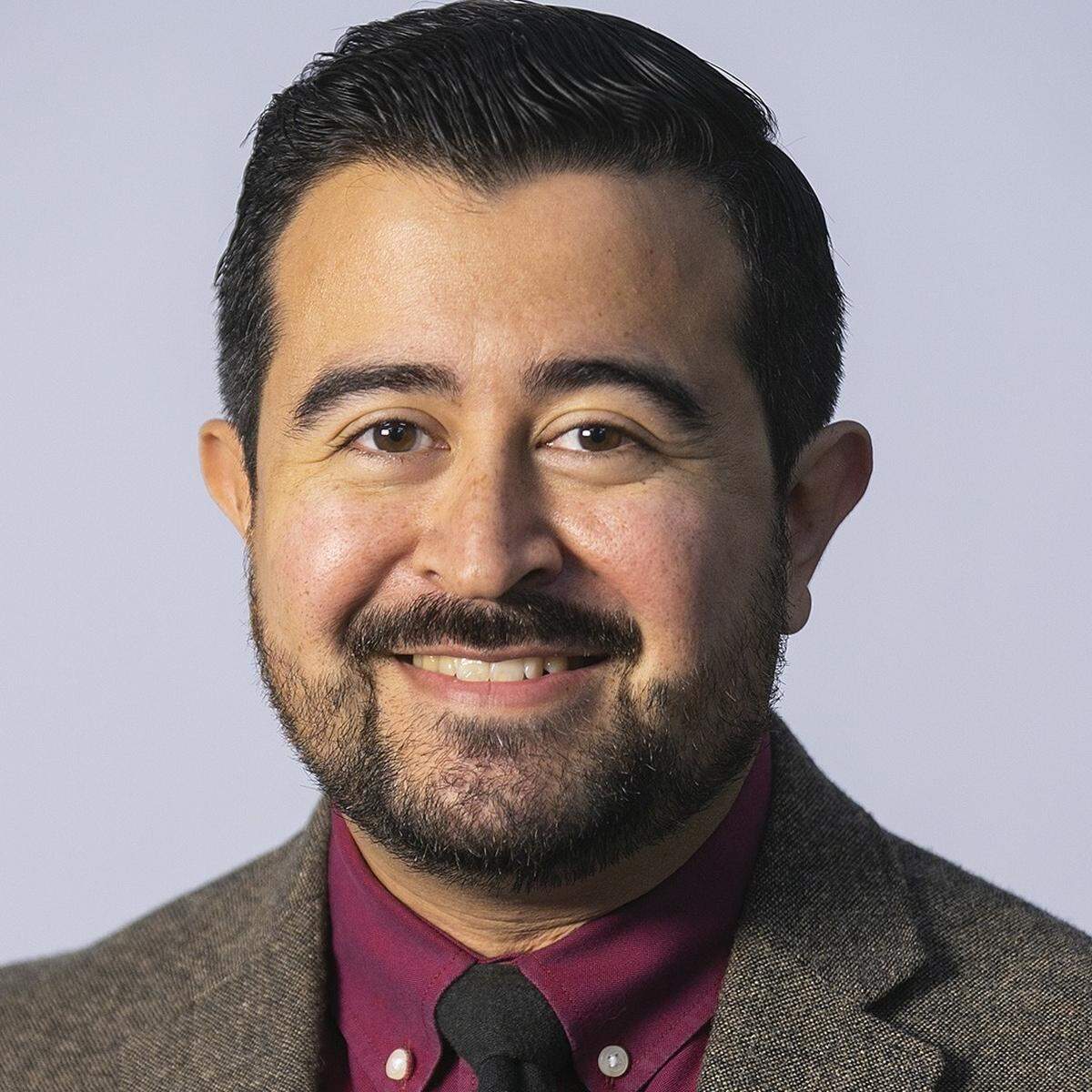
Julio Diaz has sold clothing for 16 years to youths in Allapattah, a neighborhood that is changing amid a wave of redevelopment.
From his view behind the counter at The Sixth Borough Clothing — a short drive from where the city of Miami intends to redevelop 18 acres with a private developer — he sees young people who could benefit from a relationship with a mentor and more after-school programming. He and other residents and proprietors recently told community activists that if the city of Miami wants to build on publicly owned land, government administrators should consider a community center or other recreational spaces, in addition to the the ever-present need for affordable housing.
“Kids need to have someone to look up to like a karate instructor, a basketball coach or a day camp manager,” Diaz told the Miami Herald this week. “I think we need programs for the kids.”
The city of Miami intends to solicit proposals for redevelopment of a large swath it owns at Northwest 20th Street and 14th Avenue, next to the Miami VA Healthcare System. The details of how the city would make a deal with the private sector are unclear because it is very early in the process.
But with a chunk of the community possibly up for grabs at some point in the near future, a coalition of community groups called Public Land for Public Good surveyed residents and business owners in Allapattah from January through July to ask them what the community needs. Activists hope the work sets a new precedent for involving people and neighborhoods early on as the city contemplates land deals.
The results of the survey were published this week. More than 100 people provided feedback through virtual and in-person town halls, along with online and detailed in-person surveys. The group produced a 13-page analysis of the survey results for the city to review.
A common answer from locals: Allapattah needs more affordable housing that caters to the population that has lived there for years, including immigrants and working class residents from Caribbean and Central American countries. The report notes that rents are on the rise, and Miami-Dade County needs to preserve affordable homes for 210,000 households by 2030. People surveyed believe the Allapattah lot could help ease the pressure.
Many people also said any development of public land should include shared public spaces. Among the ideas shared: a garden, a community center for kid’s programming, a locally run art gallery, an amphitheater or a skatepark. The report notes that public spaces with community programs and affordable housing are top priorities for people in Allapattah, and they want to stay involved as the city seeks proposals for redeveloping public land.
“Because many respondents expressed eagerness to be engaged further in the [city] lot’s redevelopment, we also recommend that community members are invited to participate in the selection process and to offer feedback on final plans for the lot,” reads the report.
The property currently houses the city’s public works yard and vehicle maintenance operation. But before the city requests proposals from developers — who have already shown interest in the large plot of land located near Miami’s health district — the Public Land for Public Good coalition formed to get involved in the early stages.
The group, led by nonprofit Miami Homes for All, began meeting with Mayor Francis Suarez and senior administrators before the pandemic to demand a robust public input process so the city can tailor its solicitation to neighborhood needs. The group of more than 30 organizations collaborated in the outreach effort, fueled by a grant from the Health Foundation of South Florida and additional assistance from the city of Miami and The Miami Foundation.
“Our main goal is to empower the community to see the power that they have, and for them to see that when we work together, we have an impact,” said Mileyka Burgo-Flores, executive director of one of the coalition’s groups, the Allapattah Collaborative Community Development Corporation.
Diaz, 44, said he thinks creating these spaces with community programs, along with affordable housing, will naturally reduce crime and improve the quality of life for residents.
“I’ve seen so many talented young people and their talent goes to waste because they don’t have a mentor,” he said.
Annie Lord, executive director of Miami Homes for All, said she hopes the focus on community input from the outset of plans becomes a standard for local governments. The coalition is also recommending the city create guidelines to evaluate proposals to developing city-owned land — including measuring the impact proposed projects have on the availability of affordable housing, the potential displacement of existing residents, and the risks posed to neighborhoods by sea level rise and climate change. Also recommended: real community involvement, from start to finish.
“Token community engagement is really not going to cut it,” Lord said in an interview last week.
Lord said such policies will aid developers because knowing what the community wants — and what will curtail staunch opposition when it comes time for votes to be cast at City Hall — will prevent surprises as projects move forward.
“Developers want less uncertainty,” she said. “They want less risk.”
Administrators and city commissioners are expected to review the findings as officials prepare to request proposals from the development community in the future.
Read the full document with policy recommendations from Public Land for Public Good:
This story was originally published August 11, 2021 at 6:05 PM.