Will Miami have to lock down again? Mayor, business owners to talk as COVID surges
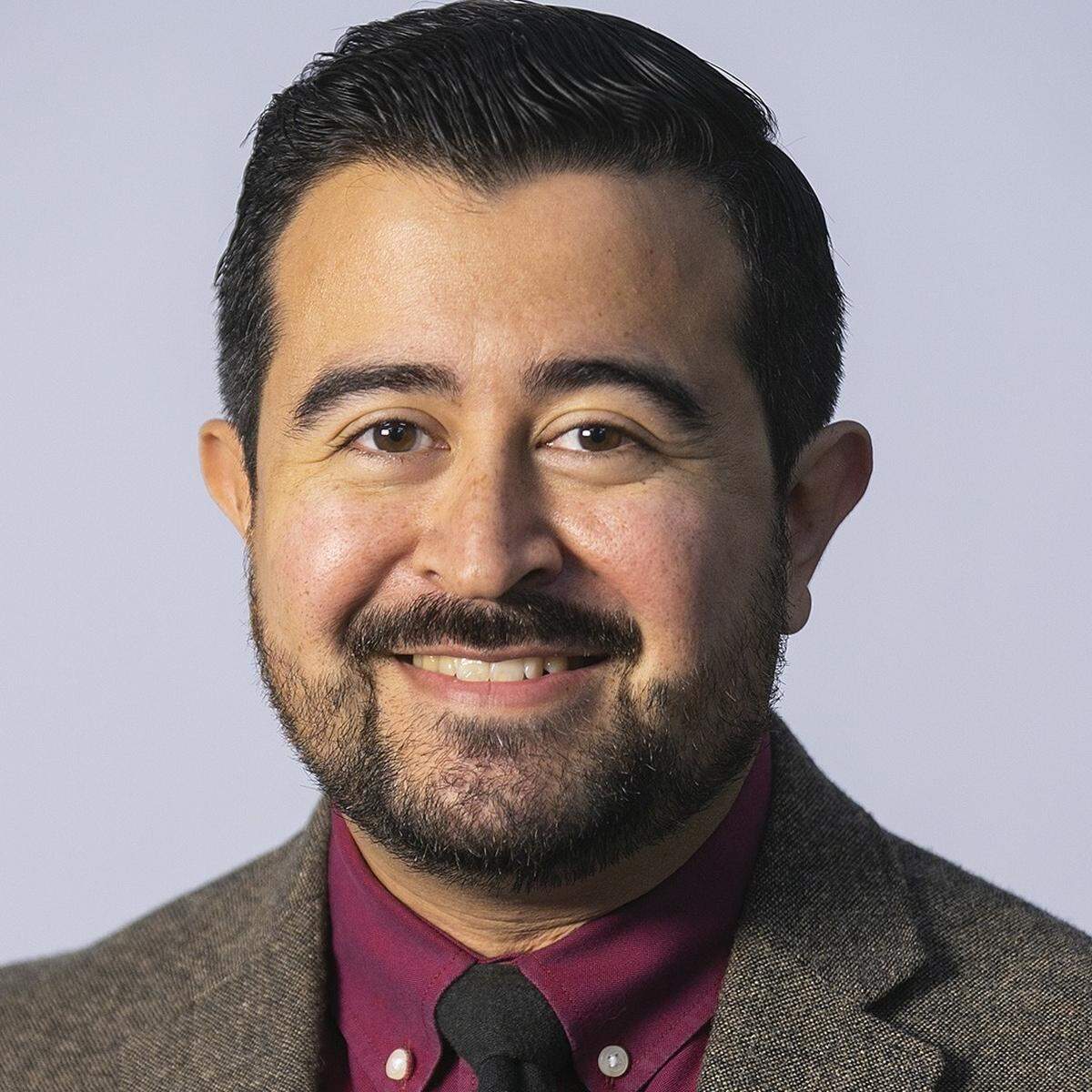
Miami Mayor Francis Suarez on Thursday announced he plans to meet with about 25 business leaders to discuss “the possibility of a future lockdown” if the spread of COVID-19 is not dramatically reduced in the next few weeks.
“I think it’s important we communicate with the business community before making any decisions, and I want to get their sentiments. I want to listen to them,” Suarez said. “I want to hear what they have to say, but I also want to stress to them the severity, the seriousness that we find ourselves in.”
The mayor signaled that a lockdown could be seriously considered if in the next few weeks the surge of positive cases and hospitalizations is not tamped down, and especially if hospitals become further strained from the influx of patients. In the last seven days, Miami-Dade County has added 19,464 new COVID-19 positive tests to its tally, 26% of all confirmed cases since March.
Suarez declined to share the list of potential participants for Friday’s 11 a.m. conference call. He said he wanted to confirm who will attend first.
With the mayor of Miami-Dade’s largest city raising the possibility of a crackdown within municipal limits, the county’s mayor continued to complain about local leaders not speaking with “one voice.” He told county commissioners he was not preparing to impose more restrictions on residents or businesses beyond what’s been enacted this month — steps that include a 10 p.m. nightly curfew, and the closure of casinos and restaurant dining rooms.
“It’s a serious situation,” Gimenez said. “But I’m not going to be one who says it’s time to panic.”
He said he wanted to see how the COVID metrics move over the next several days or so to see if the July measures start to reverse the current alarming trend.
Commissioners passed a change in county law allowing civil penalties for existing COVID rules, meaning police as well as code-enforcement inspectors can issue $100 tickets to people not wearing masks or obeying other county COVID orders. Before the change, criminal charges were the only option for COVID, a step police are only known to have taken once. Gimenez said the public should expect a new wave of COVID enforcement throughout the county.
“Our people are going to go everywhere,” he said. “People are going to start getting citations.”
Gimenez is under pressure to impose harsher restrictions on the public and commerce, including a return to the closure of non-essential businesses he imposed in March and lifted in May. At the meeting, a top adviser to Gimenez on COVID, Dr. Aileen Marty of Florida International University, wanted urgent action.
“We have to get a lid on this right away,” she said. Later, she told the Miami Herald: “It’s time to shut down...but this time we need more things in place [testing turnaround time, timely and proper contact tracing, community buy-in] before we reopen,” she said in a text message.
The message ticked off three main handicaps to Miami-Dade’s current COVID approach: Swamped testing centers taking a week or longer to deliver people results, leaving them blind for days as to whether they’re carrying the virus. A state contact-tracing operation with hundreds of investigators trying to track down people who have encountered others with a virus now infecting more than 2,000 people a day. And the perception that a countywide mandate on masks in public places isn’t being followed to the degree needed to reduce spread.
“Unfortunately... young people did not comply with the rules. They spread it to their parents and grandparents,” Gimenez said, though the county has not produced any data from Florida detailing the source of COVID spread, except for concentrations of cases in low-income neighborhoods. “Had we all followed the rules, we could have contained this virus.”
If Miami gets more aggressive than Miami-Dade on closure rules, it would mean new restrictions in a city with the county’s largest office district and restaurant market.
The Miami mayor would only have the power to suggest his city manager, Art Noriega, sign an emergency order that applies within Miami city limits. Such an order, Suarez said, would probably resemble the shelter-in-place order that closed non-essential businesses across the city in March. He said the city is not prepared to issue such an order yet, but he wants to start talking to businesses so they are not blindsided with a measure that could become necessary within a month.
“I want to avoid a shutdown. I want to make that clear,” Suarez said.
Suarez echoed other local elected officials, including Gimenez, in saying that while they don’t want to shutter businesses again, every option will be considered if the situation does not improve. Suarez also said he would prefer that any widespread closures be implemented across Miami-Dade’s cities at the same time.
“To the greatest extent possible that should be the objective,” Suarez said. “There may come a moment where somebody feels more compelled than the other to act, and that could happen, but I would prefer that not happen. The objective is to make a decision together.”
If there is disagreement over whether Miami-Dade should again close retail establishments, gyms, offices and other non-essential businesses, it would be underscored by the lack of a reversal plan — local governments developed phases to move between levels of a partially reopened economy, but they did not set a threshold for moving back into a lockdown.
At a Tuesday discussion with Gov. Ron DeSantis, multiple mayors called for a more unified response to the pandemic that includes moving away from the piecemeal approach to closures, curfews and other restrictions. During the conversation, Carlos Migoya, CEO of the county’s Jackson hospital system, said the spread of the coronavirus could overwhelm available hospital staff over the next several weeks. He pleaded for cities to enforce existing mask mandates and capacity limits in businesses, and he said more contract tracers are needed, echoing requests from multiple mayors.
As Suarez addressed reporters Thursday morning, the Florida Department of Health confirmed 13,965 new cases of COVID-19, the second highest single-day total recorded in the state since the pandemic began. The health department also announced 156 deaths, the most reported in a 24-hour period, though the figure does not necessarily mean that all of the people died in the past day.
At Thursday morning’s press conference, Suarez said he and Gimenez are working to change the procedure for filling county-rented hotel rooms with people who should go into isolation. The state health department currently handles booking rooms for people as they leave the hospital.
Right now, the county’s share of hotel rooms are vastly under capacity, with Miami-Dade at one point only housing fewer than a dozen people for isolation purposes. Suarez suggested using the county 311 system to allow people who are showing symptoms and awaiting COVID-19 test results to temporarily isolate instead of going home and possibly infecting their households.
Late Thursday, Gimenez’s office released an announcement that Florida was making 400 new hotel rooms available for isolating people who test positive for COVID.
This story was originally published July 16, 2020 at 1:06 PM.