
Miami orders residents to stay home for COVID-19, but shopping and exercise are OK
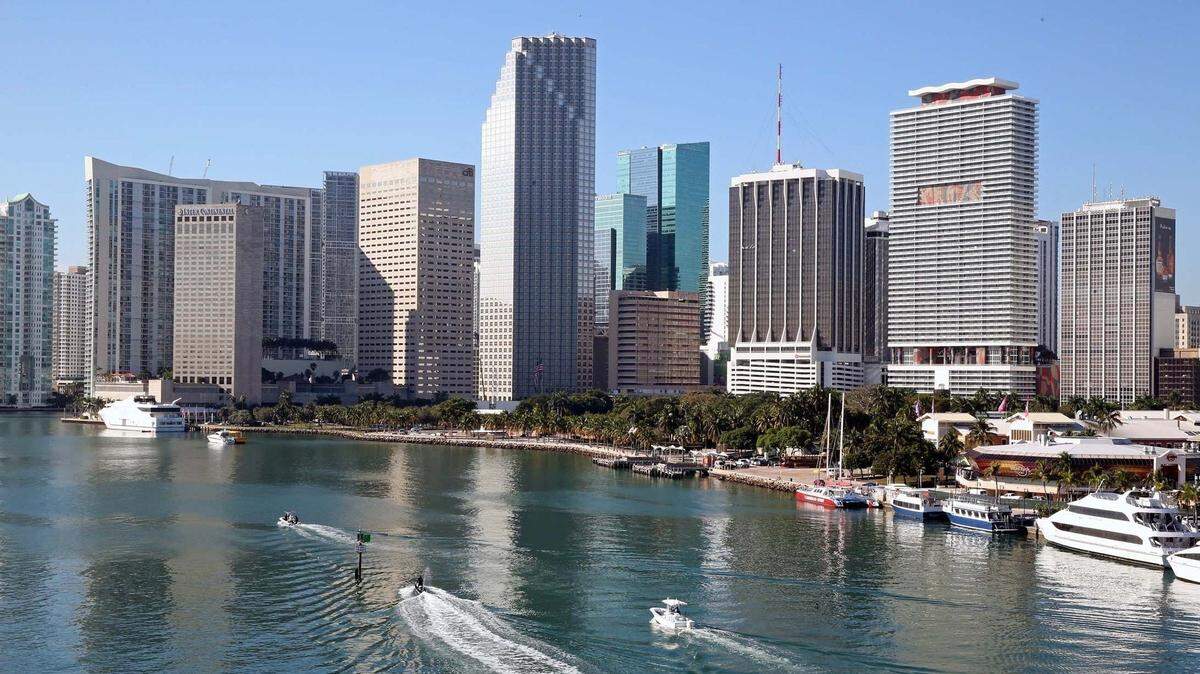
Miami’s top administrator on Tuesday issued an emergency order instructing more than 460,000 residents to remain in their homes except when shopping, exercising and taking other trips to jobs and other places already exempted from widespread closure orders from the coronavirus crisis.
“Hopefully people will get the message to stay home,” Miami Mayor Francis Suarez said in a video message Tuesday night.
The order from City Manager Art Noriega puts Miami-Dade’s largest city under the kind of “shelter-in-place” order that Florida Democrats want from Gov. Ron DeSantis. It also escalates a conflict between Suarez and Miami-Dade Mayor Carlos Gimenez, who has dismissed the “shelter-in-place” push as a fight over terminology and not stricter controls on movement.
Noriega’s order allows people to go outside for activities already allowed under prior emergency orders that closed a string of businesses and entertainment options across Miami and throughout Miami-Dade. The order does require residents to stay six feet apart while outdoors.
While beaches, parks, restaurants, bars, salons and many office buildings were ordered closed, businesses that remain open include grocery stores, banks, pharmacies, hardware stores, restaurants offering carry-out and others. The Noriega order, which takes effect at midnight Tuesday, continues to allow visits to those open establishments, and says “residents may engage in outdoor recreational activity” and continue to travel to work for businesses that remain open.
“People who are following the orders that are out there now will not notice a difference in their daily life,” said Commissioner Ken Russell, who posted a video on Facebook telling residents they could still walk their dogs and perform other everyday tasks outdoors. “It’s simply meant to be a tool of enforcement for those who are truly breaking the spirit of the original orders.”
Violating emergency orders can lead to arrest, but Miami said in a Tuesday statement that officers will focus on efforts to “educate and inform” the public about the rules when they’re caught breaking them.
Miami Beach issued its own stay-at-home order on Monday, and other Miami-Dade cities said they plan to make the same moves this week.
At a press conference earlier in the day, Gimenez defended not putting all of Miami-Dade under a shelter-in-place order. He argued his closure orders for businesses, parks, bars and restaurants set up the same limited options for travel now allowed under Miami’s shelter-in-place directive.
“In everything but name, it’s shelter in place,” Gimenez said.
Alex Diaz de la Portilla said he’s hoping Miami will go further. The City Commission plans to meet Wednesday night using teleconferencing under a waiver of state laws requiring elected bodies convene in the same location.
Portilla said he’ll be pushing for a curfew to begin at 10 p.m. Wednesday. “Other than work or a medical emergency, all other needs can be addressed during non-curfew hours,” he said.
This story was originally published March 24, 2020 at 10:48 PM.