Carollo loses court appeal involving recall effort against him. Expect more lawsuits.
The effort to recall Miami Commissioner Joe Carollo scored another legal victory Wednesday when an appeals court ruled the city must submit a batch of petitions to the Miami-Dade County Elections Department.
The city clerk had refused to accept the petitions in March, saying the recall campaign had missed the deadline, so they were never given to the elections department. The recall committee then sued the city to compel the clerk to forward the signatures to the supervisor of elections.
Days before city elected officials entered isolation and the COVID-19 pandemic prompted emergency orders, a Miami-Dade Circuit Court judge ruled the city needed to give a batch of signed petitions to the elections supervisor, whose office verifies the signatures. Wednesday the appellate court upheld that ruling.
On March 2, City Clerk Todd Hannon rejected more than 1,900 recall petitions submitted by the recall committee, Take Back Our City, saying they were not submitted on time.
The deadline was in question partly because it fell on a weekend and the committee turned in the physical petitions the following Monday — the petitions were emailed in over the weekend. There are also questions about the exact date of the deadline, since the committee and city disagree over when the first valid signature was collected, which started the deadline clock ticking.
Arguing before Judge Alan S. Fine on March 10, the city contended that the petitions were late. The judge noted that deadline question was complicated because the state law does not assign the authority of determining the timeliness of a recall petition to any specific public official.
“I wish it weren’t this way,” Fine said at the time. “I wish the statutes gave plenary authority to somebody else to decide this, but they don’t.”
On the narrow issue of what the city should have done with the petitions, Fine ruled the law compelled the city to give them to the county elections department. City Attorney Victoria Méndez and Carollo’s attorney, Benedict Kuehne, immediately appealed to the Third District Court of Appeals.
In an opinion issued Wednesday, a panel of three appellate judges affirmed Fine’s ruling. The judges wrote that the state law does not grant a municipal clerk authority to review a petition for legal sufficiency.
“The language confers no discretion on the clerk to review the recall petition for facial or legal sufficiency,” reads the opinion. “The use of the word ‘shall’ only reinforces that the clerk’s responsibility in this regard is ministerial.”
On Wednesday, Méndez said the appeals court settled a legal procedural question regarding only the city clerk’s authority to refuse to forward a recall petition that is invalid, but the deadline issue will be further litigated.
“The City has a duty to take steps to ensure that a facially deficient recall petition did not proceed for further processing. The Third District Court has now decided that the Clerk does not have the authority to refuse to forward a recall petition, even if it is facially invalid. Now we have settled law,” Méndez said. “The Third District did not, however, determine whether the recall petition at issue was facially valid or timely, which will now be the subject of future litigation.”
Méndez was criticized by the recall committee after it was revealed that she and her staff began researching legal questions about recall elections before the petition drive officially began. City emails showed the city attorney’s team researched the calculation of the deadline for submission of recall petitions and what would happen if someone sued to compel the city to turn over the petitions to the county — which eventually did happen.
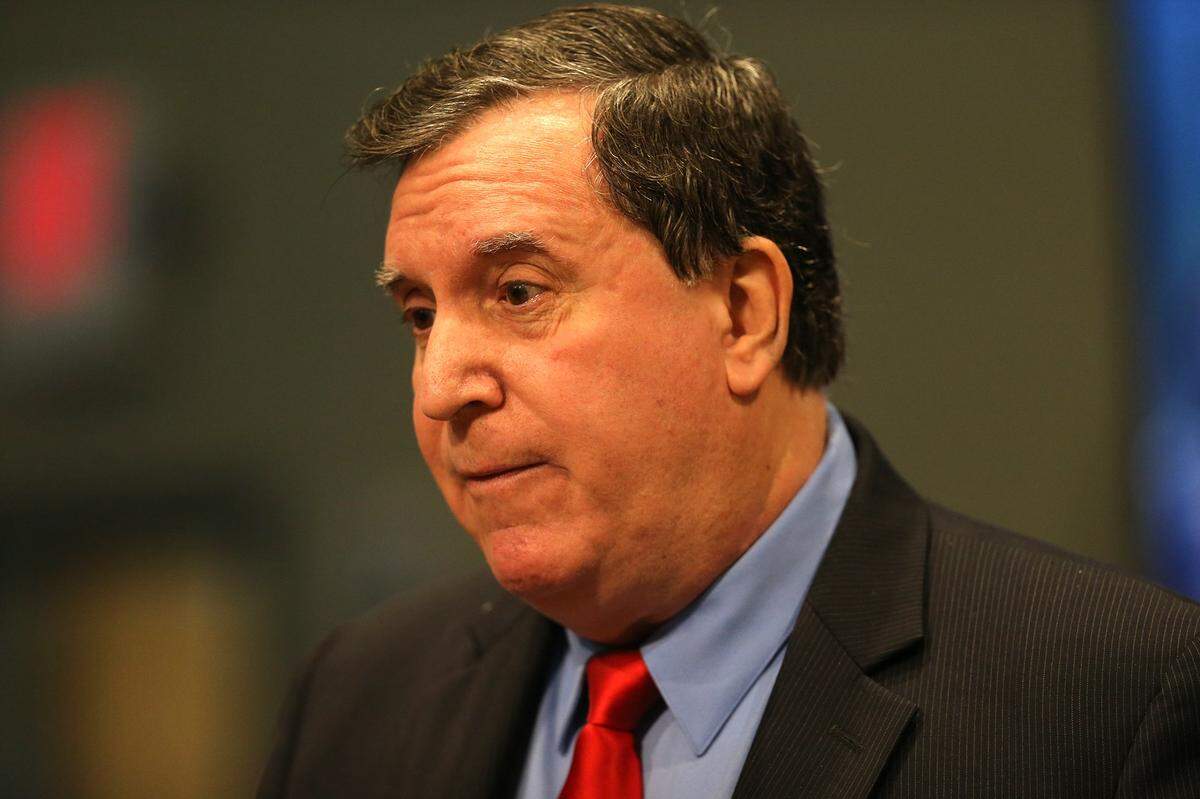
The attorneys representing the recall organizers, J.C. Planas and David Winker, argued Méndez was improperly working to protect Carollo’s interests, spending taxpayer dollars by investing time and staff to interpret laws in ways that would be favorable for the commissioner.
On Wednesday, Planas said the city was merely attempting to use city resources to slow down the recall.
“It has now been ordered by two courts that the City exceeded its authority in making any judgment on these petitions,” Planas said in a statement. “This was an obvious delay tactic to protect Carollo by using City funds.”
Carollo’s attorney, Kuehne, told the Miami Herald the commissioner was disappointed with the appellate decision. Kuehne blasted the recall committee, saying they have “made a mockery of the process,” adding that his legal team could consider an appeal to the Florida Supreme Court.
Read the full opinion below:
This story was originally published May 27, 2020 at 1:32 PM.