Want to make a difference in November? Go vote — but you have to register soon
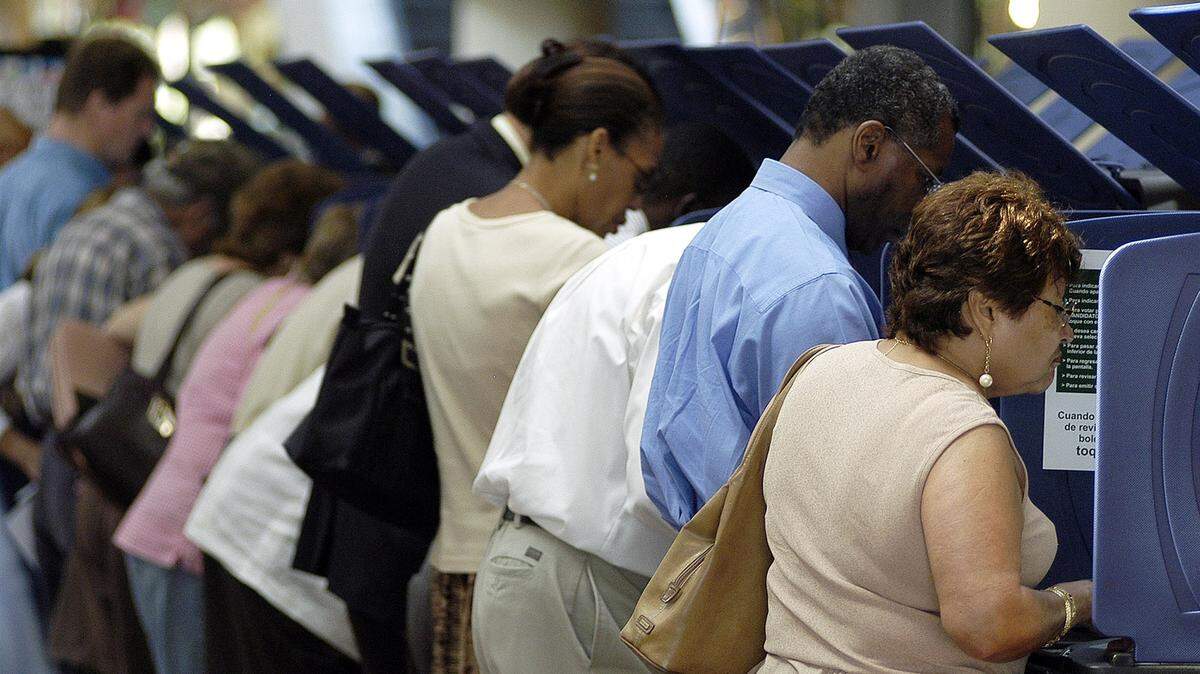
Elections happen more than once every four years when the U.S. selects a president.
They are held often in communities across the country where voters can choose the people who will represent them in the governments that affect their lives the most — city hall, after all, is where elected officials set property tax rates, approve neighborhood-transforming real estate developments and make decisions on how to spend public money.
This fall, voters in four cities in Miami-Dade County will elect representatives and decide ballot questions. In Miami, Hialeah, Miami Beach and Homestead, voters can express their support or displeasure with their local government’s performance by casting a ballot.
But first, residents need to make sure they are properly registered to vote. In order to participate in this year’s election on Nov. 5, voters must register with the Miami-Dade County Elections Department before Oct. 7. Under Florida law, voters need to be registered 29 days before Election Day.
Miami voters in two districts will choose their commissioners. In Hialeah, voters will fill four council seats. Miami Beach voters will weigh candidates for multiple commission seats and a slew of ballot measures, including a question on whether elected commissioners should earn higher compensation. The Homestead City Council has three open seats.
Presidential elections typically draw a high turnout and local elections do not — even though local elected officials hold more power to impact neighborhood-level issues. Politicians who hold these positions wield power in making everyday decisions in local cities, from funding for police officers to road repairs to public parking rates.
“Your local elected officials impact your day-to-day lives more than, say, the president,” said Christina White, Miami-Dade’s supervisor of elections.
Citizens over the age of 18 have the right to vote unless their voting rights have been revoked due to a court deciding they are mentally incapacitated or they have been convicted of a felony and their rights have not been restored. Last year, a voter-approved constitutional amendment called for a change in Florida law that would reform a notoriously strict process for people convicted of felonies to apply to have their rights restored. The amendment aimed to ease the process for disenfranchised people to participate in elections.
Earlier this year, Gov. Ron DeSantis signed a controversial law that tied the restored right to vote to the payment of old fines stemming from felony convictions. In July, Miami-Dade County officials announced a plan that would allow judges to set aside financial penalties and create a fast track for ex-felons to participate in elections.
Eligible residents can register to vote through the Miami-Dade County Elections Department by registering online or by mailing a form to the elections department.
If you’ve moved since you last voted, you’ll want to update your address with the elections department. You can check your registration status at the county elections website. In Miami’s election, a voter’s home address matters because the city’s elected commissioners represent districts. Two districts have contested races — District 1, which includes Allapattah and Grapeland Heights, and District 2, which stretches from Coconut Grove up the city’s coast to Morningside.
Even when it comes to presidential politics, Florida’s laws are important for those who want to participate. Primary elections are “closed” in Florida, meaning only voters affiliated with a political party can vote in primaries.
“It’s so different across the nation, and that definitely throws people off,” White said.
In advance of the 2020 presidential election, Florida’s presidential preference primary is scheduled for March 17.