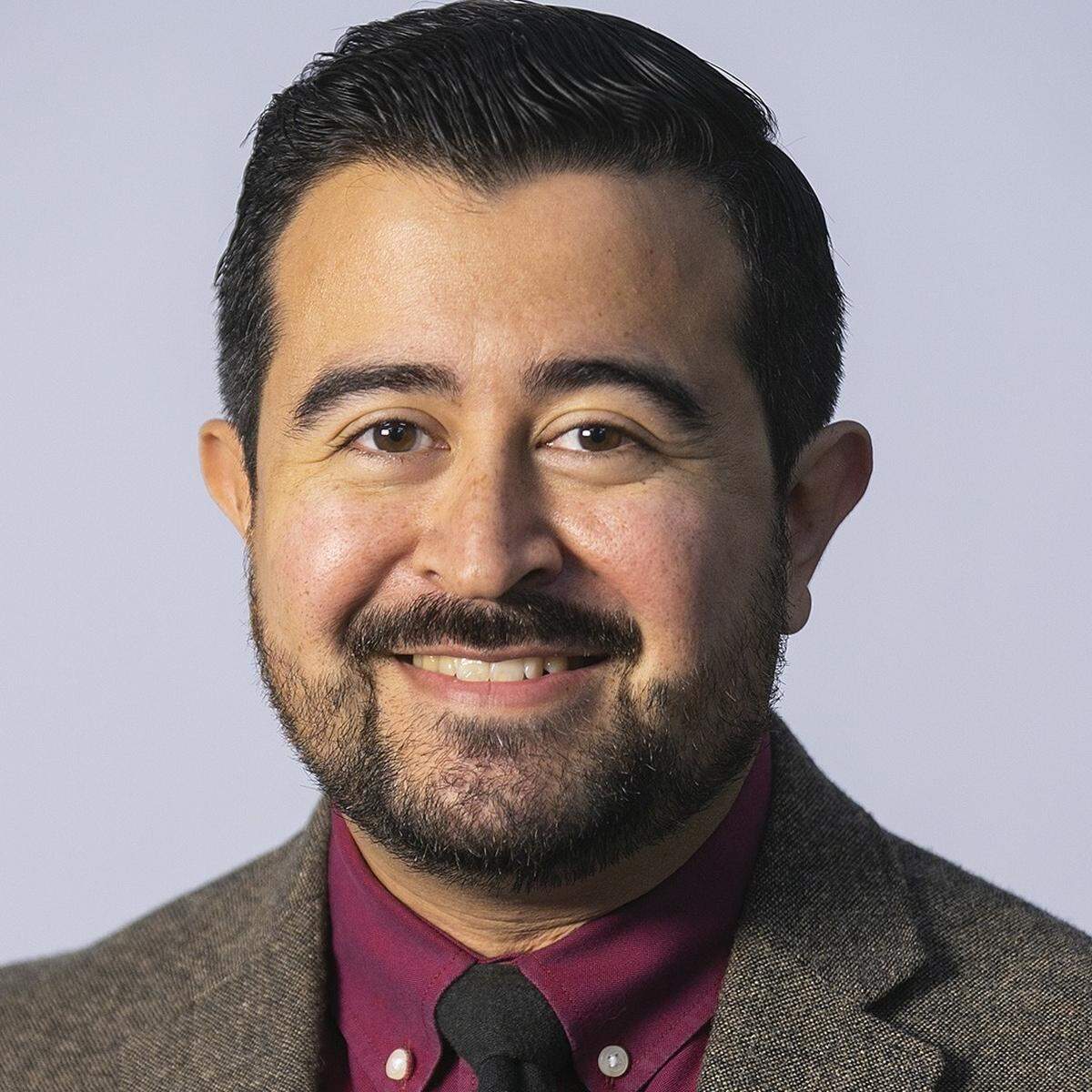
Miami mayor enters second year with streamlined vision and political bruises
Miami Mayor Francis Suarez had a whirlwind first year in office marked by high-profile wins and losses in City Hall, the ballot box and the court of political opinion.
After 12 months of big controversial proposals that overshadowed smaller accomplishments, Suarez is promising a more bread-and-butter approach to municipal government in his second year as the largely ceremonial leader of the Magic City. More trolleys. Trolley shelters. Upgraded parks. Protected bike lanes. A renovated Olympia Theater at the Gusman Center for the Performing Arts. A digital platform where entrepreneurs can start a business from their smartphones.
Equipped with only the power of persuasion and the bully pulpit, Suarez wants the city’s administrators and commissioners to focus on ground-level issues that impact taxpayers, help residents struggling to close a wide income gap and safeguard Miami from the looming impacts of climate change.
“Quality of life, a pathway to prosperity, and resiliency,” he told the Miami Herald. “Those are my three major theme points. I’m going to try within those theme points to accomplish as much as I can.”
By his own sunny assessment, outlined in his state of the city address Tuesday morning, Suarez’s first year went well. The 41-year-old Miami-born politician, a real estate attorney and son of former mayor Xavier Suarez, said the city benefited from a host of improvements that did not receive enough attention: a new online permitting system, a historically low homicide rate, new routes for the popular municipal trolley service, and a new stormwater pump station in Brickell.
“We continue to work to improve our residents’ quality of life, because every Miami resident deserves to live on safe streets and own a stake in their growing city,” Suarez told the audience gathered inside the Freedom Tower — a new venue for a speech typically given at City Hall.
Some of those projects had been in progress since the mayor’s days as a city commissioner, and he benefited from that. But Suarez, a popular commissioner carried into the mayor’s office with 85 percent of the vote and an ambitious vision for the capital of the Americas, also tackled big chunks of his agenda in his first year. Some challenges proved too large to handle.
Sixty percent of voters approved the framework of a lease to build Miami Freedom Park, the commercial/stadium complex for David Beckham’s MLS team, but Suarez faced criticism for backing a deal that would allow the soccer group to build a large retail, hotel and office park on Melreese golf course — even if it is supposed to come with a 58-acre public park. That lease is in the negotiation phase, and continues to be pilloried with legal challenges and ethics complaints.
The mayor’s critics blasted him for his attempt to become the top boss running Miami’s 4,000-person bureaucracy. Chief among them: Miami-Dade Mayor Carlos Gimenez, who was considered an ally at the start of Suarez’s term. Gimenez raised tens of thousands to pay for ads attacking the strong-mayor campaign, an effort that attracted millions in political donations from special interests in support of Suarez’s proposal.
After his remarks, Suarez said he wouldn’t let personal political issues get in the way of governance.
“In terms of my relationship with the county mayor, he has an obligation, for the remainder of his term, to serve his residents,” Suarez said. “I have an obligation to serve my residents, and I’m never going to let anything personal come between myself and my duty. Bottom line.”
Commissioners Manolo Reyes and Joe Carollo also spoke out against the strong-mayor effort, calling it a power grab. Voters loudly rejected the proposal in November.
After Tuesday’s speech, Reyes took a conciliatory tone in a tweet in which he complimented Suarez.
“I look forward to continuing working with him on many of the issues and projects coming up this year, even if we may not agree on everything,” he wrote.
On Tuesday, Suarez said he was glad to have his critics.
“I appreciate them. I thank them because they’ve made me a stronger and better mayor.” he said “They’ve made me refocus, and that’s what being a mayor of a big city is. ... Leadership is hard. It’s about making tough decisions.”
In his speech, Suarez simultaneously called out the county and pointed to an issue where he and Reyes agree. He criticized the decision to eliminate Miami-Dade’s Metrobus Route 6, which ran through Downtown Miami, Little Havana, Flagami and Coconut Grove. Suarez and Reyes recently co-sponsored a resolution asking the county to restore the route because seniors have complained they need the bus to reach parks and senior centers.
Even though county figures show the route had low ridership, Suarez said the county’s analysis should have considered that the riders were seniors who depend on the bus.
“You have to have a qualitative approach, not just a quantitative approach to what you’re doing,” he said.
The bus route issue illustrates Suarez’s best chance at being more than a ribbon-cutter: speaking out on issues and finding allies who can cast votes. With little direct administrative power and some political bruises, Suarez will have to convince elected officials and bureaucrats to follow a vision for his second year that is decidedly scaled down from his hopes for building soccer stadiums and reorganizing the city’s government power structure.
Recently, Suarez successfully lobbied for commission approval of the first batch of projects under the Miami Forever bond, a voter-approved plan pushed by former mayor Tomás Regalado to borrow money for drainage improvements, affordable housing projects and parks upgrades. Approved in December, the first round of work is beginning in the first quarter of this year.
Suarez has challenged the administration to keep upgrading outdated government processes that are typically slow-moving, including the process to get a permit for opening a small business — which he believes should be easy enough to do on a smartphone.
“It should be more streamlined,” he said, acknowledging there may be challenges with including approvals from agencies outside the city of Miami.
To get anything done, he’ll need votes from a City Commission that is headed for change later this year. Reyes and Commissioner Ken Russell, seen as a Suarez ally, are up for re-election and have hefty war chests already. Reyes is unopposed, while Russell has a challenger. Commissioner Wilfredo “Willy” Gort is term-limited, leaving his seat wide open for a race that has so far attracted six candidates.
This story was originally published January 29, 2019 at 3:40 PM.